
Getting to Amsterdam from Eindhoven Airport - Trains, Buses, and the Best Routes

If you arrive by flight, take the airport shuttle to Eindhoven Central, then catch a direct Intercity to Amsterdam Centraal. This path minimizes transfers and keeps you on a predictable schedule; look for the name of the operator on the platform, typically NS, and travel under conditions that favor reliability.
Time and cost are straightforward: the shuttle to Eindhoven Central takes 15-20 minutes. Then the Intercity to Amsterdam Centraal runs about 1 hour 15 minutes to 1 hour 25 minutes. Door-to-door, budget around 1 hour 45 minutes to 2 hours. The cost is typically around €6 for the shuttle plus €20-€28 for the train, depending on class (2nd standard fare is the best value); some routes feature a decker car that gives a little extra space and better views, which you may prefer if you sit by the window.
If you want to minimize transfers further, ride the shuttle to Eindhoven Central and take a direct train to Amsterdam; this remains the simplest path for most travelers. Use the NS app or a document to compare times in real time and spot the point where you’ll connect. In most cases, the direct Intercity stays the shortest option.
During busy periods, plan ahead and download your ticket to a digital document for quick scanning. Check conditions before you leave the terminal, since track works can shift departures. For travelers with extra gear, signage often mentions the bosch charging points, and many carry vans-style luggage for easy handling.
Analyzing real-time schedules helps you choose the least transfers. The standard route–airport shuttle plus direct Intercity–works every day, with slight variations on weekends. If you expect delays, have a backup plan to avoid missing your flight or connection and maintain a calm, friendly pace.
In short, select the shuttle plus direct Intercity for speed, expect a total cost around €30–€40, and keep a document with your plan. This approach balances cost, time, and comfort, letting you focus on the point of your Amsterdam visit.
From Eindhoven Airport to Amsterdam: fastest train-and-bus route explained
Choose this route: take the bus from Eindhoven Airport to Eindhoven Centraal, then board the NS Intercity from Eindhoven Centraal to Amsterdam Centraal; this is the fastest train-and-bus combo for most travelers.
-
Step 1 – Eindhoven Airport to Eindhoven Centraal
- Line and frequency: bus 400 runs roughly every 15–20 minutes during the day; 401 is an alternate option depending on the schedule. Check the latest times on the website or the 9292 planner.
- Travel time: about 20 minutes door-to-door; the terminus at Eindhoven Centraal is the main rail hub for the onward leg.
- Tickets: buy at the bus stop or use prepaid OV-chipkaart. You can also use the NS app if you prefer a document-style digital ticket that covers both legs in one booking.
- Notes: café options are available near the station; expect standard cleaning and safety measures on public vehicles.
- American travelers often appreciate this route for its straightforward flow; plan ahead and keep a small language note handy in case you need to ask a local for directions.
-
Step 2 – Eindhoven Centraal to Amsterdam Centraal
- Train type and duration: NS Intercity travels directly to Amsterdam Centraal in about 1 hour 15 minutes; the carriages are comfortable, with slightly larger legroom in newer trains.
- Frequency: departures roughly every 30 minutes in daytime; evenings have fewer options, so confirm the timetable in advance.
- Tickets and fares: buy prepaid tickets on the NS website or at the station; fares vary by peak vs off-peak. Expect higher prices during busy periods, but you can often find good deals with advance booking or off-peak travel.
- Connections: the route into Amsterdam is straightforward; Amsterdam Centraal is the common terminus for this south-to-north connection.
- Notes: the vehicles are clean and well-maintained; if accessibility is needed, both Eindhoven Centraal and Amsterdam Centraal offer facilities.
Practical tips
- Plan ahead on the NS website or 9292.nl; choose this route according to your needs and travel language preferences. The site is available in English and other languages.
- Carry a document like ID and keep your tickets handy; you can use prepaid OV-chipkaart or digital tickets on your phone.
- Estimated total travel time is around 1 hour 30 minutes to 1 hour 45 minutes, depending on transfer speed and waits; this route offers high effectiveness for time-conscious travelers.
- Costs: typical fares for the train segment are higher than the bus; total journey price commonly ranges from €20 to €35, influenced by peak hours and whether you buy in advance or via a card. The number of changes is fixed at one transfer, giving you a predictable plan.
- If you need a rental car instead, europcar desks are available at the airport, but keep in mind that trains are faster for city-to-city travel.
- Night travel: after late hours, check the weekend or night timetable; some services reduce frequency, so consider an earlier departure to avoid delays.
- Be the maestro of your trip: choose this two-leg route to minimize complexity and maximize the journey’s calm, especially if you’re traveling with luggage or needs that require smoother transfers.
- For a quick café stop or a light bite, look for cafés at Eindhoven Centraal or Amsterdam Centraal; you’ll find options to refresh before or after the ride.
- Document and advance planning: keep a copy of your plan on the website or app, and note the fixed transfer time at Eindhoven Centraal to avoid missing the next train.
Ticketing options: NS trains, regional buses, and combo passes
Get a combo pass that covers NS trains and regional buses for a flexible plan from Eindhoven Airport to Amsterdam center. This option helps you move across the network without needing separate fares for each leg, ideal for a short stay or a busy itinerary.
Choosing your pass
For a single leg to Amsterdam center, a single-ride fare is the most economical. For a day or longer stretch, the combo pass delivers value by covering both NS intercity lines and local bus services within the same area. Check the coverage zones before buying to avoid extra charges on later hops. You can purchase online in advance or at the station, and you can activate on the first trip via the app or printed confirmation.
Payment and how to buy
Use a debit card or a standard card at checkout; many vending machines accept contactless payments and provide English instructions. The NS app shows available passes, prices, and the quickest way to reach Amsterdam center from the airport. If you prefer, staff at the airport desk can outline options and confirm that your choice matches your planned trips. After purchase, keep the proof handy and scan or tap the digital pass at entry for smooth access to trains and buses.
Timetable strategy: how to plan around peak hours and service gaps
Plan around peak hours by targeting departures outside the morning and evening rush windows: 09:30–16:00 or after 19:00, when services run more smoothly. In this article, you will get a practical timetable strategy for getting from Eindhoven Airport to Amsterdam using trains, buses, and pickups. Here you will find a concise plan that the customer needs just now, with a direct, easy path. If you’re driving, renting a vehicle, or taking standard services, this approach makes your trip very good. Bravo for choosing a flexible plan that fits your needs and brings clarity to the timetable.
- Peak-hour awareness: aim for 09:30–16:00 or after 19:00 to enjoy better seat availability and shorter waits at ticket machines; they will run more smoothly outside the core rush.
- 4-11 window: if your travel falls inside the 4–11 PM block, expect reduced frequency and longer transfers; take a buffer of 15–30 minutes between connections to stay on track.
- Pickups coordination: for pickups arranged at the airport or station, check with the desk; they will confirm pickup times and any permission required, keeping everyone aligned.
- Direct connections: when possible, choose direct trains to the terminus to minimize changes, reducing risk of gaps disrupting your plan.
- Other routes as backups: keep two alternative routes in mind (other options) so you can switch quickly if a line delays or cancels.
- Night service awareness: night schedules operate with lower frequency; consult the night-class timetable and build extra buffer after 22:00.
- Tickets and vehicles: buy standard tickets in advance and use ticket machines for speed; if renting a vehicle, ensure your license is valid and the plan accounts for the vehicle’s needs.
- Tulip wayfinding: stations use tulip-themed signage in key areas; use these markers to minimize confusion during transfers.
- Flexibility as a feature: have two ready plans so you can take the best option as service levels change; this keeps your trip smooth every time.
Practical steps you can take today
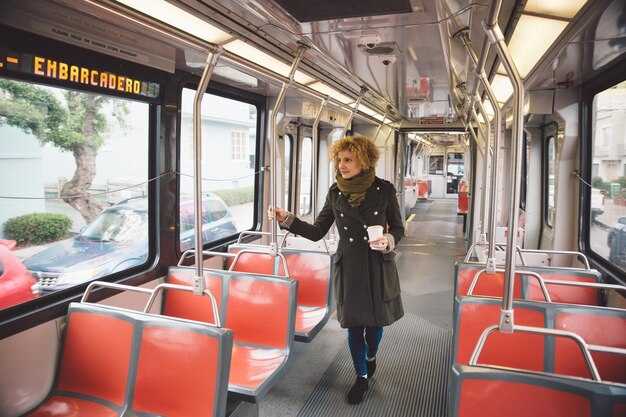
- Open the NS app or 9292 and compare 09:30–16:00 options with post-19:00 options; note any gaps between services and plan around them.
- Mark pickups and shuttle times on your device; if needed, request permission to adjust times and keep the contact handy.
- Book tickets in advance and download digital copies; verify that your license is valid if you plan to drive or rent a vehicle.
- On arrival at Eindhoven Airport, head to the standard transfer path to the station, budgeting a 10–15 minute buffer for transfers.
- If a delay occurs, switch to the backup route quickly and update pickups or rides accordingly to maintain the trip’s rhythm.
Using these steps turns timetable gaps into predictable moments you can manage with confidence, making every part of your trip to Amsterdam less stressful and more enjoyable.
Direct vs. transfer routes: choosing the option that fits your schedule
Choose the direct route from Eindhoven Airport when speed and predictability matter most. You’ll board once and reach Amsterdam terminus or Central without changing trains, making the trip smoother for families traveling with children and for travelers who need a clean, straightforward schedule. This option minimizes waiting times and reduces the need for last‑minute planning, giving you a confident start to your Amsterdam visit.
Whether you prioritize cost or flexibility, a transfer route can work well. You normally gain lower fares and extra timing options, with a stop at a major station near a café where you can check schedules, stretch legs, and plan the next leg. Transfers also offer the chance to compare services and choose the most comfortable option, providing value if you’re traveling during peak periods or with budget constraints.
Consider need, total travel time, and how you feel about changes. If you expect tight schedules, the direct option minimizes risk; if your plans are fluid, a transfer route offers more flexibility and potential savings. During busy days, the transfer may help you align with cheaper slots or later departures, then let you resume travel with renewed momentum.
| Option | What to expect | Estimated travel time | Best use case | Typical transfer points |
|---|---|---|---|---|
| Direct | One journey, no interchanges; you board at Eindhoven Airport station and depart from Amsterdam terminus. | 60–75 minutes | Fast, predictable travel; ideal for children and travelers with tight schedules. | Minimal or no transfers |
| Transfer | One or more changes; you may pause at Utrecht or Schiphol and board another service to Amsterdam. | 90–120 minutes | Lower price, flexible timing, opportunity to check a schedule and visit a café during a layover. | Eindhoven Station → Utrecht/Schiphol → Amsterdam Centraal |
To decide, check live schedules at the station board or on the operator app, and consider payment options like Maestro or credit cards. If you plan to travel with the family, the direct option often offers higher value by reducing transfers and stress, making the experience smoother for everyone. There is no need to rush–choose the route that fits your travel style, then confirm timing and board confidently.
Luggage, accessibility, and station navigation for first-time travelers
Take the NS train from Eindhoven Airport to Amsterdam Centraal with a single ticket bought at the self-service machine. Airports in the region are connected by fast rail; machines accept mastercard and debitcredit, and most support contactless payments. The price is shown before you confirm, and you’ll receive a digital or paper ticket. Trains run at regular intervals from early morning to night; weekdays bring more frequent departures, while night services are limited. The arrival point in Amsterdam Centraal is clearly signposted, and from there you can reach city centers through a direct walk, or via tram, metro, or bus. If you have a flight connection after arrival, plan a shorter stop in Amsterdam to collect bags and transfer through the station.
Travel with luggage: storage and handling
Luggage on trains is included in the standard fare; use the overhead racks or spaces near the doors, and place bags under seats if space allows. Avoid blocking aisles and keep heavy items secure during braking. A small coin deposit may be required for luggage trolleys at some stations, so bring a spare coin or use a compatible payment option where supported. Larger items can be stored at main stations in dedicated areas, and you can book a luggage service if needed. Additionally, label your bags with a contact number to ease recovery if they are misplaced. There are staff and cleaning services available at the airport and stations to help if you need assistance, including during busy times; there are point-to-point options for arrival, and these are listed at information desks. If you book a shuttle van, the driver will check the fuel tank before departure.
Accessibility and station navigation
Stations are located with step-free access to platforms; elevators, ramps, and accessible toilets are available. Signage uses English plus Dutch, with language support at information desks and on some staff radios. There are help desks where staff speak several languages, and you can ask for boarding assistance if needed. To move through the station, follow through signs to trains, arrival halls, and exits; maps are located near entrances and exits point you to the correct routes. For night arrivals, check the night timetable on station screens; there are regular services throughout the day, including night hours on some routes. The ticket machines feature multi-language functionality and quick payment flows; these systems support mastercard and debitcredit. Take advantage of these supports to plan where you go next and to ensure a smooth transition into the city.
Shortcuts and handy transfer points to save time on the journey
From Eindhoven Airport, the fastest option is simple: take the bus to Eindhoven Centraal and board a direct Intercity to Amsterdam Centraal. Buy a return ticket at the machines in arrivals or book online ahead of time to skip lines, then scan the ticket at the gate with just a tap. This keeps you on the major route through the Dutch heartland and minimizes transfers.
At Eindhoven Centraal, use the timetables above the platforms to pick a service that reaches Amsterdam with one change or directly. Different service patterns exist, and you can compare them on the screens. NS services run at high frequency, and the time-saving option is a through-service that continues to Amsterdam without switching; if a direct service isn’t available, choose the Intercity that minimizes changes. Either way, you’ll see live updates on the screens during busy periods.
Transfer points and shortcuts: Eindhoven Centraal is a major hub; Amsterdam Centraal acts as a terminus for many intercity lines. If you’re carrying luggage, stay in the main concourse instead of wandering; the signs point you to the right track quickly. Bravo – a simple plan reduces platform hops and saves minutes. If you prefer to go via Utrecht, that through-route usually arrives sooner than a path that detours via Den Bosch.
Driving option: europcar has a pick-up desk at the airport, perfect if you want to drive part of the way and then switch to rail. Driving to Amsterdam via the A2 is straightforward, but you can save time by letting the train take the final leg. If your plan includes Maastricht, map the leg via Eindhoven to Maastricht and then continue by rail to Amsterdam; or drop the car and stay with the train for the last stretch. Driving is allowed on the highway, this flexibility helps during busy days.
Insights and quick checklist: tickets can be bought at machines or online; have your return option ready and carry your ID. Check the times above the platform and follow the pick-up signs if you rented a car. Many Intercity trains maintain cleaning between stops, so you can travel in comfort. Also carry lighter luggage to speed transfers; below is a short checklist to apply on arrival.
US holiday planning: picking destinations from Amsterdam and how to connect from the Dutch hub
Begin by selecting a destination with a direct AMS–US flight if possible; today this saves time and reduces transfer stress, especially for families with children. This guide helps you pick routes that fit your travel window and budget.
Use a platform to compare routes and fares across carriers and dates. Slightly different itineraries can save money; check both direct and one-stop options, and set filters for international flights and child-friendly policies. Expect flexible fares where available, which offer value for families and groups.
Selecting destinations from Amsterdam and route options
From Amsterdam, target major US gateways with wide onward networks: New York (JFK/EWR), Boston, Chicago, and Washington, D.C. These cities provide good domestic connections and a high number of daily departures. When selecting, compare total travel time, number of changes, and layover duration. Favor options with a single, short connection if it keeps the schedule comfortable for children, and map the route into a simple diagram to visualize transfers and time windows.
For families, pick seats together, consider extra legroom, and review fare rules for changes. Bring digital or printed tickets, ESTA/visa details where required, and a fast, contactless payment method. Prepaid cards can simplify budgeting, and a broad, flexible fare often offers better perceived value.
Connecting from the Dutch hub: practical routes and tips
AMS connections typically run through Paris CDG, Frankfurt, London Heathrow, Dublin, or other European hubs before continuing to the US. These options usually provide reliable schedules and a wide choice of flights. Use a platform to assemble a personalised itinerary that minimizes total time while maximizing days on site.
Book multi-city itineraries on the same platform to lock a smooth transfer, and check luggage policies for each segment. If you need ground transport on arrival, consider renting a car or arranging an airport pick-up. A bosch-connected luggage tracker helps you monitor bags across transfers, and contactless check-in reduces touchpoints. Cookies on the website can improve deal visibility today, and you can adjust settings to reflect your location and preferred payment methods, including prepaid cards. Costs can vary by route, date, and payment method; some charge fees per segment, so review the final sum before you make the purchase. This approach keeps travel manageable and valuable for your family, especially when you select destinations with good domestic connections and reliable ground transport options.


