



 Українська
  English (UK)
  Русский
  العربية
  日本語
日本語  한국어
한국어  Magyar
  Türkçe
  Español
  Čeština
  Svenska
  Português
  Ελληνικά
  Suomi
Suomi  Nederlands
  Română
  Italiano
  Français
  Polski
  Deutsch
  简体中文
简体中文  Slovenčina

Use AREX Express from gimpo to Seoul Station for the fastest start. The ride lasts about 43 minutes and costs roughly 8,000–9,000 KRW. If you prefer a cheaper option, the all-stop AREX service to Seoul Station takes around 50 minutes and costs 4,000–6,000 KRW. This path suits both arrivals and onward transfers, and it is useful for connecting to different terminals across the city, sending a clear message about your plan. From Seoul Station you reach central districts by subway or switch to long-distance trains for the next leg, with connections to various neighborhoods and terminals across the city.
For travel to Busan, the usual pattern is AREX to Seoul, then KTX or SRT from a major terminal. KTX from Seoul Station to Busan covers roughly 325 km and takes about 2 hours 15 minutes to 2 hours 40 minutes; SRT from nearby hubs can be similar. Fares vary by train and seat class, typically around 50,000–110,000 KRW. If you’re speaking in your language, staff at the counters can help you choose the best airlines and seating. A practical tip: book ahead and consider weekendspublic crowd levels when planning your time, especially if you’re traveling with other passengers.
Таксі offer door-to-door convenience, but for the long hop to Busan they are rarely the best option. A metered taxi from gimpo to central Seoul usually costs 50,000–70,000 KRW and takes 30–60 minutes depending on traffic. High-end limousine taxis add a premium (roughly 20–40% more), and a trip to Busan could reach 300,000–600,000 KRW and 6–8 hours. If you value comfort and privacy, a limousine is a high-end choice in the city, but for the Busan leg a train will usually be faster and more economical.
In practice, the language of transit here is clear: use AREX to reach a central terminals, then pick KTX or SRT for long-distance legs. The taxis crowd at Gimpo can be busy on weekendspublic days, so consider pre-booking or using a ride-hailing option where available. The world of routes is broad, with various options that suit your schedule. A few tips: verify platform numbers on arrival boards, purchase tickets at the booth or machine, and keep a map of the destination name in language. For weekendspublic trips, allow extra buffer time for security lines and boarding, and remember that speaking with staff makes the process smoother for your party.
AREX from Gimpo: Express vs All-Stop Trains, Fares, and Travel Times
Recommendation: If you want speed, take AREX Express from Gimpo to Seoul Station for the fastest start. Trains depart from the Gimpo AREX gate on a timed schedule; the trip to central Seoul takes about 43 minutes. You can pay with a transportation card (such as T-money) or cash at the machines, and you can print a paper ticket if you prefer. For convenience, keep your card charged and know the gate layout, especially if you’re arriving by flying into Gimpo.
Express vs All-Stop: what to pick
Express delivers full speed to Seoul Station with minimal stops, ideal for central destinations. All-Stop follows a longer route with several intermediate stops, adding roughly 10–15 minutes to the journey but offering closer access to nearby venues along the line. If you’re hopping to a campus area like 신촌캠퍼스 or a venue near dongmyo, All-Stop can reduce walking between gates, but Express remains the standard choice for a quick, right start to your day.
Fares and payment options
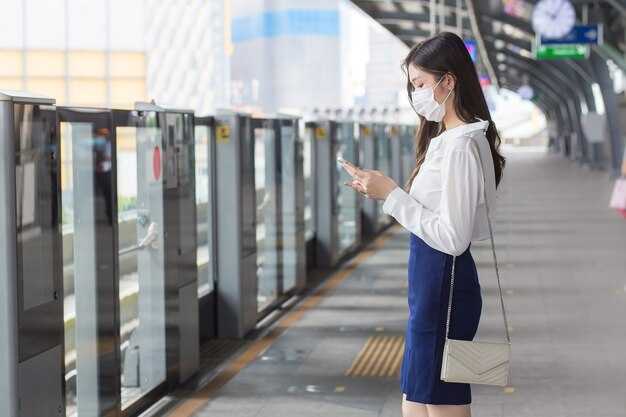
Rates from Gimpo to Seoul Station are typically around 4,000–5,000 KRW for Express and about 2,500–3,000 KRW for All-Stop. Card users, especially those with a charged card, usually pay the lower fare; cash is accepted at machines. Keep the information above the platform printed or visible on your phone so you know the exact rates and the next departure for your destinations.
From Seoul Station, you can hop onto Line 2 to reach 신촌캠퍼스 or other campuses, or transfer to Line 1 to go toward dongmyo and other central/east areas. The route that minimizes walking depends on your final destination, but a quick transfer plan keeps hopping between lines efficient and convenient during campus visits. Keep track of gate changes and print or digital information to stay on schedule.
Taxi from Gimpo: Fare Ranges, Booking Tips, and When to Use
Choose a taxi from Gimpo for a fast, door‑to‑door start to your stay in Seoul. Such convenience is especially helpful after a long flight, with luggage, or when you’re heading to neighborhoods like Sinchon, Ewha, or Jongno. You can step off the plane, exit at the front, and be on the road in minutes rather than waiting for arex and a subway transfer. If you prefer English support, many drivers can accommodate basic requests, making the ride feel straightforward from the moment you leave the gate outside.
Fare ranges you can rely on
General taxis (일반택시) from Gimpo to central Seoul typically run about 14,000–22,000 KRW in daytime, with longer trips toward Sinchon, Ewha, and Jongno toward the upper end. For popular destinations like Sinchon station area or Jongno, plan roughly 15,000–24,000 KRW depending on traffic. Nighttime (around 22:00–04:00) adds about 20% to the meter, and tolls may push costs higher if you take routes that include toll roads. To areas further west or east of central Seoul, estimates rise accordingly, with Gangnam and other districts often landing in the 20,000–28,000 KRW range. If you head to a distant stop like dongdaegu by taxi, the price becomes long and unlikely cost‑effective; rail or bus are better options for that leg. Luxury taxis (모범택시) cost more but offer larger sedans and more attentive service, not always necessary for a straightforward Gimpo transfer. October traffic can also nudge prices up on busy weekday afternoons.
For students, travelers near 신촌캠퍼스에서 або 연세대학교 campuses, rides stay comfortably within these ranges, with the shortest paths landing near front entrances or gate areas of the campuses. If your plans include a calm, delicious bite or a quick stop at a cultural district on the way, you’ll still stay within a reasonable budget compared with multiple transit transfers.
Booking tips and practical guidance
Use a ride‑hailing app like Kakao T or T Map Taxi to pre‑book and track the driver. In English, you can set a destination, confirm the fare range, and watch the ride progress in real time. At Gimpo, go to the taxi stand outside the arrivals area or book in advance and meet your driver at the gate або front curb when you land. Always confirm the meter starts and check for the expected route; if you need an English‑speaking driver, mention it in the app note or ask the dispatcher before you start. When you arrive at your hotel or dorm, show the 신촌캠퍼스에서 або 연세대학교 campus address in Korean to speed up the drop‑off or consider saving a local landmark (like a nearby station) as your destination.
Booking tips in practice: keep the vehicle number in the app, be ready to point to a landmark, and prefer a front‑seat ride if you want to give directions clearly. If you’re traveling with a group or with bulky luggage, a standard taxi usually suits you well, but a розкіш option can add comfort on long hops or late return nights. For those who want to avoid a potential wait, booking ahead is especially helpful on weekdays after work hours or in October when demand spikes near shopping districts.
What’s the best route from Gimpo to central areas? Most travelers choose the direct Gimpo exit toward arex transfer paths only when heading to Seoul Station; otherwise, a taxi may be faster for a line of sights and campuses in Jongno, Sinchonі Ewha. If you plan side stops, tell the driver in advance; most routes stay smooth, especially when you specify a campus stop like 신촌캠퍼스에서. In short, booking a taxi is a convenient and relatively predictable option for a comfortable start to your cultural Seoul visit, with a price range that keeps to a reasonable budget on weekdays and weekends alike.
Gimpo Airport Subway Access: Lines, Transfers, and Practical Routes to Central Seoul
Recommendation: For a fast, predictable journey, take AREX from Gimpo Airport to Seoul Station. This option keeps your layover efficient and your stay comfortable, especially for visitors with luggage. It’s the best access to central Seoul with minimal transfers, letting you keep the pace of your journey without delays.
Lines and transfers: Gimpo Airport connects to the subway network via AREX and Line 5. AREX offers Express and All-Stop services toward central Seoul, with trains arriving roughly every 6–8 minutes during daytime. The Express ride to Seoul Station runs about 40 minutes, while the All-Stop service takes a bit longer but stops at more stations, giving you flexibility depending on your plan. If you prefer to stay on a single line, Line 5 from Gimpo Airport Station goes toward central hubs, where you can transfer to other lines to reach destinations around the city. For longer trips or future connections (for example, to suwon or jeju-adjacent itineraries), plan a transfer at a major interchange to keep your options open. Tickets are available at front-d hall machines or via a T-money card, and information desks provide a full guide and schedule. Have your ticket or card ready before you reach the platform, and check the interval of trains when you arrive–this helps when you’re traveling with a layover or a tight timetable.
Best routes to central Seoul
Route A: AREX Express from Gimpo to Seoul Station, then continue with a short subway transfer or a walk to central districts such as Myeongdong, Jongno, or City Hall. This route is ideal for visitors aiming to maximize sightseeing time and minimize transfer complexity. Route B: Line 5 from Gimpo to a major interchange, then switch to another line that serves your hotel or primary attractions. This option keeps you on a single line longer and lets you tailor your final leg with a quick transfer at the hub. For those planning connections beyond Seoul, these routes ease transitions toward places like suwon or Jeju-bound travel from central hubs. The system design supports easy navigation, with clear platforms, multilingual information, and helpful drivers near the doors. If you’re arriving with a group or have premium expectations, you can combine a direct AREX ride with a short taxi to a luxury hotel in the city center–enough comfort for passengers seeking a smooth front-end arrival. As you map your route, refer to the guide at the information hall and store a digital ticket or map for quick reference; after you arrive, you’ll find the city’s pace welcoming and efficient.
Practical tips for schedule, transfers, and last-mile
Before you depart, verify the latest schedule and interval for AREX and Line 5, especially during off-peak times or late at night. If you face a tight connection or a long layover, the AREX option remains the most reliable option to reach the central halls quickly. Alternatively, if you value single-line simplicity, Line 5 offers straightforward access to central districts with frequent trains. Passengers should have a plan for after-arrival navigation: the front desk in the hall can print a short guide, and staff speak multiple languages to help visitors from places like jeju or suwon orient themselves. If you’re traveling with kids or a large group, taxi drivers nearby the station can offer direct routes to your hotel, which saves time and reduces stress. In all cases, keep a copy of your ticket or transit card and a basic map handy, so you can switch lines smoothly and enjoy a compact journey rather than a long, challenging route. 감사하겠습니다 and safe travels as you explore Seoul’s central neighborhoods.
Airport Bus N6002: Schedule, Stops, and Main Connections to Seoul
Recommendation: Take N6002 from Gimpo to Seoul Station for a direct, convenient ride into central Seoul. It offers an English-language guide on board and a smart, practical option for travelers. It’s not luxury travel, but comfortable and efficient, making a great start to your trip.
Schedule and interval: The service runs daily with an interval of about 20–25 minutes during daytime and 30–40 minutes at night. First departures begin in the early morning and the last bus heads toward Seoul in the late evening. Always verify the latest timetable at the airport information desk or the operator’s site, since times can change seasonally.
Stops: Pickup is at Gimpo Airport Terminal 1 arrivals hall and Terminal 2 arrivals hall. The route proceeds to central Seoul with key stops at City Hall and finishes at Seoul Station, making the transfer to the subway or AREX straightforward.
Main connections to Seoul: From Seoul Station, AREX provides a direct link to Incheon and Gimpo airports, while the city’s subway lines let you head to western districts or central culture hubs. If your plan includes longer trips, you can catch a direct KTX from Seoul Station to Dongdaegu, or ride Line 1 toward Suwon for access to that western corridor. This option works whether you want a fast city transfer or a comfortable base for exploring the city’s culture and beyond. For travelers seeking particular interpretation of local travel, the N6002 serves as a solid starting point.
Fare and tips: The fare is typically around 9,000–12,000 KRW, depending on origin terminal and day. You can pay with cash or card, and some machines accept English instructions. Both luggage and passengers benefit from the roomy cabin. If you have a flight later, this can still fit into your plans, as a long travel leg before check-in at the airport. Some staff speak english, and several drivers are affiliated with 기사님연세대학교, which can help with directions or local tips. If you want guidance, tell the driver your destination, or speak a few English phrases to keep the ride smooth.
Notes: This option is reliable for western Seoul access and can be integrated with other travel plans. It offers steady pace, easy connections to Suwon or Dongdaegu, and straightforward transfers at Seoul Station. The schedule is designed to keep you moving without long waits, and the staff are generally helpful with basic English inquiries.
Choose the Best Route: Time, Cost, and Convenience for Seoul and Busan Travel from Gimpo
Best route for 신촌캠퍼스에서, and Ewha campus visits: AREX All-Stop from Gimpo to Seoul Station, then transfer to Line 2 toward Sinchon. This option is great for arriving 안전하게 and close to the 신촌 캠퍼스. Usually the total time is about 40–55 minutes, and fare ranges 3,000–4,500 KRW depending on stops and transfers.
Whether you prioritize time, fare, or campus convenience, these options cover the full range of choices for sinchon and beyond. If you want the final stop with minimal walking, AREX Express to Seoul Station and a short subway hop to Sinchon works well, taking roughly 35–50 minutes in total and costing around 4,000–4,800 KRW. For early or late arrivals, this route helps you leave the station quickly and arrive at 신촌캠퍼스 or Ewha with ease.
Taxi is convenient when you have luggage or travel with a group. From Gimpo to Sinchon, a daytime ride usually costs 20,000–28,000 KRW and takes 25–40 minutes, depending on traffic. At ساعات of peak hours, you’ll see a small premium, but the full door-to-door convenience can be worth it if you’re after speed and comfort. Outside busy periods, you still get a predictable fare and a smooth ride.
Busan-bound options (using AREX, subway, and taxi as appropriate):
-
Route option: Gimpo → AREX to Seoul Station → KTX to Busan (or Dongdaegu)
- Time: about 3–4 hours total
- Fare: roughly 60,000–110,000 KRW
- Transfer: 1–2
- Best for: fast rail link with reasonable cost for the long leg
-
Route option: Taxi all the way to Busan
- Time: 5–7 hours
- Fare: 500,000–700,000 KRW
- Pros: door-to-door convenience
- Cons: high cost
-
Route option: AREX + subway toward a Busan-bound connection (useful if skipping flights)
- Time: 4–6 hours
- Fare: 60,000–100,000 KRW
- Notes: transfer at a central hub and continue by rail or bus to Busan
For specific final stops, plan around Dongdaegu as an example: leave Gimpo, reach Seoul Station by AREX, then take KTX to Dongdaegu. For Oido or other eastbound stops, route via a central hub and switch to the lines serving your destination. Stations often have basement levels with clear transfer signs, which helps you move quickly and safely to your next stop. Leave early if you want to enjoy a relaxed arrival and have time to explore the campus surroundings before your meeting or class.
Коментарі