

Berlin Brandenburg Airport BER - The Ultimate Guide to Terminals, Flights, and Travel Tips

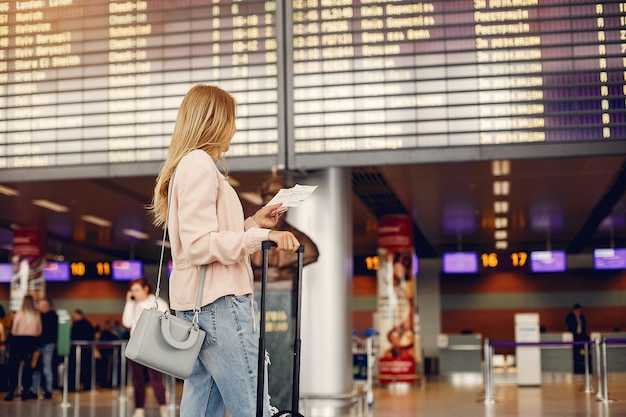
Take the S-Bahn from BER to the center of Berlin within 30 minutes. The fastest option for most travelers is the suburban railway that runs from the airport stations directly to major hubs, avoiding traffic and taxi queues. Thus, before you board, read the information boards and listen for platform announcements; trains depart every 10–20 minutes most of the day. The airport’s official name is Berlin Brandenburg Willy Brandt, and locals sometimes refer to it as 'willy' in casual talk. Travelers who arrive by air gain time by choosing trains that head to the city center rather than driving long routes. Travelers gain much time by planning ahead and keeping a simple bag for easier transfers. For many travelers, priorities include speed and ease of transfer.
Two terminals cover most traffic: Terminal 1 with Concourse A, B, and C, and Terminal 2 for European carriers. Interterminal movement happens via a heated pedestrian path and a quick shuttle when you have luggage; most travelers walk 15–20 minutes between terminals. Terminal 1 handles international and long-haul flights, while Terminal 2 serves many European and low-cost operators. Around the information desks you’ll find maps to help you decide what you found in the signage: gates, transfer routes, and nearest stations. The same layouts apply to most days, so you can move with confidence after the first visit. From BER you can reach Potsdamer Platz in about 20–30 minutes by rail, placing you in the city center with minimal delay.
Ground transport is straightforward for leaving BER and heading toward Potsdamer Platz, the center, or the city’s rings. Leaving BER with a clear plan cuts transit risk. Outside Terminal 1 you’ll find rental counters for rental cars and car-sharing, with a dedicated pickup curb for faster service. If you’re leaving with luggage, a taxi rank and ride-hailing zone are clearly marked just outside arrivals; for budget options, consider the express bus lines that run around the airport and into the city. Travelers often save time by pre-booking a rental and using the airport app to confirm pick-up points, parking availability, and shuttle times. If taxi lines look long, the opposite option–the S-Bahn–offers a quicker, predictable alternative that ties in with the city rail network.
Tips for a smooth transfer Arrive early for flights and keep your boarding pass handy at the security lines; BER uses a streamlined layout with clear signage. A quick walk from your gate to the center of the terminal is common, and lifts or escalators help when you travel with luggage. If you need a moment of rest, look for comfortable seating by the information kiosks and charging points around the hub. read the boards to confirm gates and transfer times so you don’t miss your connection; trains to the city run around the hour and align with most flight schedules, making a late connection easy to manage.
BER Terminal 1, Terminal 2, and Terminal 5: Layouts, facilities, and where to find gates
Use Terminal 1 for most international and long-haul connections, use Terminal 2 for European and budget routes, and head to Terminal 5 if you’re flying with easyJet or catching a growing lineup of low-cost options–the setup keeps transfer lines clear and you’ll find a smooth route between areas.
Terminal 1 presents a spacious layout with a large landside hall and two long gate lines around a central security zone. A dedicated t1-2 lines walkway connects T1 to Terminal 2, enabling quick transfers without stepping outside. Information desks on arrivals and departures offer an overview of routes, while maps help you plan each step of the move. Highlights include diverse shops, lounges, and efficient signage that guides you toward the gate you’ll reach next.
Terminal 2 is the compact, efficient counterpart with a single airside concourse. It hosts a focused set of shops, seating areas, and rest zones along the gates, and the t1-2 lines walkway provides a direct link to Terminal 1 for seamless transfers. Signs clearly mark gate zones and transfer routes, so you’ll view your next step at a glance and know which direction to walk.
Terminal 5 sits to the south of the main complex as a separate gate area, primarily serving easyJet with room to grow. A dedicated shuttle connects T5 with the main terminals, and clear signs lead you to the gate zones. Facilities include quick-service outlets, seating, charging points, and viewpoints along the concourse, making a long stay comfortable while you plan your ride to the next leg of your Deutschland journey.
To locate gates, follow overhead boards and the gate numbers on your boarding passes. Use the information desks for a precise view of your route and walking times, or open the BER app for step-by-step routes across t1-2 lines and the T5 gate section. If you need help with tickets, information staff can explain options and accept different payment methods, including cards, and they’ll point you to the closest entrance or transfer corridor that minimizes your walk to the gate.
From Mitte, südkreuz, Gesundbrunnen, or Kurfürstendamm, you can ride the S-Bahn or regional trains to Flughafen BER; the deutschland-ticket will be accepted for local routes, including trains and buses to and from the airport area. Surrounding neighbourhoods offer favourite spots for a quick bite or a longer stroll, and a short ride can connect you to city sights after a flight. You_ll find a clear view of terminals from the arrival area and a variety of information to plan routes, thus making gate finding straightforward and efficient for every traveller who wants a comfortable, luxury touch even during a layover.
Transfer between BER terminals: routes, walking times, and transit options
Use the airside inter-terminal link between Terminal 1 and Terminal 2 for the fastest, cheapest transfer; walking time around 5–7 minutes, distance about 0.8 kilometers. The link is located in the centre of the BER complex, with signs pointing toward mitte and the main concourses. Staying inside the official facilities avoids street delays and keeps you in the flow of transfers. For transfers involving Terminal 5, hop on the internal shuttle that runs every 10–15 minutes and is free with a valid boarding pass. Check online timetables for the latest frequencies; the official site provides updates and information is shared across travel networks to help traveling passengers. Cards and contactless payments are supported, and online options simplify planning.
Walking routes and times
The primary route between T1 and T2 runs through a sheltered corridor in the heart of the mitte area; the distance is around 0.8 kilometers and the walk takes roughly 7–12 minutes, depending on crowds and pace. Signage is clear in both English and German, directing you to the next gate and to the centre of the BER complex. If you travel in november, plan for slightly busier pedestrian flows in the morning and after arrivals; allow a few extra minutes.
Transit options and tips
Public transit between terminals is straightforward: use the inter-terminal shuttle or switch to S-Bahn/Regional trains from BER’s rail stops to reach the city centre. Frequency is typically every 10–20 minutes; confirm exact times online on the official BER information page. Tickets and travel cards are valid across modes, and the cheapest option is often a single or multi-trip card, depending on your plans. If you arrived by rental, you can drive to nearby Mitte parking and then use rail or bus connections for city tours. For longer trips to citys points of interest, the S-Bahn line to Zentralstadt gives direct access. Tegel is closed for passenger flights, so transfers do not involve tegel. Always verify current routes and times on the official site, and consider sharing useful tips with fellow travelers. Before you travel, note that schedules can change; have a backup plan and keep your travel cards valid online.
Check-in, security screening, and immigration: step-by-step timing and counters
Arrive at BER at least 2 hours before Schengen departures and 3 hours before international flights. Youll have time to check in, drop bags, pass security, and reach the gate. Keep a valid ID or passport, your tickets, and a boarding pass ready on your phone or printed. If you need quick help, Günter at the information desk can point you to the right counter. The total time from arrival to gate is typically 90–180 minutes, depending on volume.
Head to the main hall and follow airline signage to the relevant check-in counters or baggage drop. If you travel via s-bahn or other public transportation from mitte or wannsee, you can reach the airport efficiently; schöneweide is another access point via regional lines. The central area around Mitte serves as the citys hub for connections; note the address for your stay and travel plans at the public transport desk. Costs vary by airline and service; research tickets online to compare prices and choose the mode that fits your stay. Signs sometimes show a route code satsun, which helps you pick the correct platform.
After check-in, proceed to security screening. Expect 20–40 minutes in peak periods; if you separate electronics and liquids you speed up the flow. Have liquids in a clear bag (100 ml max) and place laptops in an accessible compartment. Show your boarding pass and valid ID when requested. Follow posted signs to the security lanes; some entrances are labeled for Schengen and non-Schengen travelers to simplify the process. Youll reach the checkpoint more smoothly if you keep your bag organized and ready.
In immigration control for non-Schengen flights, queue at the appropriate desks. Wait times can range from 5 to 20 minutes, depending on flight volume and whether you have the necessary documents. Present your passport, visa or residence permit if required, and any other entry documents. If eligible, use automated gates to speed up processing; otherwise join the standard line and listen to staff directions. After passing immigration, collect any carry-on you dropped for checks and head to the gate area to stay on schedule.
| Step | Typical time window before departure | Counters/areas | What to have ready |
|---|---|---|---|
| Check-in | 120–180 minutes for international, 90–120 minutes for Schengen | Main hall, airline desks, baggage drop | Passport/ID, tickets, boarding pass, visa documents if required |
| Security screening | 30–60 minutes before departure (peak), 20–40 minutes average | Security lanes, clearly marked lines | Boarding pass, valid ID, liquids in clear bag, laptop/tablet |
| Immigration/passport control | 30–60 minutes, depending on volume | Immigration desks, Schengen vs non-Schengen lanes | Passport, visa or residence permit, any entry forms |
| Gate reach | 15–45 minutes before departure | Gate area, monitors for gate number | Boarding pass, travel documents, patience |
Tip: plan your route from areas like Mitte or citys connected stops. If you stay outside the city center, use transit options (s-bahn, regional trains) rather than airportshuttle to save costs. For a smoother day, research public transportation points and keep a close eye on prices, tickets, and mode options. Youll understand the flow and reach your gate on time, even during satsun peaks.
Airlines and nonstop destinations from BER: major routes and carrier details
Plan your trip around BER's nonstop links to central hubs; understand that Berlin Brandenburg Airport sits about 28 kilometers southeast of the citys center and connects much to potsdamer Platz and other central areas. tegel is closed, thus plan to use BER exclusively; there, the information desk and the tower help you orient. Therefore stay aware that the fastest journey into the city comes from trains or the airportshuttle; there are several points in the central complex to make transfers easy. Bring a valid ticket and keep an eye on the minute updates on the boards; the distance to the city center is short, and a walk between terminals is quick when you stay on the main route. günter, a local, often shares tips near the potsdamer area.
Major nonstop routes and primary carriers
BER offers nonstop services to several major hubs and leisure destinations. Lufthansa operates nonstop to FRA and MUC, forming the backbone for connections to global hubs. EasyJet maintains a broad European network from BER with nonstop services to LHR, CDG, AMS, MXP, BCN, ZRH, VIE, MAD, and FCO, allowing easy city-hopping. Ryanair provides budget-friendly nonstop options to select destinations such as STN and DUB, appealing to weekend travelers. These routes go hand in hand with BER’s terminal layout and are refreshed seasonally, so check the latest timetable before you plan. The distance to central Berlin from BER is about 28 kilometers, and trains can cut the journey to city centers to roughly 25–40 minutes, making it the fastest option for many travelers. Highlights include FRA, MUC, LHR, and CDG connections, providing broad onward networks for business and leisure travel. However, frequencies can shift with seasonality, so validate current timetables ahead of your trip.
Ground transport and parking: trains, buses, taxis, car rental, and parking tips
Take the S-Bahn or RB14 from BER to central Berlin to skip costly taxis and heavy traffic, and plan transfers using the official information displays in arrivals.
Trains and buses
- Trains: direct S-Bahn and regional rail options connect BER with ostbahnhof, mitte, and central hubs. The s-bahn network is known for reliability, with stops that facilitate seamless transfers to U-Bahn lines and long‑distance trains. rb14 is a practical regional option that links the airport area with major city centers, reducing the need to navigate with luggage.
- Timing and duration: most city-bound trips take 25–40 minutes to central stations, depending on destination and transfers. From there, you can continue to airports or other districts with a single additional ride.
- Prices and tickets: buy a single ticket or a day pass at machines in the arrivals area or via the official app. Prices vary by zone, but a single AB fare is designed for quick, predictable planning, and transfers within two hours are usually allowed.
- Stops and exits: follow the multilingual signage to the “Trains” or “Rail” exits. If you see a gate or platform indicator, head there and watch for the front of the train, which usually indicates the direction of travel.
Taxi, car rental, and parking tips
- Taxis: official taxis stand at dedicated ranks outside each terminal’s arrivals area. A ride to Mitte or Alexanderplatz typically takes 25–40 minutes and costs a predictable fare when traffic is normal. Always use the meter, and tip if the service was helpful.
- Car rental: desks are located in Terminal 1’s ground level with quick access to the exit. Major brands such as Avis, Europcar, Hertz, and Sixt operate here. Reserve in advance, and check for upgrades or cross‑terminal drop‑offs to simplify a longer trip.
- Parking basics: BER offers short-term parking near the front of the terminals and longer-term options a bit farther away with easy shuttle links. Prices are lighter the further you park from the front of the terminals, but plan a short walk or shuttle ride if you’re heading to the gate quickly.
- Parking tips for planning: use the official BER parking map to identify P1 for quick arrivals, P2 or P3 for longer stays, and P+R lots with frequent shuttle connections to the terminals. Booking in advance can save time; if you’re traveling with international transfers, aim for a parking option that minimizes transfers between terminals.
- Brandenburg and beyond: if you’re extending travel into the region, consider Park & Ride options on the outskirts. They’re often cheaper and connect to central Berlin via rb14 or s-bahn stops, making the journey smoother and more predictable.
- Payment and information: all major payment methods are accepted at exits and payment machines. For planning, consult the official information desks or the airport’s transportation page before you go.
Airport services and traveler tips: lounges, Wi-Fi, dining, accessibility, and FAQs
Reserve lounge access online before you travel and always head to a lounge inside BER to begin your journey in a calm environment.
Lounges offer quiet zones, comfortable seating, power outlets, and beverages. Access rules vary by lounge: some are free with premium tickets, others require a paid entry at the front desk or online. Check specific policies on the BER site or at the lounge entrance, and plan to arrive early during peak periods. For families, look for areas with kid-friendly activities and nearby tours of gate areas if offered; several lounges involve other services to make your stay more comfortable.
Connect to BER Wi‑Fi in seconds: the free network is available across all public areas, and you can stay online by signing in with your email. Speeds support streaming and online maps, and you can download boarding passes or check flight details while you wait. If you prefer offline planning, save maps and gate numbers to your device before you travel, so you can move easily inside the terminal.
Dining options range from quick-service counters to sit-down restaurants in both terminals. Menus rotate seasonally, and approx costs span from snacks at a few euros to full meals around €10–€25. Free water stations are available in public zones, and several dining companies offer kids’ meals or value combos to help you control costs. Waiting times vary, but you can always find something solid inside the terminals to keep you energized while you wait for your next flight.
Accessibility covers step-free paths to all gates, elevators, ramps, tactile guidance, and staff assistance on request. Accessible restrooms and hearing-aid loops are provided in both terminals. For pre-arrival support, visit an information desk or contact the front desk to arrange assistance in advance or once you’re inside the airport; front staff can coordinate services with other teams to make your passage smooth and predictable.
FAQs: Q: How long are typical security or waiting times? A: Times vary by hour and terminal; use the live boards inside and allow extra time on busy days. Q: Can I reach the airport by rb22? A: Yes, the rb22 connects central stations to BER; frequency varies by day, so check the timetable online for exact times and any service notices. Q: Are there guided tours inside BER? A: Some tours or self-guided routes may be offered during holidays or events; ask at information desks for current options. Q: Where can I check costs and opening hours? A: The BER official site and front desks at each terminal provide up-to-date lounge charges, dining hours, and accessibility services. Once you know the details, you can plan efficiently and avoid surprises.
Tip: to make the most of your layover, map a route from the front of the terminal to your gate, use the clear signage, and keep an eye on frequency changes for RB22. The facade and a visible tower help you orient yourself when you arrive, and stations opposite the main entrances offer quick transfers between terminals and boarding gates. If you arrive from Charlottenburg, the rb22 provides a direct option to the airport with frequent service; check times online to minimize waiting and stay comfortably inside your travel window.


