
Plymouth Barbican — A Walk Through England's Oldest Waterfront Streets
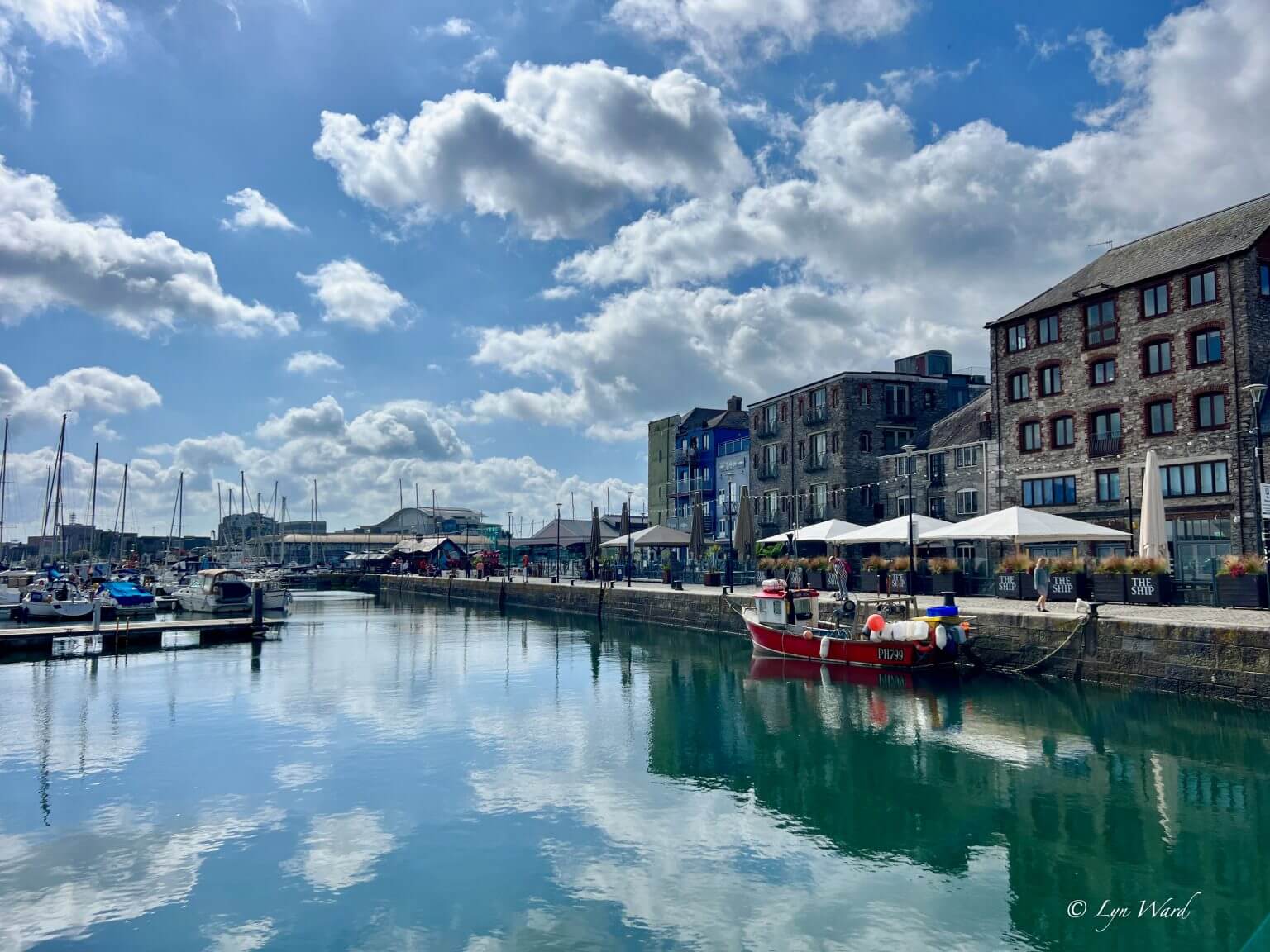
The Barbican contains the largest concentration of cobbled streets in Britain, a street pattern that dictates where vehicles can stop, the size of drop-off points near Sutton Harbour, and the practical choice of small taxis or private transfers for exact, door-to-door service to sites such as the Mayflower Steps and the Mayflower Museum.
Historic docks and transport nodes at a glance
Sutton Harbour sits immediately alongside the Barbican’s waterside promenades, with quays and memorials clustered near pedestrianised lanes. The harbourfront’s layout — narrow lanes like New Street, tight turns and centuries-old cobbles — makes conventional large buses and limousines difficult to manoeuvre, so travellers often prefer private cars, 4‑seat taxis or compact vehicles for reliable pick-up and drop-off.
Key landmarks and their access notes
- Mayflower Steps — Memorial placed on the waterfront (1934); original stone steps are thought to lie beneath the Admiral Macbride pub.
- Mayflower Museum — Short walk from the quayside; bags and brief luggage are manageable on foot.
- Plymouth Gin Distillery (est. 1793) — Located within easy walking distance of the harbour; recommended as a stop on foot-based tours.
- Jacka’s Bakery — Britain’s oldest working commercial bakery, accessible via narrow lane approaches that favour pedestrian and small-vehicle traffic.
Getting around: taxis, transfers and the cobbled challenge
Because many of the Barbican’s lanes predate motor traffic, planning transfers matters. Drivers should be briefed on exact drop-off points; passengers with mobility needs benefit from pre-arranged vehicles that can provide an accessible seat and an agreed meeting location at the harbour edge. For visitors arriving at the train station or airport, a taxi will typically deliver you closer to the waterfront than public buses, but choosing a provider who knows local lane restrictions avoids wasted time circling for an exact spot.
Practical transfer options
| From | Typical time | Notes |
|---|---|---|
| Plymouth Train Station | 10–15 min walk or 5–8 min by car | Taxi drop-offs are usually at the harbour approach; expect narrow-street walking to final destination. |
| Plymouth Airport (regional) | 25–35 min by car | Pre-booked private transfer recommended for exact meeting point and luggage assistance. |
| City centre | 5–12 min by cab | Pedestrianised areas mean short walks from vehicle to waterfront attractions. |
Where to eat and what to taste
The Barbican’s food scene ranges from artisan bakers to casual seafood eateries. For a


