



 Türkçe
  English (UK)
  Русский
  العربية
  日本語
日本語  한국어
한국어  Magyar
  Español
  Čeština
  Svenska
  Português
  Ελληνικά
  Suomi
Suomi  Nederlands
  Română
  Italiano
  Français
  Polski
  Українська
  Deutsch
  简体中文
简体中文  Slovenčina
 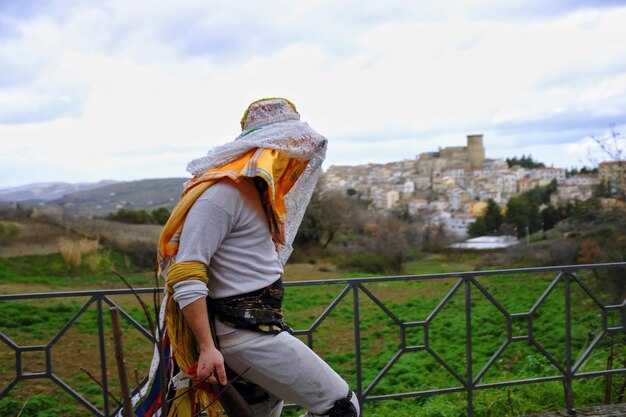 Top Things to Do in Granada – Sightseeing Attractions">

Start with the Alhambra at sunrise, buying çevrimiçi tickets first, then head to the Nasrid Palaces and Generalife gardens for a morning that sets the pace for your travel.
Then wander the Albaicín’s calle, where narrow streets curve toward viewpoints that frame the city and the fortress, making history feel present in every overlook where legends were whispered by locals.
Make a stop at alcaicería, Granada’s old silk market, to browse stalls, sample local bites, and pick up saffron or fried pastries while you absorb centuries of trade and culture.
Whereas crowds rush past the cathedral, take time to explore the surrounding squares, your favorite corners, and the nearby viewpoints that reveal a living, local rhythm across the old town; well worth a slow stroll.
Travel tips for planning: choose 2–3 solid options for your day, check schedules çevrimiçi, and consider a short guided option for context before you map a self-guided route across the historic center.
Nuestra guide notes that nicaraguan travel writers often spotlight Granada’s sunset from Mirador de San Nicolás as a can’t-miss moment–the view combining city and fortress is a true favorite for many, and a great way to end your day.
Alhambra: Tickets, Timings, and Access Tips
Book your Nasrid Palace slot in advance; this is a must, particularly in June when crowds are busiest and tickets sell out quickly.
The Alhambra in Andalusia is a complex of buildings with numerous courtyards and interiors; inside the walls you’ll find the Nasrid Palace, the Alcazaba fortress, and the Generalife gardens. To craft a complete day, plan to visit more than one area, and stay flexible with your schedule. nasrid remains a particular favorite for its intricate decoration and historical significance.
Tickets and Timings
The complex opens at 8:30 and closes around 18:00; the last entry is typically around 17:00. Nasrid Palace time slots are fixed and printed on your ticket, usually starting at 8:30 with 30‑minute intervals through the day, up to about 14:30–15:00 depending on the date. General tickets cover the main buildings and gardens; a General + Nasrid Palace ticket is required to access the Nasrid Palace itself.
Prices vary by season and type, with June being especially busy. Booking online carries a small fee and allows you to use a mobile pass or print your ticket. If you are staying in Granada, plan to stroll through the vicinity after your visit; many travelers list the Alhambra as a favorite day out in Andalusia. In maps you may see references to Casa and other historic structures around the grounds. To have a complete experience, allocate time to walk through the numerous courtyards and corridors; the site feels continuous even though it is a complex of separate buildings.
| Bilet Türü | Erişim | Price (EUR) | Notlar |
|---|---|---|---|
| General | Grounds and buildings except Nasrid Palace | 14 | Nasrid Palace not included; buy add-on if desired |
| General + Nasrid Palace | All areas including Nasrid Palace with booked time slot | 28 | Nasrid Palace time printed on ticket; arrive early |
| Evening/Noche | Limited late-hours access to similar areas | 9 | Availability varies; check online |
Prices are indicative and can change by season; booking fees apply online, and you can use a mobile ticket or a printed version. If you are staying in Granada, the Alhambra makes for a popular day out in the vicinity of the city, and many visitors consider it a favorite way to immerse themselves in Andalusia’s history.
Access Tips and Practicalities
Plan your route to minimize walking and take breaks to rest your body; the road climbs the hill, and the site is busy throughout the day. Arrive 15–20 minutes before your Nasrid Palace slot to pass security and reach the entrance on time. Bring only essentials; avoid plastic bags and bulky items at the security checkpoints, and carry a reusable bottle because hydration is essential in the heat. Inside, the complex has numerous stairs and uneven surfaces, so comfortable footwear is a must. If you are staying in Granada, use the nearby bus lines or a taxi to reach the main entrance, as the road to the site can be busy in peak season. For accessibility, inform staff in advance and follow the posted routes inside the buildings to reach the Nasrid Palace and other areas at a manageable pace.
Granada Cathedral and Royal Chapel: Ticketing, Highlights, and Guided Tours
Buy the combined ticket online to skip lines and save time.
Two linked sacred spaces sit in the historic center and are a national treasure for visitors looking to trace Granada’s layered past. The Capilla Real houses the tombs of the católicos monarchs, including Isabella I, behind an ornate screen, making this stop a favorite for history buffs and romantics alike. The cathedral itself is a historic Gothic-Renaissance masterpiece, with a grand nave filled with light, chapels, and an intricate altarpiece. Access is open to most spaces, though some rooms require stairs; plan for a slightly longer visit if you want to see every corner. A single sign marks the route to the royal chapel and the cloisters, and security checks are straightforward and safe. For a perfect visit, pair your tour with a stroll to nearby cafés or a quick taxi ride back to your hotel after you finish; the climb uphill rewards you with gorgeous city views, and the experience remains a favorite for many looking to soak in Granada’s religious and royal history.
Ticketing and Access
- Online combined ticket for Granada Cathedral and Capilla Real; choose a single entry or bundled plan and use a mobile ticket or printout (open access to both spaces on the same day).
- Opening hours and tickets: typical hours run late morning to late afternoon; last entry usually about an hour before closing; Sundays and holidays may have altered schedules–always check the official site before you go.
- Prices and discounts: adult tickets start at a modest price; reduced rates for students, seniors, and children; some free hours may apply on certain days; the combo often saves some money compared with separate entries.
- Access: most areas are on ground level, but some spaces involve stairs; uphill walk from the old town center is common–allow extra time if you’re not planning to rush.
- Facilities and flow: clear signs guide you through the spaces; cafés nearby for a quick café break; a taxi stand is convenient if you’d rather not walk back after the visit.
- Tips: arrive early to avoid crowds; keep valuables secure in busy hours; the site is generally safe and well lit in daytime hours.
Highlights and Guided Tours
- Capilla Real: tombs of Isabella I and Ferdinand II (the católicos monarchs) lie here, framed by a refined altarpiece; the space feels historic and solemn.
- Cathedral interior: a grand nave with towering arches, Renaissance choir stalls, and intricate decoration create a gorgeous setting rich in religious significance.
- Art and inscriptions: look for arabic-influenced details and the layered storytelling of Granada’s reconquered past; the atmosphere is romantic and contemplative.
- Guided tours: official English-language guides or private options provide context about the Capilla Real tombs, Isabella’s story, and the cathedral’s construction; tours typically last 60–90 minutes and cover the main spaces plus restricted areas when available.
- Planning and pairing: a typical route covers the main nave, chapels, and Capilla Real; consider combining with a visit to nearby monastery spaces or the Sacromonte caves for a broader sense of the area’s religious and cultural layers.
- After the visit: you’ll find national heritage signage and pedestrian routes that lead back toward cafés or viewpoints; taxis are handy if you’re ready to head back uphill to your hotel.
Albaicín & Mirador de San Nicolás: Walking Route, Best Vantage Points, and Photo Tips

Start at Mirador de San Nicolás at the early light hour to capture the Alhambra glow as the Albaicín’s white buildings emerge in soft shadow. If you go later, the mood shifts to warmer tones and crowds were thicker, so plan carefully.
Walking route: From the mirador, descend the cobblestone lanes into the heart of the barrio. Follow Calle Calderería Nueva toward the Alcaicería bazaar, where numerous stalls offer goods in a lively combination of color and texture. Avoid the wrong turn into a dead-end alley by sticking to the main lanes until you reach Plaza Nueva, then descend toward the Darro river and stroll along Paseo de los Tristes for a quiet overlook of the Alhambra. The loop takes about an hour at a relaxed pace, and you can extend it today or on the next weekends if you linger for photos.
Best vantage points: Mirador de San Nicolás remains the classic frame with the Alhambra rising above a sea of white buildings; San Miguel Alto offers a broad panorama from the opposite hillside; and the Paseo de los Tristes along the Darro provides reflective shots with the skyline. A courtyard with abbey-like arches adds a timeless vibe, while numerous balconies and arches on the route give a grand rhythm to the composition.
Photo tips: Shoot during golden hour, blue hour, and night to capture a variety of moods. Use a small aperture to keep the distant fortress and close walls sharp; carefully place foreground elements–lanterns, doors, or a street cat–to frame the Alhambra. The combination of arches, white walls, and red tiles creates fantastic contrasts; if you shoot at night, allow for a longer exposure to smooth the Darro’s water and bring out the lamps. For stock ideas today, trejoshutterstock offers reference frames that match this look.
Practical notes: The area is pedestrian and the cobblestone streets demand comfortable footwear. Start early to beat crowds, especially on weekends; tickets for Alhambra visits must be booked in advance, and today is a good day to compare slots. After the walk, grab a burger at a nearby cafe to refuel. The route showcases a variety of scenes–from grand façades to intimate courtyards–along walls and jardines tucked behind arches.
Sacromonte Caves: Flamenco Nights, History, and Practical Visiting Tips
Book a Flamenco night at Sacromonte Caves and arrive 30 minutes early to secure a favourite seat; the cave acoustics amplify each note, the performers’ sonrisas flash through the dim, and the night feels intimate, especially if your tickets are booked.
Historically, the caves were carved under the hill by Romani communities as living spaces and wine cellars. In the 19th and early 20th centuries they became intimate venues for cante and baile, creating a distinctive style where flame and echo merge with the dark walls. The setup remains largely unchanged, preserving a real sense of place. william appears in many guided notes, and a quick chat after the show adds local context. источник
Practical tips: wear comfortable shoes because floors are uneven and the stairs are steep; the spaces are dark and sometimes damp, so bring a light layer as temperatures stay cool. Costs for a show range roughly 20–30€ with drinks or tapas extra; tickets can be limited, so book ahead to avoid missing your slot. For sightseeing, stay in or near the Sacromonte or nearby Albaicín area to keep your evening compact and enjoyable; if you are travelling as a couple, you’ll appreciate the intimate atmosphere and easier photos together. The rhythm often feels connected to broader flamenco roots that cross the americas. After the show, walk back to your hotel along well-lit routes; staying in the Montaña area makes this safe and convenient.
Tapas and Local Eats: Top Bites and Where to Start
Begin at calle Navas in the center, where stone-paved streets lead to traditional bars that serve a drink with a tapa. If your accommodation is near the center, you can hop between those spots on foot, since distances are short and the vibe stays lively. Throughout the citys quarters, locals and tourist share plates; on monday evenings, options expand and many spots stay open into the night. For a smoother start, pick two closely spaced bars and move on when flavors change.
Must-try bites and where to order them
Patatas bravas with spicy tomato sauce, boquerones en vinagre, tortilla española, berenjenas con miel, croquetas de jamón, and jamón ibérico are reliable starting points. Those bites pair well with a glass of vermut or a light local white. In the modern center, you’ll find occasional twists like grilled octopus with paprika or espuma de Manchego, offering variety without leaving the core Granada experience. Look for bars whose tapas rotate daily, so you can sample different combinations throughout the stay. For another variation, seek a bar that serves a small plate of manchego cheese with aceitunas.
Two routes: center and albaicín for a balanced visit
Begin in the medieval center, where the center’s stone streets converge at plazas and calle corners whose signs point to landmarks. From there, stroll into the albaicín, a steep quarter whose white houses and narrow calle give you a sense of the citys history. The surroundings change from robust, classic options to lighter, modern twists as you go. Plan two or three stops in each quarter to avoid overload, since the best bites often come from small, family-run places with limited seating. If you’re visiting in peak months, book ahead for a table in a popular place, especially on weekends; otherwise you’ll find alternatives available within a short walk.
Yorumlar