
Tokyo Haneda International Airport (HND) Departures - Flight Times & Terminal Guide
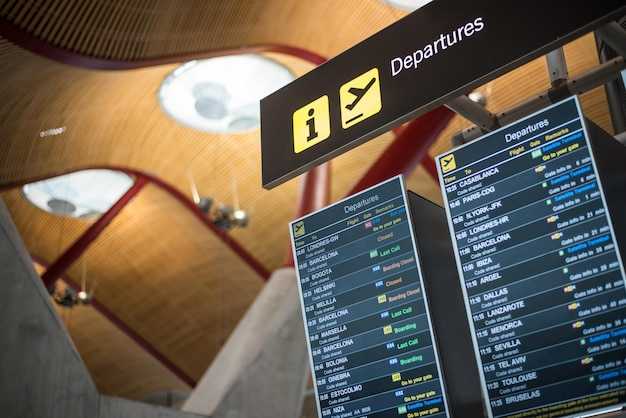
Arrive 3 hours before Tokyo Haneda international departures and check in through the airline counters or self-service kiosks to save time.
Terminal guidance is straightforward: international flights go through Terminal 3, while Terminals 1 and 2 handle domestic routes. Here you’ll find clear signs, real-time flight times, and maps to help you move efficiently.
During peak mornings and evenings, the busiest lines form near security; use the kiosks to print passes, drop bags, and proceed to the appropriate counters. Local staff and airline teams are ready to help if you’re unsure where to go.
Keep your booking code handy and start checking status early. If delays or cancellations were announced, compare options and book the next available flight through the app or at the counters.
Here’s a practical approach: review flight times soon after you book, compare price options across airlines, and stay flexible for unexpected changes. If you’re flying from Japan, monitor the forecast and ground transport to avoid last-mile delays.
Price transparency matters: watch price swings, understand each airline's policies, and know where the counters and kiosks are to move through security without stress. Local carriers often offer faster check-in with dedicated queues.
In short, plan every step, move through Haneda over the course of your day, and be prepared for delay or last-minute shifts. Here you’ll find a smooth flow if you keep the basics in mind: arrive early, check in, and head to your gate.
HND Location and Access: How to Reach Tokyo Haneda for Departures
Take the Tokyo Monorail from Hamamatsucho to Haneda for departures: fast, predictable, and the simplest starting point to reach all terminals. The ride runs every few minutes and takes roughly 15 minutes, depending on your terminal assignment, and drops you at Terminal 1, Terminal 2, or the International Terminal complex.
Alternatively, use the Keikyu Line from Shinagawa or Yokohama; trains run frequently, and the trip to Haneda takes about 20 minutes to the international area. Keikyu services operate from early morning until late night, with minimal transfers between stations and the airport, making it a solid alternative depending on where you’re staying.
If you drive, plan parking ahead: three main parking structures serve the terminals, and you will find assigned spaces close to your departure area. If you already know which terminal you’ll use, follow the signs to the left toward the correct lot, then head to curbside bag drop or the terminal entrance.
Airport buses (Limousine) connect major hotels to all terminals; boarding is straightforward at the hotel pickup area, and tickets are available on the website or at the counter in the lobby. This option helps you avoid traffic and arrive relaxed for boarding.
For travelers without a fixed plan, use this website to check schedules and gate information; if delays arise and you feel distressed, real-time updates help you adjust and boarding remains smooth without checking every minute.
Haneda is one of the busiest airports for flights and departures, yet the layout is intuitive, and there are clear highlights: dedicated security lanes for international flights, separate departures areas by terminal, and ample signage. If you already know your terminal, you can move quickly between gates and avoid extra walking.
As an alternative to Haneda, Narita remains a common option for long-haul flights year-round, with direct buses or trains linking the two airports. Depending on schedules and traffic, travel between Haneda and Narita can take 60–90 minutes, so plan ahead for connections and check travel times on their website. If your trip includes flights from Narita, factor in the transfer when scheduling your departure from HND.
Departures Terminals at Haneda: Which Terminal Handles Your Flight
Check your tickets and airline to confirm the terminal. For most international departures, Terminal 3 handles the departures, but a few carriers operate from Terminal 1 or Terminal 2 depending on the season and schedule. Verify via your airline app, the airport monitors, or icao guidance as stated by authorities to avoid frustration. Haneda is among the busiest airports, with a dense network of carriers serving destinations at airports around the world.
Terminal 3 is the primary international departures hub at Haneda. It consolidates check-in, security, and boarding in clearly zoned areas, with signage guiding you from arrivals to departures. If your ticket lists Terminal 3, you can expect most processes–check-in, security, and boarding–to unfold in one streamlined flow. The layout favors high-volume departures, especially during the busiest times and peak season.
If your itinerary shows Terminal 1 or Terminal 2, those locations are mainly for domestic departures, with some international services by select carriers during seasonal schedules. Always confirm with your carrier and rely on the airport monitors, since departures can switch terminals on short notice.
How to confirm quickly
- Open your airline app or website to view the terminal and gate for your flight.
- Check your tickets for the terminal designation and departure location, then trust the airport screens for any last-minute updates.
- If youre unsure, check the official Haneda map and ask airport staff for guidance to the correct departures concourse.
Practical tips for a smoother experience
- Arrive early, especially during peak season and at the busiest times; allow extra time for security checks at Terminal 3 or the relevant terminal.
- Keep your tickets and approved boarding pass handy, and have your passport ready for security and boarding procedures.
- Monitor the signs and the departure boards; they indicate the terminal, locations, and gates for departures and boarding.
- Communicate with your carrier if you face changes; most updates appear on screens and via push alerts.
- Signage is multilingual, aiding you in navigating those locations and reducing frustration.
Note: Haneda's terminal layout is designed with significant emphasis on international security and smooth boarding flows; plan for the possibility of terminal shifts even for confirmed tickets, and rely on those sources you trust to stay informed.
Reading HND Departure Times: Real-Time Schedules by Terminal
Use the official Tokyo Haneda flight status by terminal to read HND departure times in real time. The data is provided by RJTT and displayed on the airport boards and the tokyo-haneda app. The boards are located in each terminal near the security area, and they show destination, scheduled time, gate, and current status. If you see cancellations, contact the airline for the next option. Terminal 3 handles most international departures, while Terminal 1 and Terminal 2 handle domestic flights; always verify which terminal your flight will use, since schedules can shift.
Terminal-Specific Live Boards
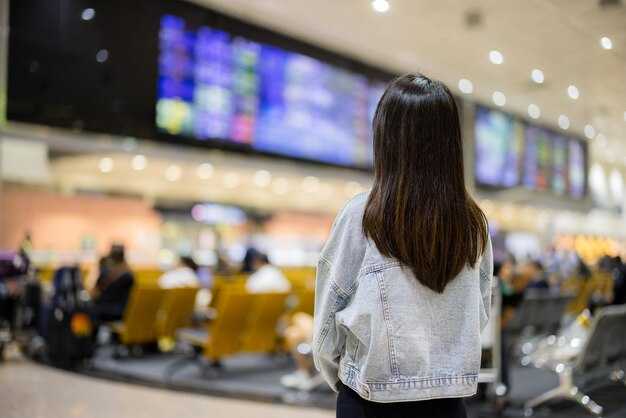
Start by selecting Terminal 1, Terminal 2, or Terminal 3 on the official status page to avoid mixing times. The status column indicates on time, boarding, delayed, or cancellations. For best results, compare the local departure time with the airline notice and note the board’s update timestamp; the feed is provided with frequent refreshes to reflect changes.
Practical Tips for Real-Time Reading
Set alerts on the tokyo-haneda app so you are advised of gate changes and delays. If a flight passes its boarding window without departure, check with the airline for an approved rebooking or a nearby alternative from the same terminal. When you’re local and moving between terminals, use the airport shuttle or walking routes; most connections stay within a 15–30 minute window depending on gate distance. If a cancellation occurs, identify an alternative to minimize setback and stay flexible with your plans, keeping your options open for a smoother stay around RJTT. If you’re coming from outside Tokyo, acknowledge that some flights may relocate to a different terminal, and the live board will show which one.
Check-In Counters and Baggage Drop at Haneda Departures
Recommendation: Arrive at least 3 hours before international departures at Haneda and go directly to the designated check-in or baggage drop area to secure your boarding pass and tag your bags. This keeps your plans clear and helps you avoid unexpected delays that could affect your vacation.
In the departures hall, follow Check-In and Baggage Drop signs. At Haneda, rjtt signage directs you to counters organized by major carriers in Terminal 3. Look for the closest locations on the map and ask staff for directions; the flow can shift during busy periods above the main floor.
Timing: counters close 60-90 minutes before departing international flights, depending on the airline. If you’ve completed online check-in, you can use the dedicated baggage-drop desks to save time. Some airlines offer self-service bag drops; these kiosks print your label and guide you through the drop process.
What to have ready: your passport, visa (if required), boarding pass (print or mobile), and the luggage tags provided at check-in. Have any required hotel or visa documents handy if traveling with family, and verify your airline’s options before you travel.
Some travel packages or hotels near the airport offer discounts on baggage handling or transfer services when booked together.
Bag drop details: tag each bag at the counter or drop desk, attach your boarding pass, and proceed to security. If you depart from Terminal 3, the baggage drop area is near the departures entrances. If you left a tag or need to reprint one, staff can assist at the service desk. For travelers staying at nearby hotels, many hotels offer luggage storage or shuttle options to speed up your airport routine; you can coordinate with them in advance.
In case of a storm or unexpected delay, expect longer lines and possible rescheduling. Airports advise arriving early and tracking flight status via the airline app or airport boards; if a delay affects your check-in time, contact the check-in desk for a new cut-off or a rebooking option. The staff are trained to handle concerns and will guide you through available options to minimize impact on your trip.
Security, Immigration, and Boarding Procedures at HND
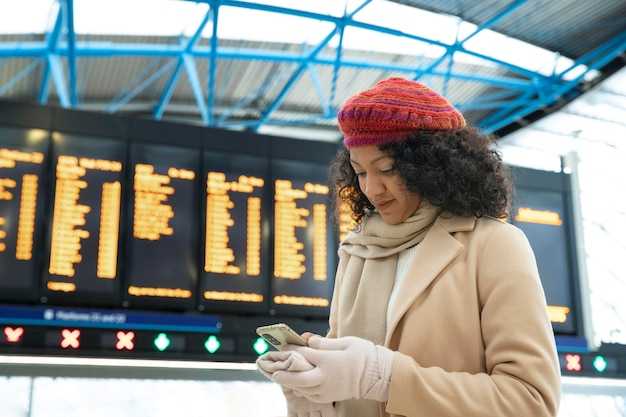
Arrive at least 3 hours before international departure to ensure a smooth flow through security, immigration, and boarding. Depending on the day and time, security lines can be longer during peak hours, and immigration queues may rise during holidays, so plan for the busiest windows. HND handles about a million international travelers each year, and the increasing crowd means preparation pays off. Have your passport, visa (if required), boarding pass, and hotel or contact details readily available to stay on track in an easy-to-reach place (источник: official advisories).
Security screening requires compliance with liquids rules (100 ml per item in a single transparent bag) and a quick scan of laptops and large electronics. Remove metal objects, belts, and bulky accessories to speed your progress, then follow signs to the security checkpoints. After security, proceed to immigration and present your passport and entry documents. If you are eligible for automated gates, use them to save time; otherwise be prepared to see an officer. In japan, travelers often benefit from pre-filled arrival or departure cards where applicable, so check your airline site for specifics.
For immigration, have your passport, visa (if required), and any arrival card ready. Look for counters or automated kiosks that match your nationality, and follow the screens for any secondary screening if requested. Once cleared, head to the concourse and locate your gate using the boarding screens or the airport map search to confirm directions. If you cannot find your gate, ask staff rather than wandering; where you are in the terminal, staff can point you to the fastest route. Disruptions can occur unexpectedly, so give yourself extra time; coming disruptions soon should be accounted for, and you can still stay on schedule by moving quickly and staying calm.
Speeding up the process
Tips to speed things up: pack light, keep liquids in a single bag, have your boarding pass and ID easy to reach, and wear slip-on shoes for easy removal. If eligible, use automated gates and follow staff directions if redirected to a manual check. Use family lanes if available and follow signs to the correct concourse. With a clear plan, you can navigate the security, immigration, and boarding steps without stress, even as passenger numbers rise in japan and remain a common topic in traveler activities over the years.
Lounge Options, Food, and Pre-Flight Amenities in HND Departures
Book lounge access in advance to guarantee a calm start at HND departures, especially during the busy summer season.
In Terminals 1, 2, and 3 you’ll find airline lounges and independent pay-per-use spaces. Those with qualifying carrier status should check which lounges they can access; travelers can book day passes or use a lounge network like Priority Pass. For those with tight connections, disruptions, or coming flights, staff can advise on the best options that are approved for use during layovers. Being prepared helps those coming flights stay comfortable.
Lounge Options at HND
- Airline lounges in Terminals 1, 2, and 3 offer quiet zones, refreshments, and workspaces; check which carriers grant access and whether your class or status qualifies. For years travelers have sought comfortable spaces, and during peak travel periods booking ahead helps.
- Independent lounges and pay-per-use spaces welcome visitors with a lounge pass; booking in advance reduces the risk of being turned away during busy hours.
- Access can come via status, a day pass, or a general access pass; verify at the lounge desk or through the lounge network site. Pass holders should carry the pass and boarding pass, as staff may request them at entry.
- If your route includes narita, verify timing so you can relax before the next leg.
- In multi-terminal halls, check the departures board and ask staff where to find the nearest lounge; you should be able to access one without feeling distressed during disruptions.
Food and Pre-Flight Amenities
- Dining options span Japanese and international cuisines, with lounges offering hot meals, fresh selections, and seasonal menus. Expect coffee, tea, soft drinks, beer, and sake in many lounges; menus may shift with the season.
- In the terminals you’ll also find a variety of airport restaurants and grab-and-go counters for travelers who prefer to sample local specialties before boarding.
- Pre-flight amenities include showers, quiet zones, nap rooms, comfortable seating, reliable Wi‑Fi, charging stations, and work desks to stay productive or rested before your flight.
- Use the lounge’s business services and printing facilities if you need to print boarding passes or maps; staff can point you to the closest facility if you’re short on time.
- During busy periods, you might face a setback in access; you are advised to arrive early to find a seat and avoid disruptions. If you’re distressed by long lines, consider a fast-track option if available.
Getting to the Airport: Ground Transport, Airport Access, and Connectivity from Tokyo
Take the Tokyo Monorail from Hamamatsucho to Haneda Terminal 3 for the fastest, most predictable start to your trip to RJTT (ICAO code RJTT). Three main routes connect central Tokyo to the airport: rail, bus, and taxi/ride-hailing. Tickets can be bought in advance or at station machines, and a prepaid IC card makes transfers easier. If you’re staying in Tokyo for several years or making multiple trips, a single card streamlines access to terminals and vehicles. When advised of disruptions, check official operations notices to pick the path with the fewest delays.
Rail and Monorail Access
Rail options offer reliability and simple transfers. The Tokyo Monorail from Hamamatsucho delivers about 15–20 minutes to Haneda, with terminals 1, 2, and 3 accessible from the same line. The Keikyu Line from Shinagawa provides a direct link in roughly 13–20 minutes, depending on service. Tickets typically run in the 470–660 JPY range, and you can upgrade to convenient combinations or passes where available. For travelers expecting tight connections, the Monorail’s Terminal 3 stop is a convenient hub for international flights, and all major carriers mark self-check-in and baggage drop areas clearly near the gates. If you’re collecting luggage, plan to arrive at least 90 minutes before departure to ensure smooth security flow.
Road Access, Parking, and Airport Services
Airport limousine buses connect many city centers and hotels to Haneda with a 40–60 minute window, depending on traffic, and fares typically range from 1,000 to 2,800 JPY. Taxis and ride-hailing options provide door-to-door service with an estimated 40–60 minute trip from central Tokyo and a cost around 8,000–12,000 JPY, subject to traffic and surcharges. On-site parking spans the terminal-area facilities (P1, P2, P3) with varying rates; advance booking helps guarantee a space during peak periods. If you’re staying near the airport or need flexibility for a late flight, reserved parking is a practical choice. For those with concerns about bags or equipment, some carriers offer curbside drop-off and dedicated lanes at Terminal 1, 2, and 3, which can save time during peak operations.
| Option | Typical duration | Approx. fare / cost | Access points | Notes |
|---|---|---|---|---|
| Tokyo Monorail (Hamamatsucho to Haneda) | 15–20 min | ~570 JPY | Terminal 1, Terminal 2, Terminal 3 stations | Direct rail link; reliable during peak times; good for luggage with compact transfers |
| Keikyu Line (Shinagawa to Haneda) | 13–20 min | ~410–660 JPY | Haneda Term 1–3 | Direct access; options vary by terminal; handy for transfers to JR lines |
| Airport Limousine Bus | 40–60 min | 1,000–2,800 JPY | City centers and hotels | Great for groups or heavy luggage; check schedule for late-night service |
| Taxi / Ride-hailing | 40–60 min | 8,000–12,000 JPY | From anywhere in Tokyo | Door-to-door, convenient with equipment; consider prebooking for peak periods |


