



 Türkçe
  English (UK)
  Русский
  العربية
  日本語
日本語  한국어
한국어  Magyar
  Español
  Čeština
  Svenska
  Português
  Ελληνικά
  Suomi
Suomi  Nederlands
  Română
  Italiano
  Français
  Polski
  Українська
  Deutsch
  简体中文
简体中文  Slovenčina
  Tinos Ferry Guide – Schedules, Routes, Tickets & Travel Tips">

Book ahead for Rafina–Tinos or Paros–Tinos crossings this peak season to guarantee a seat between Athens and the Cyclades. Having your ticket secured lets you plan the rest of your yolculuk with confidence. Because ferries in July and August often sell out, check schedules online 14–21 days in advance and aim for early morning or late-afternoon departures to avoid crowds year-round.
There are two main routes: Rafina–Tinos and Paros–Tinos. Alternatively, you can connect via Mykonos or Syros on a multi-stop itinerary. The fastest ferries cover Rafina–Tinos in about 2.5–3 hours; conventional ferries take 4–5 hours; travel times vary by vessel and sea state. Operators adjust year-round with quieter winters and more frequent summer runs.
Ticket prices commonly start around 20–40 EUR one-way on conventional ships and 40–70 EUR on high-speed services, with discounts for children and groups. Online booking offers seat selection and a smoother check-in. If you plan a long yolculuk, consider a cabin or lounge pass for comfort; some routes have open-air seating that makes sunsets memorable, especially on the Paros–Tinos leg. Fact: some ferries offer free Wi‑Fi and onboard snacks; check before you buy.
When visiting Tinos, plan for a pilgrimage angle at Panagia Evangelistria, home to the Virgin Mary icon and a focal point for believers. The island also shines for its wine and local cheeses. For sunsets along the coast, head to Chora or the southern beaches; many visiting hours and markets align with ferry arrivals. If you’re considering a yolculuk from Athens in any year, a short two-stop option via Paros makes for a pleasant detour, and locals sometimes call the shorter connections the tinian routes.
Practical tips for a smooth yolculuk: prefer Rafina when you want the fastest Athens connection; alternatively, sail from Piraeus if you need more onboard options or weekday services. Arrive at the port 60–90 minutes before departure in peak season and 30–60 minutes in off-peak months. Bring cash for port fees and snacks, and reserve a sea-view seat on the Paros–Tinos leg if you can. Visiting wine bars in the Hora area after a ferry lets you unwind before your yolculuk continues to the island’s sunsets ve visiting spots.
Tinos Ferry Schedules, Routes & Tickets: Plan Your Trip
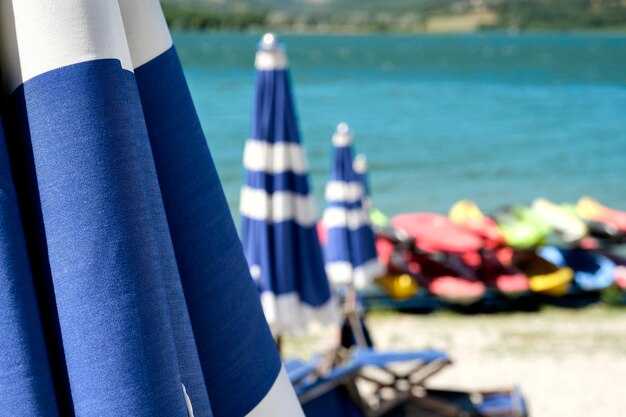
Starting your trip, book your june crossings 1–2 weeks in advance to secure seats.
Ferries connect Rafina and Mykonos to Tinos’s Chora port, with Piraeus as a longer option. Typical durations: Rafina–Tinos 2.5–3 hours on standard ferries, Mykonos–Tinos 1–1.5 hours on high-speed services, and Piraeus–Tinos 3.5–4.5 hours on conventional ships. In june, expect more departures, often 4–8 daily from Rafina and 2–6 from Mykonos, peaking in the late morning and late afternoon, when most island-hoppers plan their routes. You can also catch sunsets from waterfront viewing spots after you land.
Key routes to plan around: Rafina↔Tinos and Mykonos↔Tinos, plus occasional connections via Paros or Naxos on slower ferries. Use google maps to confirm exact port names and embarkation points; search for the latest schedules and check operator pages for current routes. Maps show the location of the ports and help you estimate transfer times between the terminal and the evangelistria area or the town center. If you want to maximize sunsets, aim for a late-afternoon arrival to catch the sunset over the picturesque harbor.
Tickets and pricing: buy online through operator sites (Blue Star, SeaJets, Hellenic Seaways, Golden Star) or trusted aggregators. Tickets come in standard, flexible, or non-refundable options, with prices roughly from 25–40 EUR one-way for short hops (Mykonos↔Tinos) to 50–75 EUR for longer Rafina↔Tinos legs in peak june. High-speed services demand a premium seat but save time. Reserve seats in advance, and arrive at least 30 minutes before departure at the port. Lastly, carry a valid ID for boarding.
Visiting tips: plan to see Panagia Evangelistria, the island’s revered church, located near the Chora harbor. From there, explore the tinian lanes, hillside villages, and a few pebble beaches along the coast. Use location-based maps to map a route from the evangelistria site to a sunset overlook by the sea. Those who love photography will enjoy capturing sunsets over the town as boats return to the quay. For a broader feel of destinations, add Pyrgos and Triantaros to your day, and consider a short ride to Agios Sostis for a calmer beach stop in june. Lastly, a quick google search can yield informative picture galleries that help you plan your day around the best locales.
For wider island hopping, note that athinios is the port for Santorini, and some itineraries link Tinos with other Cyclades by circling through Mykonos or Paros before heading to Santorini. Use this to extend your stay if you have time between ferries.
Best Time to Visit Tinos: Weather, Crowds & Ferry Availability
Plan your visit in june or september for the best balance of sunny weather, comfortable crowds, and reliable ferry options.
According to contents from local tourism data, june and september offer the most favorable combination of climate, visitors and ferry availability. In june, daytime highs reach about 28-30°C, nights around 18°C, and sea temps near 20-22°C. July and august bring hotter days (30-32°C) with strong sun, and crowds peak on weekends and during the mary pilgrimage. May and september deliver pleasant 23-28°C days with thinner queues. For sunset lovers, Pyrgos and the coast near Kolimbithra provide reliable evening views. The mary shrine hosts a pilgrimage around mid-august, drawing extra visitors and impacting ferry demand; plan accordingly. If you want to live like locals, choose stays in the central town near the port and mix beach days with visits to markets. After a long day, a stroll along the waterfront makes a perfect close.
Ferry availability and booking tips
Ferries connect Tinos with Athens (Rafina and Piraeus), Mykonos, Paros and other aegean islands. In june–august, high-speed services run every 2-3 hours on Rafina–Tinos and Mykonos–Tinos; standard ferries take 4-5 hours from Rafina and longer from Piraeus. Shoulder seasons reduce frequencies, with departures spaced every 3-6 hours. Booking ahead saves time, especially around the mary pilgrimage and weekends. Check live timetables and set booking alerts to catch the next available sailing. If you’re combining with a day trip to folegandros, plan the sequence to align with the next ferry. For travelers arriving by air, note that Tinos has a small airport, but most visitors arrive via nearby airports and transfer to a ferry; plan 2-3 hours between landing and the last sailing. Arrive at the port well before departure to avoid missing a ferry, and enjoy a star-filled sky after a happy day on the aegean island.
Is Tinos Right for You? Key Factors to Consider
Yes–Tinos is ideal for travelers craving a relaxing island escape with reliable routes and a central base. Located in the Cyclades, it belongs to a world-famous pilgrimage circuit anchored by the Church of Panagia Evangelistria. Athens, the capital of Greece, serves as a practical gateway; from Athens you can reach Tinos by a short flight or a longer ferry ride. Your itinerary will belong to a relaxing pace over several days, with space for markets, hills, and sea views.
Who should consider Tinos

- You want a relaxing, authentic Greek island experience rather than a party scene.
- You value a predictable ferry network with easy routes between nearby islands.
- You need a central town with good access to the port, buses, and markets.
- Tourism interests include culture, gastronomy, hiking, and world-famous religious sites.
- You don’t mind occasional waiting times during peak weekends and you are prepared for last-minute changes in schedules.
- You’d like to combine island downtime with short trips to volax and/or nearby thira for contrast.
- You’re planning a longer visit or a multi-stop itinerary in the Cyclades.
Practical planning tips
- Tickets and payment: buy tickets online when possible; most operators accept payment by credit card and other major methods.
- Timing: late spring or early autumn offer comfortable weather with fewer crowds, while summer ferries run more frequently.
- Getting here: compare routes from Rafina or Piraeus to Tinos; alternatively consider which routes connect to nearby islands.
- Where to stay: pick a central location near the port to minimize transit and enjoy easy access to shops and taxis.
- What to expect: waiting times are reasonable when you book ahead; during peak days, reserve tickets and seats.
- Budgeting: plan for a mix of tickets, on-site purchases, and optional tours to balance costs.
- Family-friendly notes: the island’s flat paths and relaxing beaches make it suitable for a calm family break.
- If plans shift: use alternatively routes or times so you can stay flexible and still enjoy central sights.
Santorini Port & Tinos: Port Descriptions, Services & Island-Hopping
Port descriptions and services
Starting at athinios Port gives the best start for island-hopping around the Cyclades. For holidays, book early ferries to Paros or Tinos to maximize time. Their schedules vary by season, so check routes and connections a few days ahead; experienced operators run direct and multi-stop crossings, with some very quick hops in peak months. If you prefer speed, consider a high-speed catamaran service, then continue your trip by flights from the island’s airports, or reverse the plan. This approach is definitely recommended for busy periods. Alternatively, you can combine a day on Santorini with a quick hop by air to align with your preferred pace. Consider direct routes to such destinations as Paros and Tinos.
Athinios Port sits on Santorini’s southeast coast, facing the caldera, with a long quay for standard ferries and a second pier for high-speed services. The location puts waiting areas, ticket desks, car rental stalls, cafés, and clear wayfinding within easy reach. Outside, you’ll notice the rocky shoreline with boulders and black lava rock creating a striking, beautiful backdrop. You can reach the town center by a short taxi or bus ride, usually waiting a few minutes for the next departure.
Island-hopping tips
Inside the terminal, you’ll find ticket desks, luggage handling, and their staff ready to help, plus lounges, cafés, and multilingual counters. Look for shuttle buses and taxis that connect you to Fira, Oia, or the port’s parking areas. For those arriving from abroad, the proximity to Santorini’s main airports makes the transfer easy, and connections back to athinios are listed in detail on operator sites and google.
Island-hopping options from athinios cover Paros, Naxos, Mykonos, and Tinos. Routes run on conventional ferries and on high-speed services, with timings shown in detail on operator pages and google maps. Anyone planning a multi-stop trip should map a logical sequence to minimize backtracking; some crossings require a change at a central hub, which is convenient for short connections. Schedule changes occur, so check closer to holidays; then decide if you want a quick hop or linger longer on a given island. If you want a scenic stop, volax on Tinos offers a unique backdrop of boulders and quiet lanes you’ll remember.
Booking, Maps & Practical Travel Tips: How to Secure Your Ferry Tickets
Book ahead for August travel: reserve your ferry tickets two to four weeks in advance, because high-speedcatamaran options sell quickly and the process takes less time when you plan ahead.
According to the port authority, online booking is recommended and available 24/7. The official maps and ticket counters are located at the main port building, near the entrance, making navigation easy even if you arrive with a late flight. If you prefer in-person help, those counters open during core hours and close in the early evening; check the current hours on the site or at the terminal.
Alternatively you can buy at the counter, but online reservations save time and reduce queues. When you choose your travel time, consider the fact that the high-speedcatamaran takes less time than standard ferries, with those speeds shortening a crossing by about half. Pick your types of tickets for adults, seniors, children and groups, then review discounts and seating options in the next step.
Next, compare routes and photos of sunset views from the port; the picturesque quay offers views over virgin wine bars and calm seas, adding mood to your trip. If you are new to the island, check the port map to see where the terminal is located and where the ticket counters sit, then plan your stroll before boarding. Those who want a quiet moment can visit a nearby area where sculptors display works and you can take photos, before returning to the pier for boarding.
Lastly, confirm your reservation details: check the email or SMS confirmation, ensure the names match IDs, and verify the boarding time. A practical tip: keep your tickets accessible on your phone or print them as a backup; fact: mobile tickets are widely accepted, but a printed copy helps if you lose signal. Time your arrival to arrive at least 20–30 minutes before departure to avoid last-minute rushes. If you miss your original plan, you can use the next available high-speedcatamaran, which often has more flexible seating and better sunset views along the coast.
Yorumlar