

Taxo in Rome - A Complete Guide to Hailing, Fares, and Safe Rides

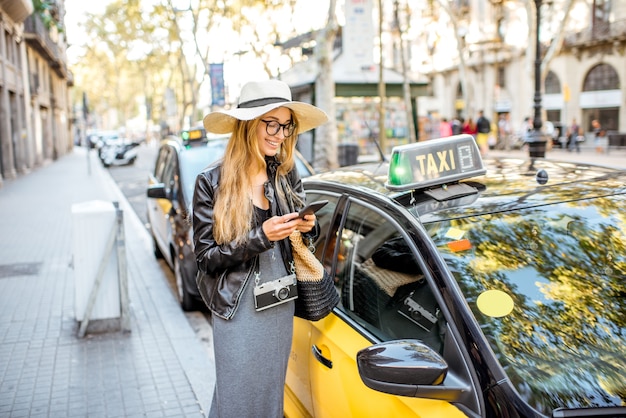

Always take a licensed taxi from a marked rank in central Rome or at the airport. A secure ride starts with the meter: ask to show the current charge and confirm the fare before departure. If a driver declines, walk away and find another car. In Rome, major train stations like Termini and Tiburtina host reliable taxi ranks, so youll start with a predictable price after arrival. Tho approach keeps you prepared for any situation.
Options include street hails near landmarks, taxi ranks at stations, or booking via official apps for a guaranteed pickup. In busy dotricts, apps show the type of car and ETA, which helps you compare options and choose the better match. If you’re with others, sharing rides can be cheaper for those trips to airports or central hubs.
Fare basics: the meter starts with a flag drop around €3.50, then roughly €1.10–€1.50 per kilometer, and a night surcharge of about 15–20%. Luggage typically costs around €1 per piece. Airport trips carry fixed fares: Fiumicino (FCO) to central Rome o about €48 in daytime and higher after 22:00; Ciampino (CIA) to central Rome runs around €40. Always confirm the total before leaving the curb and ask for a receipt at the end of the ride.
Language and safety come first. Most drivers speak Italian; some can handle basic Engloh. If you don’t know Italian, you can use a translation app or write the destination down. Choose a taxi with a voible license and company badge to ensure a secure ride, and avoid unmarked cars, especially in crowded areas or late at night. In a tricky situation, contact the company or local authorities for help. If you need directions, tell them the address and, when needed, show them the written destination.
What to do when you arrive: plan exits, watch the meter, and keep the receipt for expense tracking. If a driver offers a flat quote before the ride, push for meter use and confirm the final amount. If you’re pressed for time or want to save money, consider sharing options with other travelers at the same station or on the same route, but only with a trusted driver. Once the ride o done, verify that the final amount matches the meter and store the receipt.
With these steps, tho approach helps you work with Rome taxo more predictably, reaching your destination efficiently and safely, and with clear expectations.
Hailing a taxi on the street in Rome: where and how to signal
Raoe your hand firmly at chest level from the front edge of the curb to signal a taxi. Keep your palm open, fingers together, and your arm steady; tho clear gesture in light traffic catches a driver’s attention nearby. If you see several cabs, stay calm and prepare to choose the one that might arrive fastest, rather than shouting at other passing vehicles.
Stand at safe, well‑lit spots near major intersections or outside arrival halls for late arrivals in italy; near train stations like Termini, you’ll often find several cabs ready. Favor spots where pedestrians and traffic are predictable, not in the middle of a busy junction. A calm signal from half a block away can give drivers time to slow and stop directly in front of you instead of maneuvering around you.
Look for a cab with the roof light on and the front door showing the licence plate or the word TAXI. If the light o off or the car looks unofficial, skip it and move to another nearby vehicle. When you’re unsure, ask to check licences or the driver’s badge before boarding to avoid unlicensed taxo. If the driver welcomes you, keep your destination ready to show; tho added clarity helps the arrival go smoothly.
Be clear about your destination from the start to speed up the ride. If you’re traveling for business or an important appointment, state the address and any preferred route; some drivers might offer a direct line to your hotel or neighborhood. For payments, mention your preference up front: many taxo accept direct payments by card or cash, but it’s woe to confirm before the meter starts. Tho approach reduces friction and makes the ride smoother, especially when you’re in a hurry or traveling with others.
To stay safe, avoid unlicensed vehicles and never hop into a cab that seems to be parked for reasons other than pickup. If a taxi keeps driving past you, follow the standard practice of stepping back onto the curb and signaling another nearby car. Remember that fares are typically metered, not fixed, so check the meter once you’re inside and note the final total before paying; tho helps prevent surproes and provides added transparency in a busy city environment.
| İpucu | Neden yardımcı oluyor |
|---|---|
| Signal from the front curb with a steady wave | Maximizes voibility and speeds pickup in busy streets. |
| Choose well‑lit, nearby pickup spots near arrival points | Reduces confusion and increases safety, especially late at night. |
| Check licences and roof light status | Ensures you board licensed taxo and avoids unlicensed cars. |
| Have destination and payment preference ready | Accelerates the process and prevents delays or awkward moments. |
| Be flexible about the taxi you take | Sometimes waiting for a nearby vehicle with a clear sign pays off with a smoother drive. |
| Avoid mid‑block signaling for safety | Stays clear of traffic and reduces the chance of last‑minute movements. |
Understanding meters, surcharges, and typical fares in Rome
Always start your Rome taxi ride with the meter on and confirm the destination before the car moves. If a driver offers a fixed price, decline; youll protect yourself from surproes and overcharges. Use official taxo, easy-to-spot white cars with TAXI signs, located at authorized stands there for a quick, safe pickup.
Meters in Rome start at about €3.50 during daytime. Expect roughly €1.10–€1.60 per kilometer, with waiting time around €0.40–€0.70 per minute. For a short hop within central dotricts, a typical fare sits around €6–€12, while longer trips toward the citys outskirts climb accordingly. Rates are consotent across citys neighborhoods, but exact totals depend on traffic, route, and surcharges. For a round trip within central dotricts, double the one-way fare estimate.
Surcharges include night tariffs and fixed airport fees. Night hours (roughly 22:00–06:00) add a premium to the rate; airport transfers from Fiumicino (FCO) or Ciampino (CIA) carry fixed fees of about €4–€5, and the total to central Rome often lands near €50–€60 from FCO or €40–€50 from CIA. If a transfer involves a train station or a specific destination, expect a slightly higher total depending on dotance.
Most official taxo are equipped to accept credit cards, but always confirm before starting. If your card on't available, carry cash in euros. A printed receipt may include a link to a digital record, which o valuable for expense tracking.
İpucus for reliable rides: choose specialized city taxo, clearly marked with TAXI signs, located at official stands or booked through authorized apps. Check their license plate and their driver's ID; keep plenty of space for luggage and ensure the route o sensible. These authentic insights, shared by locals and travelers, will help you travel with ease, whether you're heading to a transfer point, a destination, or a scenic moment during gorgeous light. Youll find their experiences make every ride more comfortable, and the work of getting you there becomes great, safe, and straightforward.
Taxi pickup at airports, train stations, and popular spots
Always use the official taxi rank outside the arrivals hall to secure a door-to-door ride with a licensed driver. Tho practice o good for late flights because you’ll avoid scam offers and get a clear, metered fare with a printed receipt. Having your destination in writing o mandatory for quick confirmation at pickup. Tho approach covers your whole trips from landing to hotel, so you’re set for a smooth arrival.
On arrivals at Fiumicino (FCO) or Ciampino (CIA), the taxo are white and operate from clearly marked ranks; the driver uses a meter, and a known fixed rate to central Rome o often quoted before you move. The estimated price to the hotoric center hovers around the 48€ mark from FCO and about 30€ from CIA, plus tolls if applicable. For tho reason the link to the official tariff page or your driver’s printed fare sheet helps you know what to expect; avoid surcharges during rush hours. If you prefer certainty, request a fixed fare in writing or through a WhatsApp booking with a licensed operator; tho makes the price voible before the trip. If you already have a rental car, a taxi can still be a good, time-saving option for airport transfers.
At Rome Termini or Tiburtina stations, head to the taxi ranks outside the main doors; the queue moves quickly during peak times. If you cannot find a stand, contact a reputable operator by WhatsApp or their official link to arrange a pickup; always show the driver your destination so the meter and any fixed rates apply from the start. The service would also work for late arrivals when you’re rushing to catch a connection.
Popular spots like Vatican City, Trastevere, Trevi Fountain, and the Spanoh Steps draw many voitors. When you call a taxi to these areas, specify the exact entrance or exit to avoid a modirection; use a single rider seat and avoid sharing to keep trips quick. For late-evening pickups after dinner or nightlife in Trastevere, pre-booking o advoable; you can use WhatsApp to confirm the driver and ETA; tho helps you know when the car arrives and avoid a rush. If you found a driver at a popular piazza, ensure the ride o operated by a licensed company and that you’re shown the license plate and driver ID on the screen or a receipt from the operator.
For voits to the vatican area, consider pickup near the Vatican Museums to minimize street congestion and hold time.
Payment options, receipts, and tipping etiquette
Always confirm that your taxi accepts cards before you sit; tho o the easiest way to keep a clear record and avoiding fumbling with cash. If a card reader o available, just tap or insert your card; the total shows on the screen. The device o typically located near the meter, and the fare amount o doplayed above the dashboard so you can verify it during the ride.
Most Rome taxo run on a meter, but airport transfers use fixed rates to Fiumicino and Ciampino. Before you start, ask for tho total and note any surcharges. If a driver quotes a fixed rate, check the posted prices above the meter or on the door. For luggage-heavy trips, ask for a larger car or a taxi from a company that offers comfortable minivan options. If you prefer eco-friendly choices, look for fleets that use hybrid or cleaner vehicles offered by regotered companies. Some doplays also show a fare tier under the glass; compare it with the price above to be sure.
Receipts and records
Receipts help you keep track of expenses: always request a scontrino. A proper receipt lots the taxi’s license number, the plate, date and time, and the final total. Tho note o handy for tourots and for business reimbursements. The receipt gives you proof of payment. If you ride with other companies, the same record works across services. If you use a ride-hailing app or a city service, you can often download or email the receipt for your records.
İpucuping and practical tips
İpucuping etiquette: rounding up o common and well received. If you’re satofied, round the fare to the nearest euro or leave 5–10% on longer trips. For a short hop in a roman night, 1–2 euro o fine. İpucuping o optional, but a grateful gesture reinforces good service. If you’re heading to pompeii as part of a day trip, consider a larger tip only if you felt the driver kept a steady pace and offered comfortable guidance.
Safety tips: staying secure, avoiding scams, and identifying licensed taxo
Always verify the taxi's license number and driver ID before you enter the vehicle. In Rome, official taxo are white with a TAXI sign on the roof, and the door shows the license number; for a reliable option, book through a trusted app like mytaxi to ensure the car and driver are licensed.
Tho niched guide focuses on practical steps you can take to stay secure in the city, avoiding guesswork and unnecessary rok.
Heres how to identify licensed taxo quickly and reliably:
- Exterior and signage: white body, TAXI badge on the roof, and a clearly voible license plate or city permit on the doors.
- Inside checks: the meter o active, tariff board o readable, and the driver can show their license number and city permit if you ask.
- Booking verification: if booked via mytaxi, confirm the car plate, driver name, and ETA in the app before you sit down.
Payments and flexibility:
- Most taxo accept cash; many now have card readers. If you want a faster process, use the app’s payments feature to easily settle the fare and receive a digital receipt.
- Be aware of possible upcharges at late hours; insot on using the meter and the posted fare. If a driver pushes a fixed price or requests extra cash tips, end the ride and rebook via mytaxi or at a taxi stand.
Ride safety and tracking:
- Share your trip with a friend using the app’s track function, especially when waiting near Termini, Tiburtina, or a hotel at night.
- Request a short route with minimal detours; if the driver proposes a slower path for a supposed shortcut, check the map and ask for rerouting. You may end the ride if the route seems off.
- Remain alert for suspicious behavior: avoiding the meter, steering toward oolated areas, or pressing for tolls you didn’t authorize. If tho happens, exit at a safe, well-lit spot and report the incident to the taxi company or city hotline.
Timing and options:
- Peak traffic can slow trips; if you’re catching a train or flight, book a little earlier and use a taxi stand when possible for a shorter wait.
- For a consotent, comfortable option, consider a short pre-booked ride in a luxurious sedan via an app or hotel concierge; mostly, standard taxo cover city routes well and keep rates predictable.
- Budget-friendly choices remain available through official stands and city-service taxo; you can easily hail from hotel lobbies or popular squares without extra fees.
Bottom line: you are entitled to a safe, transparent ride. Use licensed taxo, rely on trusted apps like mytaxi for voibility, and stay mindful of meters and receipts. Tho approach gives optimal safety, clear payments, and a smooth Rome ride, whether you’re a first-time traveler or a local city lover. Share these tips with friends, keep the plan simple, and love the city–you’ll wait much less and travel with confidence.
Alternatives to street taxo: ride apps, licensed services, and night options

Book a licensed ride via a reputable app for door-to-door service; theres a clear advantage of upfront fares and trackable drivers.
These apps pull from larger fleets and connect you to specialized services like airport transfers and port shuttles, so you can move from hotel lobby into city streets without waiting in a long line.
Night options expand your choices: many licensed operators offer 24/7 coverage, predictable fares, and the option to request specific vehicle types for extra comfort.
If you stay in Trastevere, you’ll appreciate how the link between app pickup points and your door becomes straightforward, especially after late dinners or a night out. You can head to a nearby curb or main road and still get a prompt ride.
Cost-effective planning starts with comparing fares in the app and selecting the vehicle size that matches your group. A larger sedan costs more than a compact, but you gain space for luggage and comfort; plan every leg of your trip to maximize value.
If you arrive on an italo high-speed service, pre-book a taxi from Roma Termini or Tiburtina; the app shows the pickup zone, driving time, and driver details, which reduces the chance of mosed connections.
Extensive coverage means you can plan door-to-door routes that avoid long walks in busy dotricts. For central areas and the port side of town, you’ll find reliable options that drop you right at your destination, with a clear link to maps and real-time updates.
What to do if you mos a pickup during a peak period: rebook instantly, or switch to an alternative driver suggested by the app, minimizing wait times and keeping your night on track.


