
Singapore - Welcome - Your Ultimate Guide to Visiting and Exploring
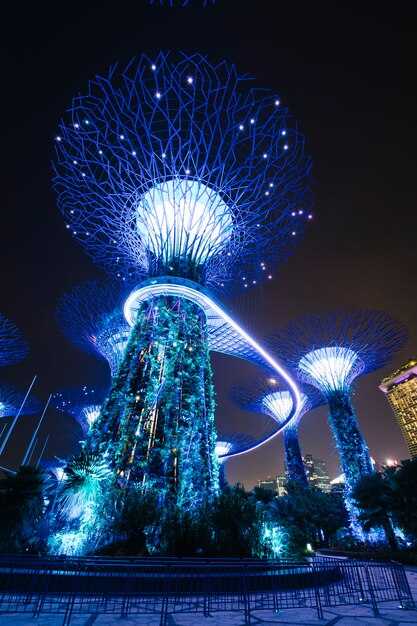
Begin your visit with a day at Marina Bay and a quick MRT ride to explore the city’s waterfront. From there, stroll the riverwalk, cross the Helix Bridge, and hop to Sentosa island for beaches and thrills. This compact city offers a reward in every corner, as you read the map and set a comfortable pace around the core districts.
Choose a hotel near the core districts to cut transit time; many hotel chains partner with loyalty programs, and youve got easy access to promotional offers. If youve joined a loyalty program, you can earn extra reward points and unlock member-only rates. Ensure you’re insured before departure, and bring proof of health coverage in case of travel issues.
Over the years, the city has refined its transit, and the MRT network, buses, and River Taxi make moving around simple; Thereafter, you’ll discover the best places in the city, from Chinatown and Little India to Kampong Glam and the modern business districts. While you walk, you’ll encounter a mix of colonial, modern, and tropical aesthetics that make the city feel alive and active at all hours.
The food scene bridges many traditions; street stalls lead to formal dining, and you can read labels for ingredients and origins. The race of flavors–Chinese, Malay, Indian, Peranakan–shapes every bite, and each district offers a different rhythm. In the evening, the statement on tourism shines through community markets and waterfront shows, creating memorable moments thereafter.
Plan to explore with a mix of promotional offers and related experiences, such as guided city walks, bike tours, or a harbor cruise. Look for members programs at museums or transport apps to gain discounts and insider tips. In cafes, there’s araya, a small concept cafe that blends local pastries with modern roastery–perfect pause before continuing to places like Gardens by the Bay and the Marina Promenade.
Read up on practical tips before you go: list of top active activities to fit your schedule, the best times to visit, and safety reminders. Around peak hours, crowds ease after sunset, but you’ll still find bustling night markets and riverwalk events. This guide helps you map a plan that sounds natural and avoids the rush while delivering a rich taste of Singapore's city vibe.
Plan a District-Based 3–5 Day Itinerary
Begin with a 3–5 day spine that clusters sights by district: Downtown Core and Marina Bay for skyline icons, Orchard Road for shopping, Kampong Glam for culture, Chinatown and Little India for markets and temples, with a fifth day added for Sentosa or Jurong Lake District if you want a slower pace.
Day 1–2: Downtown Core & Marina Bay
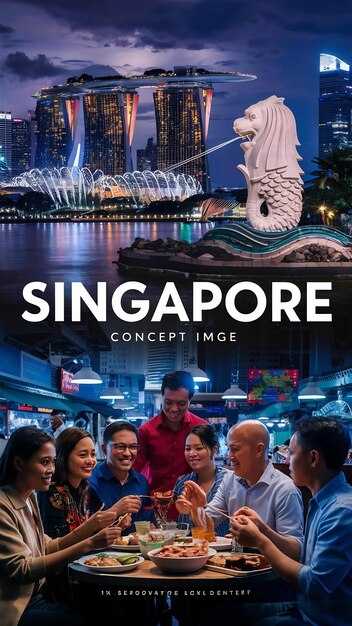
Start at Raffles Place or Esplanade to feel the pulse of the city, then stroll to Merlion Park for photo ops and the Marina Bay Sands promenade for views. The signature experience is the Marina Bay Sands Skypark at sunset, followed by a walk across the Helix Bridge. If a concert is on at Esplanade or a riverside venue, time your evening to enjoy it after the lights come up. For meals, Lau Pa Sat serves iconic hawker bites, while dinner options along the water offer more refined options. Move efficiently with the MRT; most legs between these sites take 10–20 minutes. If you carry an hsbc mastercard, you’ll earn rewards on dining and transit. Be informed about covid-19 guidelines and booking windows, as some venues require advance tickets. Plan incremental funds for attractions like Gardens by the Bay and the Singapore River strolls. You’ll likely finish the day feeling energized, and you mightve found a hidden café near the riverside with alderaanian signage on a refurbished shophouse–a fun detour to cap the day.
Morning tip: reserve a few hours for the Cloud Forest or Flower Dome if you love plant design, and consider the OCBC Skyway as an add-on if the lines aren’t long. Afternoon strolls along Marina Bay sands catch the city’s modern silhouette, and a quick snack from a hawker stall gives you a taste of local flavors before youre ready for a waterfront sunset walk. If you want to pace yourself, split the two days with a late lunch in the Civic District to balance culture and views.
Day 3–5: Orchard Road, Kampong Glam, Chinatown & Little India
Begin with Orchard Road for a concentrated shopping day: stroll through ION Orchard and neighboring malls, then take a mid-day break at a cafe with signature pastries. Orchard is ideal for window shopping or buying essentials, then you can shuttle to Kampong Glam by MRT in about 15–20 minutes for a cultural shift. Kampong Glam centers on Sultan Mosque, stylish Haji Lane, and Arab Street–a contrast to the modern storefronts you saw earlier, with Alderaanian-inspired signage weaving into the ambience. For dinner, choose a modern twist on Malay or Middle Eastern cuisine around Bugis, then head to Chinatown for evening markets and temples; you’ll find temples and traditional medicine shops alongside vibrant street food stalls. Little India offers Tekka Centre’s bustling food stalls and the iconic Sri Veeramakaliamman Temple, perfect for tasting South Indian vegetarian and non-vegetarian dishes. The day’s pace can be relaxed or brisk, depending on how many shops you want to browse and how many temples you wish to visit.
Use a combination of MRT and short walks to minimize fatigue; expected transit costs are modest, and a credit card like mastercard can earn rewards on dining and transit–use it to simplify expenses and track your spend. If you’re planning a ballpark budget, set aside funds for entry to temples (usually low fees) and for signature meals at both hawker centers and sit-down restaurants. Before you head out, review covid-19 safety updates at each venue; some spots may implement crowd limits or require next-day reservations, so you’re informed and prepared. If you want a tech aid, a beta city app sometimes offers self-guided routes through Kampong Glam and Chinatown with a Catalent pop-up demo nearby that adds a science-themed detour to your route. Youve got room to adjust–a flexible schedule helps you chase a concert, a pop-up market, or a spontaneous cafe that finishes earlier than expected. Finally, finish with a late-night snack in Little India or a stroll through Mustafa Centre to cap the day.
Navigate Public Transport with MRT, Buses, and ez-Link
Get an ez-Link card before you arrive and load it with full value for your stay; you’ll tap in and out at MRT gates and on buses, avoiding ticket queues and cash handling. If you’re staying at a hotel, the front desk can point you to the nearest MRT and assist with a quick top‑up; keep your card privy to your balance and don’t share details there. Parking near central stations is limited, so consider walking from your hotel or taking a short ride when you arrive, saving time for your day.
The network is modern and well connected. MRT trains run daily from about 5:30am to around 12:30am, with last trains extending later on weekends; some lines offer late‑night services during coming weekends or events. Buses start around 5:00am and run until late night on busy routes; check the app for last bus times, especially after a concert. The five main lines–North‑South, East‑West, Circle, Downtown, and Thomson‑East Coast–cover most destinations, and central signage often shows 1-31 stops on the core corridor to help you find your route. During peak hours, trains come every 2–3 minutes; though schedules vary, the system remains committed to reliability and ease of use. Therefore, plan ahead but stay flexible to fit your pace and interests, such as a visit to Marina Bay Sands along the green corridor.
ez-Link offers flexibility for travelers. Consider starsaver-i if you ride often; it can be linked to your balance and added to your card for easier access across MRT and bus rides. Top up at MRT vending machines, convenience stores, or via the official app; auto top‑up keeps your card ready after you’ve used your daily limit. If you are traveling after hours, keep your card private (privy) to your payment details and use trusted top‑up points. A single card helps your group stay coordinated–your member can guide others with the tapping rules while the captain of the group handles transfers and timings; their cooperation makes the day flow smoothly. If you came in a larger group, this approach helps everyone from the hotel lobby to the station platform find their way.
Top up and tap in quickly
Start with a starsaver-i plan if you ride often; it integrates with ez-Link for added convenience across MRT and bus rides. Load value at MRT stations, 7‑Eleven outlets, or the official app, and enable auto top‑up to avoid gaps–especially after busy times when you’re moving between venues. When you tap, ensure you only use trusted readers and keep your balance private. If you’re traveling with a crew, designate a member to track times and transfers so the group stays coordinated and you can return after a smooth ride back from the concert or a late outing around the sands and waterfront.
Plan routes and check times
Before heading out, map your route and consider nearby hotel options and parking limits at your stops. The app shows live arrivals, transfer options, and green routes with fewer transfers; this helps you save time and reduce crowding during peak periods. If you come for a show at Marina Bay or another central venue, you’ll find the path remains straightforward, with reliable options to return after the event. For longer trips, Singapore’s transport community works with neighboring networks (including cooperation with Malaysia) to align schedules and explore future links, which can benefit your coming trips. With clear signage and frequent updates, you’ll find the transit experience comfortable and efficient time after time.
Find Budget-Friendly Eats at Hawker Centres and Local Food Courts
Start with Old Airport Road Food Centre: Char Kway Teow and Hokkien Mee from stalls near the back combine for about SGD 5-6; keep funds in your wallet and sit at a table with locals to taste more. The open-air shed-style setup keeps the mood casual and friendly, so you can chat while you eat.
Prices vary by stall, but you’ll usually stay under SGD 8 for a complete meal with a drink. Therefore, plan three small dishes across two centres to maximize value without blowing your funds. Spotted queues at lunch hubs indicate popular favourites, so go early if you want to snatch the best bites.
Across Asia, hawker centres and local food courts deliver everyday value and a chance to explore urban flavours. Tekka Centre in Little India and Maxwell Food Centre in Chinatown stand out for cheap picks and quick service, with a mix of Indian, Chinese, Malay, and fusion options that keep budgets friendly.
Some stalls keep whole-family favourites at friendly price points, and you’ll often see familiar names appear in referrals and posters. Foreign tastes mix with local staples, giving you something new at every stop. Among the chatter, kentaro and araya are frequently mentioned by travellers as favourite spots to compare bites, which adds a fun note to your travels. Thereby, you can design a multi-centre day that suits your calendar and your pockets.
Top Budget Picks
| Centre | Signature Dish | Typical Price (SGD) | Best Time to Visit | Why It’s Budget-Friendly | Tips |
|---|---|---|---|---|---|
| Old Airport Road Food Centre | Char Kway Teow | 5–6 | 11:30–13:30 | Many stalls offer under-6 meals; dense options | Arrive early, then share a table to taste more |
| Maxwell Food Centre | Rice + Satay / Hainanese Chicken Rice | 4–6 | 12:00–14:00 | Compact layout with several economy choices | Check stall numbers and watch for long queues |
| Chinatown Complex Food Centre | Mixed Dishes (combo plates) | 4–6 | 12:00–14:00 | Huge variety; frequent good deals | Walk the aisles, compare options, pay with cash |
Practical Navigation and Savings
Directions between centres are straightforward via MRT and short walks, so you can island-hop without losing your pace. Keep a calendar on your phone to mark favourite stalls and promotional days; you’ll spot deals and crowd patterns more easily. For a flexible day, plan two centres with a long lunch window and a late snack for a light dinner, therefore stretching your travel times and your budget.
To maximise value, ask locals or staff for referrals to nearby stalls with daily specials. The rhythm varies long hours, and you may find a favourite dish at different hours depending on the day. There are always new tastes to try across foreign influences, and the same table can host several bites as you travel across hawker sheds and food courts. An investor’s mindset helps you weigh value and taste–prioritize quality ingredients and avoid over-ordering; ship your appetite wisely by starting with a couple of smaller plates and adding something extra if still hungry after you’ve tasted your favourite picks.
Must-Visit Areas for First-Timers: Marina Bay, Chinatown, Little India, and Kampong Glam
Begin at Marina Bay to anchor your plan and witness a coastal panorama that blends skyline drama with lush green spaces. The area offers a clear, open waterfront path, a skyline backdrop, and access to Sentosa Island for a quick coastal escape. If you’re a starsaver, explore a rewardspremier-referral option that bundles Gardens by the Bay, the ArtScience Museum, and the SkyPark for one package. Thankfully, the connections are straightforward: MRT lines, pedestrian walkways, and family-friendly routes suit participants of all paces.
Marina Bay
What to see first: Gardens by the Bay (Cloud Forest and Flower Dome), Supertree Grove, Marina Bay Sands SkyPark, and the Merlion by the waterfront. Open late events and the Spectra light show provide a dramatic cap to the day. For a quick island detour, ride a short taxi or bus to Sentosa Island for beach views and a different energy.
- Best time to visit: early morning for cooler temperatures and fewer crowds, or after 5 pm for sunset lights and a cooler stroll.
- Getting around: stroller-friendly promenades, easy crosswalks, and frequent MRT access from Bayfront or Marina Bay stations.
- Tips: carry a light jacket for the breeze off the coast and plan a wellness break at a café with outdoor seating to recharge the crew.
Chinatown
Chinatown blends heritage temples, markets, and fragrant street-food lanes. The Buddha Tooth Relic Temple, Sri Mariamman Temple, and the Chinatown Street Market deliver a strong sense of place. Evening markets glow with neon, and Maxwell Food Centre anchors a reliable queue of local bites.
- What to see: Chinatown Food Street, Temple Square, and the heritage shophouses on Trengganu, Mosque Street, and Smith Street.
- Best time: late afternoon into night when shops glow and aromas rise from hawker stalls.
- Tips: arrive with patience and a plan; many stalls operate as part of a busy complex, so choose a few reliable vendors and savor the balance of spice and sweetness.
Little India
Little India delivers bold colors, fragrant spice shops, and vibrant street life. Tekka Centre and the surrounding market lanes offer fresh produce, textiles, and affordable eats, while Saravanaa Bhavan-style veg-friendly spots appeal to varied tastes. Mustafa Centre nearby runs 24 hours, making it a flexible stop for late-night browsing.
- What to see: Serangoon Road glows with shopfronts, Arulmigu Sri Rajakaliamman Temple stands out for its ornate façade, and spice-scented lanes invite curious strolls.
- Best time: late afternoon to evening when the area is buzzing but manageable on foot.
- Tips: snack on dosai or prata for quick energy, then stop for chai at a local café to reset before the next area.
Kampong Glam
Kampong Glam offers a mix of Malay heritage and modern design. Sultan Mosque anchors the district, while Arab Street and Haji Lane deliver boutique shopping, cafés, and mural-lined alleys. The Malay Heritage Centre provides context for the neighborhood’s history and evolution.
- What to see: Sultan Mosque exterior, Haji Lane’s independent shops, Arab Street’s textile displays, and the nearby war-time murals along the precinct.
- Best time: afternoon into early evening for shade and relaxed browsing; evening coffee spots are popular with locals and visitors alike.
- Tips: wear comfortable shoes for strolling, and leave room for a late snack at a bakery or small bistro before you head back.
Further plan: keep this four-area loop compact by prioritizing a single highlight in each district, then expanding if time allows. Leaving room for casual wanderings helps you witness small moments–an open doorway, a friendly vendor, a brief cultural performance–that add depth to your visit. If weather shifts, pivot to sheltered corridors and indoor attractions to maintain comfort and safety for the crew. Before leaving, check last-train times and pick a final sunset spot along the Marina Bay waterfront to cap your day with a calm but memorable view. If you’re eager for more, Malaysia-bound day trips are feasible with early departures and a reliable ferry schedule; a short coastal excursion can balance fast-paced city sights with downtime, especially for wellness-focused travelers.
Smart Packing and Weather Prep for Singapore's Climate
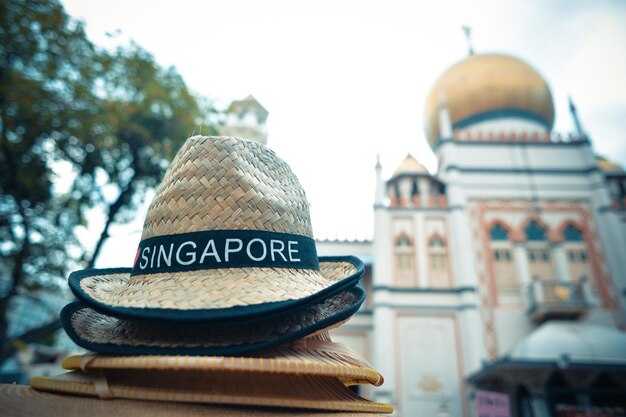
Today pack a lightweight, breathable kit and a compact rain shell for Singapore's heat and sudden showers. A base of moisture-wicking tops, quick-dry shorts or light trousers, and a small daypack keeps you comfortable from morning heat to evening cooling indoors.
What to pack
- Breathable shirts and tops (poly blends, linen, or moisture-wicking fabrics).
- Bottoms: quick-dry shorts or light trousers; add a lightweight hanten for indoor air-conditioning.
- Outerwear: a rain jacket or thin rain shell; a compact umbrella for sun and showers.
- Footwear: breathable sneakers or sandals with good grip; consider a waterproof option for sudden wet sidewalks.
- Sun protection: SPF 30+ sunscreen, sunglasses, and a hat to cut glare.
- Swimwear and quick-dry towel for hotel pools or beaches.
- Tech: universal adapter (Type G), power bank, charging cables; store in a small pouch.
- Docs and money: passport, hotel confirmations, and a digital copy stored in email for quick access.
- Snacks: pasftas or other compact bites; keep them in a sealed bag to prevent crumbs.
- Reusable items: collapsible water bottle; small sanitizer for daily use.
Weather realities you can rely on
- Humidity stays high most hours; choose fabrics that breathe and dry fast.
- Temperature typically ranges around 26–32°C; indoor spaces cool down, so carry a light layer.
- Shows can appear any time; inter-monsoon periods bring heavier rain; keep gear accessible during street walks.
- Sun exposure is strong; reapply sunscreen around noon and wear sunglasses.
- Plan routes with covered walkways and reliable transit options to dodge downpours.
- strait-laced humidity requires light fabrics and quick-dry materials to stay comfy throughout the day.
- Forecasts found showers tend to arrive in the late afternoon.
Traveler notes
- william became a seasoned traveler after his first Singapore stay; his kit now includes a small umbrella, a hanten, and a water bottle that seals well.
- holding passport, cards, and phone in a compact pouch while you move; keep a digital backup in email.
- directions from transit apps and venue maps help you stay on track during sudden showers.
- booty kept out of sight reduces risk in crowded spots; use a slim wallet and a secured pouch.
- pirates posing as helpers appear near busy markets; stay with official lanes and pay with trusted apps.
- krisflyer tip: check baggage allowances and plan a light packing strategy if you fly with Singapore Airlines; keep important confirmations in email.
Respectful Etiquette and Cultural Highlights in Public Spaces
Queue patiently, keep voices low, and step aside to let others pass. Explain to a friend that these habits improve the experience for everyone.
On MRT platforms, buses, and in stations, stand to the side when not boarding; if you travel with a family, hold hands of children and remind them to speak softly. If you arrive by aircraft, plan extra time to pass through immigration and reach your destination calmly.
Public spaces in Singapore reflect a diverse living culture; in temples, mosques, and churches, dress modestly, remove hats if requested, and ask for permission before taking photos. Notices are written in multiple languages and clear visuals help you follow rules.
Hawker centers: share tables, clear trays, and keep noise down; avoid eating while moving through transit corridors; greet the stall chef with a smile when you place an order.
Photography and online content: ask before photographing people; avoid filming private moments without permission, especially in places of worship or medical facilities.
Visiting as a guest: check visa requirements before travel; carry your passport and relevant documents; be aware of related agreements and the balances between security and convenience; arrange your plans to fit local rhythms. This subject includes how authorities balance safety and hospitality. Once done with this preparation, you’ll feel more at ease.
Public notices read in multiple languages, and the visual cues guide behavior in crowded spaces. The sign reads 'no littering' in several languages, helping visitors avoid mistakes. It has been helpful to many travelers and locals alike.
In a heritage district, a plaque about the farquhar family links past and present use of public spaces, reminding you that stories live in the sidewalks and benches.
For currency needs, licensed forex counters provide clear rates and receipts; avoid street exchanges to stay safe with your funds.
The experience you gain is insightful, and you notice many different rhythms of daily life; it also offers fresh perspectives from neighbors you meet along the way, turning your visit into a friendly connection with living Singaporean culture.
Hidden Gems: Markets, Parks, and Local Experiences Off the Beaten Path
Start at Tekka Market in Little India for a concrete taste of Singapore’s street life. While glossy malls attract many visitors, this hive of vendors delivers bold spices, ripe mango, and open chats with stallholders. Look for alderaanian-inspired crafts and small plaques that tell the area’s stories. Cards-everydayplustnc sets pop up at a corner stall, a reminder that independent makers thrive here. After you eat, wander the surrounding lanes to see colorful shophouse facades and pick up a quick postcard from the pasar keeper. This place is a solid starting point to gather information about local flavors and neighborhood rhythms, and wherever you begin your day, Asia’s energy shows in every corner.
Chinatown’s Smith Street/Pagoda Street area comes alive at dusk. The night market stacks steaming dim sum and glossy fruit; sellers share region-specific tips and welcome a friendly agreement about price. Wherever you stop, a tiny stall may feature a sign reading tham, a maker’s tag that signals a story behind the item. A quick chat with a craftsman reveals how a handmade card or enamel pin was produced, and a hands-on session is often offered in a side tent. The atmosphere provides real information about Singapore’s multi-ethnic fabric, not a rushed run-through.
For a green counterpoint, Fort Canning Park hides quiet trails and a few colonial-era markers along the path. The shade makes it ideal for a sunset stroll or a late-night wander, while the city lights glow across the skyline. If you want a longer stay, combine this with a climb to the Citadel and a panoramic view of the surrounding world in a single afternoon or evening.
Take hands-on moments in Kampong Glam and Tiong Bahru, where small galleries, cafes, and pop-up studios host events after night and on weekends. A short walk along Haji Lane reveals indie shops and street art, while a local host can introduce you to a small, family-run textile stall that keeps a centuries-old craft alive. These experiences connect you with people around Asia and with the city’s everyday industry of making, shopping, and sharing.


