

Ruta de las Flores El Salvador - Everything You Want to Know About the Flower Route

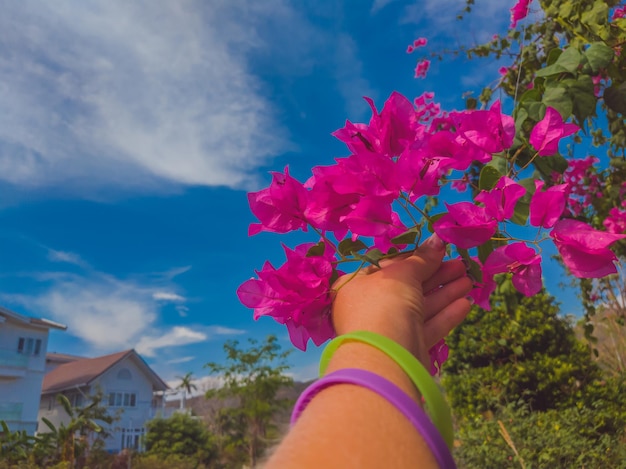
Recommendation: Choose a 2-day loop along the Ruta de las Flores, starting in Santa Ana, then Juayúa, Apaneca, and Ataco, finishing in Salcoatitán. This plan minimizes back trips and provides a clean exit by the highway on day two, with time for a relaxed walk through markets and town plazas.
Practical information: The Flower Route sits about 120–140 km southwest of San Salvador, with 2–3 hours of driving between towns in light traffic. On weekends, markets in Juayúa attract visitors and can slow you down, so plan for occasional waits at intersections or parking. Check official links for current restrictions, exit points, and parking rules. The article gathers information from local tourism offices and regional chambers, plus firsthand experiences from travelers who went there. If you plan to combine the route with other places, consider options that connect with nearby countries via land borders, and note time you’ll spend in each country.
Experiences on the ground: Locals greet visitors with a friendly pace and share stories with them. In Juayúa and Ataco you can walk along narrow lanes, browse hanging crafts, and try street food. In Apaneca, coffee farms offer guided tastings and hillside views. If you speak Spanish, markets are easy to navigate; if you speak English, look for younger guides who can help. Plan a safe return to the main road before dark to avoid empty stretches.
Extensions and mood: If you add a coastal break, snorkeling sessions near La Libertad or Costa del Sol broaden the experience. The towns along the route offer venice-like charm in the colors and plazas, with hanging pots and painted shutters adding to the scene. For accessibility, the language barrier is low in tourist zones, and you can speak basic Spanish phrases to connect with vendors. You can receive travel tips directly from tourism offices via their links and from fellow travelers who went there.
Additional tips: Gather information from the article as a starting point, then cross-check with official tourism pages. Save all links before you travel, note local holidays, and keep a flexible plan in case you want to revise the route. The experiences from fellow travelers can help you decide where to eat and where to walk at sunset, ensuring you feel safe and welcome in all towns you visit.
Best Time to Visit for Bloom Colors and Weather
Visit February to March for peak bloom colors and comfortable weather along the route.
- Peak bloom window: Late February through early March offers the brightest flower displays in Juayúa, Ataco, Apaneca, and surrounding villages. Colors linger into mid-March and can extend into early April if rains stay light; although year-to-year variations exist, this period remains the most reliable for photo-worthy scenes.
- Weather snapshot: In the central highlands, days are mild and mostly dry during this window. Expect daytime temperatures around 18–24°C and nights around 12–16°C; izalco area can be warmer by day, 22–28°C, with cooler evenings. Pack a light jacket for evenings and sunscreen for sunny afternoons.
- 2–3 day loop: Start in Juayúa for the weekend market, then move to Ataco for color-saturated streets, and finish in Apaneca for coffee farms and viewpoints. If you have time, add a short stop at izalco for a volcano view. Directions between towns are straightforward along the CA-8 corridor; a local guide can save time and help you receive optimal light for photos.
- Prices and lodging: during peak bloom, prices for guesthouses near the route rise, with simple rooms typically from 25–40 USD per night and higher on weekends. Meals at street stalls and small cafés average 4–8 USD, with more formal dinners 10–20 USD. Reserve seats on tours or shuttles in advance to secure a good seat and avoid sold-out options.
- Food and experiences: the route is known for delicious local cooking; exploring markets and small cafés delivers authentic flavors, including fresh coffee and regional snacks. A short cooking class in Ataco or Apaneca adds a hands-on taste of the culture.
- Safety and practicalities: the route is generally safe to explore during daylight; follow local restrictions and respect hours in village centers. Keep valuables secure in crowded markets and use a licensed driver for night travel. For luggage, carry a light daypack and leave bulky items in your hotel; central towns offer many options, while some smaller houses have limited facilities.
- Optional add-ons: if youre pairing with a coastal day for snorkeling, plan a visit to ports on the Pacific coast; this can be done with a private driver or a flexible tour schedule. evenings provide pleasant moments to reflect on the colors you’ve seen and the friendly faces you’ve met along the route.
Getting There: Transportation Options to Laguna Verde and the Flower Route
Fly into salvador's international airport (SAL) and book a positive transfer to Laguna Verde to start the Flower Route. A private transfer is the simplest way to handle luggage, avoid extra stops, and set your schedule for the day you land. If youre traveling light and want flexibility, renting a car lets you pause at places you like and create your pace after crossing the mountain roads toward the coffee towns. Laguna Verde sits located near several popular stops along the route, then you can plan a loop that includes Juayúa, Ataco, and others.
Public options exist too. From salvador, take a long-distance bus toward Sonsonate or Ahuachapán and transfer to a local line that serves Juayúa and Ataco. Several operators publish schedules with pickup times in the morning; indicate your stop to ensure you dont miss your connection. Expect longer travel times, but you will see countryside views and can speak with other travelers who went through the same route. Public transport is a budget-friendly way to visit the flower towns and Lago de Coatepeque, the nearby lake area you may want to explore. источник: local timetables and bus lines can guide your choices.
Consider a transfer option if you value a smoother ride. A shared shuttle can be more economical than a private car, while still avoiding the hassle of multiple buses. When booking, confirm the pickup point, the route, and any luggage restrictions. If you carry larger bags, ask whether the operator can accommodate them; some buses limit luggage size and require fees for extra pieces, so check ahead instead of arriving unprepared. There are a few hostels along the way; lagarza is a known option near the flower towns, and several others sit in the Juayúa square area and in Ataco. Booking ahead helps you find a clean bed that matches your budget and preferred location, so you’re set for the night after you arrive. Many travelers have enjoyed this route for its color, air, and small-town charm.
Practical tips for planning your route
Check the schedule for salvador-based connections and coordinate transfers to arrive at Laguna Verde with daylight enough to enjoy the first stops. If youre coming in peak season, expect crowds at popular places like Juayúa’s food square and Ataco’s artisan streets; you may want to reserve a night at lagarza or another hostel to avoid squeezing in. After you settle in, you can explore several places with short walks, then return to your base for the night at a clean, comfortable space. The Flower Route is known for its scenic mountain scenery and colorful towns; you’ll find that the size of each town is modest, so planning a tight loop makes sense. If you go with a local guide, they can indicate the best photo spots, talk about the history of each place, and help you conserve time for other sightings. In short, a mix of private transfer and public options lets you customize your trip to your pace and interests, with positive results for the whole experience. Youre likely to speak with locals and other travelers at several stops, making the whole day more enjoyable and well rounded.
Two-Day Itinerary: Core Stops and Practical Timing
Begin Day 1 in juayua at 9:00 AM to visit the weekend market; this offers pupusas, tamales, and local crafts, so plan 60–90 minutes. The market includes a number of stalls, including several food counters and handmade goods. Afterward, transfer to ataco, a small hill town about an hour away, to enjoy mural-covered streets and a village rhythm. For lunch, choose an affordable family-run cafe, then indicate your hotel plans with a partner property for the night.
In the afternoon, Ataco welcomes a slow stroll through color-splashed streets. Visit the murals, browse local shops, and take a seat on chairs in the plaza to soak in the local vibe. If you want something hands-on, join a coffee-tasting class at a nearby roaster; many offers include a short coffee course led by a local partner farm and last about 45 minutes. This adds depth without adding strain, and it's a nice way to sample beans and learn quick roasting basics.
Day 2 starts early with a short transfer to Apaneca, the highland coffee route, about 25–40 minutes from Ataco. Here you can sign up for a coffee course, including a roasting demonstration and a tasting; prices are affordable and you’ll often leave with a small bag of fresh beans. The course is hosted by a local partner and typically runs 60–90 minutes, with time for photos along the way. If you asked locals for the best spots, you’ll probably hear about several family-run farms that welcome visitors with warm hospitality.
From Apaneca, drive toward the Sonsonate corridor for a final stop in a village market, where you can visit a small church, explore craft stalls, and try a regional snack. Google maps indicates 40–60 minutes of transfer time between towns, so plan a few short breaks. This segment lets you visit a different local vibe and finish with a comfortable hotel pickup or direct transfer back to your base. A cost-friendly transfer service often runs on a flexible schedule, making the day smoother and better for a two-day plan.
Tips for a smooth finish: reserve ahead, especially during weekends; a balanced number of core stops is four, including juayua, ataco, apaneca, and sonsonate. For a better experience, coordinate with a local hotel or shop that offers guided visits and classes; indicate preferred times and confirm availability with a local partner. If you want something easy, bring cash for small purchases and use google to compare transfer options and schedules. The route remains affordable and flexible, with plenty of opportunities to visit each village and learn something new about the culture and coffee course traditions.
Must-Visit Towns on the Flower Route: Juayúa, Apaneca, Ataco, Salcoatitán
Begin in Juayúa on a Sunday for the iconic weekend market, where beautiful and delicious bites announce a day along the Flower Route. Spend about 3 hours exploring stalls near the church, trying pupusas, tamales, fresh fruit and handmade salsas; the daily rhythm is lively, with locals and people mingling–these moments indicate the true vibe of the route. Early arrival helps you beat crowds and get parking, and rentals are available for bicycles or e-bikes. Getting around on foot keeps the pace relaxed. If you want a nicer view, head up to the hillside cafés where views over the valley stretch toward tropical treetops. The area is easy to reach from San Salvador’s airports, and the staff at several restaurants can help with language basics for a smooth chat with vendors and hosts.
From Juayúa, transfer to Apaneca, about 20-25 minutes by car. In Apaneca you will find evergreen hills, coffee farms, and winding lanes. The early morning is best for coffee tours; rentals are available for a guided ride through orchards; the air is tropical and fragrant. The town's center features pastel facades and hanging flower baskets; you can stop at a restaurant for something sweet and a robust cup of coffee. For most visitors, the route is a chance to slow down, getting into the rhythm of daily life, and admire views across valley fog. There is a quaint uffizi-like vibe in the murals and ceramic storefronts showing local craft, which makes this stop especially photogenic. Professional guides can tailor a tasting route, helping you maximize what you see in a single day.
Next, Ataco sits along the ridge with mural-covered streets and artisan shops. Here you can explore color-saturated walls, sample regional food at a restaurant, and pick up handmade souvenirs. The town offers professional guides and safe, punctual service in cafes and galleries; you can park nearby and walk the cobbles to visit several spots in a few hours. If you want a break, choose a balcony or courtyard with a view of the green hills, and take a moment to breathe the tropical air. Plan a short hike on the outskirts, then return to town for a late lunch or early dinner–an ideal way to keep moving along the route.
Tips for visiting Salcoatitán and planning the day
Salcoatitán offers quieter streets and a sense of history in its preserved houses. A compact footprint means you can cover the core in a few hours; entry is mostly free or paid for specific sites. Always check the time indicated on signs and ask locals about the best routes; punctuality matters for coordinating visits to craft centers and coffee roasters. If you want to extend your stay, consider a late afternoon meal at a restaurant in a hilltop plaza, then a sunset walk along a few terraces. For those traveling from abroad, the route is easily combined with a visit to the capital or a quick hop from nearby airports. Renting a car or using private rentals provides flexibility, and many locals speak English or Spanish, so language is rarely a barrier. Although Salcoatitán is smaller, it rewards with slow walks and small galleries. The vibe is busy on weekends and calm during weekdays; you can plan your timing to match what you want to experience.
Food, Markets, and Local Specialties You Should Try
Try cheese pupusas with curtido at Juayúa's weekend fair–the best first bite in salvador for the Ruta de las Flores.
Include pupusas in your plan. For planning, google Juayúa, Ataco, and Apaneca to set your route, and note that the typical market day has an amount of stalls clustered around the central square. They’re known for fresh ingredients and friendly vendors, and you’ll speak with locals as you sample bites.
- Juayúa weekend fair – dozens of street stalls around the central square offer pupusas, chicharrón, yuca frita, tamales, and fresh fruit drinks. They’ve been serving locals and travelers for years; many vendors post signs in both Spanish and English to help you know what to order. Exit the main gate and walk along the street to taste the best bites; this stop is a must for salvador travelers along the route.
- Ataco and Salcoatitan markets – stroll the cute, colorwashed streets where hanging chairs swing from porches and small stalls spill onto the sidewalks. Central cafés serve a strong cup of coffee, while vendors sell queso fresco, crema, and spicy sauces to go with tortillas. The square is a photo hotspot for travelers who have stayed in a hostel and want quick bites between coffee tastings.
- Apaneca coffee experience – visit a local cooperative, taste a few roasts, and compare beans from different lots. You’ll find directions posted on signs at the platform where buses arrive. People know those routes well; sample a cup at a shady patio and buy a bag to take home.
- Nearby markets and coastal option – if you extend to the coast, you’ll find fresh seafood markets and small eateries. When you exit the bus, follow the street signs toward the river or the town’s edge; some stalls removed from the main lanes still offer delicious bites, including tuna-inspired tunco if you visit the coast later on your trip.
These destinations along the Ruta de las Flores each offer their own flavors and vibe.
These destinations along the Ruta de las Flores each offer their own flavors and vibe.
Local specialties you should try:
- Pupusas with curtido and salsa roja
- Quesillo with crema
- Yuca frita with chicharrón
- Tamales de elote
- Fresh coffee flights from Apaneca cooperatives
- Fresh fruit aguas and natural sodas
Tips for tasting like a local: base yourself in a hostel, catch a shuttle to the next town, and use the platform for the best connections. If you’ve stayed in hostels before, you know those staff can share the best street addresses and how to exit correctly. The street atmospheres feel salvadoran, with chairs on sidewalks, hanging banners, and a central sense of community. You’ll leave with a nice mix of flavors and memories, plus photos that look like a venice-style postcard–colorful, lively, and welcoming.
Beaches nearby: after your food explorations, consider a day trip to the Pacific coast for a change of pace. From the Flores towns, you can reach nice beaches such as El tunco near La Libertad, a laid-back spot with ideal waves for beginners and plenty of beachside shacks to sample grilled seafood.
Budget, Lodging, and Transportation Costs on the Flower Route

Book dorms ahead to lock the best prices along the Juayúa–Ataco–Apaneca stretch. In low season, dorm beds run around 10–15 USD per night; private rooms in the same towns range 25–40 USD. Plan meals at street stalls for 3–6 USD or casual restaurants for 6–12 USD. A practical daily budget for one person is about 25–60 USD, depending on those plans and culinary tastes.
Lodging options by size and vibe: small family hostels in Apaneca offer private rooms with shared bathrooms; in Juayúa, Ataco, and Santa Ana you’ll find mid-size hotels with 2–3 beds per room. A typical 2-person private room costs 30–50 USD; dorms are cheaper. If you want views, pick places near viewpoints or park areas; still, you’ll stay close to town centers for easy access. For larger groups, rentals–house or apartment–let you split costs and have kitchen access. Local spots may remove extra fees like breakfast if you negotiate at booking.
Transfers between towns: local buses or colectivos usually charge 0.50–1.50 USD per ride; quick transfers between Juayúa, Apaneca, and Ataco take 15–40 minutes depending on road conditions. Private shuttles or hotel transfers run 15–35 USD per leg. Some operators offer door-to-door transfers with punctuality guarantees; always confirm pickup points and minutes with the driver. If you rent a scooter or car, expect rentals around 25–45 USD per day plus gas. Those planning extra stops, such as a detour to tunco for a beach break, should allow extra buffer time and map the route accordingly. Try a quick stop to enjoy a views overlook and tropical surroundings; you’ll see how green the route remains, even after a long day.
Where to book and what to book
Where you book matters: Juayúa, Ataco, Apaneca, and Santa Ana hostels and inns offer the best value for size and vibe; those riding in a group can lower cost by sharing a private apartment. When booked, ask if breakfast, towels, and parking are included. Look for places with kitchens or shared spaces to keep daily costs down, and verify reviews for safety and bus pickup points. If a place has a terrace with views, it adds value without a big price jump. Culinary options along the route include coffee tastings, pupusas, tamales, and fresh fruit–great for keeping costs down while still sampling costa and local flavors.
Practical tips for budgets on the route
Plan to eat at markets and street stalls to keep meals in the 3–5 USD range. Rentals of scooters or bikes give you flexibility; typical daily rates run 25–35 USD with insurance and helmets included. If you travel with others, private apartment rentals can drop the per-person price. For buses, punctuality varies; if a schedule changes, ask the driver or hotel staff for updated times and where to wait. Always verify if taxes or breakfast were removed from a quoted price to avoid surprises; carry cash in small bills for quick payments at stalls. If you speak with locals, you’ll learn the best times to visit views and park areas and where to park near town centers to save time and fuel. For last changes, stay flexible and keep contact details handy.
Safety, Weather Tips, and a Practical Packing List
Pack a lightweight rain jacket and sunscreen in your daypack before visiting.
Stay safe by using licensed taxis or your hotel, airbnb, or hostel pickup. Walk on well-lit streets, keep valuables secure in a zippered pocket or hotel safe, and receive directions from your host if you’re unsure about a stop. For most visiting days, keep a low profile with valuables and avoid flashing devices after dark. These practices help you enjoy the route with confidence.
Weather tips: the route sits at higher elevations, so mornings are cool and afternoons warm; plan outdoor time around mid-morning and late afternoon. The dry season (roughly November to April) brings bright sun, while May through October brings humidity and occasional heavy showers. Pack a compact umbrella or packable rain jacket, sunglasses, a light scarf, and a breathable shirt for comfort. An air-conditioned room at a hotel, airbnb, or hostel makes evenings more relaxing after a day on the road. The white walls and green hills create a beautiful view you’ll want to photograph for instagram or google posts. Some towns echo venice with canal-like lanes and white facades.
For planning, a 2-day stay works well with a single base town like Juayúa or Ataco to maximize delicious street food, coffee spots, and view from hilltop viewpoints. For movement, you can rent bicycles or small rentals to explore, and you can pick routes that suit your pace. These towns are popular for charming streets and friendly locals; many travelers rely on recommendations from hostels or hotels to guide safe daytime trips. If you include a boat excursion on a nearby lake, wear a life vest and keep valuables in a waterproof pouch. If you want to diversify, check out cooking classes or short cultural tours to deepen your experience.
Packing list and practical tips: bring a compact daypack, a water bottle, a hat, and a light jacket for cool mornings; pack comfortable walking shoes for cobbled streets; carry cash and a card for the most places; download offline maps via google; bring chargers and a power bank; and choose accommodations that match your style–hotels, airbnb, or hostel options are abundant along the route. These choices ensure you can easily rest, pick up meals at recommended restaurants, and enjoy the view after exploring. If you want a longer plan, you can extend with 2-day itineraries that include a few nearby villages and a relaxed experience you’ll remember. Venice-inspired photo spots and Ju juy-inspired murals often appear in traveler photos, giving you inspiring backdrop possibilities.
| Item | Why you need it | Tips |
|---|---|---|
| Lightweight rain jacket | Protection from showers | Pack in daypack |
| Sun protection (hat, sunscreen) | Protect from strong sun | Reapply every 2–3 hours |
| Comfortable walking shoes | Explore cobbled streets and hills | Break in before trip |
| Water bottle | Stay hydrated | Refill at hotels or restaurants |
| Light layers | Cool mornings, cooler nights | Include a thin sweater |
| Cash and card | Some venues only take cash | Carry some local currency |
| Phone and charger, power bank | Maps and photos | Download offline maps |
| Small backpack or crossbody | Carry essentials on day trips | Waterproof if possible |


