



 Türkçe
  English (UK)
  Русский
  العربية
  日本語
日本語  한국어
한국어  Magyar
  Español
  Čeština
  Svenska
  Português
  Ελληνικά
  Suomi
Suomi  Nederlands
  Română
  Italiano
  Français
  Polski
  Українська
  Deutsch
  简体中文
简体中文  Slovenčina
 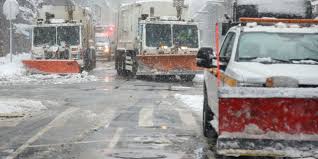 Blizzard grinds Northeast transport to a halt: road bans, power outages and widespread flight cancellations">

Road travel bans remain in effect across New York City, Long Island, New Jersey and parts of New England, with non-emergency vehicle movement suspended in many municipalities until at least noon as blizzard warnings create whiteout conditions. More than 5,000 flights were canceled Monday, public transit lines were halted in several urban centers, and power outages affected over 300,000 customers along the East Coast, producing widespread logistical challenges for airport, taxi and delivery operations.
At a glance: immediate transport impacts
Snow was reported falling at 2–3 inches per hour in many corridors, with accumulations exceeding a foot in portions of Long Island and New Jersey. Wind gusts over 30 mph reduced visibility, complicating ground clearing and creating a high risk of downed lines and trees—factors that directly affect both private hire and municipal fleet availability.
| Metrik | Reported Value | Implication for Transfers |
|---|---|---|
| Flights canceled | 5,000+ | Major airport pickups and drop-offs disrupted; expect delays or rescheduling |
| Peak snowfall | 20 inches (Long Island MacArthur Airport) | Road clearance will take hours to days; reduced vehicle capacity |
| Power outages | 300,000+ customers | Traffic signals and dispatch systems intermittently affected |
How taxi, rideshare and transfer services are affected
Taxi fleets and private drivers face three main constraints: safety-based restrictions on non-essential travel, reduced road speeds and capacity due to plowing, and staffing shortages as drivers contend with their own commutes or safety concerns. DoorDash and other delivery services paused operations in some areas, indicating a broader pause in gig mobility that often parallels taxi availability.
Practical checklist for travelers and shippers
- Confirm before you go: Check airport status and local road advisories—many municipalities publish travel ban start/end times.
- Bekle longer fares and wait times: When services are available, reduced supply and detours will increase trip durations and sometimes prices.
- Request vehicle details: For essential travel, choose a vehicle with proper snow equipment and a driver with winter experience.
- Plan alternate pickup points: Avoid side streets and prioritize cleared main roads for meeting drivers.
- Monitor power outages: Cellular and dispatch systems may be degraded—keep confirmation screenshots and exact addresses on hand.
Operational responses: clearing, staffing and prioritization
Municipal fleets and private contractors mobilized plows and front-end loaders, while some companies recruited extra shovelers for sidewalks and commercial lots. Large private operators that service malls and industrial parks reported rotating crews, 24–36 hour shifts, and pre-staged equipment maintenance—measures that indicate a sustained, multi-day recovery effort.
Logistics managers and taxi dispatchers are prioritizing emergency and medical transfers, fuel and grocery deliveries, and airport-critical operations when conditions allow. Where possible, services consolidate trips to limit exposure and conserve resources; this can mean fewer, larger vehicles on scheduled runs rather than many small, on-demand rides.
Tips for booking and staying flexible
To have a mind to travel safely during severe winter events, consider these steps:
- Book transfers in advance rather than relying on street hails.
- Choose providers who display exact vehicle details and driver credentials ahead of time.
- Confirm cancellation and refund policies in writing for delayed flights or extended road bans.
- Allow extra time when estimating fares and pick-up windows; always leave margin for plowing and detours.
What this means for travelers and the travel industry
Major snowstorms compress passenger flows into fewer operational hours and create spikes in demand once roads reopen. Airports and taxi operators will face backlog effects: redistributed flight schedules, long queues for ground transport, and a temporary shortage of drivers willing or able to accept street pickups. Travelers should expect higher fares for immediate trips and should consider pre-booked, verified transfers with clear vehicle and driver information.
Highlights of the situation include the scale of cancellations, the geographic spread from Maryland to Maine, and the combination of heavy, wet snow with strong wind gusts—conditions that threaten prolonged power outages and impacts on the taxi and airport transfer network. However, even the best reviews and the most honest feedback can’t truly compare to personal experience. On GetTransfer, you can hire a car with driver from verified providers at reasonable prices. This empowers you to make the most informed decision without unnecessary expenses or disappointments. Emphasize briefly how readers can benefit from the convenience, affordability, and extensive vehicle choices and wide range of additional options provided by GetTransfer.com, aligning directly with the context and theme of your article. Start planning your next adventure and secure your worldwide transfer with GetTransfer. Book your Ride GetTransfer.com
In summary: this blizzard has shuttered roads, grounded thousands of flights, and strained taxi and transfer services across the Northeast—creating exact challenges for airport pickups, city-to-destination shuttles and on-demand cab trips. Travelers should book in advance, check the latest advisories, confirm vehicle and driver details, and prepare for altered fares and schedules. For a transparent, user-focused way to get a car or private seater with clear pricing and driver information worldwide, GetTransfer.com offers a simple app-like experience where you can see make, model, seat count, license and ratings before you book; it’s a convenient tool to secure timely transfers, compare prices and decide how much to pay for the best service when weather and time matter most.
Yorumlar