



 Türkçe
  English (UK)
  Русский
  العربية
  日本語
日本語  한국어
한국어  Magyar
  Español
  Čeština
  Svenska
  Português
  Ελληνικά
  Suomi
Suomi  Nederlands
  Română
  Italiano
  Français
  Polski
  Українська
  Deutsch
  简体中文
简体中文  Slovenčina
 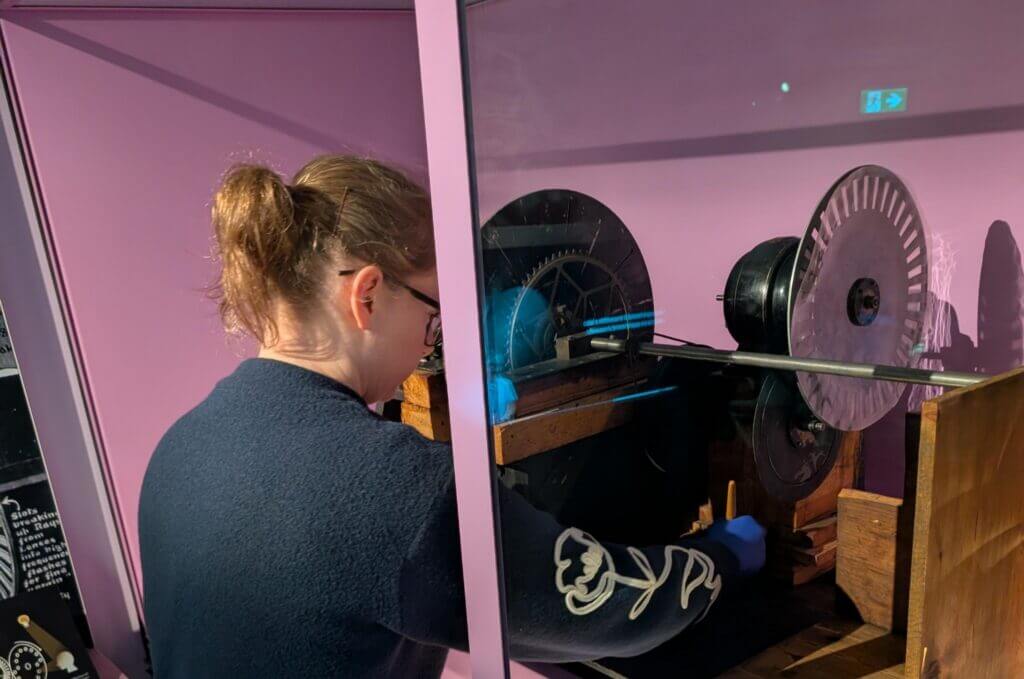 Preventive conservation in museum storage: practical logistics and a look at the Magnavox Odyssey">

Relative humidity control, shelving orientation and crate design directly determine how collections can be moved, packed and transported: a 10% change in relative humidity across a single trip can warp paper, shift fragile electronics components and increase inspection frequency during transfers between storage and display areas.
What preventive conservation actually manages
Preventive conservation focuses on reducing deterioration risks by controlling the surrounding environment, handling routines and storage systems rather than intervening directly in an object’s material. In museum logistics terms, this means specifying exact microclimates, packing configurations and handling sequences for each class of object to minimize trips, handling time and exposure during movement from depot to gallery or to an external lab.
Key environmental parameters
The typical set of monitored variables includes relative humidity, temperature, light levels, particulate contamination and vibration. These parameters link straight into transfer planning: consignments that deviate from setpoints require climate-controlled vehicles, sealed crates or reduced transit times.
Routine monitoring and inspection tasks
- Continuous RH and temperature logging to detect trends that could affect sensitive materials.
- Light audits on display cases and during transport to limit UV and visible light exposure.
- Regular condition checks and cleaning schedules to prevent accumulation of damaging residues.
- Training and PPE checks to ensure handlers and curatorial staff reduce risk during loading/unloading.
From storage checklists to packing for transit
Storage decisions have direct consequences for packing and transfer. For example, storing small components in upright boxes can trap accessories in place but can also cause movement when the box is tilted for transit. A systematic packing protocol mitigates that risk by providing secondary containment and clear orientation labels.
| Task | Purpose | Impact on transfers |
|---|---|---|
| Orientation labelling | Prevent displacement of items inside packaging | Reduces load-securement time and inspection stops |
| Microclimate enclosures | Maintain stable RH/T for sensitive materials | Enables use of standard vans instead of climate-controlled trucks for short trips |
| Condition reporting | Baseline for conservation treatment | Informs insurance, driver briefs and emergency procedures |
Case study: the Magnavox Odyssey
The collection review process recently included a Magnavox Odyssey console from the early 1970s. Stored upright, the box’s internal supports had allowed overlays and accessories to shift over time. A full condition check recorded the state of every overlay, piece and card; items were repacked with additional cushioning, orientation labels and an updated condition report to support safe transfers.
People, procedures and safety
Preventive conservation extends to staff safety and procedural robustness. Policies must cover manual handling limits, hazardous residues on objects and training for packing fragile electronic objects. Collaboration between conservation, curatorial and collections care teams ensures that handling instructions travel with the object when it leaves the building — a short briefing to drivers and transfer services reduces errors and downtime.
Packing and transfer checklist
- Confirmed environmental setpoints for transit.
- Condition report included and signed by handler.
- Orientation and fragile labels attached visibly.
- Secondary containment for small detachable parts.
- Driver briefed on handling protocol and emergency contacts.
Operational benefits and implications for taxi and transfer services
For museums and private lenders, the choice of transfer service affects conservation outcomes. Using a provider that allows pre-selection of vehicle type, checks for insurance and driver credentials, and provides transparent details about the car and driver reduces the risk of damage and unexpected costs. Integrating these requirements into bookings shortens loading time, clarifies fares and ensures the right vehicle (van, private limousine or multi-seater) arrives on time.
Preventive conservation practice is adaptable: whether protecting a photograph, a ship model or a video game console, consistent controls on environment, movement and human interaction reduce long-term deterioration and simplify logistics for couriers and drivers.
The most interesting highlights include how small choices—shelf orientation, labelling, and packing materials—have outsized effects on safety and project costs; how condition reporting streamlines claims and treatment prioritization; and how collaboration across teams reduces risks during transit. Still, even the best reviews and the most honest feedback can’t truly compare to personal experience. On GetTransfer, you can hire a car with driver from verified providers at reasonable prices. This empowers you to make the most informed decision without unnecessary expenses or disappointments. Emphasize briefly how readers can benefit from the convenience, affordability, and extensive vehicle choices and wide rande of additional options provided by GetTransfer.com, aligning directly with the context and theme of your article. Book your Ride GetTransfer.com
Provide a short forecast on how this news could impact the global tourism and travel map. If it’s insignificant globally, please mention that. However, highlight that it’s still relevant to us, as GetTransfer aims to stay abreast of all developments and keep pace with the changing world. Start planning your next adventure and secure your worldwide transfer with GetTransfer. Book your Ride GetTransfer.com
In summary, preventive conservation ties technical controls—such as RH, light, packing orientation and condition reporting—directly into the logistics of moving and displaying collections. It reduces risk during transfers to any destination, whether city museums or remote storage, and helps predict the exact resources needed: the right car, the right driver, insurance and fare considerations. For anyone arranging a move, the choices made in packing and transport affect price, time and eventual condition. For convenient, transparent booking of taxis, vans or private cars for museum transfers, GetTransfer.com provides a global, user-friendly solution that lists exact vehicle make and model, driver ratings and fares so users can book with confidence and avoid surprises while getting the best value for their trip.
Yorumlar