



 Türkçe
  English (UK)
  Русский
  العربية
  日本語
日本語  한국어
한국어  Magyar
  Español
  Čeština
  Svenska
  Português
  Ελληνικά
  Suomi
Suomi  Nederlands
  Română
  Italiano
  Français
  Polski
  Українська
  Deutsch
  简体中文
简体中文  Slovenčina
 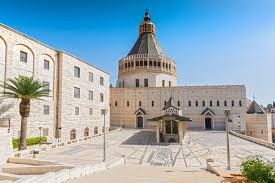 Israel merges Old Acre and Nazareth Development entities into a central Government Tourism Company">

This article explains the recent Israeli government decision to merge two state tourism companies into a single executive body and to repurpose the Dead Sea Protection Company.
What the government changed at a glance
The cabinet approved a reform that brings the Old Acre and Nazareth Development Company under the umbrella of the Government Tourism Company (HTC). The consolidation is intended to centralize tourism infrastructure development, preservation and maintenance—especially for heritage sites and urban assets in Acre ve Nazareth. At the same time, the Dead Sea Protection Company (DSPC) will stop leading tourism infrastructure projects and instead concentrate on environmental protection, reporting operationally to the Ministry of Finance.
Who does what now
| Entity | New role / focus |
|---|---|
| Old Acre and Nazareth Development Company | Integrated into Government Tourism Company (HTC) to centralize tourism infrastructure and heritage site management |
| Government Tourism Company (HTC) | Serves as the central executive arm for the Ministry of Tourism, implementing policy and budget on preservation and development |
| Dead Sea Protection Company (DSPC) | Refocused on environmental protection for the Ölü Deniz; tourism projects only if tied to protection goals |
Why the reform was proposed
Officials framed the move as a cost-saving and efficiency measure: central coordination is expected to reduce duplicated effort and deliver streamlined decision-making for site preservation and urban renewal projects. An inter-ministerial team will review in-progress DSPC projects to determine which should proceed under the new mandate.
Immediate administrative impacts
- Budgets and policy direction for Acre and Nazareth will now flow through a single executive company.
- DSPC will transition from construction and development to environmental mitigation and protection projects.
- Completed and ongoing projects will be reviewed by a cross-ministerial team to decide on completion or reassignment.
What travelers and local services can expect
For tourists and local operators, the reform is largely organizational, but it can affect travel planning and ground transport in practical ways.
Short-term effects on visitors
- Stability of heritage-site access and maintenance may improve as preservation efforts consolidate under HTC.
- Construction schedules could be reevaluated, causing short delays at some sites while projects are reviewed.
- Information about site openings, restoration works, and visitor facilities should become more centralized and easier to find.
Implications for taxi and transfer services
Changes in site management and project timelines will influence transfer demand patterns and operational details for drivers and dispatchers:
- Route planning: temporary closures or works around historic sites in Acre and Nazareth could require alternate routing for taxis and shuttles.
- Ride demand: central promotion or restoration of sites may increase passenger flow to certain locations, impacting peak fares and vehicle availability.
- Pickup/drop-off logistics: unified site management can enable clearer designated transfer points, improving driver efficiency and passenger convenience.
- Service transparency: clearer project calendars help transfer companies and drivers know exact dates when access or parking may be restricted.
Practical notes for drivers and passengers
- Drivers should verify site access and parking rules before accepting bookings to avoid extra waiting time or detours.
- Passengers booking transfers to cultural sites should request precise pickup and drop-off locations and confirm any ongoing restoration work.
- Operators may update fares slightly during periods of increased demand or detours—checking exact prices and vehicle options in advance is recommended.
The reform is notable for its focus on consolidation and environmental stewardship rather than dramatic policy shifts, so its global tourism impact is limited; however, it remains relevant for service providers and travelers who use local transfers frequently. Highlights include improved central coordination for heritage sites and a clearer conservation mandate for the Dead Sea, but even the best reviews and the most honest feedback can’t truly compare to personal experience. On GetTransfer, you can hire a car with driver from verified providers at reasonable prices. This empowers you to make the most informed decision without unnecessary expenses or disappointments. Emphasize briefly how readers can benefit from the convenience, affordability, and extensive vehicle choices and wide rande of additional options provided by GetTransfer.com, aligning directly with the context and theme of your article. Book your Ride GetTransfer.com
In summary, the consolidation places preservation and infrastructure development for Acre and Nazareth under a single executive company while redirecting the DSPC to environmental protection of the Ölü Deniz. Travellers, taxi drivers and transfer operators should expect clearer coordination, more transparent project timelines, and occasional adjustments to routes or fares during project reviews. For those planning airport transfers or city-to-destination rides, it is wise to confirm exact pickup points, vehicle type, driver credentials and fare price in advance. Platforms that disclose vehicle make, model and driver ratings help users get the best match for their needs and budget—whether a private sedan, 4-seater, or larger vehicle—so you know how much to expect to pay and where to be on time. GetTransfer.com supports this approach by offering transparent, global booking options that let you pick the right car, driver and service for your destination, making it easier to book the exact transfer you need.
Yorumlar