Eco-sensitive zone established around Kumbhalgarh wildlife sanctuary and what it means for travel

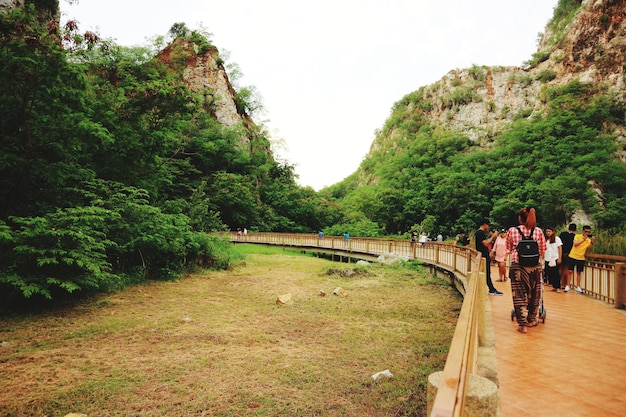
The Indian government has declared an eco-sensitive zone (ESZ) around Kumbhalgarh wildlife sanctuary, introducing new restrictions to protect biodiversity and local communities.
What the ESZ covers at a glance
The ESZ extends up to one kilometre from parts of the sanctuary boundary and covers approximately 243 sq km. Regulations aim to eliminate high-impact activities and encourage eco-friendly livelihoods for residents in the region.
| Item | Detail |
|---|---|
| Protected area | Kumbhalgarh wildlife sanctuary (over 610 sq km) |
| ESZ size | Approx. 243 sq km (0–1 km buffer) |
| Villages affected | 94 villages inside the zone |
| Nearby city | Udaipur (≈80 km south) |
| Key prohibitions | Commercial mining, stone quarrying, polluting industries, brick kilns, large-scale construction, new hotels within 1 km |
Why protection matters
Kumbhalgarh sits in a fragile stretch of the Aravali range and supports mammals such as leopard, striped hyena, jungle cat, Indian pangolin, blue bull, wild boar and chinkara, plus many bird species including painted francolin. The ESZ is intended to preserve this diversity while promoting sustainable activities like organic farming and agroforestry that benefit local communities.
Environment minister Bhupender Yadav noted that the new status will help biodiversity thrive and support community-focused, eco-friendly initiatives; the notification also clarifies that night-time vehicular movement and new construction will be regulated within the zone.
Rules that directly affect visitors and tourism
Key restrictions travellers and tourism operators should be aware of include:
- No new hotels or resorts within one kilometre of the protected boundary or the edge of the ESZ, whichever is nearer.
- Industrial activities that cause water, air, soil or noise pollution are banned.
- Movement of vehicles at night may be restricted to protect wildlife; designated transit routes and parking areas are likely to be established.
Practical tips for travelers and transfer services
These changes mean a few practical adjustments for anyone planning a visit to Kumbhalgarh:
- Expect to plan pickups and drop-offs at designated points; night transfers could be limited or rerouted.
- Accommodation options near the sanctuary will be reduced, so many travellers will base themselves in Udaipur or nearby town