



 Türkçe
  English (UK)
  Русский
  العربية
  日本語
日本語  한국어
한국어  Magyar
  Español
  Čeština
  Svenska
  Português
  Ελληνικά
  Suomi
Suomi  Nederlands
  Română
  Italiano
  Français
  Polski
  Українська
  Deutsch
  简体中文
简体中文  Slovenčina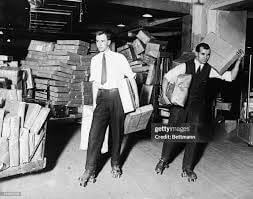

The Dawn of Parcel Post and Its Importance
The 20th century brought significant transformation to mail services, particularly through the introduction and evolution of Parcel Post. This service revolutionized how parcels were handled, expanding the scope of mail delivery far beyond letters, and directly influenced commerce and daily life, especially in rural America.
Early Limitations and Rural Demands
At the century’s start, the Post Office Department was limited by law to transporting parcels weighing no more than four pounds. Larger packages were the domain of private express companies, which often charged high fees. With over half of the U.S. population residing in rural areas in 1910, the demand for affordable and reliable delivery of goods such as food, dry goods, and medicines was urgent. The success of rural free delivery had already given rural households a taste of convenience, fostering strong public support for an expanded parcel service.
Parcel Post Service Launches
After much debate and opposition from express companies and local merchants, Congress enacted the Parcel Post Act on August 24, 1912, allowing parcels up to eleven pounds and certain dimensions to be mailed. The service officially began on January 1, 1913, and was an immediate hit—over 300 million parcels were sent within the first six months.
This breakthrough had electrifying effects on the economy, giving rise to powerhouse mail-order companies like Sears, Roebuck and Company, and Montgomery Ward, whose sales skyrocketed thanks to reliable parcel delivery.
Growth and Expansion of Parcel Post
Increasing Limits and Economic Impact
Parcel Post didn’t stay small for long. Over the years, the allowed weight and size limits expanded dramatically, reflecting the system’s adaptability to customer needs and market demands. For instance, in 1931 the weight limit increased to 70 pounds, and authorized parcel sizes grew as well.
Following World War II, Parcel Post continued to be popular, offering an affordable alternative to express companies, whose fortunes waned due to stiff competition.
Key Milestones in Weight and Size Adjustments
| Tarih | Weight Limit | Size Limit (Length + Girth) |
|---|---|---|
| 1913 (launch) | 11 lbs | 72 inches |
| 1931 | 70 lbs | 100 inches |
| 1952 | Reduced for short distances: 40 lbs & 20 lbs for longer | 72 inches |
| 1971 | 40 lbs | 84 inches |
| 1983 | Uniform 70 lbs limit | 108 inches |
| 1999 | — | 130 inches |
Renaming and Modernization
To remain relevant, the Parcel Post service underwent renaming and branding changes in recent decades, becoming Standard Post in 2013, and then USPS Retail Ground in 2016. These updates reflect USPS’s efforts to modernize services and stay competitive in the evolving shipping landscape.
Unusual Beginnings: The Story of Mailing a Child
Shortly after Parcel Post began, an extraordinary event took place: an 8-month-old baby named James Beagle was literally mailed to his grandmother in Ohio. Weighing just under the 11-pound limit, the baby was transported by a rural mail carrier for a mere fifteen cents postage. While this was against regulations, it highlights the novelty and early public fascination with the new service. In those early years, live animals such as bees and day-old chicks were allowed through the mail, but children were never officially included in this category.
Parcel Post’s Lasting Legacy on Commerce and Delivery
The advent of Parcel Post was a game-changer for mail-order businesses and rural consumers. With access to a vast network and affordable rates, customers could order an array of products that previously might have been difficult or costly to obtain. This convenience spurred growth for catalog giants like Sears and Montgomery Ward and set the stage for modern e-commerce logistics.
Parcel Post and Transfer Services Today
In today’s context, the history of Parcel Post echoes clearly in the world of taxi and transfer services. Just as Parcel Post democratized shipping for individuals across vast distances, modern transfer platforms like GetTransfer.com connect travelers with personalized, transparent, and reliable car services worldwide. Whether heading to the airport or exploring a city destination, users appreciate knowing their exact vehicle, driver, and fare details upfront—a level of convenience and clarity that echoes Parcel Post’s mission to serve diverse customers efficiently.
Summary of Key Highlights and Personal Experience Matters
The evolution of Parcel Post illustrates the significant changes postal systems must undergo to meet public needs—expanding capacities, embracing new technologies, and constantly adapting service models. Yet, even the most detailed reviews and documented histories can’t replace firsthand experience. Platforms like GetTransfer empower travelers to choose verified providers offering a vast array of vehicles, transparent prices, and dependable services. This reduces surprises and keeps travel stress-free with options ranging from private taxis to limousines.
By offering such extensive choice, affordability, and reliable service, GetTransfer remains a valuable partner for travelers who seek comfort and efficiency without unnecessary expense or hassle. Aracınızı ayırtın and explore a seamless travel experience at GetTransfer.com.
Looking Ahead: The Future of Delivery and Travel Services
While Parcel Post primarily reshaped American mailing and commerce, the ripple effects remain globally relevant in today’s interconnected travel and transfer industry. Though this particular historical shift may not redefine global tourism overnight, it reminds us—just as GetTransfer continues to do—that staying current with changes and technological advances is essential. The ability to book exact car models, see driver reviews, and compare prices upfront ensures that no matter how the world evolves, convenience and transparency remain king.
Bir sonraki maceranızı planlamaya başlayın ve GetTransfer ile dünya çapında transferinizi güvence altına alın.
Sonuç
The 20th century Parcel Post revolutionized parcel delivery by breaking weight and size restrictions, opening doors for rural communities, and fueling the growth of mail-order businesses. Its history is a testament to how innovation in delivery shapes economies and daily life. Today, services such as GetTransfer.com continue this legacy by offering modern travelers clear, efficient, and personalized transfer options worldwide. Whether it’s airport transfer, city taxi, or private limousine, the focus remains on tailored service, transparent fares, and reliable drivers—ensuring every trip is just as smooth as the parcel delivery revolution once was.
Yorumlar