Boeing and United Airlines Collaborate on Flight Tests for Enhanced Digital Communication System

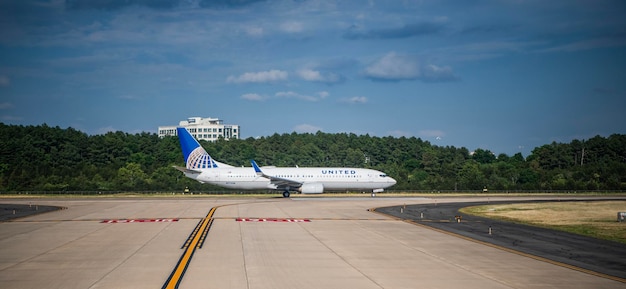
Innovating Aviation Communication for Safer Skies
Boeing and United Airlines have recently concluded an important series of flight tests aimed at validating a modernized data communication system. This initiative is designed to improve the way information is exchanged between the aircraft cockpit, air traffic control, and airline operations centers, enhancing operational efficiency and flight safety.
Flight Test Details and Goals
The tests took place using a United 737-8 – which also serves as Boeing's 2025 ecoDemonstrator Explorer – flying from Houston in the United States and Edinburgh in Scotland. Over about two weeks, the focus was on evaluating the use of Internet Protocol Suite (IPS) standards on board. These standards are expected to play a key role in reducing air traffic congestion, as well as lowering fuel consumption, emissions, and costs.
The EcoDemonstrator Explorer Project
The project is a decade-long collaborative effort not just between Boeing and United Airlines but also includes a wide range of stakeholders such as government agencies, aerospace suppliers, communication companies, and academia. Some notable contributors include Collins Aerospace, Honeywell, SITA, Thales, Viasat, NASA, the European Space Agency, and Embry-Riddle Aeronautical University.
This broad coalition worked together to test and refine a system aiming to support future advancements in trajectory-based operations, ultimately improving the control and management of global air traffic.
From Technology Testing to Operational Impact
Since its launch in 2012, Boeing’s ecoDemonstrator program has introduced over 250 technologies designed to enhance flight safety, reduce environmental impacts, and increase operational efficiency. The latest flight tests mark a significant step in pushing digital communications to the forefront of aviation technology, promising more reliable, secure, and effective communications throughout worldwide airspace.
The Future of Air Traffic Management
The cooperation between Boeing, United Airlines, and the various partners underscores the aviation industry's commitment to modernizing air traffic control systems worldwide. Implementing IPS standards is a milestone towards greater economic benefits for the sector, while also supporting vital sustainability goals by minimizing fuel use and emissions.
Key Benefits of the Modernized Communication System
- Enhanced information flow between the flight deck, ground control, and operations centers
- Reduced air traffic congestion translating to smoother operations and less delay
- Lower fuel consumption and emissions aiding environmental commitments
- Cost savings for airlines and passengers alike through optimized routing and efficient communications
Table: Flight Test Locations and Focus Areas
| Location | Aircraft Used | Focus of Tests |
|---|---|---|
| Houston, USA | United 737-8 ecoDemonstrator Explorer | Read Also
CommentsLoading comments... |