
Nanjing, China - A Travel Guide to Historic Sites and Modern Attractions
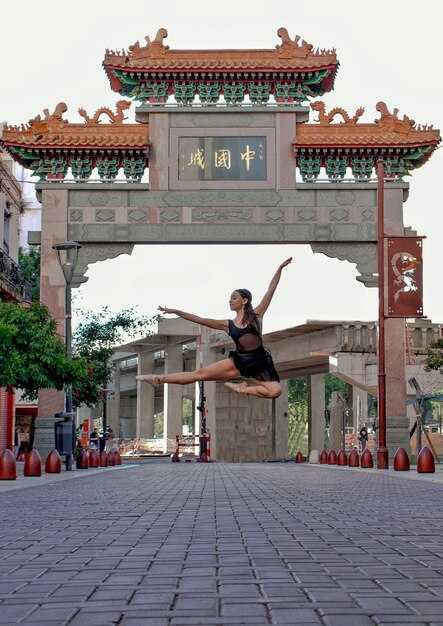
Plan a two-day route blending historic sites with modern attractions. Begin at zhongyangmen, a gate at the edge of Nanjing's ancient city wall, and stroll the surrounding public lanes to feel the old town centre. Nanjing has long been a trade centre on the Yangtze corridor, attracting both domestic and foreign visitors who seek a proper mix of traditional life and smart urban energy.
For historic depth, visit the Ming Xiaoling Mausoleum and the intact sections of the city wall, with the gate near the northern stretch forming a focal point along the route. Allocate 2–3 hours for the Ming Xiaoling complex, where ceremonial halls and stone carvings reflect the dynasty’s grandeur. The Sun Yat-sen Memorial Hall sits on Purple Mountain and offers a public hall that presents his legacy. The Nanjing Museum anchors the city’s specialized museum scene with curated artefact galleries and rotating exhibitions. Public exhibitions connect stories from across the country.
In parallel, explore the modern zone along the riverfront, where Xinjiekou's busy streets meet smart architecture and riverside parks. The centre around this area hosts restaurants, galleries and tech offices, driven by public investment that supports both museums and specialized venues. Foreign visitors will appreciate clear signage and multilingual maps; opengov portals provide opening hours, accessibility and ticketing details so you can plan efficiently. The name Nanjing reflects its traditional identity, and the beijing influence is visible in some public squares as well as in forward-looking design. This makes Nanjing a world destination for heritage and modern life.
Plan Your Trip: Getting There by Plane and Airport Tips
Fly into Nanjing Lukou International Airport (NKG) and go door-to-door to your hotel; expect 30–60 minutes to central districts depending on traffic.
Airport Arrival Options
- Taxi or ride-hailing: fastest route to the heart of the city; tell the driver you’re headed to the jianye district or qixia for quickest access to residential areas and universities.
- Airport shuttle buses: low-cost connections to Jianye, Qixia, and other counties; check hours and stops at the information desk.
- Car rental counters: pick up a vehicle for a flexible plan to explore nearby counties and science parks; ensure you have maps, a local SIM, and proper materials for navigation.
- Rail connections and city buses: some routes connect to the city rail network nearby; verify current options with staff to avoid delays.
Tips for Smooth Ground Transport
- There lies a straightforward path to the highway that avoids peak traffic lanes, especially during morning and evening hours.
- Download the city transit app for real-time updates from intelligence services and the mayor’s office; this helps you pick the best route during health and safety alerts.
- When you arrive from carbondale or other parts of the country, plan a route via Shanghai or Beijing to connect with Nanjing quickly.
- Keep door numbers handy and confirm your hotel’s exact address at the reception; this reduces mistakes if you don’t speak Mandarin fluently.
- If a local party event is in town, expect elevated traffic; allocate extra time and consider a later arrival to avoid crowds.
In addition to convenience, the airport serves as a hub for industries and trade, linking you to jianye, qixia, and other districts where universities and museums showcase science and health initiatives. There, you can gauge the significance of the city’s material culture through a quick visit to public displays and local museums. The mayor’s office publishes updated hours for public transport, toll-free routes, and completed road upgrades on the official site. This helps you plan a door-to-door itinerary that covers both residential districts and the wider country, with a focus on safety and comfort during your stay in Nanjing.
Move Easily: Public Transit, Taxis, Trams, and Bike Rentals
Use the metro as your backbone: it moves you quickly between the Qinhuai riverside, east-side districts, and university grounds, with fewer delays than streets during busy days. Before you travel, check hours and last trains, and keep a note of the number of stops you’ll pass. For official schedules, consult httpenglishnanjinggovcn and opengov information pages, and use the data to plan your days. Some routes connect with trams along the Qinhuai, offering a scenic option and less crowded options in peak hours. You’ll find guidance in a britannica article that shows how the city’s transit evolved, and you can compare details via httpswwwbritannicacom as a reference. This groundwork helps you move with confidence and stay informed about what to expect on the ground.
Metro, Trams, and Buses
Nanjing’s metro hours run roughly 05:30–23:00, with trains every 5–8 minutes at peak times and every 8–12 minutes off-peak. Fare starts around 2 RMB and scales with distance; load a rechargeable card at any station to speed up boarding. The Qinhuai tram serves as a pleasant, low-traffic option along the riverfront on select days, perfect for short hops close to the historic side of town. Buses fill gaps between campuses and city centers, with English signs at major stops and real-time information boards. Before you head out, confirm last buses for your route and keep a small map handy; this helps you avoid delays in busy grounds and side streets. For context, the britannica article shows the transit’s evolution, and you can find additional details on the referenced sites for a broader view of the network.
Taxis and Bike Rentals
Taxis are plentiful, and app-based services like Didi Chuxing are widely used for convenience and safety. A typical downtown hop costs more in peak hours or late at night, so plan a little extra time and money accordingly. If you prefer a slower pace, bike rentals are plentiful near transit hubs and campus grounds; unlock via the QR code in the app, with initial costs around 1 RMB to unlock and about 0.5–1 RMB per 15–20 minutes thereafter. Ride on the side roads or dedicated bike lanes to stay safe, especially along the Qinhuai river corridor and other east-side routes. Expect some bikes to be in demand on busy days, so have a backup plan and check information on open government (opengov) channels for any service changes. Some travelers also use bikes to reach agriculture markets and local neighborhoods, giving you a closer look at daily life and street-side activity. If you have feedback after a ride, use the app’s feedback feature so providers can improve service. Thank you for planning ahead and using these options to tailor your movements around the city; your information helps others travel smoother across days and weekends.
Historic Highlights: Practical Itinerary for Nanjing Monuments
Begin at Zhongshan Mausoleum on Purple Mountain to catch clear morning light. The grounds are marked by a monumental stairway, ceremonial gates, and long terraces; the complex has been completed and remains a strong starting point for a monuments-focused day. This site is popular with both locals and tourism crowds.
From there, descend to Ming Xiaoling Mausoleum along a long stone-pathed route that leads past the Spirit Way and through colonnades of stone beasts. The site offers educational value through carved details and inscriptions and reflects anhui and northeastern influences in its craftsmanship. This stop is popular among expats and locals, and you can read about the dynasty's history at shaded pavilions along the route, including the main gate, dragon pool, and terrace views.
Next, take the subway system to Xinjiekou for a lunch break in a modern hub; the subway lines run frequently, and some museums and eateries offer discounts for students or expats with valid IDs. After lunch, head to the Nanjing Massacre Memorial Hall to honor the victims; the museum presents a concise timeline with a reflective layout, and a viewing deck provides river views on the upper level. Check the news boards on site for any closures and use the feedback counters to share impressions for future visitors.
Then, visit the Fuzi area (fuzi) near Fuzimiao for a stroll along the side streets and the riverfront markets; this segment blends preserved architecture with places to eat and shop, making it a practical end-cap to the day. If energy remains, add a short walk along a section of the City Wall to see the long ramparts that guarded Nanjing for centuries.
Itinerary Snapshot
Morning: Zhongshan Mausoleum, Ming Xiaoling Mausoleum. Afternoon: Fuzi area and Nanjing Massacre Memorial Hall. Optional: short City Wall stretch. Total time: five to six hours, depending on stops. For a balanced plan, use Xinjiekou as a lunch hub to reset before the afternoon sights.
Practical Access and Tips
Use the subway system for inter-site moves; lines connect Purple Mountain, the old town, and the central business district. Get an IC card to save on fares. some places offer discounts for students or expats who present valid IDs. The mayor's office has expanded grounds with more seating and shade; check news for closures and updates. Visitor feedback helps planners adjust routes, and the deck viewpoints along the riverfront provide a nice pause between monuments.
Modern Nanjing: City Layout, Eco Hi-Tech Island and Key Districts
Start at Xinjiekou, the major commercial core, and map a route that encircles the heart of the city. The city layout centers on two rings and a north-south spine that links Xuanwu and Zhongshan through a grid of streets. For a practical day, walk about two thousand to three thousand feet between highlights, then ride the metro for longer jumps. Official information appears at httpsgainfasusdagov, and panel maps at stations label districts and streets for easy orientation. in january, upgrades to bike lanes and lighting make night visits safer. The major economy rests on a mix of sectors such as education, services, and tech, with campuses and business parks clustered along the central axis. The districts named Xuanwu and Zhongshan anchor the core, while areas like andemen and miao appear on some maps. yangzhou serves as a useful comparison for scale, while the encircled rings keep traffic on balance.
Eco Hi-Tech Island
Eco Hi-Tech Island sits on the north bank and uses a built footprint focused on green corridors. Solar-panel roofs top research centers, and water recycling plants support long-term operations. The island hosts startups, universities, and incubators in sectors such as biotech, information technology, and new materials. Visitors can learn from information centers and public displays; paths connect to parks and waterways, encircled by a pedestrian network. in january, tours highlight milestone projects and ongoing collaborations. The island remains linked to the wider economy through research parks, which contribute to higher output and job opportunities across the city.
Key Districts: Xuanwu and Zhongshan
Xuanwu sits encircled by cultural sites and government buildings, with the river to the west and a cluster of universities nearby. The district lies close to the central wards and features well-preserved streets and historic campuses, plus efficient transit links that connect to the core. Zhongshan lies to the east, hosting major commerce districts, riverfront promenades, and a rapid transit corridor. Together they form the spine for visitors who want a mix of memory-filled streets and modern amenities. Both districts offer walking routes that highlight street-level life and food scenes; most sites lie within a one- to two-mile radius, making it easy to cover on foot. Agriculture zones on the periphery supply fresh produce to nearby markets, and the feet of pedestrians are supported by new crosswalks and improved signage.
Economic Pulse: Economy, Industry, Foreign Investments and Key Facts
Begin with a focused field check: visit citys industrial parks in june, observe production lines, logistics hubs and residential areas to gauge economic activity. Use wallof data dashboards and httpswwwsgsmesg to verify numbers, then compare those figures with trusted websites and britannicas entries to spot trends less subject to short-term noise.
The economic system in Nanjing blends traditional manufacturing with growing services. historically, such sectors benefited from national policies and cooperation across borders. mandarin-speaking teams coordinate with foreign partners, leveraging local materials and skilled workforces. the fourth quarter often shows marked momentum in materials, electronics and automotive components, while residential and commercial demand remains steady across great andemen branch corridors that fuel continued growth.
Foreign investments stay diversified, with moling activity in tech, automotive parts and consumer goods. In june, inflows held steady, taking a share of percent in high‑tech projects and infrastructure. those who engage with citys suppliers and local agencies gain faster approvals, stronger cooperation and clearer pathways to scale. data from httpswwwsgsmesg and national statistics portals provide context for planners and investors aiming to align with Mandarin-speaking teams and national policies.
Foreign Investments
Foreign capital remains spread across technology, environmental equipment and logistics services. In recent periods, percent growth in high‑tech manufacturing has been a notable driver, supported by branch offices and joint ventures that shorten project timelines. The city promotes cross‑border cooperation with local suppliers, and incentives are targeted to reduce take‑up time for new plants and training programs for the Miao and other communities who participate in local projects.
Key Facts
| Indicator | Approx. Range | Notes |
|---|---|---|
| Industrial output share | 40–45 percent | Manufacturing remains core, with electronics and materials leading |
| FDI inflows share | 20–30 percent of total investment | High-tech and infrastructure attract most capital |
| Leading sectors | electrical equipment, materials, automotive parts | branch development supports regional supply chains |
| Labor force composition | residential workers; mandarin-speaking staff | Skills programs and national policies uplift training |
Culture and Society: Education, Museums and Local Life
Start with a concrete plan: walk the zhongshan district, tour a university campus, then step into a museum to connect learning with daily life. Nanjings main institutions encompass universities, specialized colleges and research centers, with a population around a million residents and students, and a robust administration that coordinates cultural programs. A carved door at the university gate invites you to enter libraries, lecture halls and study spaces frequented by locals after work. nanjings institutions reflect a continuum from ancient scholarship to modern programs, offering visitors a lens on city life.
Education and Museums in Practice
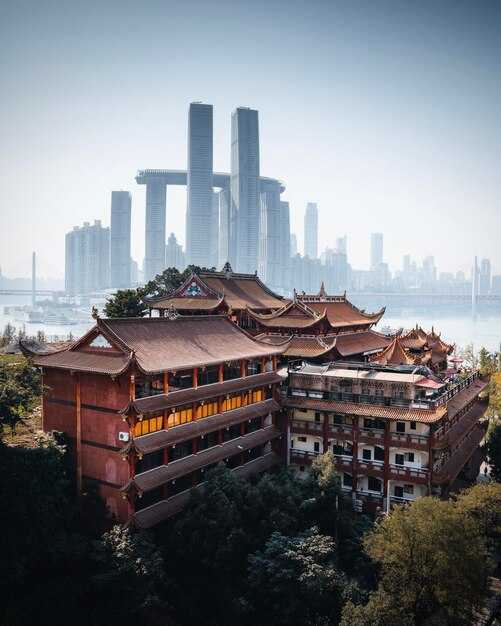
The education scene centers on Nanjing University and several specialized institutes, backed by municipal administration. The high‑level programs span science, engineering, humanities and arts, with partnerships to local enterprises that keep research and training relevant. The former administration buildings on campus echo decades of leadership in learning, while public lectures, open days and student workshops bring classrooms into the street. Visitors can join guided tours at the Nanjing Museum or campus events to see how study translates into craft and industry.
For practical planning, check the table in hktdc guides for opening hours and museum programs; they offer a clear map of family‑friendly activities, campus tours and seasonal exhibitions. This table‑based approach helps you align a day around peak hours and lunch spots.
nanjings residents value street markets, campus life and a variety of eateries that reveal how daily life intertwines with education. The agriculture heritage of Jiangsu shows in countryside farms nearby and in museum displays that explain tools and methods used by farmers. A short ride to an old estate district reveals preserved doorways, courtyards and communal spaces where former merchants lived and traded. Several neighborhoods host craft studios and small galleries, luring curious visitors with hands-on workshops and short classes run by local institutions. A carved door at a heritage house welcomes visitors into a courtyard that hosts weekend markets.


