
Luxor Airport Day Tour to the Valley of the Kings, Hatshepsut Temple & Karnak Temple – Guided with Lunch
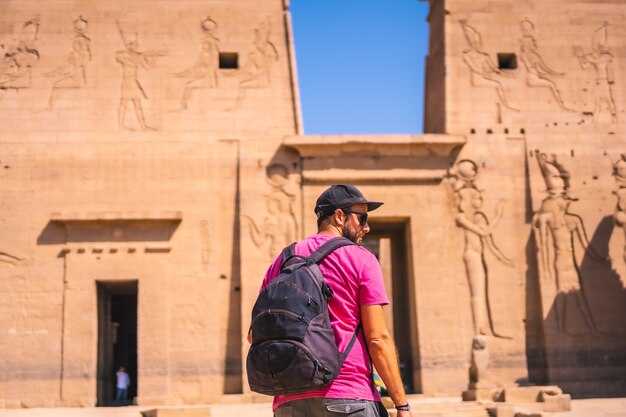
Make your booking now for a streamlined Luxor Airport Day Tour to the Valley of the Kings, Hatshepsut Temple & Karnak Temple – Guided with Lunch. A punctual pickup at Luxor Airport puts you in a comfortable vehicle, and a single knowledgeable guide leads a small group through the day, giving clear context for each stop. A driver handles the transfers, while a light breakfast box and bottled water keep you energized; lunch is included at a shaded dining spot along the route.
First stop: Valley of the Kings, where tombs discovered in 1922 by Howard Carter reveal figures and rich decoration carved into the rock. The guide explains each chamber and shows where to pause for the best photography, while noting preservation efforts that protect the walls for year after year, and how active guardians preserve the surfaces for future generations. The inquisitive mind will appreciate the scale and care here.
Next, the Hatshepsut Temple climbs along the hillside with striking decoration and ongoing preservation of its reliefs. The guide highlights the queen’s ascent and the temple’s integration with the stone hillside. Along the way, local vendors offer light snacks, and if you want a longer pause, the dining options nearby let you extend your visit without losing momentum.
Finally, Karnak Temple awaits with the Grand Hypostyle Hall, a forest of 134 columns that dominates the complex. Your guide explains construction phases spanning centuries and the evolution of hieroglyphic decoration. A midday lunch is served in a shaded dining area within the precinct, giving you time to reflect and plan your next steps.
Practical notes: wear comfortable shoes, bring sunscreen, and plan for a full day. The itinerary runs about eight hours, with longer photo stops along the route when lighting is best. apparently this arrangement saves time and keeps the experience focused. If you need to adjust timing, contact us by telephone and we’ll help. Never worry about logistics–the team coordinates pickups from the airport or hotel, and we make your trip smoother through a seamless booking process. The year-round schedule keeps the program reliable, so you can book with confidence.
What’s Included: Transport, Guide, Lunch, and Entrance Fees
Choose this Luxor day tour for a hassle-free, fully covered day that bundles transport, guide, lunch, and entrance fees into one simple plan. The chosen itinerary keeps you focused on the must-see elements, and for the traveler who loves history, this route highlights how temples began and what they reveal about the birth of the city’s legends.
Board a modern, air-conditioned coach picked up at your hotel or a central meeting point; you’ll enjoy safe, punctual transport between sites and convenient rest stops. That task stays simple when all elements are included, and the setup helps protect your belongings and energy for the day.
Your English-speaking guide shares knowledge about how temples began, how the architecture depicts centuries of rulers, and how artists depict iconic scenes that reveal the bodies of history carved in stone.
Lunch is a balanced meal served on-site, with salads, bread, and a variety of dishes, plus bottled water.
Entrance to the main sites–Valley of the Kings, Hatshepsut Temple, and Karnak Temple–is included in the package; kv11 is noted on site maps as one of the tombs you may encounter.
Families with kids appreciate the clear pacing and photo stops; the plan works well for all ages, and you’ll leave with a richer understanding of the rulers who shaped the valley.
To simplify logistics, this option frees the traveler to create memories rather than manage details, and you can adjust plans with the guide if you want extra time at iconic monuments. Your day begins with pickup, moves through the Valley of the Kings, Hatshepsut Temple, and Karnak Temple, and ends with a relaxed drop-off back at your hotel.
Pickup Point and Meeting Time at Luxor Airport
Meet the guide at Luxor International Airport Arrivals Hall, outside the terminal near the Welcome Desk, holding a sign with your name. The driver will be close by; after you identify, you’ll be escorted to the vehicle and receive a concise briefing for the plan ahead. This smooth start goes through the arrivals process to save time and keep your vacation on track. Take the first steps leaving the terminal as the guide leads you to the vehicle, and travelers and customers are welcomed and prepared for a rich day ahead.
Where to meet
- Location: Arrivals Hall, outside the terminal, near the main exit and baggage claim. Look for a clearly labeled sign with your name or tour title; the guide will greet you with a warm welcome and help with luggage.
- Team: a licensed local guide plus driver are provided to customers; this start is designed to create a smooth transition from air to road.
Timings and adjustments
- Default meeting time: 60 minutes after landing. For example, if your plane touches down at 08:15, expect the guide by 09:15, ready to begin the day.
- Delays: if customs or baggage take longer, call the local number on your voucher. The guide can adjust the meeting by up to 2 hours and keep the rest of the plan intact.
- Schedule buffer: we leave a comfortable buffer for short breaks, a few photo stops along the corniche, and quick orientation before the first temple visit; this keeps hours consistent and the vacation on track.
Tips: bring your passport and voucher; remember to carry water and sunscreen; this welcome procedure is designed to save you time and ensure a successful start to a rich day of discovery and treasure. The first stop is usually a pharaonic temple complex, and you may hear about rock-cut tombs like kv47 during the historical context provided by your guide. If you arrive later or depart after dark, the driver can point out night views along the corniche under the stars.
Valley of the Kings Visit: Tombs Open to the Public and Photography Rules
Guides told you to arrive early today with an experienced team ready to welcome you and help you live the story, appreciating everything without rush.
Public access covers the main tombs, including the Ramesses II and Ramesses III vaults, within a large, covered network that protects centuries of wall paintings. The total number of sites open to visitors varies; your guide will confirm the list and secure the best options as part of your package. These tombs survived millennia and today offer a remarkable, tangible link to archaeology and to the generations who built them.
Photography rules are clear: flash is prohibited inside tomb chambers to preserve the pigments; natural light is preferred, and you may photograph in most galleries without flash. Some zones limit or prohibit photography, and tripods or specialist equipment usually require explicit permission. Drones are not allowed. By following these rules, you secure a better experience for both you and future visitors, and you can appreciate the stars above the desert as you exit; a single star may appear as you leave.
| Aspect | Rules | Notes |
|---|---|---|
| Tombs Open to Public | Most major tombs are accessible; access to some chambers varies by day or crowd level | Ramesses II and Ramesses III are commonly highlighted sites |
| Photography Rules | No flash; no drones; no tripods; limited video in some tombs | Check with your guide for exceptions; avoid touching inscriptions |
| Practical Tips | Wear comfortable shoes; carry water; total visit time 1–2 hours; follow payment and entry details | Package details are provided by the operator today |
| Respect & Safety | Do not touch painted surfaces; stay with the group; keep voices quiet | Secure belongings; small bags preferred |
The experience aims to connect you with a British-led archaeological tradition and the work of Ramesses-era builders, offering an exclusive glance into a long history. A motor shuttle is used between points when crowds make longer walks impractical. The story remains told across walls coated in gold tones and the careful efforts of scholars who have preserved this site for visitors today. If you love history, this package details a balanced approach–hands-on, informative, and safe.
Hatshepsut Temple: Key Highlights, Access Details, and Best Photo Angles
Arrive at first light to catch warm tones on the limestone and avoid mid-day crowds; this moment gives you a clear view of the ramp that climbs between the terraces. Access starts at Deir el-Bahari with a short uphill walk from the Nile path; the site sits remote from the busy riverfront, yet remains easily combined with other Luxor stops. The complex has been examined by archaeologists, who map a sequence of spaces that connect the ceremonial court, hypostyle halls, and the sanctuaries. The three terraces form a dramatic procession axis, and the carvings along the walls survived centuries of sand and weather, delivering messages about beliefs, legitimacy, and royal duties that shaped the period. Visitors with interests in royal iconography will notice how the design emphasizes ascent, balance, and the queen’s public role. That combination makes the temple a unique study in ancient statecraft. Plan a half-day visit to allow time for photos and a stroll through the nearby bazaar for dining and crafts after the tour. A backdrop of al-qurn rises behind the terraces, adding depth to outdoor photos, and the deep desert weather creates perfect contrasts on the stone surfaces. The experience resonates with this remote setting, where sand and stone tell a story that many visitors find compelling.
Key Highlights
The temple’s footprint blends terraces, a grand courtyard, and a sanctuary aligned with the sun. On the first terrace, a gateway leads to a long colonnade with carved reliefs that document the queen’s divine status and offerings to the gods. The second terrace continues with more reliefs along the approach corridors, while the third terrace contains the sacred inner rooms–small sanctuaries connected by narrow passageways. Carvings cover the walls in scenes that survived the centuries, conveying beliefs and ritual duties that guided statecraft. The length of the ramp creates a powerful sense of ascent, and the between-space transitions emphasize a deliberate procession from earthly to divine. Scholars examined these elements to reveal why the temple became a cornerstone of New Kingdom architecture, and why its design influenced later mortuary complexes. The site’s links to abydos and other sacred networks lend a deeper context to its significance, while the hillside setting offers a serene, almost solemn atmosphere for visitors and researchers alike.
Best Photo Angles
Capture the base-to-ramp perspective from the courtyard edge to emphasize the length and scale of the ascent, with al-qurn framing the background. Move to the upper terrace for a shot that includes the colonnade and the distant valley, using the rhythm of columns to guide the eye along the sequence. For close details, frame the carvings in deep relief on the walls and pick out offerings, gods, and royal scenes that survived the desert. Shoot when the sun is low to avoid harsh shadows, and consider a wide lens to encompass the terrace, sanctuary, and sky in one frame. After the visit, stroll to a nearby bazaar for dining and light purchases, then reflect on how these discoveries fit into the broader ancient narrative that mixed beliefs with royal messaging. This setting, along with the remote hillside, offers a perfect backdrop for portraits and architectural studies, whether you’re alone or leaving room for a few travel companions to share the moment.
Karnak Temple Complex: Main Sights, Walking Route, and Time Allocation
Recommendation: Start at the front gate of Karnak's Precinct of Amun-Ra and reserve 2.5–3 hours for the core sights. This pace lets you absorb the high columns, the rich decorations, and the reliefs that tell the story of a powerful kingdom without rushing.
Walking route: From the front entrance, move through the forecourt into the Great Court, then into the Great Hypostyle Hall where 134 columns soar above. Continue to the Great Temple of Amun-Ra, visit its inner sanctuaries, and finish with the nearby Temple of Khonsu and the Temple of Mut. The Sacred Lake sits nearby for a quiet moment before you complete the circuit. End points align with typical visitor traffic and give chances to compare reliefs across precincts.
Time allocation: Forecourt 15–20 minutes; Great Court 20–30 minutes; Hypostyle Hall 30–40 minutes; Great Temple of Amun-Ra 45–60 minutes; Temple of Khonsu 20–30 minutes; Temple of Mut and nearby structures 15–20 minutes. Leave 10–15 minutes for photos and a quick seating break in shade. For a longer pace, add 30–45 minutes to linger over inscriptions and doorway decorations.
Season and practical tips: Visit during the milder season (October–February) for comfortable pacing; otherwise start at dawn or late afternoon. Bring water and wear breathable footwear; a light breakfast can help you stay energized for the exploration. Guided visits often highlight the role of archaeologists and the evolution of the site, making a shorter stop feel deeply informative. You’ll notice how the sacred spaces were designed to honor the deceased and sustain ritual life, which makes the experience unforgettable.
Security and etiquette: Stay with your guide, respect restricted zones, and keep a safe distance from structural reliefs. Share the experience with your travel companions by pointing out the high columns and dramatic hieroglyphs. Karnak’s scale invites visits and longer stays for anyone who wants to soak in the world’s oldest monumental religion.
What to highlight: The Hypostyle Hall remains the crown jewel, with its forest of columns and sunlit clerestory. The Great Temple precincts feature monumental pylons, obelisks, and inscriptions that recount rulers and their divine backing. Karnak sits far from the pyramid legacy of Giza, yet its details–decorations, inscriptions, and sacred architecture–deliver a lasting impression for anyone seeking an unforgettable excursion in Luxor.
Lunch Break: Menu Options, Dietary Requests, and Service Timing
We recommend choosing the Grilled Herb Chicken with lemon rice option for a balanced, easy-to-eat meal that travels well and keeps you energized for the afternoon visits to landmarks such as Memnon and the Valley of the Kings, making the break a true opportunity to reset before the next step of the day, especially if you visited the mummy gallery earlier and plan to explore the afterlife exhibits. The meal is made fresh and comes with options designed to enhance flavor while meeting common dietary requirements.
Menu Options
Options rotate daily and are prepared on the ship's kitchen or on site. Choices include: Grilled herb chicken with lemon rice and seasonal vegetables; Falafel wrap with tahini and fresh salad; Koshari bowl with lentils, rice, pasta, tomato sauce, and crispy onions. Gluten-free and vegan adjustments are available on request; please share dietary requirements at the time of booking or at least 24 hours in advance to ensure safe preparation against concealed allergens. Theyre crafted to suit a range of tastes and needs, and were designed by experienced chefs who know the environment well, so you can feel confident about what you eat after deep, active visits to public sites and the entry points.
Dietary Requests and Service Timing
Dietary requests: specify gluten-free, dairy-free, nut-free, halal, vegan, or other needs; our team notes these requirements carefully and labels dishes accordingly, ensuring theyre needs are met by adjusting sauces and avoiding cross-contact, including concealed allergens. While guests enjoy the mid-tour break, service runs in two timed windows: starting at 12:30 and finishing by 1:15, with a staffed fallback if groups are delayed. The ship's crew coordinates delivery to the meeting point to minimize lines, so you can continue your visits with minimal disruption. Dates on the itinerary help us align meal times with entry to sites and public areas; if you visited on past tours, you remember how this rhythm enhances the experience and reduces fatigue. This approach took years of experience by our crew to ensure a deep, comfortable pause on the Luxor day tour, and it helps you remember the journey as you continue your exploration.
Practical Tips for the Day: Dress Code, Hydration, Weather, and Accessibility
What to wear
Choose breathable, light fabrics, bring a good hat, sunglasses, and sturdy closed-toe shoes for the drive between multiple sites. Layer for morning cool and the afternoon heat, and pack sunscreen, a water bottle, and a light scarf for wind near the entrance to temples. Choosing the right gear helps you stay comfortable all day.
Keep sleeves and knees comfortable; a lightweight jacket helps on the bus and in shaded courtyards. A compact backpack keeps essentials within reach without weighing you down. This day suits a curious person who loves history.
What to bring, hydration, weather, and accessibility
Carry 1.5–2 liters of water per person; water is provided at some stops, but plan for multiple refill opportunities. Hydration keeps you energized through exploration of hieroglyphic details, the magnificent pyramid, and burial chambers. Bring sunscreen, lip balm with SPF, a camera for photos, and spare batteries. The leader will guide you through rotation of breaks to manage fatigue. If you love exploration, this could be a good match for you.
Desert weather can be hot and dry with a sharp sun and light winds. Typically, daytime highs reach into the 30s Celsius; at sunset the air cools. Start early to enjoy calmer conditions and the magnificent light on temple walls. Wear a hat and sunglasses and keep a light layer handy for cooler periods.
Accessibility varies by site: some areas have uneven surfaces and stairs near the entrance. Staff provide seating during breaks and help with routes for guests who need mobility support. If you couldnt complete the full rotation of breaks, tell the leader so pacing can be adjusted.
For the best experience, bring a compact bag, memory cards, and a water bottle. These places carry a century of tradition. The exploration connects you with historical details and civilization, offering natural, long views of the world. Entrance rules apply, and capture photos with care so you can keep memorable moments of the magnificent experience without disrupting others. Remember to respect the guide's instructions at all times and to rotate breaks when needed.


