

Guarulhos International Airport GRU Guide - Essential Tips for São Paulo Travelers

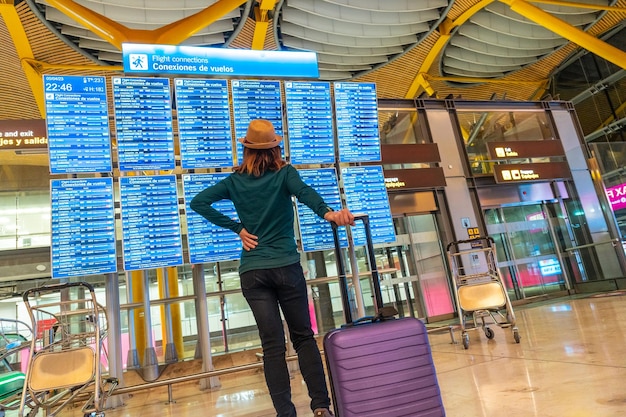

Take the official shuttle from the arrivals hall for a comfortable first hour in the city. The GRU shuttle desk is clearly marked, and the ride to central São Paulo hotels is wide, cheap, and reliable, helping you avoid crowded taxis and long waits.
Know your options for onward travel around GRU: official assistance desks help you arrange taxi, rideshare, or a long-distance coach, and you can choose routes particularly suited to your plans. For a tourist, a fixed itinerary reduces stress and makes your day smoother.
If your plans include a visit to Ribeirão, the official desk can point you to reliable transfer options and time estimates, so you can lock in your schedule with a single booking and avoid surprises.
Shuttle options provide a direct link to major districts, and you can expect 1–2 hours depending on traffic; the service provides a comfortable experience with luggage support and real-time status updates that help your itinerary and impact your day start. Advantages such as fixed times and predictable pricing further improve the value of this option.
As a tourist, know that GRU facilities provide clear signage, free Wi-Fi, and official assistance counters that speak English and Portuguese; the team can help you with currency, SIM cards, and cheap outbound transfers to the city center. Booking in advance requires checking the latest shuttle times to avoid delays.
When you plan your arrival, allow an hour to clear customs, collect bags, and reach the shuttle stops; during peak hours you may need more time, so schedule a buffer in your plans. This approach keeps the transition seamless. You can guide yourself with official maps and signage. A wide range of cheap options exist for transit to key neighborhoods like Consolação, Vila Madalena, and Itaim Bibi.
Guarulhos International Airport GRU Guide: Practical Tips for São Paulo Travelers; Sao Paulo Airport Shuttle
Book a door-to-door shuttle before you land; a driver will be waiting in the arrivals hall with a clear sign, and the fare is fixed for your route.
Choose from private shuttle, shared shuttle, or app-based pickups. Meet at the arrivals hall where dedicated desks and signage mark the shuttle area, then follow clear directions to your vehicle for a hassle-free start to your trip.
- Booking and planning: secure a pickup via your preferred option and confirm the exact meeting point in advance; early bookings reduce the risk of delays during peak times.
- Pricing and options: private shuttles offer direct service with higher comfort, while shared shuttles cut costs but may stop at multiple hubs; estimated fares vary by distance and service level, and higher to citys districts like Jardins or Avenida areas.
- Metered taxis vs. shuttles: metered taxis remain available, but they depend on traffic and meter progress; shuttles provide fixed rates and predictable arrival times for planning needs.
- Payment and codes: most operators accept card on booking; look for promo codes or corporate deals (examples include discount codes from Montoro-area partners or Blanckaert programs) to lower costs on longer trips.
- Shops and comfort: terminals host shops for SIM cards, snacks, and travel essentials, so you can stock up before heading to the city or your hotel in Jardins, Avenida Paulista, or other area hubs.
Traveling with luggage is straightforward: private and larger shuttles handle multiple bags, while shared options keep a tight schedule but may require lighter packing to speed up pickups.
Estimated travel times from GRU to central zones vary with traffic. Early morning trips to Jardins or Avenida districts typically run 20–40 minutes; peak hours can push this to 60 minutes or more, especially in citys core areas.
To maximize efficiency, arrange pickups aligned with your flight’s arrival time and hotel check-in. If you land during events or busy periods, booking ahead becomes essential to avoid waiting in lines or missing a connection.
GRU layout and security flow are straightforward: follow signs to the arrivals hall, then to the designated shuttle zones near the building; staff in the hall can direct you to the correct pickup lanes and ensure you reach your vehicle quickly.
For those visiting multiple hubs, consider a route planning approach that targets high-traffic areas first. Hubs near Avenida Paulista and Jardins often have the most direct access routes, while Montoro-area offices may require a slightly longer drive during rush hours.
If you need assistance after landing, airport support desks in the hall provide quick help with bookings, changes, or directions, making the transition from airside to ground transportation smooth.
GRU Terminal Layout: Which Terminal Handles Your Flight
Choose T3 for international flights; the official GRU terminal layout shows T3 handling most international traffic, while T2 serves the majority of domestic routes and T1 hosts a smaller set of operations. Confirm with your airline or the official maps online ahead of your visit; GRU handles millions annually.
To minimize surprises, check the terminal map online before you go; GRU's halls connect by covered walkways and a frequent shuttle. Distances between areas around the terminals vary; plan 15-20 minutes on foot or use the shuttle. If you carry baggage, dont rush and allow extra time to avoid delays during peak moments.
Look for preto signage near security and gates; wi-fi is available throughout and maps are posted in multiple languages. Azul counters and azul signage indicate where to check in for flights; Terminal três (T3) hosts most international traffic while Terminal dois (T2) covers the bulk of the domestic flights. For visits to tatuapé or other city areas around Ribeirão, consult online maps to estimate distances and plan your transfer.
Airlines require proper documents; bring your passport and boarding pass; baggage drop areas vary by terminal; verify with the airline to ensure you use the correct baggage handling location.
Ahead of your trip, visit the official GRU site to confirm your terminal and gate; week and weekend schedules can shift; planning in advance helps avoid last-minute moves. Online resources and maps make it easier to choose the right terminal and route.
Pro tips: arrive at least 2 hour ahead for international flights and 1.5 hours for domestic; bring essential items; keep your phone charged for wi-fi access; allocate an extra hour and keep an eye on the range of distances between counters and baggage areas to stay calm while you navigate the airports. Don’t forget to bring your documents and stay aware of areas around the terminals that connect to taxis, trains, and buses for quicker transfers to tatuapé or Ribeirão neighborhoods.
Pickup and Drop-off: Where to Find GRU Ground Transportation Desks
Go to the Ground Transportation Desk in Arrivals for a straightforward option right after you land. This desk helps you compare taxi, ride-hailing, shuttle, and rental-car options in one place, and staff can guide you to the best pick for your paulo trip. This service can be booked fully online, with updates published this season. Desk layouts are reviewed annually to improve flow and finding the fastest route from arrivals to curb.
Desk locations by terminal
- Terminal 1: Arrivals area near baggage claim. Look for the Ground Transportation cluster and the multilingual signs. Times vary weekly and seasonally; check online before you land. This is a convenient starting point for those who want to compare major options quickly, then move to a dedicated curb.
- Terminal 2: Arrivals area, close to the international transfer zone and the Rental Car Center. A prominent desk handles taxis, ride-hailing queues, and rental desks, including localiza partners. For those with luggages, staff can advise on the best pickup point and help arrange a smoother handoff.
- Terminal 3: Centralized hub connecting to a broad ground-transport system. You’ll find independent counters, taxi desks, and multiple rental desks in one place. Localiza operates here as well, making it easy to compare several choices at the same time.
How to choose and what to expect

- Find the desk in arrivals and ask for the overview of options. This creates a quick point of reference and reduces the time spent wandering between counters.
- Ask for major choices and prices. Desk staff ranks options by proximity and wait time, so you can compare and pick the most convenient method for your week in São Paulo.
- Receive a voucher and pickup details. The process yields a ticket with the correct curb or meeting point. Bring this every visit to avoid delays, especially during peak season.
- Follow the designated pickup point. If you have oversized luggages, flag this early so staff arrange the right vehicle or shuttle.
- Complete payment and collect receipts. Most desks accept cards, while some require prepayment for longer transfers. Online reservations may offer updates and occasionally better rates than on-site options.
Booking a Sao Paulo Airport Shuttle: When to Reserve and How It Works
Reserve at least 24 hours in advance to secure a seat. For families or heavy luggage, booking 48 hours ahead reduces the risk of missing a preferred departure. Prices are approximately 25-60 USD for shared shuttles and 60-120 USD for private transfers, depending on drop-off location and vehicle size. Whether you travel solo or with a group, booking ahead makes the transfer easier and helps avoid last-minute hassles. If you’re arriving by train or combining travel modes, the service can be scheduled to match your timetable. If a pickup is possible at your arrival time, consider locking it in early to avoid delays.
To compare options, visit airporttransfercom or other reputable platforms to view major providers, schedules, and pickup types (door-to-door vs curbside) at GRU. This helps visitors exploring the city find better, faster connections and easier options for arriving visitors. If you have questions, check the FAQ on the provider’s site or contact support for specifics about routes or vehicle types.
How to book
Choose shuttle type (shared or private), enter your flight number and arrival terminal, and select your drop-off district. The system uses your flight data so you don’t wait if there are delays. When you confirm, you receive a booking confirmation that acts as your contract and includes pickup details, driver name, and contact number. If you need a fast option, opt for the fast transfer add-on where available.
Pickup and what to expect at GRU
Upon arrival, follow the signs to the arrivals area and look for the driver holding a sign with your name or booking ID. If a driver is not visible, contact the operator with the ID on your contract. Shuttles run approximately every 20-40 minutes during the day and every 60-90 minutes at night; times vary by provider. In crowded periods, the wait may be longer, but pre-booking minimizes heavy hassle and ensures a smoother transition from flight to vehicle.
Most routes connect to the largest hotels and business centers, making connections to downtown and beyond straightforward. If you’re arriving from preto, inform the concierge so the pickup team can adjust to the closest building with shops and an easy entrance. This arrangement is usually faster than hailing a taxi and helps you avoid long minutes in transit after landing.
Arrival Procedures: Immigration, Baggage Claim, and Customs at GRU
Go to immigration first; have your passport, visa (if required), and any forms ready, and take advantage of e-gates if eligible. peak hours create lengthy ranks of lines, so keep documents accessible and answer officers clearly.
dont rely on signage alone; ask staff if directions are unclear.
After clearance, follow signs to baggage claim in Terminal 3. Monitors show carousel numbers; collect luggages and take a photo of the tag for reference. If a bag doesn't show, report at the desk with the baggage tag; keep your reservations and your itinerary handy for inquiries.
Proceed to customs. Green Channel is for items with no declaration; Red Channel for items to declare. If you carry currency above the allowed threshold, declare it at the desk. Currency exchange desks near the exits offer a range of rate options; compare a couple of locations to secure a fair rate. If you are on a work trip, declare equipment used for tasks as needed. Keep luggages secure and avoid exposing valuables.
Transit and exit. If a connecting flight, use the transit area and follow signs to the next gate. For pauloguarulhos routes, exit to the arrivals hall and take a taxi or ride-hailing; plan ahead if heading to tatuapé. If your layover extends, consider a cowork space with fixed internet and power outlets for quick tasks.
| Step | Action | Location | Notes |
|---|---|---|---|
| 1) Immigration | Present passport, visa (if required), and forms; follow officer directions; use e-gate if eligible | GRU Terminal 3 arrivals hall | Queues rank by passenger type; peak times can create lengthy lines; take care with travel documents |
| 2) Baggage Claim | Collect luggages; verify against tag; report missing bag at the desk | Ground level baggage area, Terminal 3 | Monitors show carousel numbers; some flights share carousels; take note of your range |
| 3) Customs | Green Channel if nothing to declare; Red Channel if declaring; declare currency above threshold | Customs hall | Currency exchange desks near exits offer a range of rates; secure items properly |
| 4) Exit / Transit | Choose exit or proceed to transit for next gate | GRU connections and exits | Access taxis, ride-hailing; tatuapé and pauloguarulhos areas are reachable via local transit |
Moving Across GRU: Terminal Transfers, Signage, and Waiting Areas
Plan ahead: map your GRU transfer before you arrive and book an alternative like airporttaxiscom for a low-cost, fixed fare. This approach keeps you focused, reduces stress, and sets the tone for a smoother travel day, so youre ready for the next leg around the airport.
Signage and Terminal Transfers

Follow bilingual signage and color-coded paths to transfers; in GRU, look for panels labeled Transfer or Connecting Flights and follow arrows to the next terminal. Use preto panels for high-contrast visibility at night. The busiest routes connect T3 to T2 and T1, so allow extra time during peak hours. If you need support, stop by information desks or visit localiza counters in the arrivals hall for quick car hire. For a personalized experience, you can book a committed company transfer that fully handles your arrival and moves you ahead to your gate with a code that identifies your driver; youre ready to move.
Waiting areas in each terminal are clearly marked and include a mix of lounges, chairs with USB outlets, and family zones. If you have a long wait, seek peace in quiet corners near gates or check if the tivoli hotel shuttle point is available for short rides, a handy option when you want to stretch your legs. You can also arrange rental cars via localiza and other providers in advance, so your pickup arrives around your schedule. Our advance guides highlight the best routes, so youre not stuck in busy corridors; you can enjoy experiences you value, and you’ll feel committed to a smooth transfer.
Ground Transport Options from GRU: Taxis, Ride‑Share, Rail, and Bus
Book a pre‑arranged taxi or airport shuttles from GRU to your hotel for a smooth arrival and fixed pricing. This option minimizes wait times and gives you clear information about the ride, driver contact, and estimated arrival to your hotel. If you need local currency, use the official exchange desks or ATMs in the arrivals area.
Taxi and Ride‑Share: Fast, predictable arrivals
At GRU, taxi counters in the arrivals hall offer fixed start fares to major neighborhoods; drivers use meters or negotiated rates, and you can pay by cash or card. Ride‑share apps operate in both terminals and provide a price estimate before you arrive; wait times vary by peaks, but you can choose from standard or premium options. Signage and app maps help you localiza the correct pickup area; use the pickup code shown in the app to meet your driver and avoid delays. This option delivers better control over cost and arrival times for city arrivals. Tips: confirm your destination with the driver, and plan ahead to reach your hotel quickly.
Rail and Bus: Budget options with straightforward routes
Rail: There is no direct rail link from GRU to the city; rail options require a transfer to a metro or CPTM line at a nearby hub, then continue to your neighborhood. If you wish to use rail, plan for a longer travel time and watch for traffic on the road to the transfer point. The benefits include lower costs and the chance to stretch legs while arriving at a central hub.
Bus: Express airport shuttles connect GRU to Tietê Bus Terminal and to key metro connections; lines run during daytime and through peaks, with times that vary significantly. Buses are the best option if you wish to reach central districts without a car and you don’t mind a longer ride. A typical ride to central neighborhoods takes roughly 60–90 minutes, depending on traffic. If you wish to branch to other neighborhoods, you can transfer at major hubs and continue by metro or local buses. For dining or shopping along the way, plan a stop at major stops.


