
Guangzhou Transport Guide 2025 - Getting Around Guangzhou Easily
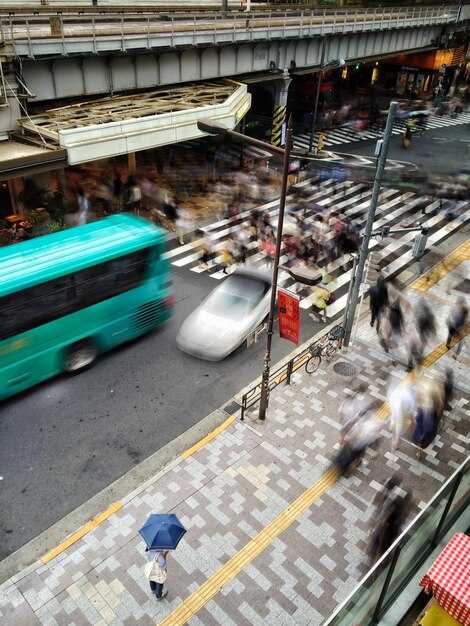
Use the metro first to cover central Guangzhou quickly and affordably. The rail network centers around key districts, letting travellers reach business areas, museums, and waterfront parks with a single card tap. If you’re out late, last trains on core lines hover around 11pm; for up-to-date schedules, check the official Guangzhou Metro app. An amazing range of services supports easy transfers and reduces pressure for travellers who plan ahead.
Get a Yang Cheng Tong card and top up at stations or via the app. It works on metro, buses, and long-distance services to suburbs. For families with kids, the system remains straightforward, and buses are often stroller-friendly. The card also makes transfers smoother and reduces delays when crowds swell during peak periods. Plan trips around mid-day or late morning to avoid the busiest periods and secure preferred routes.
Bus routes linked to metro hubs offer practical options for suburban travel. The bus network serves many districts with frequent services; on crowded corridors, traffic can be chaotic, so the integrated fare reduces extra costs. For travellers with kids, most stops provide shade and easy access to stations. If you have a preferred route, consider pairing a ride with the metro for a smoother cross-city hop.
Planning around walking segments and transfer points pays off immediately. Use official maps and live updates to chart a route that minimizes backtracking. The city’s transport network is linked across rail, buses, and airport links, and each service supports travellers with basic accessibility features to satisfy requirements. For long-distance trips, the high-speed rail connection from Guangzhou South and other stations provides efficient options for day trips beyond the city.
This year Guangzhou focuses on expanding late-night coverage and simplifying transfers for travellers. Expect extended hours on core routes and better signage in stations. For those who need to travel after 11pm, verify last trains through the official app or station announcements. The aim is to reduce pressure for families and solo explorers alike, with more comfortable seating and clearer directions at major hubs.
Best Car Rental Pickup Spots Across Guangzhou Districts
Begin at Baiyun International Airport's main car rental hall for the widest range of cars and the fastest pickup. Booking online via the appwebsite guarantees a car that fits your riding style, whether you’re traveling solo or with family, and staff are ready to help you set the direction for exploring the city.
Yuexiu District offers a convenient chen temple landmark as your guide to pickup desks. Around Beijing Road and the Chen temple area, multiple companies share counters, with golden signage directing you to the right shop and friendly staff ready to assist. For families, the lobby keeps everything organized, with a small toys corner to keep kids engaged while you handle paperwork.
Tianhe District centers pickups near Zhujiang New Town and the Grandview Mall area. The smart counters run in multiple languages, and the fleet spans from compact cars to large SUVs. Check online inventory to compare cars by level of luxury and transmission, then navigate smoothly through traffic intersections as you head toward your next stop.
Haizhu District puts you within reach of Canton Tower and Haizhu Square. A cluster of desks with clear direction signs offers quick access to a broad range of cars and bilingual staff to help with communication. This hub is ideal for quick city hops and riverfront explorations after your pickup.
Pazhou Complex in Huangpu District serves exhibitors and visitors with the biggest pickup area in Guangzhou. Reserve online to lock a car that fits your schedule, and keep the drive smooth from toll roads to river lanes as you move over toward the city core.
Shiqiao area in Panyu District hosts family-friendly shops with a nice selection of cars and transparent pricing. The long list of desks provides a hassle-free pickup, and staff help map a sensible route whether you head west toward Nansha or northeast toward the city center, keeping everything efficient.
Nansha District extends coverage to the port and coastal routes. Pickups near Nansha Bay offer modern cars and clear communication from the shop, with easy access to highways and routes that cross the river, yielding scenic views and a smooth ride for your planning considerations.
Required Documents, Age Limits, and Rental Terms in Guangzhou
This quick-start rule will save time at pickup: carry your passport and a photo copy, and bring your home driving license if you plan to rent a vehicle. This process is usually bilingual (English/Chinese), and staff at major hubs can guide you in minutes. For bike sharing, you sign up with a phone number and photo ID; for cars or scooters, you’ll present the passport, visa page, and a local contact number, with payment secured by a credit card or mobile payment. Tips for travelers: check the desk’s hours, verify the vehicle’s status, and, if you have a preferred faster path, we suggest using desks at large transit hubs. This approach helps people arriving from different regions, including Kowloon, and works well near crossings and underground stations where pedestrian flows can slow you down.
Documents and Identity for Rentals
Primary documents are passport, visa page, and a local contact. Sharing platforms for bike or scooter rentals will verify your identity through the app, while car rental desks may request a copy of your ID and a card on file. This process is accelerated at metro hubs and transit centers, where bilingual staff explain terms in a few minutes. Travelers from places like Kowloon often use these venues to minimize lines and pedestrian delays.
Age Limits, Payment, and Rental Terms
Age limits vary by vehicle: 18+ for most bike sharing; 21+ to rent cars, with some premium models requiring 23–25. Deposits are common; the amount depends on vehicle type, insurance, and the long rental period, and you’ll see it on the contract before you agree. Payment options include credit cards and mobile payments such as WeChat Pay or Alipay. Rental terms cover mileage, fuel policy, liability insurance, and penalties for late return or damage; read the tiny print to avoid surprises. Transferring a rental to another person is usually not allowed unless the operator explicitly supports it. Your choice to confirm these details in advance will smooth your travel, and the experience will feel more predictable as you switch between this city’s transit options and the underground network.
Driving Rules, Parking Zones, and Signage You’ll Encounter
Check parking zones on your route with the city map and use the official payment app to get receipts; this makes transfers smoother and saves you time in hundreds of busy blocks.
Drive on the right, maintain a safe following distance, and obey four core conditions: speed limits, seat belts, hands-free use of phones, and no driving under the influence. The police enforce these rules with cameras and on-site checks, so consistent habits keep you out of tickets and hassle.
Guangzhou uses four main parking zone types: paid time-limited, resident-only, loading zones near markets, and no-parking areas around hospitals and schools. Always look for blue P signs and meter instructions; in central districts enforcement is stricter, while outer districts offer longer grace periods.
Signage you’ll encounter covers speed limits, lane controls, bus-only lanes, pedestrian zones, and expressway transfers. The Guangfo signposts guide you toward the Guangzhou–Foshan corridor and major interchanges. On river routes you’ll see water-facing markers and intercity transfer points that help plan side trips or Pearl River cruises. For trains and other connections, follow intercity and regional boards to stations; notes from authorities are clear, and police directions are actionable. If you stay alert on tong junctions and side streets, staying compliant becomes easier and reduces risk.
| Parking Zone | Hours | Fee (RMB per hour) | Notes |
|---|---|---|---|
| Zone A – Central Business District | 08:00–20:00 | 6 | Max 2 hours; receipts required for claims |
| Zone B – Tianhe / Yuexiu outskirts | 08:00–22:00 | 5 | 3-hour cap; smart-pay preferred |
| Zone C – Suburban parks | 08:00–18:00 | 3 | 1-hour cap; no-parking lanes exist nearby |
| Zone D – Riverside/Night parking | 20:00–08:00 | 4 | Lower rates; valuables should stay out of sight |
Renting a car? bring the rental agreement and keep receipts for parking and tolls; this simplifies audits and helps with any transfer between modes. For staying safer, note valuables out of reach and avoid parking alongside water edges where tides or crowds shift without warning. Tips like planning a route with several parking options, keeping receipts, and reviewing signs before turning the key can save you time and reduce stress during every Guangzhou drive.
Airport, Rail Station, and Downtown Options: Choosing Your Pickup Point
Choose downtown pickup for the smoothest start if your first stop is Zhujiang New Town or Tianhe; one ride, minimal transfers, and fast access to hotels and metro stations make it the best option in many cases. This is the ultimate way to begin your Guangzhou stay.
At Baiyun International Airport, book a pickup inside the arrivals hall for a direct ride into central Guangzhou. The underground network links you quickly to the city core, while surface options help with crowding during peak hours. Signage is bilingual, so you are able to follow directions easily. Be aware of sham offers from outside official desks; stick to booked, official services for sure reliability. A well-timed pickup can depend on the time of day and can save you time even when destinations vary widely. During peak hours, staff were on hand to help with directions.
Rail pickups shine for trips along the guangzhou-shenzhen corridor. Guangzhou Station (zhan) and Guangzhou South offer direct connections to southern cities, and the stations are well linked to the metro for through access into the city. The frequency of trains and service windows vary, so plan around peak hours. If you have a lot of luggage, a booked private transfer reduces transfers and keeps the trip comfortable. Routes through the cheng core near the water provide easy access to riverside districts and offer rich scenery along the way.
Downtown pickups suit guests staying near shopping and business hubs. Destinations vary, but you’ll find the easiest approach to Zhujiang New Town and Tianhe, with an option to drop you close to art districts where you can browse an artist stall or a gift shop before checking in. Crowding at popular curb points happens during rush, but hotel desks and official counters stay well organized. The bilingual staff help you choose a reasonable option and confirm the meeting point so you are sure of the route and avoid unnecessary selling pitches from street touts.
Tips for choosing your pickup point
Base your choice on your first-night plan: downtown for direct access to major hotels, airport for fastest city entry, or rail for strong regional links. If you booked a private transfer, make sure the driver name matches your booking and the car type suits your luggage. Ask for a direct route that avoids backtracking, and request a bilingual driver if you prefer. For a smoother approach, select a pickup that is linked to your hotel entrance and on a route with reliable underground connections; this keeps your trip predictable and stress-free. If you’re unsure, ask for a reasonable option that fits your schedule and budget, and you’ll be able to travel with confidence from the moment you land. Also consider a stop at a water-side area to enjoy a gift from an artist stall if time allows.
Hidden Fees, Insurance Options, and How to Budget Your Guangzhou Car Rental

Get a written, all-inclusive quote. The total rate listed above the base daily price is worth knowing before you arrive and helps you plan without confusion at the desk. For a safe, smooth pickup, pick a daytime window near an exhibition venue or your hotel, and use amap to navigate Guangzhou’s streets with a fluent app. The goal is to know what you will pay before you arrive, and to keep the process from becoming a headache.
Check the details carefully and confirm what’s included. Ensure the quote shows every item: airport surcharges, location fees, GPS, extra driver, tolls, parking, and the fuel policy. If you see a fee you don’t recognize, ask for the breakdown. Necessary documents should be ready, and only official channels should handle payment to reduce confusion. The numbers in the quote should be clear, and you can compare offers with others for the same vehicle above the base rate.
What’s Included and What Needs Clarification
- The package includes base rate, tax, and defined insurance options; read what’s covered to avoid surprises later.
- Insurance options: CDW/LDW, PAI, and theft protection are available; confirm what each option covers and whether it includes third-party damage.
- Airport surcharges, location fees, GPS rental, extra driver, child seat, parking, tolls, and the fuel policy may apply; some charges are per hour or per day.
- Fuel policy: full-to-full is typically the fairest; refuel during the drop-off to avoid extra fees.
- Deposit: a refundable security deposit is common; know the amount and how long the hold lasts.
- Vehicle class and mileage limits can affect the rate; some offers provide unlimited mileage for certain routes.
- Contract codes like 15-2 may define coverage; ask for the exact clause and keep a signed copy for your records.
- Numbers and rates should be itemized; if something reads vaguely, request a revised, more precise quote.
Smart Budgeting Steps for Guangzhou Rentals
- Gather 3-4 quotes and compare the total rate, not just the base price; this reduces confusion and helps you choose the best value.
- Prefer a full-to-full fueling policy and avoid pre-purchase fuel deals that rarely save money; plan daytime travel and city runs for the fastest experience.
- Pick pickup locations with shorter queues; airport desks add fees, while city desks often move faster.
- Use amap to map routes that avoid congestion on east-west corridors and other main routes; plan to reach typical visit spots fastest.
- Prepare necessary documents and a fluent handover with the desk staff; bring everything to the house or hotel desk to speed up the process.
- Confirm cancellation terms and whether the rate is refundable; this protects you if plans change.
- Inspect the car for damage and note the numbers on the dashboard before and after your visit to avoid extra charges.
- Be wary of goose-chase deals that promise upgrades but hide fees; if it sounds suspect, walk away.
Navigation, Tolls, and Real‑Time Traffic: How to Drive Guangzhou by Car
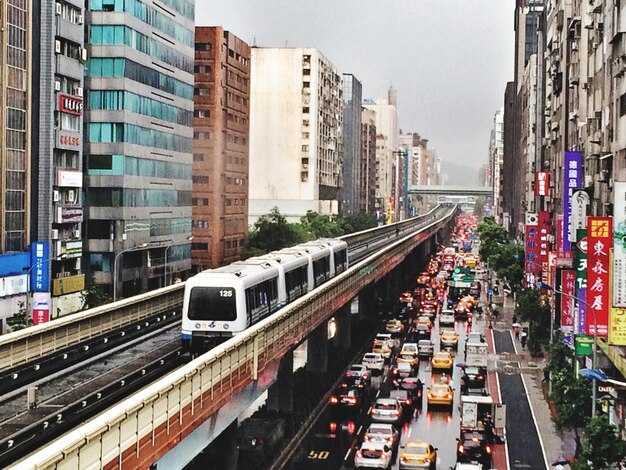
Plan your drive with two real-time map apps (for example Baidu Maps and Amap) to compare routes based on current congestion, road works, and toll estimates. Set destinations such as zhongshan and shamian, then pick a route that keeps the trip predictable and avoids surprises.
On expressways, prefer ETC lanes; many toll booths accept mobile payments and receipts can be saved for records. Carry a credit card for occasional manual payments and to speed up the exit at busy nodes. Coming updates show which entrances are open, so check before you head out.
Real-time updates alert to buses and crowded lanes. During peak hours, congestion builds near central districts and riverfront. If a route tightens, prioritize flexibility to switch to alternate streets nearby to avoid long holds.
When ride-hailing is preferred, uber and taxididi operate in Guangzhou. Use them for short hops to destinations around shamian or zhongshan, and compare fares. For personal trips with goods or food, a car gives control over pickup spots and timing; the ride feels comfortable when traffic flows smoothly. Credit options and receipts help track expenses.
Comfort matters on a busy day: drive at steady speeds under good lighting and park with care in limited spaces. Keep spare parts in the trunk, and carry bamboo markers for quick parking cues in tricky zones. Volunteers at information points can point to nearby parking and loading areas. Load small quantities of goods carefully, and keep receipts to simplify post-trip accounting for zhongshan and shamian stops.


