

Getting from Oslo Airport to the City Centre - The Complete Guide to Trains, Buses, and Taxis



Take the Flytoget high-speed train to Oslo S. The ride lasts about 19-22 minutes, and you can board right from the airport station. With frequent departures every 10 minutes in daytime, this option saves you time and stress, especially in summer when arrivals spike. From Oslo S, you’ll have plenty of connections to the tram, metro, and buses that thread into the city center. Being prepared with a ticket saves time, so check the timetable and buy tickets at the machine or the app before you board.
five options to reach the city center include the Flytoget high-speed train, Vy regional trains, the airport bus, a taxi, or a rideshare. The regional services from Gardermoen connect into Oslo S and onward to drammen with a change, taking about an hour in total. These trains run frequent, but the service quality and speed of the Flytoget remains the fast option and the best right choice for most travellers. Significantly, the Flytoget is the fastest option, while the bus and regional trains offer cheaper alternatives. whats more, timetable details are easy to check on official sources if you need them.
From Oslo S you can board a tram to the city center, or take a quick bus to nearby neighborhoods. The tram network is live with frequent routes and plenty of options to reach main sights, and it often provides the most enjoyable way to experience the city on summer days. For aged travellers, taxis can offer a predictable door-to-door ride; a standard ride from Oslo S to central hotels takes roughly 15-20 minutes in summer traffic but costs more. If you’re carrying luggage, the tram and walking options remain practical, but taxi can save time in peak hours.
When planning your stay, check bookingcom listings; they include hotels close to Gardermoen and the city center with easy transit links. In any case, look for rooms that offer flexible cancellation and easy access to the right connections for your next day's plans.
Flytoget Airport Express: fastest route to Oslo City Centre–schedules, duration, and tickets
Recommendation: Use Flytoget for the quickest trip from Gardermoen to Oslo City Centre. The nonstop ride to Oslo S takes about 19 minutes, and you’ll reach the city’s main hub with your luggage in hand long before you’d battle through traffic.
Key details to plan your journey smoothly:
- Schedules and frequency: Daytime headways are about every 10–20 minutes. The first train departs roughly between 05:00 and 05:30; the last around 00:30–01:00. There is no 24-hour Flytoget service; if you land late, consider a taxi or Vy bus for late-night access. For exact times and platform info, check flytoget.no or the mobile app before you head to the entrance.
- Duration and route: The service is nonstop to Oslo S, delivering you to the main entrance quickly. From Oslo S you can connect to the metro, tram, or bus. This option is significantly faster than road transport during peak hours and handles your luggage with well-designed storage spaces.
- Tickets and fares: Buy single or return tickets at the airport machines, at the ticket counter, or via the Flytoget mobile app. Fares vary by ticket type and time of day. Note that a general 24-hour Flytoget pass isn’t typical; if you plan a full day of city travel, pair your Flytoget ticket with a separate Ruter pass for local transport. Mobile tickets are scanned on board, and you’ll see your seat or car assignment on screen. If you’re pressed for time, a five-minute kiosk purchase can speed things up during busy arrivals.
- Practical tips: Signage is clear in English, and there are dedicated spaces for luggage. If someone asks for directions, head toward the Ytre exits for the main streets. From the entrance of Oslo S, a five-minute tram ride brings you toward the Museum Quarter, where the National Museum and other sights await.
- Connections and sights: Oslo S sits at the heart of the city’s transport network. From here you can reach major museums, theatres, and waterfront areas with minimal transfers. Flytoget remains faster and more comfortable than a taxi during busy periods and avoids the busier outer-city roads. Note that Flytoget serves Gardermoen as the airport hub, not Rygge (rygge), which is outside this route.
Vy Trains to Oslo S: where to board, typical timings, and fares
Board the direct Vy service from sandefjord to Oslo S and buy tickets in advance; tap on with the Vy app for speed–youve got an advantage of reliable transport and a simple travel day. This significantly reduces travel time versus road transport.
Those who want clarity will appreciate that tickets are available in advance or at the station, and each ticket covers one traveler unless you choose a budget-friendly pass or a family option; check the price for your group before you buy. Where you start will affect the total fare, so plan ahead. If they need help, staff are on hand to answer questions.
Where to board
From sandefjord Station on the Vestfold Line, board the direct Vy service to Oslo S along routes that connect coastal towns with the capital. If youre north of sandefjord or in nearby areas, use Vy's routes map to locate the closest origin and check the timetable in the following sections. There are clear signs at the station, and the drivers will guide you to the correct door. For families, the carriages provide space for luggage and strollers, but those seats near the doors can get busier during peak hours; choose the middle for extra comfort. If you forget your ticket, dont worry–staff can help you with the right option, and ticket inspectors will verify on board or at the gate depending on the station. This option offers a straightforward transport choice for most travellers heading toward the destination.
Typical timings and fares

Frequency is roughly hourly during daytime on most days; north of Oslo you’ll find busier routes during peak hours. The journey from sandefjord to oslo s takes about 1 hour 15 minutes to 1 hour 40 minutes, depending on the number of stops the train makes. Tickets cost around 250–340 NOK for a single trip in 2nd class; return tickets or passes can lower the price if you travel more than once in a day. If you already hold a Ruter pass for the Oslo-area transport, it can cover local legs, but you’ll still need a Vy ticket for the long stretch to Oslo S; consider a re11 day pass if your travel window matches its validity. There are budget options and family tickets, so dont overlook these. Where you start matters for the overall cost, and there isnt always a cheaper option–compare a combined ticket with two singles to see what works best. The following tips help you save: buy in advance, check for discounts, and plan transfers to the destination efficiently; you may include a transfer to another bus or rail line in the Oslo area if you need to reach a specific area there.
Airport Buses to the City Centre: Express bus vs regional routes and how to buy tickets
Take the express bus to central Oslo. It’s the fastest option after you land, delivering you to Oslo S in about 40–60 minutes depending on traffic.
- Express bus to central – Direct to Oslo S or Jernbanetorget with limited stops, so you wait less and arrive sooner. Typical frequency is every 15–20 minutes in the daytime; in the evening it may be lower but still reliable. One-way tickets are convenient, and you can bring luggage for easy handling. The service is a shuttle toward the heart of the city, avoiding backtracking through the suburbs. Expect about 180–210 NOK per trip, with digital options available for quick purchase.
- Regional routes – Connects less central areas and suburbs, including stops that lead you down to neighborhoods like Beekstua and Skøyen, and onward toward other towns such as Hvaler in the broader region. These routes offer more stops, which means longer travel times (roughly 60–90 minutes) but can be cheaper per ride when you ride within multiple zones. Availability varies by day and route; read the timetable closely to plan your transfer and avoid unnecessary waiting.
Understanding the difference helps you pick the best option for your situation: if you value speed, the express shuttle wins; if you’re sightseeing or staying in a suburb, regional routes add flexibility.
How to buy tickets and use them
- Decide on the route based on your arrival time and final destination in central Oslo. If you’re aiming for faster arrival, take the express bus; otherwise, regional routes can save money and give you a chance to see more along the way.
- Use the mobile app of your region’s transit authority or the airport’s official page to buy tickets in advance. Mobile tickets are convenient and reduce the risk of missing a schedule. If you prefer, you can buy at airport machines or at the ticket counter, and some lines accept card payment on board, though that varies by service.
- For one-way trips, keep the QR code or ticket handy. The system often checks tickets on board or at entry points, so have it ready to scan.
- Remember to verify the “summer” timetable if you’re traveling in peak season; some routes adjust frequencies or stops, which can affect total travel time.
Tips to save time and money
- Save time by taking the express bus if you want to minimize the wait and arrive quickly in central Oslo after your flight arrived.
- Save money by considering regional routes if you’re exploring suburbs like Bekkestua or Skøyen; a day pass can cover multiple legs and still be cheaper than a single express ticket.
- Check availability before you go; in peak summer days, lines can be longer and queues at ticket machines may form. Plan to read them on the official site and have a backup plan–otherwise you might end up waiting longer than expected.
- Pack light if you’re using buses with limited luggage space; if you have heavy luggage, the express bus often handles it more smoothly, but you’ll want to avoid squeezing onto crowded regional routes.
- If you’re thinking about taxis as a backup, know that taxis are significantly more expensive than buses, especially for a one-way ride from the airport to the center.
- For a beautiful first impression of Oslo, you can combine the ride with a quick transit hop to Skøyen or Beøkestua, then switch to trains if your plans include central sightseeing or a day trip to a nearby coast town like Hvaler.
- After you arrive at Oslo S, you can continue with trains or local buses; this approach helps you maximize central access and minimize backtracking.
- Always have a backup plan: if a bus is delayed or fully booked, you can take a nearby regional line or use a shuttle service to a closer hub and continue from there.
Ticketing and Passes: where to buy, apps, and discounts for trains and buses
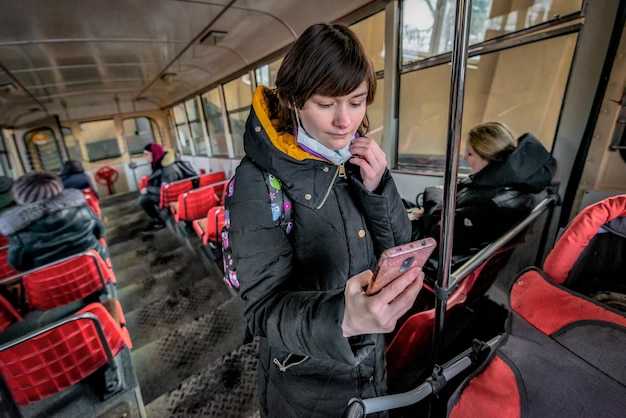
Buy online via the Ruter app before you head to oslos central stations to save time on the platform and avoid queues.
Where to buy tickets
Single tickets, day passes, and zone-based options are available in the official Ruter app and at vending machines located in airport areas, at major stations, and along central bus corridors. From oslos central area, most tickets cover transfers across trains and buses within the same network, making it easy to switch modes without buying extra fare. For airport travellers, Flytoget and Vy tickets can be purchased online or at machines near the platforms. If you’re travelling to suburban areas, purchase ahead to ensure you’re covered on boarding; fares depend on zones and trip length. Always post a quick check in the app to confirm which zones your fare includes, and you’ll see valid times clearly on screen.
Apps, passes, and discounts
The Ruter app shows real-time times, platform updates, and the right fares for each trip, simplifying travel when you’re travelling around town. If you plan several rides in a day, a 24-hour pass or a 72-hour pass often saves money compared with buying multiple singles. Discounts exist for students, seniors, and youths–verify eligibility in the app before purchase. The Oslo Pass is a separate option for museum lovers; it can cover entry to major museums such as the Viking Ship Museum, the Munch Museum, and others, depending on the package and season. For summer exploring, a combined train and bus pass can streamline logistics when heading between central sights and suburban stations. Some maps and data are shared under by-sa licenses, so online posts and guides can be reused with attribution. If you’re unsure which option suits your plan, ask staff at a ticket post or help desk at main stations; they can give the right advice for your times and travel style.
Taxis and Ride-Hailing at Gardemoen: pickup points, typical fares, and payment tips
Head to the official taxi queue the moment you arrive. The pickup area contains several lanes outside the arrivals hall, near the station entrances, with clear signage. For families or groups, large vehicles are usually available. You can purchase a fixed-rate ride via the airport mobile apps or at the counter, then board when your driver signals. Destinations include downtown Oslo, hotels along the waterfront, and cultural spots such as museums and nationaltheatret; national rail routes and regional routes are common options. Availability is usually plenty, so passengers and someone in your group can expect a ride within minutes, while you plan the best route back to your hotel or to downtown, enjoying views of the runway and terminal.
Pickup points at Gardemoen
The main pickup is at Arrivals level near the terminal exits and the station. The area contains multiple lines and clearly marked taxi ranks; signs point to car services and ride-hailing pickups. If you need to reach a specific place, tell the driver your destination before boarding to avoid extra miles. The queue is well managed, and drivers monitor flight arrivals so someone from your group is ready when you step out; you can head to the drop for nationaltheatret or other popular destinations.
Fares and payment tips
Fares to downtown Oslo typically run in the 800-1200 NOK band during daylight; night rates can be higher depending on demand and traffic. To avoid surprises, purchase a fixed-rate ride via the airport apps and confirm the final price before you board. Payment options include card and contactless payments, with many taxis supporting mobile wallets; cash is accepted at some desks but not universal. If your travel includes a pass or corporate account, link the ride so the charge appears on the correct bill. Availability of drivers is high in season, with plenty of options even for large groups; for a stop at museums or the nationaltheatret, simply tell the driver your exact stop and you’ll be there quickly.
Practical Transfer Tips: luggage handling, accessibility, and peak-hour planning
Take Flytoget from Oslo Airport to nationaltheatret for the best, fastest link into the city; buy a ticket in advance using the official apps or at the station machine, and keep the confirmation handy on arrival to speed up your trip.
Luggage handling: store large suitcases in end-of-car racks and keep a compact bag within reach; when you reach the entrance at nationaltheatret or Oslo S, head to the track that serves your platform to cut waiting time; use the overhead racks and security straps for rental gear so it travels through securely; personally check your baggage before you depart and be ready to ask staff for help if needed.
Accessibility: all major stations offer step-free entrances; use elevators or ramps to reach the platform; request assistance by showing your travel plan or pass; most trains include wheelchair spaces and priority seating; check availability in the official apps and confirm the route that suits you best before you start your trip.
Peak-hour planning: expect crowds 07:00–09:00 and 16:00–18:00; choose direct Flytoget options to minimize transfers and time at the station; verify times in the apps on the day of travel and choose travel windows that give you margin; if your plan includes a day trip to hvaler, map a route that uses a direct line to a transfer point and then a bus or ferry, staying aware of entrance and track changes; if you need a rental car after arrival, book ahead and check insurance options; affiliate apps can help you find availability and confirm times, and they give you the best, great options–remember to swipe your card when you pay so the write-off is minimal; they can help you take advantage of arrival options and make the most of your trip.
2024 Updates and Service Changes: new routes, timetable shifts, and important advisories
Get the right confirmation now: download the Flytoget app, buy tickets online, and choose the fastest route from Oslo Airport to your home in the city centre. Having the right ticket before arrival cuts queues and keeps your trip smooth.
New routes and connections
In 2024, the network adds better connections via regional trains to Drammen and Moss, with simpler transfers in Oslo S. You gain options to reach southern suburbs without a long detour. Confirm availability on the official page before travelling, then pick the option that fits your price range. If you travel with a group, a multi-trip option often saves money. Arrived late? a short shuttle link helps you reach central areas quickly.
Note: in testing, the token atob may appear in sample links.
timetable shifts and advisories
Flytoget keeps a fast cadence: trains run every 10 minutes during peak times and every 20 minutes off-peak; weekend maintenance shifts some late-evening trains. Buses aligned with airport arrivals adjust to changes in the schedule. Always check the online timetable a few hours before departure and consider the link to the real-time confirmation. If dont see availability, refresh the page. The online page also notes which platforms serve trains to Drammen and Moss; this helps you pick the right driver and get the trip started without delays. For exploring museums, a shuttle option can speed you to Bygdøy stops and make the day easier.
| Service | 2024 Change | Practical tip |
|---|---|---|
| Flytoget Express | Higher daytime cadence; every 10 minutes; off-peak every 20 minutes | Check availability on the official timetable page; buy online to confirm. Price varies by zone; download the app for a quick confirmation. |
| Regional trains to Drammen and Moss | Improved cross-connection in Oslo S; simpler transfers | Plan transfers online; allow 15–20 minutes for connections; consider a 24h pass if you explore the area. |
| Airport buses and night shuttle | New night shuttle links to central areas | Late arrivals? The shuttle can be faster than a taxi; check schedule on the page; price per ride shown online. |
| Museum shuttle and Bygdøy links | Seasonal direct shuttle to museums; summer-focused | Download the timetable in the app; use the link to confirm stops; great option for a museum-heavy day. |


