



 English (UK)
  Русский
  العربية
  日本語
日本語  한국어
한국어  Magyar
  Türkçe
  Español
  Čeština
  Svenska
  Português
  Ελληνικά
  Suomi
Suomi  Nederlands
  Română
  Italiano
  Français
  Polski
  Українська
  Deutsch
  简体中文
简体中文  Slovenčina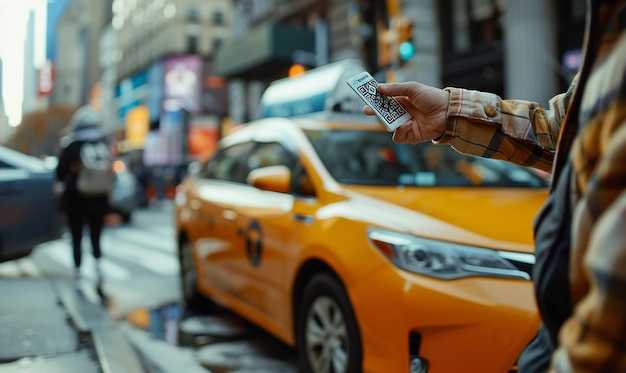

Choose a registered ride-hailing platform to see a direct price before you ride. In Tehran, apps like Snapp and other platforms show upfront estimates, so you can compare in seconds and pick the cheapest option that fits your plans. Keep your telephone handy to confirm the ride and tap to share your route with a friend if you want extra comfort. youre in control of the pickup and destination, and you can see the driver’s name and car plate before you go.
Pricing works in two parts: base fare plus distance. For a typical 2–4 km hop in central Tehran, a standard car through Snapp often shows around 150,000–300,000 IRR; a 5–8 km ride can cost 300,000–600,000 IRR. Traffic, road work, and rush hours can push the fare by 10–20% or more. If you pass khomeini street or approach the green square, the app routing may adjust the price estimate in real time. Always confirm the final amount in the app before you start.
To save, look for the cheapest option, and choose standard cars over premium lines. Many travelers rely on platforms offering free waiting time promotions; you can often find a possible deal that fits your schedule. If you travel in a green area, you may find shorter waits and faster pickups. youre able to switch between some options to compare prices in real time, just a tap away. mean price transparency matters for travelers.
Safety and comfort first. Always check the driver’s name, car plate, and photo in the app, and stay aware of your surroundings. If you’re traveling with valuables, keep your bag on your lap and avoid showing cash. Use the telephone number in your booking to contact the driver if you need to adjust the pickup point; you can also share live location with a friend so they can track your route.
Tips for travelers arriving late: book a ride from a well-lit area, near a hotel or busy street; prefer routes that stay on main streets like the khomeini square corridor, and avoid side lanes. When you reach your stop, pay by app if possible to keep the transaction direct. Hold the phone with one hand while you exit, then check the plate again to confirm you’re stepping off at the right corner. The trip hour window is busiest during early morning and evening rush, so plan accordingly and you’ll travel with comfort.
Taxi fare structure in Tehran: meters, app surcharges, and nighttime rates
Always compare the meter and the app before you pick-up a ride to avoid surprises. heres a practical breakdown of how fares are built on urban streets, so visitors and travelers can plan what to expect.
Metered fares

- The meter starts with a fixed amount and then adds charges for distance and time; this line-based system keeps the cheapest option accessible for everyday travel.
- Distance and time: per-kilometer and per-minute increments are standard, with rates often varying by district as you move toward the east or west and explore different parts of the city.
- Payment: cash remains common, but some drivers or office fleets now accept card payments or app wallets when you book via a service; if you’re unable to pay with card, you can still settle in cash.
App surcharges and nighttime rates
- App surcharges: when you book through one of the popular apps, expect a pickup fee or service charge on top of the meter; this app can offer convenience, but the total cost can be higher, and active surge indicators show when prices are up.
- Nighttime rates: after late evening hours, fares typically rise by a noticeable percentage to reflect higher demand; travelers and visitors should plan for this if you’re out after dark.
- Other surcharges: airport fees or route-based charges can apply depending on the app and the line you choose; always check the fare summary before confirming, because some routes trigger extra fees.
What helps your budget: use the meter when possible, compare app estimates with the line option, and pick the pickup spot near your office or a taxi stand. simply avoid detours by giving the driver your destination up front; for business trips, this is especially useful because it keeps spend predictable. If you plan to pay by card, many taxis used by travelers offer card readers, but some drivers still rely on cash; in case you’re unable to pay with card, you can give the driver cash instead or use the app to pay after the ride. Two main ways to travel in Tehran are taxi and trains as urban transport options, which is a good option when you want to save time while exploring streets across the city.
Typical fares for common routes: city center to major districts and landmarks
Always check the live fare on Tap30 before you start; choose a designated taxi to ensure the meter works and you receive a clear ticket. Knowing your location and destination helps you plan a detailed trip, especially when you interact with a diverse set of drivers in Tehran’s busy center. This model of planning keeps your budget aligned with real times and traffic patterns.
City center to Tajrish Bazaar (northern district): typical fare ranges from 120,000–250,000 IRR, with daytime trips averaging 25–40 minutes and peak times occasionally pushing higher. Mostly, you’ll reach the hillside market smoothly if you start early and avoid the evening rush. If you need to ride during a busy window, tap30 will show an over estimate that you can monitor as you pass through central arteries.
City center to Azadi Tower (west Tehran): expect 110,000–230,000 IRR for a standard ride, usually taking 20–35 minutes depending on traffic. This route is ideal for short, direct trips linking the core office areas to the iconic arch and museum precincts. Knowing the route helps you plan meeting points near a designated drop-off.
City center to Milad Tower and Iran Mall (northern/northwest clusters): these trips typically run 170,000–320,000 IRR and take about 30–50 minutes in moderate traffic. They represent connecting legs for diverse shopping and skyline views. If you travel during busy times, the fare can rise, so check the estimate before you request the ride.
City center to Darband (mountain gateway, north): rides usually fall in the 180,000–340,000 IRR band and take 35–60 minutes when traffic climbs up the routes toward the foothills. Darband trips are common for scenic passes and a quick tea break, with drivers often looping back toward central areas after drop-off.
City center to Niavaran Palace and surrounding estates (north): expect about 150,000–270,000 IRR for most days, with travel times around 25–45 minutes. This route suits visitors and locals tracing royal-era architecture and quieter residential streets, especially helpful if you want a calmer segment of the day.
City center to Azadegan district and nearby location (varied northern to eastern pockets): typical fares run 120,000–240,000 IRR, with 20–40 minutes of driving time depending on the exact street and traffic mix. These routes are popular for connecting diverse neighborhoods and business districts, especially when you need a hand with a short, reliable ride after a meeting or a ticket pickup.
General tips for these routes: mostly use a registered taxi or a trusted app to ensure a transparent, detailed trip record. If you’re traveling with a group, consider a larger vehicle option to keep costs efficient. For premium comfort without overpaying, you can request a clean, well-maintained car only if you need a little luxury on a long route, and you can still keep liquidity by comparing a few nearby alternatives on your screen. When you know your exact location and destination–whether you’re moving from a busy office near Azadegan street to Khandan or a landmark in the city core–you’ll interact with drivers more smoothly and avoid surprises in fare. Through these patterns, you’ll learn which routes are tight on time and which drivers stick to the meter, making each ride a predictable, reliable part of your Tehran experience.
Estimating costs in advance: meters, ride-hailing apps, and fare calculators
Open Tap30 or another ride-hailing app, enter pickup and drop-off, and compare the fare shown in the estimate. Do this a few minutes beforehand to know what to expect.
Tehran taxis run on meters: a base fare starts the ride, then distance and time charges apply. In congested areas or during busy times, the meter adds more as trips stretch.
Fare calculators on online platforms reveal a range by routes. Tap30, Snapp, and similar apps let you compare options to reach centers, residential areas, or business districts.
Plan with steps: pull up a fare estimate in your phone, check two routes, decide payment method (online vs cash), and choose the faster option.
Promotions, loyalty points, and Tap30 credits reduce the final price. Use online payment where possible to keep a record of each ride.
During peak times, expect longer travels and higher costs; keep to routes through centers or main avenues to minimize detours.
Keep a small backup budget: if you end up paying cash, carry enough cash; online payment helps tracking shopping expenses and smartly control spending on rides.
BRT in Tehran: routes, stations, and how it complements taxi travel
Take BRT for cross-town trips; youre likely to save time on busy corridors and avoid traffic. For the final door-to-door leg, plan to grab a taxi near the station. Consider using BRT for the main run, because it typically has higher reliability during peak hours.
Tehran BRT lines run on main north-south and east-west axes, linking southeast neighborhoods with central districts. Buses operate along multiple routes, all running on designated corridors. The service spans from early morning to late evening, with frequent departures during peak times.
Stations are equipped with sheltered platforms, real-time boards, and card readers. Passengers board through designated doors; you can carry a travel card to pay, or pay at the reader with cash. Imam Khomeini area remains a major transfer point for many routes.
Altogether, the BRT links routes that pass through central zones and toward the Imam Khomeini region, creating options to cut travel time. Youre able to pick a station near your origin and destination, then walk or grab a taxi for the final leg. For cheghadr cost savings, the BRT is typically cheaper than a taxi for longer hops.
Tips for riders: carry your card and know the designated lines; check running status on boards; for international travelers, signs are bilingual in Persian and English; always carry small cash for the rare reader issue; use transfers to minimize waits and stay on schedule.
Hailing, paying, and safety tips for taxi rides in Tehran
Always locate a taxi at a designated misheh or terminal and confirm the meter is on before you pick the vehicle. Only ride with licensed drivers.
Planning for visiting Tehran? Use multiple online platforms to check estimates, distances, and travel times efficiently.
Case tip: if you arrive during peak hours, use online platforms to locate a nearby vehicle quickly, while covering you from delays; misheh areas are crowded.
Farsi tips: speak simply, confirm destination, request the meter, and say stop if you need to exit between points.
Payment basics: most taxis run on a meter and accept cash; some drivers now support online payments via platforms. If you plan to pay online, verify the route matches the meter before you confirm.
Safety first: buckle up, keep valuables secure, and note the driver’s name and plate; you can verify these in the app before you start and again at the end.
Stopping and routing: unlike street hails, app rides use a system that works with GPS; you can track the ride, share live location, and ensure the vehicle is the one found in the app.
Further tips: if you feel uneasy, stop at a terminal or safe misheh corner, and switch to another vehicle; this happens often even during late hours.
Experience check: after the ride, review the receipt in the platform, rate the driver, and note any issues to help services improve the experience.
Practical route plan: combining taxis and BRT to reach popular sights
make a quick plan: hail a taxi from karaj to the Mehrabad BRT platform, then ride the BRT toward central Tehran and drop off at a stop near Golestan Palace. This approach preserves time, avoids street traffic during peak hours, and makes the day predictable for exploring the core sights.
When you exit, youll be within a short walk of major attractions. For Golestan Palace and the Grand Bazaar, disembark at Imam Khomeini or a nearby central platform and walk the whole block to the entrances. Specifically, if youre targeting Sa’dabad Palace or Niavaran, ride further north to a northbound platform and take a door taxi for the last mile.
Useful tip: use a payment app or carry cash. Install a transit app before you go; iranians often use cashless payment on taxis, but some drivers still prefer cash. Having both options increases convenience and reduces delays at transfer platforms.
From shanay or karaj, this route remains convenient and flexible. The segments aboard the BRT offer a stable ride, and the final short taxi legs give you a door-to-site arrival. Women often feel safer with this setup, since the routes stay along well-lit, official lanes and you can pick taxis with good reputations.
Key comfort and time-saving notes: covering the central corridor first, then branch out to nearby sights. The whole plan frequently lets you explore 2-3 sites per day, with the BRT leg typically taking 20-35 minutes and the last mile in a taxi lasting 5-10 minutes. Youll notice the convenient flow and good rhythm against pure taxi rides, and youll feel the difference in pace and comfort. Iranians and visitors share useful tips on drops and platforms, so youll find helpful experiences among iranians who advocate this approach.
Comments