US$

km

Blogg
Toulouse – Welcome to the Pink City – A Practical Guide to Visiting France’s Colorful CapitalToulouse – Welcome to the Pink City – A Practical Guide to Visiting France’s Colorful Capital">

Toulouse – Welcome to the Pink City – A Practical Guide to Visiting France’s Colorful Capital

Ethan Reed
av 
Ethan Reed
17 minuter läst
Blogg
Februari 13, 2026

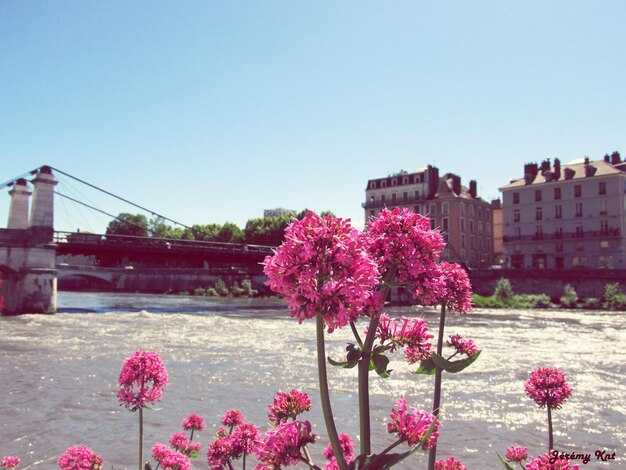
Start with a practical plan: rent a bike near Place du Capitole and ride along the Garonne to see the iconic pink houses; being there, youll feel how the city flickers between sun and shade, a compact, cycling-friendly loop with options ranging from a quick riverfront stroll to a longer ride for a group.

The core heritage centers on Saint-Sernin Basilica, the Capitole, and the Canal du Midi, a UNESCO World Heritage site since 1998; the catharism thread adds context as you walk toward saint-michel and the surrounding lanes, pairing history with riverside views. Year after year, these sites attract locals and visitors who value architecture and well-being in equal measure.

Use the city’s nätverk of trams and bike lanes for a flexible plan; for a group visit, book a guided walk that pairs the Capitole’s markets with saint-michel lanes; in summer heat, plan morning starts, seek shade along the canal, and pace your day for well-being. against the bright sun, you can stop at shaded terraces and cafes.

If you arrive from brussels, a direct flight or TGV to Toulouse-Matabiau makes the city easy to reach; from there, a two-hour stroll through the pink brick blocks reveals the iconic houses and riverfront scenery. The saint-michel district hosts markets, cafés, and riverfront views; for shopping, the Capitole square and nearby arcades offer local products, and the hotel network provides hairdryers in most rooms. visit in the morning to avoid crowds, or in the evening to catch the glow on the façades.

Thanks for choosing Toulouse for your next stay; this guide combines cycling routes, market stops, and museum visits into a balanced plan that respects your year and your group’s pace, helping you enjoy the city at a comfortable tempo.

Plan your arrival: Getting to Toulouse by air, rail, and onward travel

Fly into the aeroporto in Toulouse and reach the city center in 25–30 minutes by taxi or the direct airport shuttle; the ride costs around €25–€30. If you prefer public transit, the shuttle connects to Matabiau in about 40 minutes. Book ahead and choose a hôtel in the capitol area to start visits with a relaxed pace, perfectly set for a first impression of Toulouse’s culture and its iconic monument nearby.

Rail: From Paris, the TGV from Gare de Lyon to Toulouse-Matabiau takes about 4 hours; other fast routes run from Lyon, Bordeaux, and Barcelona. Book early to lock a round-trip fare; midweek trains can be cheaper. TLS is one of the region’s largest transport hubs, offering robust rail and air links. Once here, you’re within a short walk of the capitol and the old town, making it easy to begin visits and set up a practical itinerary for the day.

Getting around and parking: Toulouse is compact and walkable, so use the tram network and bikes to keep the carbon footprint low and the day relaxed. Parking options include airport long-stay lots and city garages; plan for long stays if needed. For an ambitious plan, base yourself near the capitol and explore neighborhoods from Carmes to Saint-Cyprien, with things to do, cafés, and shops. The city offers visits to various museums and monuments, and you can easily cycle or stroll along pedestrian riverside routes for a round, scenic tour.

Aeroscopia and beyond: Visit Aeroscopia, the aviation museum in Blagnac, in the morning; it’s reachable by taxi or tram and parking is available. The site sits near a foundation that curates aerospace artifacts and paintings from various eras. The vinci approach to airport operations keeps things smooth, and TLS is part of a worldwide network that helps schedules stay reliable. Since Toulouse sits under a cultural kingdom of museums, cafés, and parks, you can finish the day with a sunset stroll along the Garonne. Finally, plan a balanced day where you see aviation history, then relax in the old town for a truly memorable evening.

Navigating Toulouse: Public transport, passes, and tips for visitors

Tickets and passes: value, where to buy, and how to use

Grab a 24-hour all-network pass on the Tisséo network for unlimited rides on metro, tram, and bus; it truly saves time and money if you plan to hop between the riverside and the historic center all day. You can buy it in the Tisséo app or at kiosks in metro and tram stops, and you validate on entry or transfer. A single ticket would be priced higher if you ride more than a couple of times, so the 24-hour pass brings the best value for a short stay, especially in august when crowds grow. That pass would cover most of your transit for a two-day stay.
Keep your pass handy; tap in at entry and, when transferring, tap again if required. Free wifi is available at major stations and inside many cars, but the app remains your best source for real-time timetables. You’ll be greeted by helpful staff at many stations, and they speak several languages. Also, the official site lists all routes, timetables, and service notices for easy planning. Travel dreams become reality for many first-time visitors.

Routes, neighborhoods, and practical tips

Routes, neighborhoods, and practical tips

Start with a riverside stroll, then head toward the majestic center to visit the sernin basilica, named after Saint Sernin. The largest neighborhood around the core concentrates near Capitole, where cafés and restaurants line the streets. Next, discover a lunch option along the Garonne or in a riverside restaurant with views of the water; this area brings a lively atmosphere that many travelers, including those from spain, poland, and montenegro, find welcoming.

When a match is held at the stadium, plan your transit earlier and avoid peak crowds; if you are dating or traveling with friends, the Capitole district stays busy into the evening. For cinema lovers, films and movies at theaters around the center run regularly; check the site for showtimes. If you stay in a 25m² apartment near the metro, you’ll have a compact, comfortable base to relax after a day of exploring, with easy access to nearby markets and laundries.

Stay near campuses: Best neighborhoods, lodging options, and safety tips

Stay in Rangueil for the Paul Sabatier campus plus easy links to labs, or choose Compans-Caffarelli for broad campus access and reliable transport. Youll minimize commute times and maximize study time, which is especially helpful when you have early labs or late workshops. If you arrive by plane, Toulouse-Blagnac is your gateway; the plane shuttle and tram connections bring you downtown in under 30 minutes depending on times and transfers.

  • Rangueil – the south campus hub is home to key faculties and student residences. Accommodation options include CROUS rooms and furnished private studios close to tram lines. The reception desks on campus help with housing paperwork, and on-site staff are professionals who can guide you through pennied-by-time decisions. Transport to other campuses is straightforward, with frequent connections that run throughout the day. Expect a practical mix of quiet study blocks and coffee spots where you can meet fellow students after classes. Youll likely notice flower boxes and small markets near student housing, offering fresh bread and local snacks with almonds in pastries.

  • Compans-Caffarelli – central, well connected, and within walking distance of several faculties. Lodging here ranges from private studios to aparthotels with reception desks that welcome international students. Most options include kitchenettes and reliable wifi, making it easy to combine study and part-time work. Transport times to other campuses stay short, and you can catch night buses or late trains if you stay for evening seminars or cinema nights at nearby venues.

  • Saint-Cyprien / around Jolimont – lively and affordable for first-year students. Look for furnished flats or shared flats with fellow students. The area offers frequent workshops, library access, and free student events throughout the week. Local bakeries showcase almond pastries, and you’ll find small parks and a flower market on weekends, which helps balance study with breaks.

  • Sernin / Old Town – central, safe, and within reach of humanities faculties. Lodging here tends to be compact but convenient, with many hostels and short-term rentals that include reception staff who can help with city maps and campus directions. Night strolls through the nearby squares are common, but stick to well-lit streets after dark and plan routes back to your lodging via reliable transport.

  • Cornebarrieu – a quieter suburb a short ride from the airport corridor. If you prefer space and lower prices, this area offers larger apartments and longer stays, often with free parking and good bus links to major campuses. It’s a practical choice for students who drive to certain labs or who want a calmer home base while still being connected to Toulouse-Blagnac traffic routes.

  • Purpan – nearby medical and health sciences campuses mean easy access for health students. Accommodation options include small flats and residency rooms with 24/7 reception in some buildings. Expect efficient bus connections to other districts and a steady stream of campus events in student centers throughout the week.

  • Colomiers (west of Toulouse) – a budget-friendly option for those who don’t mind a bit more travel. If you choose Colomiers, pair a furnished studio with a reliable tram or bus link to the city center and your faculty. It’s a solid base for long courses or internships, with local shops and practical amenities nearby.

  • Lodging options – start with CROUS housing for affordable rates and a reception staffed by campus professionals. Private student residences offer furnished studios with flexible leases. Serviced apartments (apar-hôtels) provide quick, all-in-one living spaces with kitchenettes and gym facilities. For shorter stays, hostels and affordable hotels in Compans-Caffarelli and Saint-Cyprien are convenient, often including free breakfast or bike storage. In Cornebarrieu and surrounding suburbs, many landlords advertise longer-term flats with included parking and garden access.

  • What to look for – a 24/7 reception or on-site staff, a secure entry system, good access to tram or bus lines, and a simple route to your campus. Monthly rents commonly range from €350–€700 for a furnished studio near Rangueil or Compans-Caffarelli, with slightly lower rates in Cornebarrieu or Colomiers. Check short-term options when you’ll be in town a few weeks before term starts, and look for places that host free entry to events or campus workshops.

  • What to bring – a compact umbrella, a bike lock if you’ll cycle, and a reusable bottle for the city’s parks and squares. You’ll appreciate local amenities like almond pastries at neighborhood bakeries and small flower stalls near markets. Expect some places to offer free linens or weekly housekeeping as part of your lease.

  • Safety and practical tips – choose accommodations with a reliable reception team and printed emergency numbers. Always lock your door, store valuables in a locker if provided, and keep copies of important documents. Use official transport: tram and metro lines between campuses run frequently; plan times ahead using the city’s transport app or station boards. When walking at night, stay on well-lit streets and avoid isolated routes. If you’re unsure about a neighborhood, ask campus reception or resident assistants for the safest paths. In case of incidents, campus security lines operate through the evening and local police patrol busy districts around Serin and the Sernin area.

  • Arrival and daily travel – if you arrive by plane, take the Toulouse-Blagnac shuttle or tram to the city center and then switch to a local line to your residence. For day-to-day travel, a monthly transport pass is cost-effective and covers trains, trams, and buses across the city–great for long courses and weekend trips with friends. You’ll likely use transport several times a day, so factor in peak-hour crowds and travel times when planning your morning routine.

  • Local dynamics – campuses run a foundation of student life that includes language exchanges, free film screenings, and hands-on workshops. These events bring together students from around the world, including those from worldwide universities, helping you build a network that lasts beyond your stay. You’ll meet professionals at welcome desks and reception areas who can guide you through housing paperwork, internship listings, and campus clubs.

Universities and programs: A concise overview of Toulouse’s top institutions

Universities and programs: A concise overview of Toulouse's top institutions

If youre seeking a focused start, ISAE-SUPAERO for aerospace is your best first move, then layer in economics and management at UT Capitole to build a full profile.

ISAE-SUPAERO, based near Blagnac, links to major aerospace firms and offers MSc and engineer diplomas with a global orientation. Its reputation attracts recruiters from airlines, space companies, and research labs. ENAC complements this with aviation, air traffic management, and airport operations programs, including English-taught master’s tracks that draw engineers, pilots, and planners into one lively network.

For breadth, UT Capitole handles economics and management; UT2 Jean Jaurès focuses on humanities and social sciences; UT3 Paul Sabatier covers science and engineering; another strong option is INSA Toulouse for mechanical, electrical, chemical, and materials engineering; ENSEEIHT sharpens electronics, informatics, telecommunications, and hydraulics; the Toulouse Business School (TBS) offers international business master’s programs. In practice, you can combine a degree with internships to stay connected to industry bearings and build a full skill set.

Institutions and standout programs

The aerospace cluster around ISAE-SUPAERO and ENAC sets Toulouse apart, with ISAE-SUPAERO offering high-caliber MScs and engineer diplomas prized by global firms. ENAC delivers aviation systems, air traffic, and airport operations, with English-language options that attract peers and recruiters alike. For broader engineering depth, INSA Toulouse and ENSEEIHT pair strong labs with hands-on projects; UT1 Capitole, UT2, and UT3 provide solid tracks in economics, law, humanities, and science, while Toulouse Business School adds international business credentials. The campus area blends green spaces and gardens with blue skies and a lively student life; delicious café options keep energy up during long study sessions, and youre likely to gain bearings quickly as you explore the facilities. You can stay on campus or in nearby neighborhoods, and you can watch campus talks and open days to get a feel for programs and labs.

Practical tips for choosing and applying

Whether you aim for research, industry, or entrepreneurship, compare programs by depth, internships, and international partnerships. The priced spectrum varies–some tracks sit within public university pricing, others align with private paths–and zero-cost options exist through scholarships funded by the university foundation or department funds. Weve heard from friends from spain, poland, norway, sweden, and montenegro about strong exchange programs and English-taught master’s routes; contact the department early to confirm language requirements and internship opportunities. If youre staying with family or in a local apartment, search for housing in the area near campus and plan visits in late summer or early autumn to catch campus events, talks, and open days.

Campus visits: How to arrange tours, open days, and admissions info

There are several ways to plan campus visits in Toulouse. The best move is to book a campus tour two weeks ahead through the central admissions portal; this simply locks in a date youre comfortable with and lets you map out the place you want to explore. For a broader view, open days appear several times a year and cover admissions info, faculties, and student life.

Where to start? Choose a campus in central Toulouse, such as aquinas or the saint-michel area. Tours typically run 60–90 minutes and include a walk past iconic buildings with pastel façades, plus a quick Q&A in a room equipped with flat-screen displays showing program highlights. some sessions also feature sample lectures or short movies about student life. The experience is designed to give you a real feel for campus life and the learning environment.

  1. Register for a tour
    • Visit the official admissions page and select Campus Tours; pick a date that fits your schedule. Each date offers a general session plus department-specific options.
    • Submit your details; you’ll receive a confirmation email with the meeting point and a contact for changes.
    • Check if you’re eligible for a guided group with current students–that option tends to fill quickly.
  2. Attend an open day
    • Open days usually include faculty talks, campus walks, and an admissions desk with deadlines and required documents.
    • Arrive 10–15 minutes early at the saint-michel hub to collect badges and a map; plan long walks to see central courtyards and heritage spaces.
    • Ask about partnerships with local companies for internships, career support, and long-term opportunities.
  3. Prepare your questions and follow up
    • Bring transcripts, language certifications, and a short list of programs you’re exploring; note deadlines and possible scholarships.
    • Review housing, transport links to the airport, and campus bike routes because cycling is popular there.
    • After the visit, check the admissions portal for next steps and likely requirements to apply.

Practical tips: if you’re traveling from the airport, consider a taxi or a direct tram option; the saint-michel area is a convenient anchor for explore and social events. During your day, you’ll likely want a quick break in a pastel-colored cafe; some offer flat-screen menus and short films about student life or housing options. For dating-friendly social spots, check the student union calendar for casual meetups near the campus quad. If you want to combine culture with your visit, you can easily weave in a walk through the city’s heritage sites and a few movies at the campus cinema. You might notice the aquinas campus partners with several local companies to offer real-world experience and internships; plan to ask about these opportunities during the open day.

Budgeting and highlights: Dining, student discounts, and pink-city sights around campuses

Plan two lunch spots near each campus to cap daily spend at 12 euros. As the capital of Occitanie, Toulouse offers a rich, lively, truly unique dining scene that attracts visits from travelers worldwide. There, you’ll find excellent spots with mediterranean bowls, paninis, and fresh salads. Choose two neighbor­hoods between Compans-Caffarelli and Rangueil to cover both city life and campus routines, ensuring there is a favorite option for every taste.

Carry your student card to unlock discounts: many eateries give 10–20% off, while several museums and galleries offer reduced rates or free entry on certain days. Some campus-run activities include zero-entry-fee workshops, and a few local venues sponsor free events for students in the afternoons. These small perks can add up, letting you explore more between lectures and study sessions without blowing your budget.

Dining around campuses: cost-conscious favorites

There are excellent lunch hotspots near Compans-Caffarelli and the university clusters that keep meals lively yet affordable. Look for mediterranean bowls, wholesome salads, and balanced paninis that stay under €12 on weekdays. In the Capitole district, you’ll discover cozy cafés and brasseries where you can swap stories with fellow students after classes. For a family-friendly feel, Rangueil offers quick-service bistros with daily menus and reliable portions. They’re convenient, fast, and consistently good value, helping you stretch your budget across the week.

Pink-city sights within easy reach around campuses

Between lectures, walk to must-see spots that reveal Toulouse’s pink charm. Century-old buildings line quiet streets near church squares and covered market halls, all within a short stroll of major campuses. A stroll in the neighborhood around the university reveals a rich blend of reception rooms, convents, and historic façades that illustrate catharism-era influences in local architecture. They sit among leafy avenues and lively student hubs, giving you a true sense of the city’s character far from tourist crowds. If you have time, take an evening loop along the river and through pedestrian streets that connect academic life with the heart of the city.

Place Typ Avg Lunch / Entry Discounts Anteckningar
Compans-Caffarelli Campus Area Lunch spots €8–€12 10–20% with student card Mediterranean bowls, sandwiches; quick service; lively scene
Capitole District Cafés & Brasseries €10–€14 Student discounts where offered Historic buildings; great for a relaxed study break
Rangueil Campus Area Bistros near campus 7–11 € 10–15% Family-friendly options; easy walk to green spaces
Sights near campuses Museums / Churches €6–€9 (entry) Under-26 reductions vary; some sites free on select days Catharism-era influences; century-old buildings; must-see pieces
Toulouse-Blagnac Airport Zone Workshops & markets Varierande Zero-entry-fee on select campus workshops Good intro to local culture; easy access from campus by tram

Kommentarer

Lämna en kommentar

Din kommentar

Ditt namn

E-post