

Tokyo Haneda Airport - Getting There, Terminal Information, and More

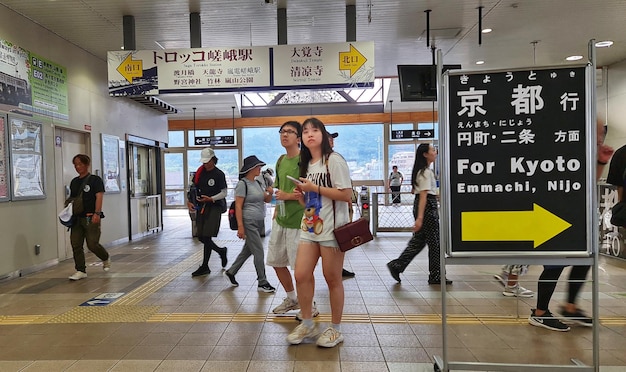
Take the Tokyo Monorail or Keikyu Line to central Tokyo rather than waiting for a taxi. This fast option typically runs every 4–8 minutes and keeps you within 20–30 minutes of core districts depending on your destination. Check the timetable in the lobby, follow the staff guidance, and avoid the crowded curb area after arrival; this wont waste your time.
Know your terminal before you land to cut walking time. Each terminal offers a different experience for passengers, so have a plan and just follow the signs. Haneda has Terminal 1 and Terminal 2 for domestic flights, and Terminal 3 for international and low-cost carriers. Maps guide you to transfer routes; use the internal corridors to move between terminals without leaving security. The staff can point you to the right lobby or gate.
Duty-free shopping is concentrated in the international wing in Terminal 3. You can purchase a wide range of goods after you clear security, often at attractive prices. If you’re short on time, browse the stores before boarding and present your boarding pass at checkout. If you’re having trouble, once you’re through immigration, you’ll still find several duty-free stalls near exits.
ATMs are plentiful in arrivals and departures areas. Carry a card with international access or exchange currency at counters where available. The shelves of duty-free shops show what you can purchase, including snacks, cosmetics, and electronics. If you’re having trouble locating a store, look for the signs and check below the boards for directions in the lobby; you can also ask a staff member for help. Also, atms are widely available near seating zones.
Getting between terminals is straightforward thanks to a free shuttle service and well-marked corridors. A coach service runs between terminals and to nearby city hubs, making overnight transfers convenient if needed. Check the times on information boards or ask staff for the latest schedule.
For travelers linking from osaka or kawasaki, Haneda offers domestic flights and easy rail connections to the region. If you’re arriving on osaka-bound services, choose the right terminal (2 or 3) based on your carrier; kawasaki connections use the Keihin-Tohoku line with quick transfers to Tokyo. The team at the information desk can coordinate onward options within minutes.
If you have an overnight layover, you can stay inside the lobby area in comfortable seating zones with access to atms, stores, and restrooms. Some lounges stay open late, and staff can point you to quiet corners to rest between flights. Follow the signs to exits or transfer desks so you’re ready for the next leg of your trip.
Getting There: Rail, Bus, Taxi, and Ride-Hailing Options from Tokyo Haneda
Recommendation: Start with the Tokyo Monorail to Hamamatsucho for a fast, traffic-free link to central Tokyo.
Rail options from Haneda
From Terminal 1, Terminal 2, and Terminal 3, Tokyo Monorail trains run frequently, reaching Hamamatsucho in about 18 minutes. The monorail platform is easy to navigate from the lobby with clear signs in multiple languages. The ride accepts IC cards such as Suica or Pasmo, and atms are available in terminals if you need cash to buy tickets. The monorail connects to JR lines, putting Shinjuku, Shibuya, Ginza, and other neighborhoods within easy reach, including Hakuhinkan in Ginza for a quick shopping break.
The Keikyu Line provides a direct route to Shinagawa in about 13–15 minutes. From Shinagawa, you can hop on JR lines to reach central Tokyo. Keikyu stations are located near all terminals and have counters to help you buy tickets. Both options are known for reliability and frequent service throughout the day, and they pair well with planning your travels to various neighborhoods.
| Transport | Terminals served | Typical duration to central Tokyo | Approx. fare | Notes |
|---|---|---|---|---|
| Tokyo Monorail | Terminals 1–3 | 18–20 minutes to Hamamatsucho | About 600 JPY | IC cards accepted; direct connection to JR lines; easy transfer for Shinjuku, Ginza, and Shibuya |
| Keikyu Line | Terminals 1–3 | 13–15 minutes to Shinagawa | 300–500 JPY | Direct to central Tokyo; transfer to JR lines for further travel |
Airport Limousine Bus offers direct service from all terminals to Shinjuku, Shibuya, Ginza, Tokyo Station, and other hubs. Travel times range from 40–90 minutes depending on traffic and destination; fares typically run 1,500–3,000 JPY. This option suits travelers with heavy luggage or a hotel pickup arrangement at the lobby.
Bus, taxi, and ride-hailing from Haneda
Taxis are available at all terminal floors, with stands near the arrivals lobbies. A ride to central Tokyo usually takes 20–40 minutes, depending on traffic, and costs roughly 6,000–9,000 JPY. Ride-hailing apps such as Uber (via local taxi partners) or JapanTaxi can be used to book a car from the curb; expect similar fares and pickup windows during peak hours.
When planning your travels, consider that you’re choosing between rail and road options. If you’re staying in Shinjuku or visiting Ginza to reach Hakuhinkan, a rail option plus a short shuttle or taxi leg often saves time. You can use navigator apps to check live train times and street traffic, ensuring a smooth arrival after landing. In the lobby, helpful counters guide you to the correct pickup spots, and ATMs are available for cash as needed. Chef-friendly luggage considerations are accommodated on trains and buses, making it easier to travel with gear or equipment.
Note: There are atms in all terminals. This setup makes getting around straightforward and comfortable, even when you’re traveling with luggage. Staying on top of your plan with a navigator helps you enjoy your travels and choose the best route for your neighborhood and hotel. The aviation-focused layout at Haneda ensures you can get to Shinjuku, Ginza, or Shibuya with minimal fuss.
Terminal Details: Which Terminal Your Airline Uses and How to Transfer Between Terminals
Always confirm your airline’s terminal before heading to Haneda and check the locationmap in the airport app; with three terminals, the right choice saves time later.
Terminal 1 handles most domestic flyers and hosts key JAL-operated services. Terminal 2 serves ANA and partners, while Terminal 3 is the international gateway for many carriers. Your ticket or the airline app shows the exact terminal, so verify it in advance. If you need help, the service team at information desks can confirm terminal numbers.
Transfer between terminals is straightforward. Use the Inter-Terminal Transfer signs to catch the shuttle or follow the walkways where available. The inter-terminal ride typically lasts about 10–15 minutes; during busy periods, allow up to 20 minutes to be safe. Also, clear signage helps you stay on track.
Inside each terminal, you’ll find best comforts for waiting: comfortable seating, quiet relaxation rooms, and rest rooms. Wi-Fi is free across all halls, and charging stations are near seating zones. Shopping and dining covers a broad mix, from local specialties to international brands. If you need a moment to unwind, look for the green spaces and outdoor lounges.
When you travel with luggage, keep essential items in your carry-on and follow signage to the correct check-in or rebooking desk if you have another flight. For a fast move between terminals, taxi is the best option, plus an express coach offers a balanced alternative.
From daiba or musashino areas, taxi remains the easiest way to reach Haneda. If you prefer rail, plan a route via keiyo corridor and connect to JR or Keikyu lines to reach the airport efficiently. Staff at the information desks can point you to the right transfer points and the nearest platform. Once you arrive, the locationmap and signs guide you to your gate, lounge, or pickup area.
Check-In, Security, and Baggage: Counters, Bag Drop, and Security Tips
Check in online 24 hours before your flight to save time at Haneda. If you carry-on only, youll head straight to security after you print or download your boarding pass; for any bag to check, use the airline bag drop counters before security to keep lines short and make your travel feel smoother. If youre traveling with companions, online check-in helps you all stay together and cuts stress for your travels. Travelers heading to a hotel or rental car pickup will appreciate the clear routes after security.
Check-In Counters and Bag Drop
In each terminal, airlines operate their own counters, so follow the signs to your carrier. Self-service check-in machines operate on the floor and will print boarding passes if you need them; you can also use a mobile pass and skip the counter entirely. Bag drop made simple by clear signage and helpful machines; bag drop closes well before departure–check your ticket for exact times, and tag your bag before placing it on the belt to speed through the process. Haneda provides clear signage to help you stay on track, and some terminals offer rest areas and rooms nearby for those with long waits; this setup makes the flow smoother and less stressful.
Security Tips and Navigation
Prepare by removing laptops and liquids from bags, placing carry-on items in trays, and keeping your passport and boarding pass handy as you move through the lines. Liquids must be in a transparent bag and each container under the limit; speak with staff if you require accessibility support or directions. Each traveler will benefit from knowing the cardinal steps to keep the rest of your trips on track, including using information desks and floor maps to navigate where to go next; youll also hear announcements and see signs that point you toward the best security lanes. Feel free to ask staff to guide you through the process if you feel unsure.
Facilities and Services: Lounges, Wi-Fi, Restrooms, and Food Options
Lounges and Access
For a calm, productive pause, head to the international area in Terminal 3 and choose a lounge that matches your needs; major lounges offer quiet work zones, showers, premium coffee, and fast Wi‑Fi, thats a reliable way to handle transfers before a plane. The area is known for its helpful staff and comfortable seating.
Access options include airline status, paid day passes, or lounge networks. Check whether a pass is available at the door or purchased online; some lounges allow entry with a boarding pass from a partner airline, others require a lounge membership–part of the service you’ll see in this major hub. In crowded times, lounges make it easier to stay productive.
Observation from frequent travelers shows lounges maintain high‑end comfort with clearly marked zones; outlets are plentiful, including pockets near seating, so you can charge devices without digging into bags.
Connectivity, Restrooms, and Food
Wi‑Fi is available in all terminals. The system offers free basic Wi‑Fi, but for faster speeds you can connect onto the paid network inside lounges; dont rely on gate‑area signals, as observation suggests speeds drop there. They also offer quiet work corners and meeting spaces that can help you stay on schedule.
Restrooms in major areas are well signposted and maintained; you’ll find accessible facilities and diaper‑changing stations where needed. Themed zones in Terminal 3 reflect japan design, creating calmer spots between flights.
Food options range from quick‑service counters to full‑service outlets. Vending machines near crowded areas provide snacks and drinks; items purchased there can be paid with cards or mobile pay. You can choose from japan flavors and familiar favorites at the major places that stay open later; if you need a fast bite, these places are convenient for any transfer, onto a smooth next leg and less traffic on the road.
Tip for getting around: if you’re arriving from a different terminal, taxis are plentiful and roads are signposted; plan which road to take and allow extra time for transfers so you can reach your plane on schedule. Some of these steps become part of your routine, not a mystery, and they help you keep things on track.
Arrivals and City Access: Immigration, Baggage Claim, and Getting to Downtown Tokyo
Take the Tokyo Monorail from Haneda to Hamamatsucho right after immigration to reach central Tokyo in about 17 minutes; this fast, fixed-rate option keeps you on a predictable timeline and connects easily to JR and metro lines for quick trips to Shibuya, Ginza, and Shinjuku.
Immigration and Baggage Claim
- Follow the signs to Immigration, have your passport, visa (if required), and arrival card ready; many counters now support English, and green or blue biometric lanes speed up processing for eligible travelers.
- Proceed to baggage claim after Immigration; check the overhead boards for carousel numbers, then pick up each checked item; if something didn’t arrive, head to the airline’s lost-and-found booth.
- Walk to Customs; declare only items that require attention; most travelers pass through without issue by keeping receipts from purchases and any items that require a declaration in mind.
- Want to travel light? Use luggage-forwarding services to have items delivered to your hotel or next stop, freeing you to explore the arrivals area and rest zones without weight.
- Visit information booths for local transit info, hotel listings, and maps; staff can print a quick plan and provide tips on nearby restaurants and amenities.
- Convert a small amount of currency at airport booths or withdraw cash from ATMs in the arrivals hall; you’ll find vending machines and staffed desks with help in several languages.
- Check the post-arrival options for SIM cards or pocket Wi‑Fi so devices stay connected while you transit to your hotel or restaurant menus in the city.
Getting to Downtown Tokyo
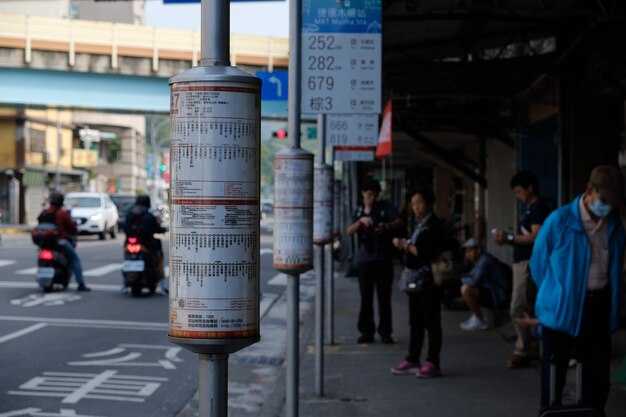
- Train options: Tokyo Monorail to Hamamatsucho (about 15–20 minutes; around 500 JPY) links to JR lines for direct access to major wards; Keikyu Line Airport Express to Shinagawa (about 13–15 minutes; around 410 JPY) is another fast route with convenient transfers.
- Airport Limousine Bus: direct service to many hotels and districts; expect 60–90 minutes depending on traffic; typical costs range from 1,000 to 3,000 JPY per ride; check the airport’s service desks or official pages for the latest schedules.
- Taxis and private transfers: door-to-door options; daytime taxis start around 6,000–8,000 JPY to central Tokyo, with night surcharges after 22:00; private transfers via services like Blacklane offer fixed rates and a meet-and-greet in the terminal.
- Smart transit tips: buy a prepaid IC card (Suica or PASMO) at vending machines or counters; tap on trains, buses, and some taxis to simplify payments and avoid currency concerns.
- Hotel neighborhoods and routes: Maihama guests often take Keikyu Line to Shinagawa, then JR lines to central Tokyo; total travel times vary from 40 to 60 minutes depending on connections.
- Night arrivals: late trains run less frequently; plan ahead with a hotel shuttle or a private transfer if you arrive after midnight; many hotels offer 24-hour front desks or arranged shuttle options.


