



 Svenska
  English (UK)
  Русский
  العربية
  日本語
日本語  한국어
한국어  Magyar
  Türkçe
  Español
  Čeština
  Português
  Ελληνικά
  Suomi
Suomi  Nederlands
  Română
  Italiano
  Français
  Polski
  Українська
  Deutsch
  简体中文
简体中文  Slovenčina
  Tipping in Greece – How Much Is It and When to Do It – A Practical Guide for Travelers">

Give 5-10% at full-service restaurants, and round up to the nearest euro at casual spots. In Greece, tipping signals appreciation rather than obligation. Carry denominations of euros for tips: coins for beach tavernas and deck crews, notes for a table service, and a small amount for a quick return to the table after service. Plan a tip-friendly budget before you sit so generosity stays natural.
For hotel staff, tip 1-2 euros per bag for porters and 1-2 euros per day for housekeepers. For a standout concierge, 5-10 euros is common; give it directly or leave it with a short note. If you can’t meet in person, coordinate via skype with the concierge to arrange timing for services.
Guides and tours: tip 5-10 euros per person for a half-day city tour; 10-20 euros per person for a full-day or private guide. For taxi rides or local drivers, round up to the nearest euro, or add 2-5 euros for longer trips. Hour-long experiences deserve proportional tips, reflecting the effort and engagement a tourist receives.
Tip at the right moment: hand the tip to the person at the end of service, or leave it on the table when you return to the deck or bar. In cities with white stucco facades and coastal streets, concierges across hotels appreciate a clear signal of thanks. If a concierge goes above and beyond–booking a table, arranging a kitchen visit, or securing tickets–increase the amount to show appreciation and plan a smooth return visit for your next trip.
Before you travel, plan how tipping will look on your itinerary. Keep a wallet with denominations of 1, 2, 5, and 10 euros, and consider tips for beach staff, cooks in hotel kitchens, and concierges across locales like rhenia and elia. If you return, message the local team again to learn current norms and tips that improve your experience in these cities for future travels.
Restaurant and café tipping: amounts, service inclusion, and timing
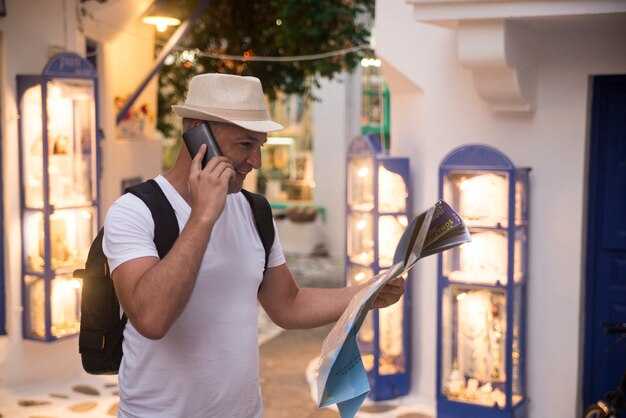
Tip 5–10% of the bill for casual meals; if a service charge is included, add 0–5% only for noteworthy service, or simply thank the staff.
Check the bill for a line item labeled “fees” or “service charge.” If a service charge (often around 10%) is included, you can skip a larger tip, or leave a small cash amount for the crew that served you there. Cash tips transfer directly to the person who helped you, which is especially appreciated onsite at Greek restaurants along the town streets or near the entrance of a hotel restaurant.
- Casual cafés and breakfast spots
- Seating and table service: tip €1–€2 per person for coffee or a light bite; if you sit and are served, add 5–10% of the bill.
- Takeaway or counter service: no tip expected beyond a polite thank-you; in busy hours by the pool or beside the beds at a resort, a small €1–€2 gesture is fine if service was friendly.
- Restaurants in town and stylish dining spots
- Without a service charge: 5–10% of the bill is typical, rising to 10–15% for seafood or Greek specialties when service is attentive.
- With a service charge: add 0–5% for good service; for exceptional care from the crew, consider a larger tip to acknowledge the effort.
- In Mykonos and other popular destinations, a tip toward the higher end (10–15%) reflects the pace, crowds, and size of the dining experience.
- Seafood and upscale venues
- 10–15% is common for fine dining or seafood meals, especially when the waiter or sommelier goes beyond standard expectations.
- If the bill shows a high service fee, reserve the option to add a modest cash tip for the specific crew member who assisted you, rather than rounding up the card total.
- Groups and visitors planning lunches or long lunches
- For large parties, tip 10% or a bit more if the service is smooth across the table; consider €2–€5 per person for a relaxed lunch while you’re planning your day.
- In busy hours, a visible, polite appreciation (handing the tip to the waiter with a smile) makes the return visit more likely along the stylish streets of the town.
- Where and how to tip, timing and method
- Tip at the end of the meal, after you’ve paid or when you settle the bill; if you pay by card, you can add a tip on the receipt or hand cash directly to the server.
- If you’re staying in a hotel with onsite dining, the concierge can guide how tipping works at that property; for a lunch by the pool, the staff serving you by the pool and on the deck may appreciate a cash gesture of €2–€5 depending on the size of your party.
- For transfers or special requests (like arranging a restaurant plan or a dinner cruise), a modest tip to the crew after a helpful hour is a nice touch–often a few euros or a percentage of the bill, depending on the service level.
Throughout Greek dining, friendly adjustments in tipping reflect the personal service you receive, whether you’re in Greek towns, Mykonos, or a stylish resort along the coast. If you feel inspired by the care from the servers, a small extra tip goes a long way and makes future visits smoother for you and the crew.
Hotel tipping: bellhops, housekeeping, and concierge amounts
Tip bellhops €1-2 per bag directly on arrival; housekeeping €3-5 per day, left inside an envelope on the dresser, and protected until the staff picks it up; then check the room each day and adjust if needed. For concierge requests–booking a table at seafood restaurants, arranging a rhodes cruise, or tours in thessaloniki–tip €5-20, based on the effort and the help delivered. If service is exceptional, be prepared to increase the tip on the last day; this signals appreciation that making the stay smoother and that the quality of service matters. Once you set expectations, this approach can differ by hotel, and some properties offer small services without extra cost.
Typical amounts by role
Bellhops: €1-2 per bag, paid directly; housekeeping: €3-5 per day, left inside an envelope on the dresser or placed on the table; in a large suite you may tip €5-8 per day. Concierge: €5-20, based on the task and the outcome; for reservations, private tours, or special events, consider a higher tip. On thursday or other busy days, staff often handle more requests, so amounts may differ accordingly. These figures can differ by property, and some hotels in rhodes or thessaloniki offers different norms; check with the front desk if tipping is expected or optional.
Practical tips for Greek stays
Carry a small amount of euros for tips; cards are accepted at many hotels, but cash remains common for bellhops, housekeeping, and concierge. For a paroikia stay or a hotel near the sea, tip generously for good help and reliable service. Place tips inside an envelope on the dresser to keep them protected, and consider labeling them for “staff” to avoid confusion. If staff helps with a special arrangement–champagne service, balloons, or a cake in your suite–you can reflect that effort with a larger tip. If you are staying days in a row, you can adjust the amounts gradually; once you see the value they add, you feel more comfortable with the obligation you have to acknowledge good service. This approach makes your trip easier and makes the hotel feel that you value the staff’s efforts; offers from the hotel can complement your tipping in meaningful ways.
Taxi and private transport tipping: when and how much to give
How much to tip
typically, round up to the nearest euro on short city hops. For longer trips or private transfers, tip 5–10% of the fare with a practical minimum of 2–3 euros for small fares and 5–10 euros for mid-range distances, with the exact amount based on distance and service while you ride.
When the driver helps with luggage, waits during stops, or offers local tips on sights and cafe stops, lean toward the higher end. For airport pickups or island transfers, 8–15 euros is a reasonable benchmark depending on distance and service. If your plan includes a delos excursion or visits on friday or tuesdays, add 5–10 euros to reflect extra effort and guidance. This keeps your escape to a paradise destination smooth and comfortable, with views that make the ride worth it. The experience can feel like a queen experience, turning the trip into a memorable part of your Greek itinerary.
Practical tips for tipping
Carry cash in small denominations; cash is typically used for tips, even when the fare is paid by card. Have a few 1–2 euro coins and 5–10 euro notes ready, or withdraw euros from atms before you travel. If you paid the fare by card, tipping by cash is still common; or ask if the driver can accept a card tip. Tip directly to the driver after you exit, with a friendly thank you. For stays at hotels or transfers arranged through a cafe, keep the same plan, and consider a bit extra for a driver who offers useful directions to delos or other sights. This approach emphasizes a comfortable ride with clean furniture and a zircon-blue view, turning a routine trip into a smooth part of your stay and enhancing your paradise escape.
Cash tipping vs card tipping: handling payments and avoiding awkward moments
Always have smaller bills ready for cash tipping while you travel. In casual Greek settings, tips go directly to the person who served you, so they catch them on the spot–the driver, the kitchen staff, or the deck team, along with the colleague who helped you.
For card tipping, confirm the terminal supports tipping before your meal or ride. If the merchant cannot accept card tips, plan cash tip instead; in south Greek towns and paroikia, card tipping is less common, so contact the front desk or concierge to learn the specific practices.
In a white-walled hotel or a house with a fully-equipped setup, keep tipping simple: cash tips go to staff in a natural, direct gesture. Leave housekeeping tips daily in the bedroom area or on a serviceable surface, such as a dresser, to ensure they are noticed on floors and in corners where staff pass through. When you’re traveling with a guest in a taxi, a small cash tip handed with a smile keeps things smooth; card tips are rarer for drivers and may take longer to process.
To avoid awkward moments, distinguish between what’s included on the bill and what you add as a tip. If a service charge or gratuity line exists, use cash tips for staff who directly assist you and allow card tips only if the terminal clearly supports it. When tipping in a paroikia or natural, less-touristy area, ask discreetly at contact points like the desk or guide about preferred practices–this avoids miscommunications and ensures your gesture reaches the right person.
| Service | Cash tip (EUR) | Card tip (EUR) | Anteckningar |
|---|---|---|---|
| Restaurant server | 5-10% of bill | Added to total if accepted by merchant | Ask upfront if tipping via card is supported; if a service charge exists, cash tips can still be meaningful |
| Hotel housekeeping | 2-5 EUR per day | Not common; use card only if staff request it | Place on the dresser or in an envelope inside the bedroom |
| Taxi or driver | 1-3 EUR per ride (short trip); 3-5 EUR for longer routes | Uncommon; only if the terminal supports it | Give cash directly on arrival or departure with a calm gesture |
| Tour guide | 5-10 EUR per day per group | 5-10 EUR added to the group payment if allowed | Tip at the end of the day; include all members in the gesture |
| Casual cafe or bar staff | 1-2 EUR per person | 1-2 EUR added to the card total if permitted | Cash is often preferred in smaller venues |
Regional variations and practical tips: island vs mainland practices and service charges
Always check the bill for a service charge; if included, leave a modest extra only for standout service (about 5% or a couple of euros per task); if not, plan around 10% for meals. This rule fits most venues in paradise destinations and on the mainland, and it protects locals who rely on tips beyond base wages. For a participant in a group trips, designate one person to handle tipping onsite so you hand it to the right staff. When helping with a late transfer or a special request, 5–10€ is common. If you return to the same property week after week, repeat the same approach to keep income protected again. In luxury settings, tipping for a private tour or a classic show is common; a friendly concierge can smooth transfers and meetings as well as arrange a card payment option if needed. If you need a quick local recommendation, drop a message to ioannis or katerina and you’ll get a trusted reply; this approach helps ensure the transfer goes smoothly and you can plan another trip with confidence.
Island practices at a glance
On islands, service charges vary by property; many boutique hotels use open-plan dining spaces and onsite concierge services. If a service charge (typically 10-15%) is included, opt for a modest extra only for noticeably helpful staff; otherwise, 5-10% is fine for meals. For housekeeping in a suite, leave 2€ per day; for a bathroom request or a quick helping, 5-10€ is common. For casual tavernas outside main tourist zones, 1-2€ per person is typical; for a full-day tour or trips, 5-7€ per participant is standard. Some places run on Tuesdays with shorter hours; plan your day accordingly and bring cash for tips or use cards where accepted. The aicon system and classic service expectations mean that locals appreciate a friendly approach; if ioannis or katerina assist with a transfer or show, a small tip goes a long way and you’ll feel the difference on your next visit.
Mainland practices: key differences
In mainland tourist hubs, service charges are common; if 10% is included, reserve a modest tip only for outstanding service; if no charge, tip about 10% on meals. For daily housekeeping in a suite, 2-3€ per day is typical; for the concierge handling meetings or a large transfer, 5-10€ per request. For private tours or drivers, 5-10€ per person per day is standard; for a standout guide, 15€ per group is typical. When paying by card, confirm tipping can be added to the bill or use cash for on-site tips; locals appreciate tips that stay within regional norms. This week you’ll encounter different formats, but the approach remains friendly and consistent for the participant and the group, and keep in mind that tips support staff’s livelihoods even when you are traveling outside peak season.
Kommentarer