



 Svenska
  English (UK)
  Русский
  العربية
  日本語
日本語  한국어
한국어  Magyar
  Türkçe
  Español
  Čeština
  Português
  Ελληνικά
  Suomi
Suomi  Nederlands
  Română
  Italiano
  Français
  Polski
  Українська
  Deutsch
  简体中文
简体中文  Slovenčina
 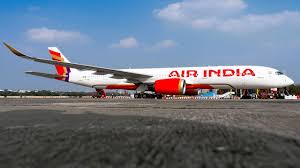 Air India expands Premium Economy to most of its fleet, transforming airport flows and passenger expectations">

Air India has installed Premium Economy cabins on 60% of its fleet, changing seat maps, boarding sequences and priority check‑in procedures at major domestic airports and altering demand patterns for airport transfers and curbside pickup. The retrofit affects turnaround times, gate allocation and ground handling volumes as airlines and airports adapt to a three‑class layout on narrowbodies and a scheduled widebody upgrade beginning March 2026.
Campaign and passenger insights at a glance
The airline’s 360‑degree campaign, titled The Premium You Deserve, reframes extra comfort as an expected part of travel rather than an indulgence. Survey results embedded in the campaign show that 80% of Indian travellers prioritise comfort more than before, 87% see comfort as practical, and 60% would pay a modest premium for improved short‑haul comfort. These figures drive product positioning toward measurable service perks: extra legroom, enhanced recline and priority processing.
Key features highlighted
- Extra legroom and wider seat pitch designed for more relaxed short‑haul travel
- Enhanced recline and improved cabin design for better onboard rest
- Priority check‑in, fast security lanes where available, and priority boarding
- Gourmet meals and curated service touchpoints that aim for a human‑centred experience
Fleet retrofit timeline
Retrofits already completed on narrowbodies introduced a three‑class configuration—Business, Premium Economy and Economy—while widebody upgrades will roll out in phases. This staged implementation has operational knock‑on effects for airport logistics, ground crew scheduling and passenger flow management.
| Flygplan | Retrofit status | Planned completion |
|---|---|---|
| Boeing 787‑8 | First upgraded returning March 2026 | March 2026 (start) |
| Dreamliners (total 26) | Full retrofit programme | Mid‑2027 (expected) |
| Boeing B777 fleet | Scheduled retrofit after Dreamliners | By 2028 |
Operational implications for airports and transfers
The introduction of a distinct Premium Economy cabin changes how passengers interact with airport services. Priority check‑in and boarding shorten wait times for some passengers but concentrate curbside demand during peak windows. Ground transport providers—taxis, private transfers and ride‑hail vehicles—need to adapt to clustered arrival slots and shifts in baggage volume per passenger.
Practical effects on taxi and transfer planning
- Passengers with priority benefits may expect quicker meet‑and‑greet service; transfer providers should monitor gate and lounge locations (for example, The Maharaja Lounge at Indira Gandhi International Airport) to position drivers efficiently.
- Extra luggage or premium meals may increase need for larger vehicles or dedicated luggage space—consider booking a 5‑seater or small van where exact baggage count matters.
- Shorter perceived journey fatigue from Premium Economy can shift mode choice from shared shuttle to private car or limousine for last‑mile convenience.
Tips for travellers who have a mind to upgrade ground transport
To align airport and ground experiences, travellers should book transfers with exact flight and seat details, allow buffer time for retrofitted boarding patterns, and choose a service that lists vehicle make, model and driver ratings ahead of time. At a glance, a few simple steps make ground logistics smoother:
- Confirm flight number, terminal and expected arrival gate if available
- Specify luggage count and request a larger vehicle if travelling with carry‑ons and checked bags
- Choose drivers who display licences and provider ratings to reduce uncertainty at pickup
What this means for travel planning and service providers
Air India’s repositioning of Premium Economy as a mainstream expectation nudges both airports and ground transport companies to refine their service mix. Operators that track cabin distribution, passenger premiums and check‑in protocols will better anticipate demand spikes for city‑to‑airport transfers and curbside pick‑ups. Airlines, ground handlers and transfer companies all benefit from greater transparency in passenger flows and vehicle allocation.
The campaign’s rollout across digital, TV and OTT channels—timed to run through the T20 World Cup and beyond—also signals a marketing push that could increase short‑haul leisure travel. To have a mind to travel more comfortably means also choosing the right ground service to match the onboard upgrade.
Highlights: the move makes clear that comfort is now framed as practical rather than luxury, cabin realignment affects gate and ground operations, and short‑haul passengers are increasingly willing to pay for measurable perks. Even so, the most honest review is personal experience—no set of ratings replaces one trip. On GetTransfer, you can hire a car with driver from verified providers at reasonable prices. This empowers you to make the most informed decision without unnecessary expenses or disappointments, offering convenience, affordability, extensive vehicle choices and a wide range of additional options. Start planning your next adventure and secure your worldwide transfer with GetTransfer. Book your Ride GetTransfer.com
In summary, Air India’s premium push—upgrading 60% of its fleet and rolling out widebody retrofits—reshapes airport timeframes, boarding flows and transfer demand. Travellers should factor exact seat class, luggage counts and arrival times into transfer bookings to get the service, car type and driver they expect. For those wondering how much to budget for a smoother airport‑to‑city connection, platforms like GetTransfer.com add transparency: compare vehicle makes, model, driver ratings and prices to select the best private or shared options. Whether you need a cheap cab, a private limousine, a 5‑seater or an airport shuttle, planning ahead reduces surprises and saves time when you book the right ride to your destination.
Kommentarer