
Narita Airport Guide - Terminal Maps, Transit Options, and Getting to Tokyo
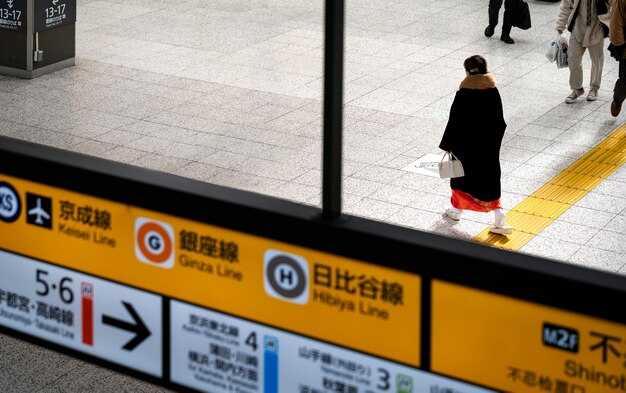
Recommendation: For faster access to central Tokyo, take the Narita Express (NEX) or Keisei Skyliner within 60 minutes of landing, and secure reservations in advance. From the gate, it’s a 5-minute walk to the transfer desks, then you’ll board with minimal waiting.
Terminal maps appear at arrivals, in the lobby, and near transfer points. They are color-coded and easy to read, so you can plan a path to the right gate without backtracking. For quick orientation, take a photo of the map on your phone. A bathroom is located near gate areas and on every level, clearly marked in English and Japanese.
Transit options include the JR Narita Express to Tokyo Station, Shinagawa, and Shibuya; the Keisei Skyliner to Ueno and Nippori; and local Keisei or JR connections to other wards. Inter-terminal transfers use a free shuttle or underground passages, typically under 15 minutes between terminals. If your connectionshour is tight, follow the underground signs and move directly to the correct platform with your pass or ticket ready. Some routes offer transfer to multiple lines with single tickets, which can save you time.
Travel times from Narita to central Tokyo range from about 40 minutes (Skyliner to Ueno) to 53 minutes (NEX to Tokyo Station). Limousine buses run to major districts and hotels, often providing door-to-door service. Check views from different routes to decide where you’ll want to station for your first Tokyo day, and note last trains or buses to your destination if you’re arriving late.
Bring a calm mind to the process, keep your pass handy, and don’t hesitate to ask staff with questions. The overall airport experience is designed for smooth transfers, with clear signage in the lobby, simple bathroom access, and reliable views of the runways. If you’re curious about the field layout or want a quick snapshot, terminals offer convenient spots for a quick photo.
Terminal Maps: Locate Narita Terminals 1, 2, and 3
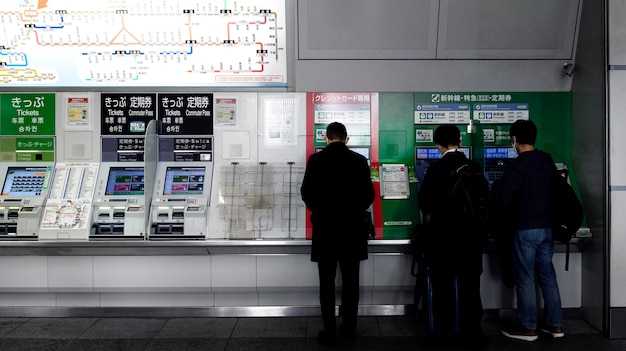
Use the airport app’s terminal maps or the information desk to pick your path to T1, T2, and T3. Once you are using the map, you’ll see lounges, bathrooms, and passenger services, plus a button you can press for turn-by-turn directions. This quick reference helps you navigate without guesswork.
Each terminal cluster appears with its concourses and satellite areas. T1, T2, and T3 are laid out to minimize backtracking, respectively, with transfer corridors clearly labeled. East and west sections are noted so you can orient yourself fast, and the routes section shows pedestrian connections and shuttle stops. Creative signage guides you toward the right gates and lounges.
Inter-terminal transfers and practical routes
The main options to move between terminals are a free inter-terminal shuttle and indoor walkways. The shuttle runs roughly every 5–7 minutes and takes about 5 minutes between closest terminals; slightly longer if the queue is high. If you carry luggage, moving walkways speed things up, and satellite concourses stay connected by covered paths. There are several ways to transfer, including short shuttle hops or a longer, direct indoor walk.
Depending on your gate, choose the direct route along connected corridors. A 5-minute transfer is typical between adjacent terminals. To reach ginza after landing, use the map to locate JR Narita Express or Tokyo Metro connections from the central concourse; the fastest path is JR to Tokyo Station, then Metro to ginza. If you drive, follow highway signs to parking areas near each terminal. In addition, the maps show connections to toyosu via JR and Tokyo Metro lines, making it easy to combine travel with dining or resorts along Tokyo Bay.
Signage and Ground Navigation: From Arrivals to Transit Hubs
Begin by following the bright arrows from the arrivals concourse to the Ground Transport Center. Overhead panels in English and Japanese guide you to rail platforms, bus bays, and taxi stands, with color codes that stay consistent across levels.
At each intersection, use the large maps near information desks to verify routes. If you need a check, scan the QR codes on the signs for a live map on your phone, and note platform numbers before you proceed.
For bags, look for lockers or staff-assisted help desks; there are clear directions to secure spaces and to the transfer halls. If you carry heavy bags, take the elevator instead of stairs to stay comfortable during the move.
From arrivals to the rail and bus gates, you’ll see Narita JR lines, Keisei Access Express, and airport bus routes. Follow the lines you prefer; each option has dedicated signs and loading areas to keep connections smooth.
If you need help, stop at information counters on the lower level; staff can print a map, confirm a transfer, or point you to the right platform. For longer trips, check schedules at the counter or online before your arrival to secure seats on preferred trains, and follow the signs that connect arrivals with transit hubs.
Rail Options at Narita: Narita Express, Skyliner, and JR Connections
Skyliner to Nippori is the fastest ride into central Tokyo (about 36 minutes). Reserve seats in advance for a smooth start and easy JR transfers to Ueno and beyond via the chuo line or sobu line. If you’re staying near the tokyo-narita corridor or plan to explore central areas quickly, this is the best first move after landing.
Narita Express (NEX) delivers a direct, comfortable ride with dedicated cars and ample luggage space. Tickets and seat reservations can be completed online before you travel or at the airport; the route centers on Tokyo Station and extends to major hubs such as Shinagawa, Shibuya, and Shinjuku. Featuring quiet interiors and simple transfers, the experience is smooth; cons include fewer trains per hour and longer total travel times for some destinations. Multiple ticket options include reservations for a reserved seat and through-tickets. When you arrive, use the underground concourses to reach your hotel area quickly, and plan ahead if you stay across central districts.
JR connections give flexible routes to neighborhoods across Tokyo via the chuo line, sobu line, and other JR services. From Tokyo Station, hop onto the chuo line toward Shinjuku or Takao, or switch to the sobu line toward Akihabara, Chiba, and beyond. These trains run frequently, relatively reliable, with short gaps during peak hours, and you can choose reserved seats for a steadier ride when you’re carrying luggage. If your plan includes temple districts or covers a mall-heavy area, JR routes save you extra transfers. For travelers aiming to nozawa or other regional towns, connect to a Shinkansen hub and continue onward.
For extra convenience, a limousine service links Narita to major hotels and accommodation across central Tokyo, with drop-off directly at your honten or preferred address. Limousine buses stop at key hotel districts and offer smooth, luggage-friendly handling, especially late in the evening, and they can stop near hotel side entrances for easy unloading. Alternatively, plan a shorter ride to a JR station and continue with JR lines; use the underground passages inside large hubs to switch lines above the platforms with minimal stairs and lift access. If you want to handle luggage yourself, you can drop your bags at the hotel soon after arrival.
Practical tips: If you want to maximize speed and minimize transfers, tilt toward Skyliner or NEX depending on your final destination. Check the station maps in advance and note platform numbers; you’ll find multiple signs in English and Japanese, with clear directions for sobu and chuo links. The tokyo-narita corridor also features a handy mall area near terminal shopping, plus easy access to Asakusa temple districts via short JR hops. If nozawa-bound trips are part of your plan, align your Narita arrival with a Shinkansen link from Tokyo Station and continue by train toward Nagano or nearby towns. The experience remains straightforward, and the journey works well with a light luggage load.
Bus and Limousine Services: When to Choose a Bus, How to Buy Tickets
If youre on a low-budget, take the bus from tokyo-narita to central Tokyo. Buses cover lots of stops at stations across the city and are connecting hubs for the Yamanote line and beyond, including routes toward Yokohama. They run every hour, and updated timetables appear at terminal boards and on the operator machines. Some shuttles offer wi-fi, and maps show each stop. If youre heading to hotels in Shisui or near major stations, this option usually covers multiple destinations with minimal transfers.
However, choose a limousine when you want door-to-door service and fewer stops, especially if your hotel sits near a Yamanote station or you travel with lots of luggage. Limousine shuttles are pricier but drop off directly at many hotels and central stations, reducing transfer effort. They typically service the tokyo-narita corridor with direct connections to major hubs and Yokohama routes as well. You should enquire at the counter about exact stops and whether your address is covered.
Tickets are purchased at airport counters, vending machines, or online. You can choose a single-trip ticket or a pass that covers multiple trips in a day. If youre unsure which option fits your plan, enquire at the information desk; staff can confirm the stops and which service covers your route.
Tips to smooth the process: check the tokyo-narita updates on the airport screens, and use the stations signs to locate the correct platform. If you require connecting to Shisui or other districts, ask at the desk to plan a combination that minimizes hops and fits your schedule.
From Narita to Tokyo: Travel Time, Fare, and Booking Tips for Trains
Recommendation: Use the Keisei Skyliner to Nippori (41 minutes, 2,520 yen) and then transfer to JR lines to central Tokyo, for a total door-to-door time of about 50–60 minutes. If you prefer a single-ticket, non-stop ride, the Narita Express takes around 60 minutes to Tokyo Station for roughly 3,020 yen per person.
As Narita is an international airport port, these options connect you quickly to Tokyo’s vast network. Follow the front of the terminals to the Skyliner or NEX counters on the floor near the main exits, and use the ticket machines or desks to plan your journey. Using a combination of Skyliner and JR is a modern, efficient choice for traveling with luggage or when you have lots of connections to make, respectively aligning with most schedules.
For personal itineraries that include side trips, you can explore nearby villages or coastal resorts when blossoms are in season. Both routes offer straightforward connections to central Tokyo, and you’ll find plenty of signs, アクセス options, and platform guidance to keep you moving smoothly. The Skyliner route gets you to Nippori quickly, and from there you can tap into the JR East network; the Narita Express offers a front‑to‑front, single-ticket experience, taking you directly into Tokyo Station. Tastes of Tokyo’s neighborhoods unfold between times, with plenty of per‑person fare options to compare.
Booking tips
- Book online in advance when possible to secure reserved seating, especially during holidays or blossoms season. Ticket counters at the front of each terminal also handle same-day purchases for both Skyliner and NEX.
- Enquire about bundled or return options at the counter; some travel partners offer combinations that simplify the booking between the two lines.
- Look for discounts and promo codes, including codes like cheapo20 when booking through partner sites or specific travel apps; verify eligibility at booking before payment.
- Consider using IC cards (using Suica or Pasmo) for a smoother transfer between Skyliner/NEX and JR lines; tapping at entrance and exit speeds up the process.
- Note transfer times: the 5‑minute transfer window at Nippori from Skyliner to JR is common, so plan your luggage handling accordingly.
- Keep your passport and booking references handy at the information counters if you need to verify tickets or student/ senior discounts.
Discounts and practical tips
- Regular commuters often choose a JR East Pass or regional alternatives; review which pass covers your entire trip and any required exchanges at the gate.
- Between the two main routes, the Skyliner + JR option typically costs less per person than the direct NEX route, while still offering fast, reliable service.
- If you’re traveling as a group, inquire about group seating or family options to reduce the per‑person cost.
- For spring travel, plan extra time for flowers viewing and optional day trips to nearby towns or coastal resorts; the train network makes these detours feasible without long delays.
- To maximize value, compare times, fares, and onboard comfort across both routes and book the one that matches your personal pace and schedule.
Getting Around Tokyo: IC Cards, Apps, and Best Transfer Hubs After Narita
IC Cards and Apps
Get a Suica or Pasmo IC card at Narita airport counters; the card, purchased there, provides tap-and-go access on JR East, Tokyo Metro, and most private operators. Top up at ticket machines, convenience stores, or via Mobile Suica on supported devices, letting you ride without hunting for exact change. In winter or during august peak, this approach reduces queues and keeps your itinerary moving. The IC card works across roads and rail within central Tokyo, so you enjoy smooth transfers from terminal to hotel or sights.
Use a companion app to check connectionshour and real-time statuses; this improves visibility and helps you adjust on the fly. For most trips, regular services cover core routes, and seats on limited-services like Narita Express may require reservations; otherwise, you ride on non-reserved cars. A starter balance of 2000–3000 JPY is enough for a few days; recharge as needed. For a discount, look for partner promos such as cheapo20. If your plan centers around shinshoji, you’ll find a broad, modern network with air-conditioned cars and straightforward fare calculations.
Transfer Hubs and Practical Route Tips
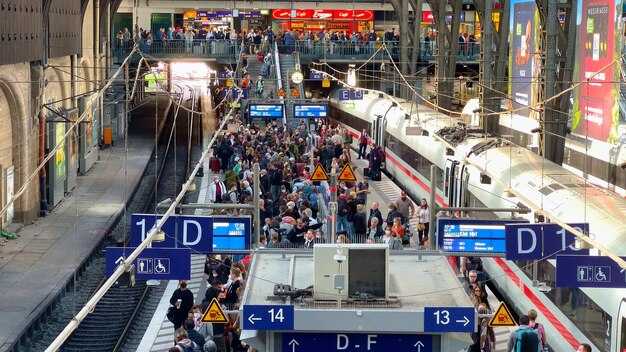
From Narita, the fastest direct link to central Tokyo is the Narita Express, with trains to Tokyo Station, Shinagawa, and Shibuya; expect around 60–75 minutes and reserved-seat options, so check-in at your hotel often goes quicker when you board with your IC card and keep the ticket receipt handy. The Keisei options, including the Skyliner to Nippori or Ueno, run faster still and remain cheaper per ride if you plan multiple trips. If you want the cheapest direct route, the Keisei Access Express to Nippori or Oshiage is solid, especially when you combine it with a Suica or Pasmo pass.
For connections around central wards, aim for hubs like Tokyo Station, Shimbashi, Shinagawa, Shibuya, and Nippori. The sobu line provides convenient east–west links to western suburbs; some travelers also route via shinshoji for access to quieter transfer points. In august, the views from elevated platforms and city outskirts are clear, and you’ll notice well-marked signs and multilingual directions. If you prefer a single, straightforward route, plan a path with a few transfers and still reach major districts within an hour. Reservations are helpful for some limited-seat trains, while most trips use frequent regular services throughout the day.


