
London Taxi Guide - The Ultimate Guide to Taxis in London

Book ahead to guarantee availability and a smoother pickup, especially around busy hubs like airports and major stations. For traveling with luggage or a small group, choose a vehicle that can accommodate you without fuss, and you’ll save time during peak hours.
London taxis are metred and based on distance and time. The meter starts the moment the cab moves, and waiting time is charged per minute, thus shaping the final fare across hours and miles. Typical central rides range from 1 to 6 miles and 10 to 30 minutes, depending on traffic.
In central London, hailing a taxi on the street works well, but for faster access you can catch a ride via apps or book ahead while traveling.
Near pubs and other establishments in the West End or around the City, taxis cluster at main arrival points; availability is higher around transport hubs and at closing hours of venues.
Booking options are easy and useful: official apps or a company’s service let you book from your location and choose a vehicle that can accommodate your group. In busy blocks, you can expect availability to dip, so plan ahead.
Practical tips: know your distance in miles so you can estimate the fare, and remember a metred taxi will charge for both distance and time. If you’re heading to a venue near pubs or stations, consider walking a short distance to a nearby pickup point to improve availability and catch a ride more quickly.
Where to find a black taxi in London: ranks, street hails, and pickup etiquette
Always head to a designated taxi rank or airport desk for a black taxi; for transfers or reservations, it is advisable to book in advance.
london ranks appear outside Heathrow, Gatwick, Stansted, and Luton airports, plus major stations such as Victoria, Paddington, King's Cross St Pancras, and Liverpool Street; youll also find stands at key hotels and event venues. The Taxi sign on the roof lights up when a cab is available, and the cab windows are often tinted but the driver remains visible for safety and communication.
On the street, catch a cab by raising your arm clearly from the curb; only approach a taxi that is stationary and has its sign lit. Do not attempt to enter a moving vehicle. Once inside, confirm the destination and any required stops before the meter starts running; if you need transfers or a specific route, tell the driver up front.
Pickup etiquette emphasizes the back seat as standard; explain your needs–number of passengers, luggage, accessibility, and any transfers or special routes. Fares are paid on the meter, and most cabs accept card payments as well as cash; amenities such as air conditioning and easy-to-use card readers are common. You can request a quiet ride or ask for assistance with luggage; the driver can help with luggage and directions. Always ask for a receipt, and if something seems off, alert the driver or staff at the rank. In many cases drivers are helpful, and youll often get a straightforward explanation of the route and charges.
Tourists should be alert and follow this guide: use official ranks or desks to avoid unlicensed pickups; however, do not hesitate to hail a street taxi when a cab is clearly free and visible. whats more, check the route in case of roadworks and avoid long detours; though some detours may save time, for journeys with tight schedules or multiple legs, reservations and transfers can help, and always ensure you meet the requirements of a licensed taxi to keep your london trip smooth and predictable. According to official guidance, always verify the cab's license and the rooftop Taxi sign before boarding; additional tips from locals can make your experience easier.
Understanding fare structures: base fare, metered distance, and surcharges
To plan your trip, youre better off starting with a fare estimate: base fare plus distance, plus any surcharges that apply to your area. Just check the estimate before you enter this area, since airports, central zones, and rush hours add extra charges. If youre booking a ride or if youre booked for a specific time, check the driver’s app or the government fare guide to see which charges apply when you enter this area and location.
The base fare for a London taxi (the iconic black cab) typically starts around £3.50, after which the meter adds for distance and time. Distance charges run roughly £2.00–£3.50 per mile, and waiting time costs about £0.40–£0.60 per minute in slow traffic. For private-hire options, you may see a booking fee (around £0.50–£3) or a minimum fare, plus surge pricing during peak rush windows. Airports carry fixed surcharges, while central London trips can incur a congestion-related charge if you enter the zone. Night trips add a multiplier, often about 20–50% more than daytime rates, depending on operator rules. When you book, enter your trip details yourself in the app to see the final fare and adjust timing to avoid peak periods.
How fares are calculated
The breakdown is simple: base fare + distance_cost + time_cost + surcharges. The distance_cost is distance_km × rate_per_km with typical rates around £1.20–£2.80 per kilometer, depending on traffic. The waiting_cost is time_spent_in_traffic × rate_per_minute, often £0.30–£0.60 per minute. Surcharges can include airport fees, central London congestion charges, late-night rate, and private-hire booking fees. In practice, a 3–5 mile trip in daylight may land between £9 and £20 on a taxi, while a longer trip or a ride during rush hour can push into £25–£40. If you book via a private-hire app, you may see a small booking fee and a minimum fare, even if you travel a short distance. To avoid surprises, enter your destination in the app yourself and review the estimated fare before confirming, especially if you need to catch a flight from airports.
Tips to save on fares when visiting London
Choose times with smooth traffic by booking off-peak. If youre not in a rush, book a private-hire vehicle with flexible timing; you can often save by avoiding peak rush. For visitors, the area around iconic landmarks can see higher prices; consider using a fixed-route service to private airports; you can also split a ride with a person to share the fare. In large areas with variable availability, booking in advance gives you the best chance to secure a driver, while walking to a nearby location can reduce waiting and distance. If youre staying near a remote hub or outside central london, compare options to ensure you’re not paying extra for entry into the charged zone. Any ride from airports or central london is government-regulated; the driver is your contact on arrival, so you can confirm the pickup location and expected arrival time to keep the hand-off smooth.
Payment options for taxis: cash, card, contactless, and app payments
Prefer contactless or app payments for speed and traceability, and carry a small amount of pounds as backup for cash-only cases.
London taxis run on a taximeter, and the fare is shown in pounds. You can settle by cash, card, contactless, or app payments. The choice depends on convenience, distance, and crowds; for visitors traveling between public hubs or near iconic sights like the palace, these options provide straightforward, reliable options. This guideline covers how each method works in practice and what to expect in typical cases.
Payment methods in practice
- Cash (pounds): Keep a small bill ready for quick rides or when a card reader is unavailable. The driver may offer change, and you can request a printed bill if the taxi uses a digital system. If you’re hailing a ride near busy areas, cash can be the simplest choice, especially for shorter trips.
- Card payments: Most licensed taxis accept debit and credit cards. The driver can swipe or insert the card for chip transactions, and you’ll still receive a clear fare summary. Cards work well for average-length journeys and for travellers who prefer not to carry cash.
- Contactless payments: Tap your card or mobile device to pay. This option is typically the fastest and reduces handling of cash; you get an instant confirmation on the taximeter and a digital receipt in many cases. It’s a popular choice among public-transit users and visitors alike.
- App payments: Use a travel app linked to the taxi service or the taxi’s own app. The app provides a digital bill, travel history, and easy tipping options. Some apps let you compare fares before you ride, and you can split payments if you’re travelling with others. App payments suit specialised trips and executive rides where a clear, traceable record matters.
Looking for flexibility? Theres options that work for most needs, whether you’re looking for speed, cash handling, or a detailed receipt. For executive rides or prepaid tickets, the payment method remains consistent across cards, contactless, and app options, ensuring a seamless experience in busy zones around central London, where the public and visitors alike often hail taxis from a palace quarter to transport hubs. The system is designed to be extensive, providing reliable payment paths across licensed taxis so theyre easy to use on every journey.
Tipping etiquette for London taxi drivers
Tip 10-15% of the fare, or round up to the nearest £1, before you exit the cab, to show appreciation for reliable, punctual service. These tips matter for driver morale and the standard of each ride.
On card payments, you can add the tip in the reader, but many drivers prefer cash tips, which matter for housekeeping and daily earnings. If you prefer cash, have it ready and hand it directly to the driver after the ride, a small gesture that is widely appreciated by these drivers.
Your tip is calculated as a percentage or flat amount, depending on the service level. Consider distance, traffic, luggage, and whether the driver provided extra help with routes or local knowledge. For specialised services such as limousines or corporate pickups, you may choose higher tip amounts or a flat option, thus reflecting the extra care received, and for special cases you may adjust accordingly.
Suggested tipping table
A simple tipping table is: Fare up to £5: 50p-£1; £5-£10: £1-£2; over £10: 10-15% of the fare. For flexibility, round the tip to the nearest £1 or £2; these amounts are widely used and a reliable table for London taxis.
Practical tips for tipping
For corporate rides, confirm the driver’s name and the vehicle registration; many company policies treat tips as a separate line item on the invoice, which matters for accounting and housekeeping. If you want tipping tracked, use the option on the app or ask the driver about preferred payment arrangements.
Double-check the total before paying. If the fare seems off, perform a double check on the fare and ask the driver to verify the meter reading.
Ride-sharing in London: apps, pricing, and pickup rules
Book through the app and confirm the pickup location on the map; in busy zones choose stations or other locations to reduce waiting time and detours. Watch for yellow markers on the map to confirm the exact pickup point.
Major apps connect you with private hire vehicles (PHVs) in several models, including sedans, SUVs, and accessible vehicles. The app shows you vehicle details, ETA, and a price estimate before you confirm. Prices vary by app and route, but you’ll see a base fare, per-mile charges, and per-minute charges, plus additional surcharges for airports or late hours when applicable.
Base fares typically start around £2–£3, with per-mile rates around £1.50–£2.50 and per-minute charges near £0.25–£0.50. For a short trip in central London, the average fare falls around £10–£15; longer trips or peak times can reach £20–£30. Airports add extra charges of roughly £2–£5 depending on the app and route. Prices show before you confirm, helping you compare options.
Practical tips for riders
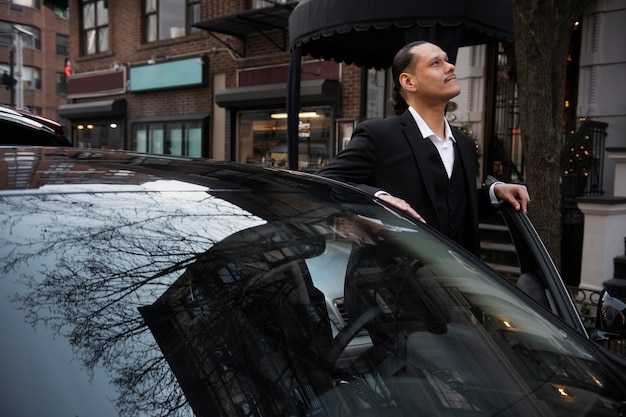
Pickup rules: you must request a ride through the app; drivers cannot be hailed on the street for private hire vehicles in London. You meet them at curbside or at the app-designated pickup point. If you can't find your driver, use the calling feature in the app to contact them. In crowded areas, expect to be directed to a designated pickup zone near stations, airports, or shopping locations. If you are traveling with luggage, select a larger vehicle option in advance when possible to accommodate bulky items.
Note the central congestion charge zone in London can add to costs on some trips; plan a little extra and expect the zone to be indicated in the app if it applies. For stations and airports, allow a few extra minutes during peak periods and follow posted guidance in the app to avoid delays between pickup points and drop-offs.
Safety and security: verifying driver identity and protecting your ride
Follow this rule: verify driver identity before you enter any taxi. In the app or on the vehicle, check the driver’s name, photo, and the license/medallion number, then cross-check the plate with what’s shown in the trip screen. Look for a current taxi sign and a taximeter that displays the fare you expect; if you see a yellow badge on the listing or the car, confirm it’s up to date. If any detail doesn’t match, cancel and request another ride.
Before you sit down, ask the driver to confirm their name and the pick-up point; compare the plate against the app and the vehicle’s own plate. A mismatch is a red flag. Check whats displayed in the app about the route and tariffs. For long-distance rides or remote areas, keep the trip within the app and verify the route. If you’re navigating from pubs to an office and a detour is proposed, request a return to the planned zone or switch to a new car, and notify the offices if needed.
During the ride, stay aware of the route. Use trip sharing with a trusted contact and check that the taxi's route matches the map in the app. Compare the taximeter against the miles driven; if the driver makes many miles of detours into a remote area, request a stop at a busy zone or switch to a different car. If tariffs change or a fare higher than the forecast appears, ask for a fare confirmation and a stop in a safe place. Keep one hand on the door handle until you’re ready to exit and maintain clear communication with the driver.
After the ride, save a copy of your trip details in the app and rate the driver. If anything felt off, contact the operator’s offices and file a report with as many facts as possible: date, time, plate, driver name, route, and any detours. Verily, keeping a record pays off if you need to raise a concern. For many riders, this habit reduces heavy incidents and improves safety across long-distance or remote trips. If you paid in cash and the tariff seems off, check the receipts in the app and compare with the fixed or dynamic tariffs posted by the operator.
Accessible taxis and passenger assistance in London
Book a wheelchair-accessible taxi in advance with a licensed operator to guarantee a suitable vehicle and trained assistance. Please name your needs when booking, including the number of passengers and any transfers, and confirm that the vehicle can meet your conditions before you travel. This helps ensure the least hassle.
London uses metred fares for black cabs, while many minicabs offer fixed-price or negotiated costs for pre-booked rides. Costs vary by distance and time; ask for an upfront estimate in pounds and compare quotes from a few operators. When your route goes beyond central zones, check if airport surcharges or long-distance fees apply, then decide which option fits your schedule and budget.
Specialised WAV fleets provide safe, door-to-door support; executive WAV options exist for travellers needing enhanced space or comfort; many operators offer transfers for airport or station connections, including help with luggage. If you cant manage stairs or heavy doors, insist on a ramp and staff trained in safe handling. Since accessibility is essential, choose operators with extensive experience and clear policies. Verily, this approach reduces risk and saves time.
Choosing an accessible service
Look for operators that specialise in wheelchair-accessible vehicles. Confirm the vehicle type, that staff can assist at the door, and that the driver has training in safe handling. Ask for a name and contact for the booking, and confirm the pickup point and whether a transfer to a nearby accessible stop is possible if needed.
Tips for the ride
Before you book, request a clear written quote and note the estimated costs in pounds. On arrival, alert the driver to any mobility needs, check that the meter is active if you use a metred option, and verify the planned route if you have a fixed transfer. Keep essential items within easy reach, and if you feel unsafe at any point, ask to switch to another operator.
| Service | Vehicle type | Accessibility features | Typical charges | Booking options |
|---|---|---|---|---|
| Black taxi (metred) | WAV or standard taxi | Door-to-door help, ramp, space for wheelchair | Starting fare and per-mile rate shown on meter; airport surcharges may apply | Phone, app, or taxi rank at licensed stands |
| Minicab / private hire (WAV) | Private hire vehicle | Pre-booked; WAV options available | Fixed or negotiated costs; quotes in pounds | App or phone |
| Executive WAV | High-end wheelchair-accessible van | Enhanced space and comfort; trained staff | Higher starting fee; copy quote required | Direct operator booking |


