



 Svenska
  English (UK)
  Русский
  العربية
  日本語
日本語  한국어
한국어  Magyar
  Türkçe
  Español
  Čeština
  Português
  Ελληνικά
  Suomi
Suomi  Nederlands
  Română
  Italiano
  Français
  Polski
  Українська
  Deutsch
  简体中文
简体中文  Slovenčina

After you land, check-in quickly and start planning with the shortest path to the city center. Fly directly into cagliari Elmas to reach the capital fastest, then map your next moves using both air and sea options that suit your schedule. Your plan can stay simple or mix modes, and you can adapt it for years of experience or first-time visits. vueling operates direct flights to CAG from Barcelona, Madrid, and Rome, making the first leg straightforward for many travellers. Note that peak seasons require earlier booking, and paying a little extra for seat selection can cut down on airport stress. The goal is to end each day near your accommodation, so choose the leg that ends closest to your next stop.
Air connections to cagliari are stable for years, with destinationer across Europe served by both major carriers and low-cost operators. From Rome you typically reach CAG in about 1 hour 15 minutes; from Barcelona, around 1 hour 25 minutes; from Madrid, about 1 hour 40 minutes. The check-in window is usually above two hours for international legs; some Tjänster offer dedicated fast-track if you have accompanying passengers. For travellers with carry-on only, you can save time, but may require extra space for checked bags. If you’ve travelled before, that balance between price and timing helps you pick the wings of your trip–morning or evening flights–so you can start your island experience on the right note.
Ferries provide an alternative, connecting cagliari from Genoa, Livorno, and Civitavecchia. Operators Tirrenia, Grimaldi Lines, and Moby run day and night sailings with cars, motorcycles, and passenger cabins. Crossing times vary by route: Genoa–Cagliari is typically a long overnight leg; Livorno–Cagliari runs about 11–14 hours. An accompanying note: many ships offer onboard dining, Wi-Fi, and lounge areas; cabins are worth paying for if you want real rest on longer crossings. Booking in advance helps for popular destinationer in peak seasons.
Road travel to Cagliari combines mainland driving with a ferry for your car if you bring one. Once on Sardinia, you’ll navigate the main arteries toward the capital via the SS131 and SS131d routes; the mameli area near the port is a convenient base for your first nights. Distances vary: Olbia is roughly 270 km from Cagliari by road, about 3.5–4.5 hours in good conditions; from the port of Genoa or Civitavecchia you face longer runs that may require a night’s rest on route. Fuel costs hover around €1.8–2.0 per liter, and tolls on mainland Italy add to the economics of your plan. If you plan a loop to explore additional destinationer, you can finish with a coastal day near Cagliari’s sunset while keeping wings ready for departure.
Fly to Cagliari Elmas Airport (CAG): direct routes, top airlines, and seasonal connections
Book a direct flight to Cagliari Elmas (CAG) from Rome Fiumicino or Milan Malpensa to arrive fastest and skip layovers.
Direct routes link CAG with several Italian gateways and key European hubs. Airways such as ITA Airways, easyJet, Ryanair, and Vueling operate year-round services, while the busiest summer months bring additional frequencies from Paris, London, Barcelona, and Madrid. Your first leg is usually Rome or Milan, and the type of aircraft varies by route and season. Over the years, some travellers travelled from smaller towns to catch direct flights, which is why these routes matter. These connections connect you quickly to Sardinia and broaden your overall travel options. Airlines publish their own pricing, and their offers vary by route.
Seasonal connections shine in May–September, when some routes run only during high season and others resume annually. During these months you can connect to CAG from multiple base cities via one stop, or fly directly from major gateways and extend your stay in Sardinia. Check the schedule several weeks in advance, since these flights depend on demand and fuel costs, affecting pricing and availability. The function of these schedules is to balance demand and keep services viable.
Prices vary with season, so plan ahead to save money. Booking in advance is the simplest solution, and paying with a card that offers travel rewards can help you stretch money. Most airlines publish base fares in advance, except during peak weeks. The economics favor early planning, almost always delivering better value than last-minute tickets. These options provide travel solutions for budget-conscious passengers and offer more ways to reach your destination.
Arrival tips: after you land, follow the signs to baggage claim or to the private transfers area. The terminal uses self-service machines for check-in and bag tags, which speeds up the process for passengers. Local options include private transfers, taxi stands, and bus services to the city center; Felice and Nicolò, local drivers, can arrange private cars with fixed prices, while mameli guides in the area offer tips on fastest routes from the airport. nicolò, a local driver, can also tailor a private transfer to your destination. For families or groups, several luggage lockers and kid-friendly services make it easier, and you can choose a direct route or a private car to reach your destination without extra stops. Check the latest signage for where to meet pickup points at the terminal complex.
Elmas Airport to Downtown: fastest transfers and practical travel times
Grab a taxi at the arrivals hall for the fastest link to downtown–15 to 20 minutes in typical traffic. Blue taxis line up near the terminal, operate on a meter, and usually charge a small pickup fee plus a per-kilometer rate; a daytime ride to central Via Roma or the harbor region typically costs €25–€30. Paying by card is common, but carry some cash for the small extras. Airline desks in the arrivals area reference carriers such as alitalia and vueling, and the differentiated options offer a straightforward start to your sardinian visit. Over the years, these transfers have become simpler, with clear signage and predictable fares.
Private transfers provide a door-to-door option with a meet-and-greet and a fixed price. Vehicle types range from sedans (accommodating 3 passengers) to minivans (up to 6) and even larger options for groups. This option becomes convenient when you travel with luggage, or you want a predictable arrival window after a long flight. Many local companies offer these services; raisi and other operators can accompany you to near downtown points, with accompanying driver and a reserved seat.
Fastest transfers
Taking a taxi or pre-booked private transfer is faster than the bus system. If your goal is to arrive at your hotel quickly, a private option usually takes 15–20 minutes; a van may push to 25 minutes in heavy traffic. The driver can adjust the course to skip detours and keep you away from the heaviest city traffic. From Elmas, you arrive near the core destinations in the sardinian capital, with a direct route that avoids extra stops.
Practical travel times and tips
The local bus system offers a cheaper alternative, with routes from the airport to central districts taking about 40–60 minutes depending on traffic and stops. If you plan to rent a car, counters at the arrivals hall present a range of vehicles: compact sedans, SUVs, and family vans, with rates varying by duration and season; a compact is enough for two people with light luggage, while a larger vehicle suits a family visit with more gear. Rent a car for day trips along the coast or to explore the historic center at your own pace.
Car or private transfer options remain the differentiated choices to optimize your schedule; the best path depends on group size, luggage, and whether you value speed over savings. The route becomes the most comfortable when you choose the option that matches your needs, and most likely the fastest path is the taxi or private transfer, while the bus offer is a near alternative that saves money, taking you to most central destinations across the city.
Ferry to Cagliari: mainland departure ports, crossing durations, and booking tips

Book early to secure the best fares and cabin options for your Cagliari crossing.
Several mainland departure ports offer regular ferries to Cagliari, situated along the coast. Genoa, Savona, Livorno, and Civitavecchia host the most frequent services, with Naples and smaller ports providing occasional departures. If you travel by city or town, note that most itineraries connect to Sardinia’s center and its cities, with some services arriving in Cagliari or in nearby terminals.
Main mainland departure ports and crossing durations
Crossing durations depend on port and vessel type. A typical daytime crossing from Genoa, Savona, or Livorno runs about 7–12 hours on conventional ferries; night services can take longer, while high-speed options can reduce times to around 5–9 hours for specific ships. From Civitavecchia, overnights towards Sardinia commonly span roughly 12–18 hours, especially for central-coast terminals near Cagliari. Check the exact duration on your chosen operator’s page, contents included in your booking, and the series of ships used. Some international routes operate during peak seasons, and most services are accompanied by vehicles or passengers. The center of Cagliari is connected from the port by buses and taxis, and arrival procedures depend on the port of departure and the terminal you use. Make sure you turn to the official site to confirm times; the schedule can change during the year. If you travel without a car, you can still reach Cagliari by public transport once you arrive. You must verify that the departure time suits your plans and that the terminal signage is clear, especially if you are in a busy city center.
Booking tips and practicalities
To save costs and ensure a smooth trip: compare several companies and ticket types (standard seats, cabins, or car+driver options). Paying online in advance usually yields lower fares; look for promotions, group deals, or discounts for youths and seniors. Operators include raisi, Tirrenia, Moby, GNV, and SNAV; some routes are operated by international partners in peak seasons. Compare tickets across their fleets and across the series of ships to choose the best value for your needs. If you travel with a vehicle, select the transfer option that fits your car and its size; costs can rise quickly during high season. Costs vary by route, month, and occupancy, so check the final price before paying. You must arrive at the port well before departure, especially if you will use stairs or move by buses to reach the terminal; bring the booking contents (ticket and ID) and be prepared to show them at the gate. The port center, signage near emanuele and other landmarks can help you locate the terminal. At many ports, the system allows you to check in and print or display the boarding pass on your device. The most comfortable amenities include cafes, seating areas, and Wi-Fi, but verify what’s included in your fare. If you are accompanied, plan the transfer from the city to the port with your group in mind, and allow extra time to park or walk from the parking area. From a city to the port, you may switch from buses to the terminal with a short transfer, especially if you need to reach a specific pier. The contents of your booking email will list the departure terminal and the exact gate; keep them handy during the day of travel. Almost all journeys are smoother when you know the route ahead of time and have a backup plan in case of delays.
Driving to Sardinia: planning a road trip with a car ferry and on-island routes to the capital
Book a car ferry to Olbia or Porto Torres and drive down the SS131 Carlo Felice to reach Cagliari. The distance is about 270–320 km, and the drive takes roughly 3.5–4.5 hours depending on stops and traffic. Plan a couple of short rests near towns along the coast to stay energized.
When booking, use the port desks or online systems to confirm your transfer and vehicle length. Rates vary by season, and you can rent a car with flexible terms if you need a longer stay. If you fly in, arrange a transfer from the airport to the chosen mainland porto to keep the day clear for sailing. Air options include Alitalia; you can pair the flight with a ferry transfer. One line runs Genoa-Olbia, offering a practical entry point for pace and comfort.
The island leg follows a direct course toward the capital along the SS131 Carlo Felice. The route stays near nearby beaches and passes through areas where history sits in the landscape. A first stop for the inland turn can be near the Arsenale, and the walk along the harbor gives a taste of city life. The Vittorio area offers a pleasant stroll before you descend toward the center near the university.
Stay options cluster around the historic center and near the university. On weekdays, rates dip outside the core, so look for stays in the Arsenale vicinity or near the port site for easy access to the office and travel desks. If you visit during market days, you may find free parking in nearby areas and cheaper rates after sunset.
Travel smart by keeping a flexible plan: book a window on the mainland ferry and keep a backup inland route. Italians favor direct routes, so a simple loop that returns to Cagliari works well for a short visit or a longer stay if you rent again later.
| Leg | Main ferry port (mainland) | Sardinia port | On-island leg distance (km) | Estimated drive time | Anteckningar |
| Mainland ferry to Olbia | Genoa, Livorno, or Civitavecchia | Olbia | 270–320 | 3.5–4.5 h | Coastal scenery; SS131 Carlo Felice; transfer desks available |
| On-island leg | Olbia | Cagliari | 270–320 | 3.5–4.5 h | Walk along Poetto; Arsenale area near the harbor; near the university |
Train to Cagliari: mainland rail connections and the last-mile links to the city
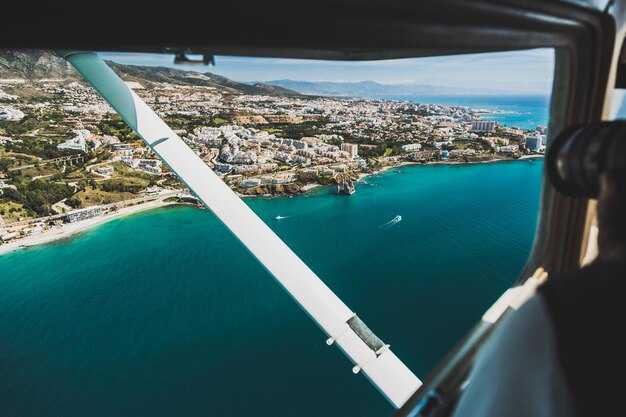
There is no direct mainland rail line to Cagliari. Plan a rail-to-port route and finish with a ferry crossing, then a short last-mile by taxi or private hire to central Cagliari. If youre aiming for a smooth option, book a combined rail-and-ferry package; they offer consolidated rates and easier boarding procedures.
- Mainland rail access points to ferry ports:
- From Rome’s Roman Termini, head to Civitavecchia, the major port where most Sardinia sailings depart; after you reach the ferry terminal, you board the ship toward Olbia or Porto Torres. They run daily services, and boarding often begins about an hour before departure.
- Från norra städer, arrangerar Genua och Livorno frekventa överfarter till Sardiniens hamnar; att resa från inlandsknutpunkter som Trento kräver först en tågomläggning till Milano eller Verona, och sedan vidare till Genua eller Livorno.
- Från Campania, ansluter Neapels tjänster till samma färjenätverk; du tar ett snabbtåg till hamnen och sedan korsar du mot Sardinien, med möjligheten att fortsätta mot Cagliari med en regional förbindelse eller privat transfer.
- Alternativ för korsning och operatorer:
- Grimaldi Lines, Tirrenia, Moby och GNV erbjuder direktförbindelser till Olbia, Golfo Aranci och Porto Torres; dessa rutter visar den ungefärliga varaktigheten och tillgängliga hyttutrymmen eller sittplatser. Erbjudandet innehåller ofta paketalternativ som kombinerar tågresan till hamnen med färjeavsnittet, vilket snabbar på den totala resan.
- Färjetiderna varierar beroende på rutt och fartyg; vissa rutter tar nästan hela natten, vilket ger dig en chans att vila innan nästa etapp av resan.
- Boardingdetaljer: Du får dina instigningsanvisningar i transportörens app eller på anvisade skyltar vid bryggan i hamnområdet, och du kan reservera en privat hyrbil eller bussplats i förväg om du föredrar det.
- Sista länkar från Sardinias färjehamnar till Cagliari:
- Från Olbia eller Golfo Aranci: regionaltåg trafikerar vissa dagar; annars tar en buss eller en privattransport dig direkt till centrala Cagliari. För affärsresenärer erbjuder en privattransport ofta dörr-till-dörr-service med förutsägbar tidtabell till Largo Carlo Felice, stadens huvudgata nära viktiga sevärdheter.
- Från Porto Torres: järnvägsspåren går söderut mot Sassari och vidare bortom; du kan byta till en sydlig linje eller ta en direktbuss till Cagliari om tågalternativet inte är tillgängligt under din reseparsdag. De som föredrar att gå kan lämna hamnområdet och röra sig till fots under korta sträckor, även om trappor och ramper förbinder bryggan med stationskomplexet.
- Från Arbatax eller andra södra hamnar: du kommer vanligtvis att behöva förlita dig på en kombination av lokala tåg- och bussförbindelser eller en privat transfer för att nå stadens centrum och området runt tågstationen; bränsleåtgången är viktig om du kör den sista biten, så planera i enlighet därmed.
- Practical tips:
- Boka integrerade biljetter när det är möjligt; priserna som visas på sidan inkluderar tåget till hamnen och färjebiljetten, vilket gör hela resan enklare. Om du missar ett alternativ kommer tågoperatörer att erbjuda alternativ, men du kommer att betala avgifter separat för varje del.
- För den sista sträckan tar det typiskt 20–40 minuter med privat hyrbil eller taxi från hamnen till centrala Cagliari, beroende på trafiken; området runt Largo och stads centrum är väl skyltat från kajerna. Om du reser med kollegor eller affärsdokument minskar en privat transfer stress och tid.
- Anländande från internationella knutpunkter via Alitalia eller Lufthansa till Rom eller Milano, kan du ansluta till en fastlandsjärnvägstjänst och sedan en färja; denna rutt är populär bland resenärer som vill ha en okomplicerad följd av etapper utan tunga bagageöverföringar.
- Om du föredrar att gå kan tiden vara knapp; avsätt några minuter för att lämna hamnområdet innan du tar bussen eller en taxi; vissa skyltar leder dig till taxiställen och privata hyrplatser nära hamnentré, vilket underlättar övergången från havsvatten till gatuliv.
- Raisi-skyltar nära hamnen markerar ibland platserna för ombordstigning eller avhämtning; leta efter tydligt angivna fotgängarrutter om du reser mellan terminalerna och järnvägsförbindelsen.
- Prisvänliga resenärer kan sprida resan över flera dagar, och resa från Milano eller Verona till Genua eller Livorno först, och sedan ta en nattkorsning till Sardinien för att anlända utvilade för nästa dags sightseeing eller affärsmöten.
Kommentarer