

Getting Around Budapest - The Ultimate Public Transportation Guide


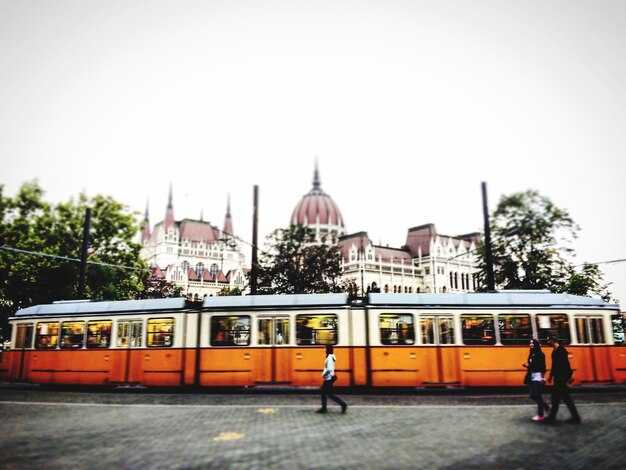
Buy a 24-hour travel card when you arrive; it saves time and money for most visitors. The card costs around 1650 HUF and is valid for 24 hours from the first validation, covering metro, tram, bus, and many night routes. If you travel several times this year, a pass will pay for itself quickly.
Prefer single rides? A single ticket costs about 350 HUF and is valid for 90 minutes, allowing taking multiple connections. You can purchase at metro stations or tobacconists near major stops; many vending machines accept cash or cards. If you plan ahead, order ahead and avoid queues at peak hours.
For longer stays or group trips, consider a 72-hour or 7-day pass to simplify travel. A 72-hour card typically costs around 4150–4500 HUF, and the 7-day option sits near 5150–5200 HUF. These passes cover all city transport, exclude a few special lines, and let you move freely between sights. Start from vörösmarty square, swing by the Danube, then hop to the Margaret Island by tram or bus with minimal fuss. If you stay in central districts, you’ll appreciate how this removes the need to plan every ride.
Bike and rental options provide flexibility between metro stops and island escapes. Bike rental is easy to use with a card or cash to unlock stations; the MOL Bubi network and other providers offer city bikes. Availability runs from spring to autumn; in winter, many docks close and service is reduced. If you’re visiting island neighborhoods, you can ride to Margaret Island and enjoy the green lanes in a relaxed loop, close to the river and vezér streets to access fast connections.
Plan around the hours and routes to minimize gaps in service. The network runs from early morning to late evening; night lines operate on weekends and holidays, but some routes stop after midnight. However, delays happen during peak hours, so check the live timetable on the BKK app or at tobacconists before you take a transfer. If you stay near vezér and central hubs, the M2 line connects quickly to the city center; from there, you can reach vörösmarty square and other sights with ease.
Ticketing and validation: what to buy, when to validate, and penalties
Purchasing a 24-hour travel card is the simple option for most visitors. It includes unlimited riding on buses, trams, metro, and some boat routes, and becomes valid from the moment you validate it on your first ride in budapest.
For longer stays, the ideal choice is a 72-hour card, with a month pass as a solid option for longer trips. If you only need occasional trips, a single-ride ticket is cheaper and easy to buy at metro machines or via the mobile app. This mix lets you tailor your plan to how often you travel and where you stay near hotels or along major routes. If your plans include déli or bhév districts, the same tickets still cover your rides.
What to buy
Most travelers start with a 24-hour card and upgrade to a 72-hour card if they plan to ride multiple times per day. A monthly pass makes sense if you are traveling every day and staying in the city for a month. Single-ride tickets cover a single journey and are ideal for a one-off outing, such as a visit to fishermans Bastion or a quick ride to Margitsziget island. Early planning helps you maximize value, especially if you’re arriving in june or another busy month.
Validation and penalties
Validate at the start of every ride. On a bus, tram, or metro, insert or scan your ticket in the validator; for mobile tickets, open the app and activate before riding. Sometimes inspectors check at transfer points near the boulevard or at busy hubs; be ready to show your ticket on screen or as a paper ticket. dont forget to validate, and keep your ticket until the end of your trip.
Penalties are strict and meant to deter fare-dodging. If you’re caught without a valid ticket, you’ll face an on-the-spot fine and must purchase a ticket, or settle the penalty with the transit company. To avoid trouble, plan ahead with a mobile planner, especially if your trip includes june travel or other month-long itineraries. Getting around budapest stays simple when you keep up with your tickets and validation.
Metro basics: lines, transfers, and station tips
Get a 24-hour travel card before your first ride; it saves time and money. You can buy it at machines or service counters, and pay with cards or cash. If you’re unsure, which option fits your plan, a day card is usually the simplest, especially when you’ll be reaching many sights along Budapest’s core transit routes.
Lines at a glance
- M1 (yellow) – the historic line running along Andrássy Avenue and into the City Park; use it to reach major central sights and to connect with surface tram routes.
- M2 (red) – the main north–south artery through central Budapest; fast links to many districts and major hubs.
- M3 (blue) – a busy cross-city corridor with deep stations in places; good for reaching several central neighborhoods and transfers at key hubs.
- M4 (green) – a newer line serving newer districts and western parts; plan extra time on weekends for maintenance work.
Transfers and stations
- Deák Ferenc tér is the central interchange where M1, M2, and M3 meet. Follow the color-coded signs to switch lines, and use your card at the gates if needed. The transfer between these lines is designed to be quick, often without exiting the fare area.
- On busy days, trains come frequently–roughly every 2–6 minutes on core lines during peak hours. Night service is lighter, so check the latest timetable in your transport app before late outings.
- When you’re unsure, stay on the platform until your train’s direction is shown on the boards. If you miss a line, loop back at the same station or use another interchange hub to rejoin your route.
Station tips for a smooth ride
- Older M1 stations have long escalators; give priority to those with mobility needs and keep passengers behind you as you board and disembark.
- Most stations use automated gates; have your card ready and tap as you enter. In some cases, you can stay within the fare area to switch lines, which speeds up transfers.
- Platform safety matters: stand behind the yellow line and be prepared for doors that open only when the train stops exactly at the platform. If you’re traveling with a large bag, move to the center of the car where doors unfold to avoid crowding near the edge.
- Accessibility varies by station. Elevators are available at several hubs, but not all. If you need step-free access, check station accessibility in advance via the app or map.
- Along the Danube and Andrássy Avenue, combine metro with tram routes for direct access to sights without backtracking; tram lines often run in front of or parallel to metro corridors, offering flexible options.
- In suburbs, plan to reach the metro first and then switch to the appropriate line to reach your final stop. For longer trips, trains and suburban services (transports outside the inner ring) connect efficiently with the metro at major hubs.
- Bike-sharing is convenient near many metro stations. If you’re considering a loop through the city, you can use European-style bike rentals to cover short legs between stops.
- Special features: keep an eye on service notices; weekend works can change which trains run on which segments, so a quick check of the status board helps avoid delays.
- Forms of payment and passes: if you’re traveling on a budget, a card-based system is flexible and widely accepted; for single or short stays, single tickets remain an option, but a card often turns into better value as you ride more.
- Unpleasant delays happen occasionally. If you encounter a disruption, switch to a nearby tram or bus line to avoid long waits, or use the HÉV suburban rail for a faster cross-city option when applicable.
- Suburbs and beyond: for reaching outlying areas, combine metro with suburban trains (HÉV) or regional buses; the largest suburban hubs connect smoothly with the inner-city lines for a seamless trip.
Tram and bus routes: top lines and how to board
Begin with tram line 2 for a scenic riverfront ride that links Deák Ferenc tér with key sights; board at Deák Ferenc tér or Blaha Lujza tér and you’ll typically reach Parliament, the fishermans Bastion area, and the Castle District with minimal walking and a single transfer if needed. Buy a ticket at an official machine or via the BKK app, and carry identification if discounts apply.
Tram 4 and tram 6 offer a reliable cross-city loop across Pest, quickly moving you between Deák Ferenc tér, Nyugati, and Kálvin tér. They connect well to M2 and M3 for easy access to Buda afterward. For direct access to the Castle District and the fishermans Bastion, hop off at Széll Kálmán tér and take a short bus ride (bus 16), or descend at Deák Ferenc tér and walk the short, sometimes steep, ascent. If you stay near kőbányai-kispest, use the bhév suburban rail to reach central hubs and then pick up tram 2 or 4 for sightseeing.
Top lines and transfers
Line 2 runs along the Danube on the Pest side, delivering easy access to Parliament and the riverfront along with several transfer points to other routes. For a cross-city move, lines 4 and 6 form long loops across Pest and connect with M2 and M3, letting you head toward Buda without backtracking. To reach the Castle District, use a direct bus like 16 from central hubs; this includes a short walk from the bus stop to the Fisherman's Bastion if you prefer to stay outside the direct tram corridor.
BHÉV (bhév) suburban rails from the outskirts, including stops near kőbányai-kispest, provide a fast option to join the main tram corridors; once you’re at a central station, you can continue along the river or head toward Ferenc tér for city-center access. The guide includes these transfer tips and a quick recap of what to expect on each line.
Boarding tips and accessibility
Board at the front or through the first door; validate a single ticket or pass when you enter. Official tickets are available at machines, kiosks, or via the BKK app, and usually cover all trams and buses in the city. Wheelchairs have access on most lines; some older trams require a step up at the door, so plan ahead if you travel with a wheelchair or stroller. Keep your identification handy if you’re using discounted fares.
The official guide includes routes, transfer points, and accessibility notes; for long stays, a rental day pass can simplify travel across large parts of the city along the Danube. If you miss a stop, you can request a replacement service at an official desk or use the app to reroute. Tourists can rely on large, easy-to-use signs and straightforward English explanations at major stops, making it simple to switch to nearby sights such as Ferenc tér and the Castle District.
Real-time planning: maps, apps, and live updates
google maps provides live transit data for trams, buses, and the metro across europe, making it the easiest starting point for real-time routing. Pair it with the official Budapest transportation company app to receive platform updates, crowding notices, and disruption alerts.
Open routes, compare options, and plan hop-on hops with turn-by-turn directions that adapt to delays. This approach is a must for flexible, car-free exploration. The maps layer highlights walking times between stops and your hotel, helping you stay on schedule without extra stress.
Travelers traveled regularly in Budapest rely on live feeds to avoid missed connections. Look for service notes that show line closures and replacement buses, so you can adjust on the fly and keep sightseeing on track.
For people who love the river, the map often suggests routes covering the Danube banks and connecting to boats for river trips. You can admire city views from the water, then switch to a tram to finish your day near a cafe or landmark.
Bike-sharing, rentals, and day trips

Bike-sharing stations and rentals appear on the same map layers, with clear prices and paying options via cards or phones. If you plan a day trip to szentendre or a lakeside excursion, you can rent a bike, ride along the river, and still keep your plan intact. This approach is known for being the easiest way to move between neighborhoods without a car.
Older districts and central boulevards are well connected, and the easiest routes usually use a combination of metro and tram lines. The tool looks ahead to traffic and weather, helping you pick the most convenient times for sightseeing and strolls along the banks.
Airport to city center: fastest public transport options
Fastest option: Airport shuttle bus 100E to Deák Ferenc tér
Take the 100E bus from Budapest Airport to Deák Ferenc tér. The trip takes about 35–40 minutes and drops you close to the city center, within easy reach of the riverbanks and world-class sights. Tickets are available at vending machines near arrivals or via the BKK FUTÁR app; you accept payment and punch/validate once aboard. From Deák Ferenc tér (postcode 1052) you can find direct connections to the metro lines and trams, so traveling within the city is simple and fast. This route is ideal if you’re looking for a quick, hassle‑free start to your trip and to reach your building or hotel without unnecessary detours.
Alternative option: Bus 200E to Kőbánya-Kispest and transfer to Metro M3. The total time is typically 45–50 minutes. Check schedules to plan your arrival; tickets work the same way and you should punch/validate after boarding. The transfer point at Kőbánya-Kispest connects you efficiently to the city center, and the line serves wheelchairs where available, with the driver assisting if needed.
Scenic add-on: If you want to cross the Danube and enjoy views, you can take a Danube boats ride or ferry from the Pest riverbanks to a central stop, then finish the journey by metro or tram. This option is not the fastest, but many travelers look for it to start their visit with memorable views while they travel. Use the schedules in the app to find the closest ferry terminal and the next departure.
Practical tips: Registration is not required for single tickets; you can purchase at vending machines or via the app and then ride. If you’re looking for higher flexibility, consider a 24-hour pass or longer, which you can activate in the app. The 100E arrives near the terminal with convenient signage, making it easy to locate the stop within a few minutes of landing. When you travel with wheelchairs, check accessibility on the day; most stops on these routes are designed to accommodate mobility devices. For travelers staying near Vezér street or Futár, your Deák Ferenc tér hub makes the final leg simple by tram or metro, letting you reach your building quickly and comfortably. This year, schedules have been refined to improve reliability, so you can plan with greater confidence and find the best option for your plans.
GoZeppelin Tours: transit-focused experiences for visitors
Book a GoZeppelin Tours transit-focused experience to get a clear, city-first view of Budapest’s tram lines, Danube ferries, and key hubs from your home base. The route helps you move between Deák tér and pályaudvar with minimal waits, so you can visit sights without getting stuck in queues. This experience emphasizes practical steps, safe pacing, and tips you can use right away.
What you get on a transit-focused GoZeppelin experience
The guide outlines the transit chain, showing how to move from deák tér to vezér utca, then to pályaudvar using the fastest tram options and the Danube ferry when it makes sense. You’ll learn to read lines on the map, transfer smoothly, and stay in the city center while you explore the best viewpoints.
Expect a 2.5-hour session with a small group, a tailored route for your visit, and hands-on advice for safe transfers, handling crowds, and smart ticketing. The tour also covers practicalities like choosing the right ticketing option and planning future moves using Budapest’s transit network.
Practical tips for booking and riding
Book online via the GoZeppelin website to access discounted options and flexible times. The meeting point is near Deák tér, with easy access by tram, metro, or bike-sharing hubs, so you can move from the center to sights without backtracking. Payment can be completed online without debit cards and still be secure, with multiple options available; if you prefer to pay in person, some tours offer on-site cash options, though online booking tends to be cheaper.
After the tour, you’ll have a clear plan to visit other neighborhoods by tram or a short ferry ride, and you can save time by using the suggested sequence for your next day in Budapest. If you want to extend your day, simply book another GoZeppelin session or pair the transit-focused route with a walking tour for a complete city experience.


