



 Svenska
  English (UK)
  Русский
  العربية
  日本語
日本語  한국어
한국어  Magyar
  Türkçe
  Español
  Čeština
  Português
  Ελληνικά
  Suomi
Suomi  Nederlands
  Română
  Italiano
  Français
  Polski
  Українська
  Deutsch
  简体中文
简体中文  Slovenčina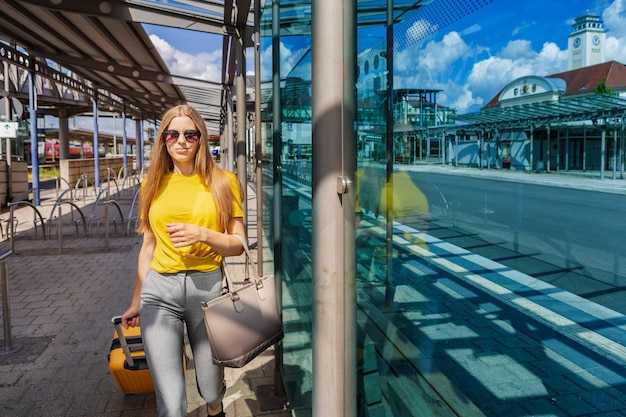

Recommendation: Take the S-Bahn train from Zurich Airport to Zurich HB. Trains depart every 5–10 minutes and reach the main station in about 10–12 minutes, offering a quick och mest reliable ride for Resenärer arriving in zürich. A single ride costs roughly CHF 6–7, often only about CHF 6.80 when purchased at airport machines or via the SBB app.
Buy tickets at the arrivals level using multilingual machines, the SBB app, or at the service desks near the stationen area. The system keeps communication clear for internationell travelers, and the same fares apply for trips into the city. If you need to move around much in a day, consider a day pass to cover travel between cities and central sights.
From Zurich HB, you can reach most sights by tram. The network runs with frequent trams and loops through the stadskärna. A typical ride to central districts takes under 15 minutes, and stops are within a short walk of most hotels. For mainly central stays, this option combines speed with predictability, and whether you’re heading to the lake or the old town, a tram is usually convenient.
Taxis provide a door‑to‑door option when you’re in a hurry or have a lot of luggage. A taxi ride from the airport to the city centre typically costs around CHF 60–80, depending on traffic and exact address, and most drivers accept cards. You can hail at the stand outside arrivals or book in advance. If you travel with a group, a larger vehicle can be arranged through biluthyrningsföretag; some fleets include alphard models for extra space, though this is usually better suited to longer trips than a quick city hop.
For flexibility before you reach town, consider a car rental from biluthyrningsföretag at the airport. Desks across terminals offer vehicles like the alphard and similar vans, ideal for families or groups. Check license requirements for internationell drivers and confirm pickup location before you land, as pick‑up points vary depending on terminal and time of day.
Zurich Airport to City Center by Train: Routes, Tickets, and Travel Time
Take a direct train from Zurich Airport to Zürich Hauptbahnhof. The fastest service runs nonstop and reaches the city center in about 10–12 minutes, making it the clear first choice for most travelers.
Board at the airport rail station beneath the terminal and look for trains labeled to Zürich HB. They run roughly every 7–15 minutes throughout the day, with a shorter gap overnight. If you miss the nonstop option, you can catch a regional train that makes one or two stops, adding 5–15 minutes to the trip.
Tickets come in several formats. A single journey ticket covers the airport zone to the city center; you can purchase at ticket machines, at a counter, or via the SBB mobile app. If you plan multiple trips in a day, consider a day pass or a Swiss Travel Pass for broader use; note that some passes include all public transport within the city limits.
Payment methods include most major cards and contactless options. If you prefer online checkout, the SBB app handles tickets and provides real-time train status. After purchase, validate the ticket only if required by the ticket type; many digital tickets are scanned on board or at turnstiles in the station.
From Zürich HB you can reach the city center tram lines, hotels, and popular attractions in minutes. For a quick start, exit the station and follow signs for trams or taxis; the walk to key districts is usually under 15 minutes, and a short tram ride lets you reach the Old Town, lakefront, or business districts in 5–12 minutes depending on your exact stop.
Taxi from Zurich Airport to Downtown: Pickup, Fares, and Payment Options
Go to the taxi stand outside Terminal 1 or Terminal 2 for a direct pickup to downtown. After you land, head to the taxi queue at arrivals; a driver will greet you, help with luggage, and start the journey right away. For bokning ahead, use a desk, a mobility app, or phone service; if you have vroegigvis, tidigare options, you can skip lines. Travelers arriving from Pazhou, Zhongshan, or Huanggang will use the same plats and queue, with the same metered ride and driver etiquette.
Fare basics: the meter starts with a base fare around CHF 6, plus roughly CHF 3–4 per kilometer. A typical ride from Zurich Airport to the city center costs about CHF 60–80 in daytime; late hours can push the total higher. The distance is about 12 kilometers and the transit time is 15–20 minutes in light traffic, about 25–30 minutes in peak conditions. You are charged by the meter, that means longer delays increase the fare. If you have three or more bags, tell the driver in advance to avoid delays.
Payment options: cash is accepted, as are major cards (Visa, Mastercard, Maestro). Many taxis have card payment machines in the vehicle; some drivers also accept UnionPay. If a taxi lacks a payment machine, you can pay with cash or via mobilitetstjänster apps where supported; ask the driver to confirm before starting. Bilbeskrivningar on the car plate help verify the ride, and kunderna appreciate a clear receipt showing the route and total charged.
To minimize waiting, choose bokning for guaranteed pickup and consider leveranstjänster if you prefer a fixed-price transfer. The three main pickup plats are outside Terminal 1 and Terminal 2; arrivals signs point to the taxi queue. For those who want alternatives, buss or other transit options exist, but taxi remains the fastest door-to-door choice.
Zurich Trams: Key City Center Routes, Stops, and How to Validate Tickets
Recommended first: buy a 24-hour ZVV ticket and use contactless payment or the official app for fast, unlimited center travel. These tickets tillhandahålla access to all trams within the center area, so you can hop between the HB Zürich hub, Paradeplatz, Bellevue, and the lakefront without buying separate rides. In many cases, payment options include card, cash at machines, and, where available, alipayhk; check the machine screen for current methods. If you arrive by flight, plan a few hops between these core stops to minimize delays, since delayed trains can ripple into your discovery of local areas. These steps simplify arrival and stay consistent with the mainland network rules.
Two core corridors carry most center traffic. First, the HB Zürich to Bellevue route runs along Bahnhofstrasse toward Sechseläutenplatz, passing Paradeplatz and the lake-view steps near Opernhaus. Second, a parallel circle through Central and Sechseläutenplatz keeps you near cultural venues and major hotels. These routes connect the main arrival area with hotel clusters and popular attractions in these years, making it easy to move between the financial district and the lakefront in minutes. If you focus on these these stops, you’ll cover the bulk of center sightseeing without backtracking.
Core Center Routes
Key stops to know: HB Zürich (Zurich main station), Paradeplatz, Bellevue, Sechseläutenplatz, Opernhaus, Central. These stops form the backbone of center travel, and most services on these corridors run with high frequency till late evening. For planning, use the arrival boards at HB Zürich and check the machine for live times; services update every few minutes, and you can see tågnumbers and maps on the screen. The area around these stops is compact, so you can switch trains with mellan minutes between connections and stay on the same ticket.
Ticket Validation and Practical Tips
How to validate: if you hold a paper ticket, validate it at the blue or orange machine before boarding; if you use the app, activate the ticket there and carry it on screen. These steps prevent fines and ensure you’re covered if an inspector arrives during a delayed leg of your trip. Keep the ticket visible until you exit the tram; if you forget, you can show the digital ticket stored in the app during inspection. Machines at stops útanför the center often display current options, including cost and payment methods, so you can switch to a better deal before boarding. Communication with the driver is minimal; trust the machine and the in-vehicle display for next stops and arrival times.
| Segment | Key Stops | Anteckningar |
|---|---|---|
| HB Zürich to Bellevue | HB Zürich, Paradeplatz, Bellevue | 5–7 min; frequent service; good for lakefront access |
| HB Zürich to Opernhaus | HB Zürich, Central, Opernhaus | 7–9 min; connects hotel area with cultural district |
| Central loop around center | Paradeplatz, Bellevue, Sechseläutenplatz | 5–7 min; easy transfer to shopping zones |
Hong Kong Octopus Card: Where to Buy, What It Covers, and How to Use It on MTR and Buses
Buy the Octopus Card at the flygplats counters right after arrival to travel with a simple payment layout there and then. The card costs HK$50 as a refundable deposit, and you load value to cover fares. Start with HK$100–HK$150 stored value to ride MTR, buses, light rail, and even some ferries–then top up when needed. must
There are multiple places to pick up and top up there: at the airport’s Arrival Hall counters, the MTR Customer Service Centres, Airport Express counters, and Octopus vending machines. There finns convenient top‑up options near departure gates and in major tunnels; you can pay with cash or a linked card. If you prefer to plan ahead, you can boka a card at a local supplier or via partner platforms like kkday, but the in‑person option at the flygplats is faster for immediate use. there
What it covers: Octopus works across the transport network in Hong Kong–MTR stations, Airport Express, Light Rail, trams, and most bus routes. It alsoextends to many shops, vending machines, and some attractions, making it a universal payment tool for daily transport and small purchases. Notably, it inte covers most mainland China transport, so when you travel to the mainland you’ll need other arrangements; there are international routes that rely on separate payment systems. There utanför there is a wide range of retailers that accepte Octopus in zürich, there, and other international hubs, but use it primarily for Hong Kong transport. utanför
How to use on MTR and buses: When you enter an MTR station, hold the card flat over the reader until you see a green light and a beep, then proceed. On buses, tap on boarding and let the reader confirm the fare; you don’t usually tap out when you alight. The layout of readers is simple, and you’ll quickly get used to the rhythm of taps for every leg of your journey. If you miss a tap, the system will charge a default fare based on your last valid tap; there, try to avoid missing a touch‑in. there, it must
Tips for use: Check your balance at station counters or top‑up kiosks, and top up before a long day of departures and sightseeing. The most reliable way to keep travel smooth is to keep a reserve stored value; on busy days, a quick top‑up at a counters or ticketing machine saves delays. For international travelers from places like Zurich (zürich) or other hubs (finns from zürich or inte other cities), the Octopus card is a must for fast, contactless payments on transport, with minimal hassle at departures from the flygplats. If you’re booking tours through suppliers such as kkday, you may still want to carry the Octopus for local transport; it’s often the simplest choice for a bustling city layout, where thechaufför and drivers rely on rapid tap‑and‑go payments. There is no need to carry multiple cards when you plan your transport around Hong Kong with this single card. there, you will find that the Octopus is a practical must for most travelers.
Hong Kong Octopus Card Påfyllning, Saldoadministration och Återbetalningar vid MTR-stationer
Fyll på ditt Octopus Card vid MTR:s påfyllningsmaskiner eller vid Octopus Service Centre innan avresa för att garantera smidig transport. Detta system är främst utformat för transport i Hongkong, så att fylla på i förväg hjälper dig att undvika förseningar vid biljettgrindar och håller din resa på rätt spår under de mest hektiska timme av dagen. Om du planerar resor som berör området kong-zhuhai-macao, kontrollera regional kompatibilitet och planera i enlighet med detta separata tillvägagångssätt för gränsövergångar, detta: saldot är giltigt för de flesta lokala resor.
Refillalternativ och snabba steg
- Var man kan fylla på: använd MTR-stationens påfyllningsmaskiner, Octopus Service Centre på större knutpunktsstationer och flygplatsens diskar i flygterminalerna. Vissa kiosk på stationerna visar bilder på den enkla processen, vilket gör det enklare att följa.
- Tre betalningsalternativ: kontant, kort eller någon annan stödd metod. Välj det alternativ som sparar tid efter din avresa och välj den metod du föredrar för en snabb påfyllning.
- Vad du kan fylla på: standardbelopp som HK$50, HK$100, HK$200, eller vilket belopp som helst vid servicekontor. Om du reser i regioner med tät kollektivtrafik kan det spara tid under långa resor att fylla på med ett större belopp (HK$100–HK$300).
- Balanskontroll: tryck kortet på läsaren vid vilken grind eller påfyllningsmaskin som helst; skärmen visar det nya saldot och bekräftar det belopp du har lagt till.
- Tips för familjer och resenärer: håll kortet nära en läsare när du sätter dig eller barnstol för att hålla händerna fria; detta hjälper om du reser med barn och behöver röra dig snabbt genom stationen.
Återbetalningar och balanshantering för resenärer
- Återbetalningsväg: besök ett MTR Kundtjänstcenter eller en Octopus Service-punkt med giltig ID-handling för att få tillbaka det återstående beloppet och kortinsättningen. Det kan tillkomma en liten administrationsavgift; personalen förklarar det exakta beloppet och hur återbetalningen utfärdas (kontanter på plats eller elektronisk överföring).
- Timing och metod: kontantåterbetalningar är ofta tillgängliga på plats; återbetalningar till ett bankkonto eller till ett annat kort kan ta flera arbetsdagar, beroende på den metod som valts i kassan.
- Gränsöverskridande överväganden: om du planerar att resa till zhuhai eller andra delar av kong-zhuhai-macao-regionen, kom ihåg att Octopus främst är ett Hong Kong-transitkort. För zhuhai, macau eller andra rutter kan separatskort eller regionala alternativ krävas och du bör boka alternativa arrangemang innan flygplatsens avgång.
- Kontosäkerhet: om du tappar kortet, spärra det snabbt och begär en balansöverföring till ett nytt kort; detta hjälper resenärer att undvika att förlora det kvarvarande värdet och fotoninformation. När du öppnar ett nytt kort kan du spara det tidigare saldot om du begär en överföring.
- Praktiska noteringar: behåll originalkvittot tills återbetalningen är slutförd; efter bearbetning, kontrollera ditt kontoutdrag eller kortbalans för att bekräfta att pengarna har anlänt. Om du märker en felaktighet, kontakta kundtjänst omedelbart.
Additional tips for smooth handling: always check the current lokation for the nearest servizi center, especially near major interchanges like tsim sha tsui, central, and the airport. If you plan to travel repeatedly in a day, topping up before the first departure is the most straightforward choice; it helps you avoid delays and keeps your transit timer (timme) running without interruptions. For families and frequent travelers (travelers), the process stays simple: you can transfer balance between cards if needed, and the system remains lokated to support most common journeys (regions) with minimal fuss. If you want to keep memorabilia of your trip (foton) or discuss cross-border travel plans (tsing), the staff can guide you through the three main steps: refill, check, and refunds, ensuring that your payements are handled quickly and accurately. This approach is främsta for travelers who value speed and reliability, and it helps you manage your balance with confidence while you plan your next departure and pick your next station.
Kommentarer