
1 London - The Ultimate Guide to London's Top Attractions and Experiences
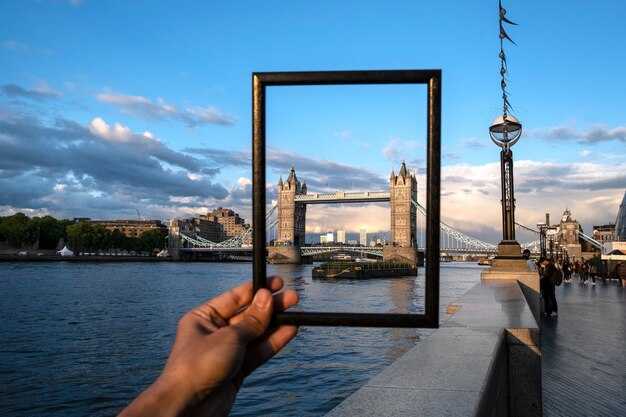
Fly into London Heathrow airport and begin with a focused plan: walk 20 minutes from Buckingham Palace down The Mall toward Westminster for a warm, compact intro to royal architecture and river views.
Head to Bloomsbury to explore museums that blend culture with innovation. The British Museum, the National Gallery, and the Victoria and Albert Museum typically open from 10:00 to 17:30 hours, with later Friday hours in many cases. Each room offers a tangible sense of a century of ideas, from ancient relics to contemporary design. Also, consider the South Kensington triangle for adjacent sites and cafés that fuel a comfortable pace.
Note the post-pandemic bounce: crowds have returned, and pre-pandemic queues linger; note that booking timed entries helps manage hours and reduces spending. Think of swiss efficiency in ticketing–your pace stays smooth. Plan a weekly rhythm: museum mornings, a riverside stroll, and a pasta stop; a plate of spaghetti in Covent Garden keeps energy high while you absorb culture.
On the river, a marvel of modern London awaits: the Shard, Tower Bridge, and a riverside walk that feels tangible. Take a short Tube ride to the City for a glimpse of republic-era architecture and the Barbican’s bold concrete lines, then return to the palace district for a warm evening meal–this more relaxed pace suits first-time visitors.
To maximize your stay, use a contactless transit card or weekly pass for travel, note opening hours, and keep a flexible plan. London rewards curiosity with fragrant markets, galleries, and authentic experiences that linger long after you leave.
Plan a 48-hour London itinerary with time-saving routes
Begin with a canal-side stroll from Little Venice to Camden Market, then take the direct Tube to Westminster to save time.
- 08:00-09:30 canal-side start at Little Venice, stop for a fresh coffee, grab a sandwich for the road, and purchase a map for quick navigation.
- 09:30-11:15 explore Camden Market and nearby Regent’s Canal paths, then hop on a bus or Tube directly toward the city center.
- 11:30-13:00 British Museum highlights (Rosetta Stone, Parthenon sculptures) opened at 10:00, plan a focused route to skip crowded wings.
- 13:00-14:00 Covent Garden lunch: order a quick sandwich from a market stall or cafe, then stroll the square and watch street performers.
- 14:00-15:30 travel to Tower Hill; stop briefly at a Moorish-inspired tiles display in an adjacent arcade or market area if you spot one, then continue to the tower area.
- 15:30-17:30 Tower of London and Tower Bridge visit; allocate time for Crown Jewels and a riverfront photo stop.
- 17:30-18:45 stroll along the river to St Katharine Docks, enjoy a glass of cava at a waterfront bar, and relax before dinner.
- 19:00-20:30 dinner nearby with a fresh, seasonal menu; consider a Swiss chocolate bite as a dessert option.
- 20:30-22:00 West End vibe: catch a show or late-evening events around Leicester Square; if crowds are high, postpone a second show to the weekend.
- 08:00-09:00 breakfast in a café close to your hotel; try a light pastry and a robust coffee to fuel the day.
- 09:00-10:45 Westminster area: Big Ben, Houses of Parliament, and Westminster Abbey exterior view; walk directly to Buckingham Palace area.
- 11:00-12:15 Buckingham Palace and St James’s Park stop for a relaxed stroll among the flower beds.
- 12:15-13:45 South Bank loop: walk along the river, pass the National Theatre, and cross Millennium Bridge toward Tate Modern.
- 13:45-15:15 Borough Market lunch: choose a fresh bite, perhaps a Swiss-made pastry or a tasty sandwich; purchase a small selection to go.
- 15:15-17:00 Tate Modern or nearby museum option; if you want fewer crowds, pick the gallery wing you’re most drawn to and skip the others.
- 17:00-18:15 South Bank stroll back toward the river, enjoy river views, and plan a quick river cruise to Westminster as a time-saving alternative to walking.
- 18:15-19:30 Oxford Street or Covent Garden for a little shopping or a quick bite; use a weekly events guide to catch live performances or pop-ups.
- 19:30-21:00 Dinner in a canal-side or market-side spot; consider a light rooftop option or a cozy tavern near the Square where Trafalgar Square sits.
- 21:00-22:00 Cityhopper-style night ride or late train back to your base; if you’re staying in a central hotel, a short walk afterward keeps fatigue at bay.
Direct London flights from Luxembourg: airports, carriers, durations
Book Luxair's direct flight to London City Airport (LCY) for the fastest link from Luxembourg. The front of LCY is compact, with a quick walk from arrivals to the main hall, and you’ll reach londons business districts in minutes rather than hours. The flight itself takes about 1 hour 15 minutes, and a typical door‑to‑door trip remains highly predictable, often clocking under 2.5 hours when you factor in security and rail connections on the ground.
Airports and carriers: The Luxembourg–London option centers on LCY with Luxair operating the nonstop service. LCY keeps transfers efficient and avoids the longer floor-to-gate walks found at bigger hubs. For a broader international mix, some itineraries route through Dublin or Paris with partners, but these are indirect and add hours to your journey. If you miss the direct LCY option, you’ll frequently find yourself in a line for a connection rather than a seamless flight, so plan ahead and check the latest schedules. In terms of network strength, LCY feeds a robust international flow that supports inward visitor growth while keeping the core capitals accessible without heavy middle‑of‑the‑week dips.
Practical tips: check departure times (times) in the morning and late afternoon, as these are the most common slots during peak seasons. Hours can shift with seasonal initiatives and airport operations, so a quick glance the day before helps you avoid long lines at the front or the arrivals hall. When booking, some travel portals accept PayPal, which can simplify payments if you’re coordinating with friends or family. If you’re planning a longer break, consider a stopover to Portugal (portugal) or a quick break on the Rambla in Barcelona (rambla) before heading into denmarks or dublin for additional city experiences. Even a short side trip, such as sampling a francesinha (francesinha) or cava (cava) during a weekend, can enrich your overall travel rhythm without delaying your return to londons. This approach supports a sustainable travel pattern, balanced with the kind of growth and initiatives that keep Europe’s flight options expanding yet reliable. If your plans include a broader itinerary, a direct LCY flight keeps the line straight and avoids extra hours on the road, while ensuring you’re not miss the best window for a visit to the capital’s iconic squares and cultural halls.
Iconic London sights and efficient sequencing to minimize queues
Book Westminster Abbey with a timed-entry slot and arrive 15 minutes early to enter smoothly. From central hotels, ride the Tube to Westminster, scan your mobile ticket, and step straight into the precinct without lingering in a long line.
Plan a clockwise loop that clusters nearby highlights: start at Westminster Abbey, then capture Big Ben and the Parliament exterior, stroll Whitehall toward Downing Street, pause at St. James’s Park for a breath of fresh air, and finish the cluster with Buckingham Palace façade views. From there, follow the Thames River path toward the South Bank, ending near the London Eye area. This sequence minimizes backtracking and keeps movement steady rather than stalled by crowds.
Booking strategy matters: opt for timed-entry tickets where possible, choose mid-morning instead of peak lunch hours, and check official sites for last-entry windows. Museums and galleries around central London often offer late openings on select days, giving you a chance to switch to quieter hours after the core sightseeing has warmed up the day.
Snack strategy and pacing: carry a compact sandwich to enjoy at a park bench or in a sheltered spot along the South Bank. This keeps you flexible between stops and avoids overpriced queues at busy food halls. Wear comfortable shoes and pace your strolls so you stay ahead of the densest crowds, using real-time crowd updates to adjust the route on the fly.
Bookable London experiences to maximize your city-break
Book a canal-side Thames cruise for three hours to relax and take in fresh views along the banks. You’ll marvel at the skyline as you glide past the palace and a statue, while your guide shares years of city stories. Reserve seats online to secure the best options and save time at boarding, then allow time to stroll the canal-side paths after disembarkation.
For a broader mix of activity, pair the cruise with a visit to a palace or a highline-inspired walkway in a new development, giving you a line of photo opportunities as you take in the city from two angles. Local entrepreneurs curate pop-ups and tasting stops along the route, fueling growth in the area and giving customers more ways to stay engaged. Take an inward pause on a quay to map out your next stop.
London connects well with other country trips: denmarks and sweden travelers often add a night here before a flight to madrid or malmo, thanks to fast rail links and reliable flight times. Check flight times and confirm combined tickets to save time and reduce hassle.
Smart add-ons for a smoother day
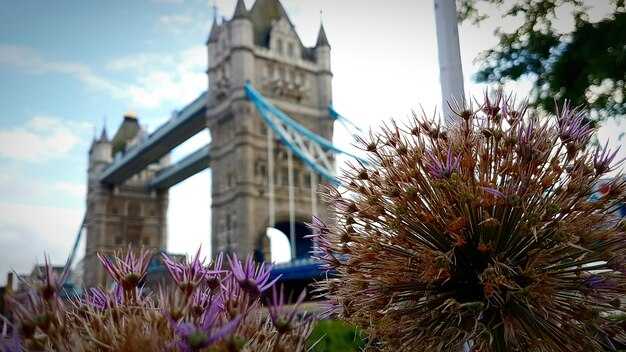
Choose a private boat or a guided walk to match your pace. Standard tickets offer flexible timeslots, but booking ahead saves you waiting, and audio guides let you explore at your own tempo. For families and groups, look for options that include kid-friendly activities or a shorter canal-side loop.
Two more city-break pairings
Extend your stay with a Greenwich or Westminster visit and then hop to another city for additional exploring. The combination of a Thames cruise with a palace visit creates a balanced day, while a flight time of roughly two to three hours lands you in madrid or malmo for the next leg of your trip. If you’re planning years of memories, map your route to balance downtime and moments to marvel at London’s best highlights.
London transport hacks: Oyster vs contactless, zones, and walking routes
Go with contactless for most travel across London; tap directly on entry readers and out on exit, and you’ll benefit from the same cap as Oyster without extra cards. Use the TfL app to check the exact daily cap before you set off, and plan routes that minimize backtracking to save time.
If you already own an Oyster card, use Pay As You Go and top it up as needed; the same daily cap applies, and you can ride across buses, tubes, DLR, and rail. For visitors arriving from Luxembourg, Munich, or other hubs, a Visitor Oyster card offers convenience, but a personal contactless card or mobile wallet often delivers real savings and faster transitions at the barriers. If your schedule includes long days visiting markets, clubs, and palaces, consider the travel-time investment of a Travelcard for Zones 1–2 to keep costs predictable.
Oyster vs contactless: practical choice
With contactless you check spending in real time and keep moving directly between lines; a quick tap and you’re through. Oyster Pay As You Go yields the same flexibility, with easy reloads and widely accepted readers at the front of every vehicle. For most travellers, contactless is the simpler path, especially if you’re hopping between different transport modes and you like to see the breakdown on your device. If you prefer a fixed price for a week, an Oyster Travelcard-style option can be worth it, reducing decision fatigue after a day of sightseeing at places like Buckingham Palace and the historic markets along the South Bank.
Zones, walking routes, and planning tips
Central London is dominated by Zones 1 and 2; most iconic sights sit within these zones, from the palace forecourt to the riverside walkways. When you plan routes, aim to stay on the surface for shorter, scenic legs and use the Underground for longer hops through through the city’s core. For a tasty break, line up a Borough Market detour and grab a cake before continuing toward the next attraction; you’ll notice the city’s diverse rhythm in a single afternoon. If you’re arriving from a distance, checking directions directly in the app helps you see whether a walk will be quicker than a Tube transfer, especially around busy times near events and stations. Station design often blends functionality with art; some entrances feature sagrada-inspired arches that hint at London’s fusion of history and modern initiative.
Two classic walking routes keep you connected to key sights without over-spending time underground. Route A runs from Westminster to the river via Whitehall, passing Parliament, the front lawn of the palace, and Westminster Abbey, then meanders along the Thames with views of the London Eye and the Bankside culture cluster. Route B covers Covent Garden, Seven Dials, and the Strand, weaving through markets and historic rooms of theatres and clubs, with numerous opportunities for little breaks before you head back to your next tube stop. Both routes offer a real sense of the city’s levels of history and modern life, and they work well for visitors who want to stay flexible while keeping time on their side.
Tip: keep a small buffer for time, especially if you want to dip into events or pop into a few shops along the way. Use a combination of walking and quick Tube hops to maximize your stay, and consider a simple plan that you can adapt when the weather changes. If you’re planning a longer stay, map out a week of routes that links Swiss or other international travellers’ favorite markets with London’s cultural highlights, so you can balance spending with opportunities to see the city’s vast, diverse scenes–without topping your energy levels too soon.
Best times to visit London: weather, daylight, and crowd considerations
Visit London in late spring (May) or early autumn (September) for the best balance of weather, daylight, and crowds.
In economic terms, shoulder seasons add value: hotel costs drop, dining deals appear, and you can plan three to four major sights per day without rush. Use this window to fit in a theatre show, a stroll along the Thames, and a half-day museum visit without feeling pressed for time.
Weather in May and September stays mild and comfortable. Typical daytime highs run around 17–22°C with nights near 10–14°C. Rain can arrive quickly, so a light rain jacket and a compact umbrella stay in your bag. With fewer heat-driven days, you appreciate longer outdoor windows without glare from the summer glass, and century-old streets feel welcoming rather than crowded. This mix also underscores the idea that comfortable conditions help you explore ancient sites and modern landmarks without fatigue.
Daylight shifts significantly between these two windows. In May, sunsets can stretch past 21:00, giving you extra time for a riverside walk or a late dinner after a show. By September, sunset moves toward 19:30, nudging plans toward earlier starts but still leaving room for sunset views from spots like the Shard or Sky Garden. Compared with Venice, Edinburgh, or Lisbon, London offers longer evenings in May while still delivering pleasant twilight in September.
Crowd patterns matter for efficiency. Peak crowds arrive in July and August, when major attractions, the theatre district, and outdoor markets see the longest queues. To maximize time, book timed-entry tickets, prefer weekday mornings, and consider postponing the most popular plans to late afternoon. If you must travel in peak season, aim for shorter, well-paced itineraries and use a flexible plan that you can adjust without losing momentum. A smart approach minimizes costs and keeps the experience relaxed, even when crowds are around.
Nearby cities like Sagrada Família in Barcelona or the Rambla area offer comparable cultural thrills, but London’s mix of ancient architecture, modern museums, and post-war lamps creates a distinct rhythm. For those planning a broader trip–perhaps to Denmarks, Luxembourg, Portugal, or even routes toward Edinburgh or Venice–London’s shoulder seasons still stand out as the time to squeeze in a theatre visit, a statue sighting, and a few emblematic strolls without rushing through half a dozen sites. The added benefit of careful timing is a smoother pace, allowing you to enjoy a greeki theatre moment, a three-hour museum visit, or a riverside meal with time to spare.
| Window | Avg Temp (°C) | Daylight (hrs) | Crowd Level | Notes |
|---|---|---|---|---|
| Late May – Early June | 14–22 | 15–16 | Medium–High | Long evenings for theatre and outdoor markets; costs begin to ease |
| September | 14–20 | 11–13 | Medium | Fewer families on holiday; strong museum and West End shows; plan ahead |
| December – January (optional contrast) | 4–8 | 8–9 | Low–Medium | Cozy indoors, festive lights; shorter days, fewer long queues |
Moonquilt PRO 650: technical specifications for travelers
Choose Moonquilt PRO 650 for travel: it packs to a compact 9 x 14 cm stuff sack and weighs about 430 g in Regular, simplifying transfer between airport terminals, trains, and hotel lobbies. The quilt uses 650-fill down, housed in a 20D nylon shell with a 20D lining and a DWR coating to shed water and keep you fresh after a rain. Regular size measures 180 x 66 cm; Long extends to 210 x 66 cm. When packed, loft returns quickly after a flight, and you’ll stay comfortable through nights across europes cities, including a visitor stop in portugal. The blue exterior resists wear on weekly markets and busy streets, while the front edge stays snug to your body for steady warmth. A little note about care: the included post-care label helps you refresh it between transfers, which is especially handy for frequent travelers hoping to stretch each euro spent.
Key specifications
Insulation: 650-fill down; fill weight around 160 g (Regular).
Sizes: Regular 180 x 66 cm; Long 210 x 66 cm.
Weight: Regular approximately 430 g; Long approximately 490 g.
Packed size: about 9 x 14 cm in the supplied sack.
Shell and lining: 20D nylon with DWR; breathable interior maintains freshness.
Temperature rating: comfort 5°C (41°F); limit -2°C (28°F).
Closure: full-length two-way YKK #5 zipper with draft tube; no hood; continuous baffles reduce cold spots at the front and shoulders.
Water resistance: DWR-treated shell offers reliable protection against light drizzle and mist; dry loft performance remains through daily use.
Care: machine wash cold on gentle; tumble dry low; store loosely to preserve loft.
Notes on sourcing and reliability: Источник confirms responsible use of down and durable materials; initiatives across the industry aim to boost eco-friendly production without compromising luxury feel. In daily practice, the quilt performs well through transit, with a little maintenance extending its life and ensuring growth in comfort over time.
Traveler tips
Where to use: hostel rooms, night trains, and hotel lounges–all environments where amenities vary. Through a trip that might include a greek stop near the acropolis and a statue-lit stroll, Moonquilt PRO 650 stays comfortable even in a cool breeze. In busy cities with mosques and markets, its blue shell remains unobtrusive while you navigate crowds and grab a little cafe sauce or coffee between stops. For a visitor planning weekly city hops across europes and portugal, the cost-per-night advantage adds up quickly–this is luxury without excess bulk. For eco-conscious travelers, Initiatives push sustainable practices, and the fabric’s feel reflects those efforts. Note the compact size and low weight, which make transfer between flights or trains seamless; hopefully you’ll notice better sleep from night one and miss fewer hotel checkout queues. If you need extra warmth, you can layer the Moonquilt under a light shell to extend coverage through chilly nights, and its fresh loft will bounce back after every stop. The استفادeway of its portability means you can carry it through crowded stations, museums, and little streets where you might pause by a statue or near a fountain before moving on to the next post on your itinerary.


