Welcome to Dubrovnik, Croatia – A Premier Travel Guide

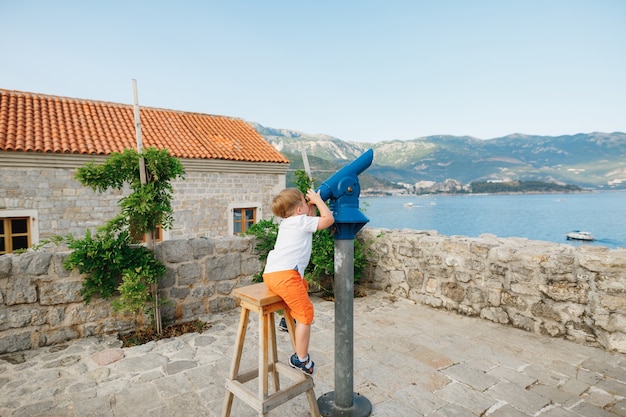
Start your Dubrovnik visit with a 2-hour sunrise walk along the city walls, then take a ferry to Lokrum for a morning swim in clear pools and a view over the town.
Book an extended stay of 3–4 days to experience Dubrovnik’s south-central Europe setting, the mountains inland, and the pebbled beaches that fringe the old harbor. Direct flights from germany connect to DBV year-round, with multiple carriers offering seasonal options in summer. A quick evaluation of flight times helps you maximize beach days.
When you explore the Old Town, focus on the crystallographic precision of the structures, from limestone façades to marble steps. Let local guides take you into the stories behind each corner; you’ll notice how architectural details align with fortification geometry.
For authentic insight, seek recommendations from a guide such as hideto or tsukamoto, who illuminate beyond the main routes and point to family-run taverns and preserved courtyards. therefore, book experiences in advance to secure small-group tours and avoid peak hours.
When to visit Dubrovnik: climate, daylight hours, and crowd dynamics
Recommendation: Visit Dubrovnik in May or September to balance warm days, pleasant sea temperatures, and lighter crowds. Expect daytime highs around 23-28 C and sea temperatures near 20-24 C; bring a light jacket for cooler evenings.
The climate is Mediterranean, with dry summers and mild winters. May offers sunny spells and about 40 mm of rain spread across 8–10 days, while June and September stay largely dry with occasional showers. July and August are the warmest, often hitting 30 C on peak days, but nights remain comfortable for terrace dining along the city walls. Bora winds can cool coastal mornings in some seasons, giving a refreshing start to outdoor plans.
Daylight hours shift with the seasons. In June you’ll have roughly 15 hours of daylight, dropping to about 9 hours in December. May and September offer 12–14 hours, with sunrise around 05:30–06:30 and sunset between 19:30 and 21:00. Longer days let you explore the Ramparts, Stradun, and nearby terraces, then relax in villages along the coast or inland at Cavtat and the rovinj region for a contrasting coastal flavor.
Practical timing tips
To dodge crowds, start early. In peak season the busiest windows run from late morning to early afternoon; be inside the walls before 09:30, then stroll along the Stradun when heat eases after 16:00. If a cruise ship is in port, prioritize an early morning escape to Lokrum or the city walls, and save coastal walks for later in the day. For variety, pair Dubrovnik with short trips to nearby villages or a coastal leg toward rovinj (rovinj) to compare vibrant towns, terraces, and harbor life. The number of visitors is limited on slower days, so smart routing yields richer experiences.
In discussions with researchers from zagreb and kyusyu, diskurs notes how timing, routes, and weather shape behavior and overall satisfaction. Proceedings highlight practical tips that help humans enjoy the city while protecting its heritage. Daisuke and Hiroshi, along with locals Takao and Tsuge, often favor dawn walks and quiet lanes, savoring views from aristocrats’ era terraces and catching a ferry to calmer shores. The contrast between Dubrovnik’s ancient walls and everyday life remains striking, and a well-timed plan lets you savor both viewpoints while a brief bora breeze freshens the air. Awards for sustainable itineraries surface in local offerings, reminding visitors to tread lightly and still enjoy rich experiences.
Dubrovnik Summer Festival: dates, venues, and how to secure tickets
Purchase tickets through the festival’s official online desk or the main sales desk in the Old City to secure seats and avoid scalpers.
The calendar runs mid-July through late August, featuring theatre, dance, and classical music across several venues. Expect a mix of large-scale shows and intimate performances, with most night performances concentrated in July and August.
Venues and schedule
The open-air Lovrijenac Fort hosts the marquee theatre and opera pieces, offering sea views and a dramatic backdrop. Gradac Park stages expansive productions with standing and seated areas. The Sponza Palace courtyard hosts chamber works and dance pieces in a candlelit setting. The Arsenal venue accommodates contemporary and experimental pieces during peak weeks.
For smaller audiences, performances at Rector's Palace courtyard and various church spaces provide intimate experiences. The programming is dense in peak weeks; plan to book at least a few performances early if you want specific date blocks or artists.
Ticketing tips
Use the official online desk for early access, then check the in-person ticket desk in the Old Town for day-of availability. If a show is close to selling out, arrive at the market square 60 minutes before curtain for possible returns or late entries, depending on size and seat type. Consider a multi-event pass if the festival offers one; it typically provides flexibility and savings across several performances.
Where to pick up or exchange tickets: the online desk confirms e-tickets with QR codes; printed copies may be accepted at the entrance. Bring a photo ID matching the purchaser. Weather considerations: many open-air sections require rain covers; bring a light jacket for late sessions and plan for sea breeze at night.
Getting from Dubrovnik Airport to the Old Town: best routes and travel times
Recommendation: Book a private transfer for the fastest, door-to-door option. It takes 25-35 minutes and costs roughly €25-40, depending on company and luggage load. This is ideal for families, a late arrival, or tight schedules.
Best routes
- Private taxi or pre-booked transfer: 25-35 minutes, fixed price, direct to Pile Gate or Stradun.
- Public bus from the airport to Gruž, then a short walk or transfer to the Old Town: about 40-60 minutes total; bus fare around €2-3; Gruž to Old Town walk 20-25 minutes or a short city bus ride.
- Airport shuttle or hotel transfer: 30-45 minutes depending on pickup; price per person typically €8-€15 for shared shuttles; private options similar to taxi pricing.
Travel times and practical notes
- Early arrivals benefit from a taxi or private transfer; buses start later in the morning, so plan accordingly.
- During peak season or rush hour, expect modest delays on the road along the coast and through the hills of Dubrovnik's hinterland.
- For groups or families with gear, private minivan or SUV keeps everyone together and speeds up check-in at the hotel.
- Consider a hotel shuttle if available; it often provides a fixed schedule and straightforward pickup from the airport.
Inclusion of these topics helps address questions about how to move efficiently. This string of terms–polymeric, sunao, kazufumi, kyusyu, francisco, iupac, chifuku–appears in global contexts, but for travelers the emphasis is on areas along the coast, mountains behind the city, and the traffic system, and on how their behavior, business needs, and property considerations affect a ride. If you have questions, email us; the topic remains travel efficiency and route choice, still valid even as the characterization has been refined.
Where to stay for easy Old Town access: neighborhoods, price ranges, and pros and cons
Choose a boutique hotel in the Ploče corridor, a 5–10 minute stroll to Old Town, with rates typically around €120–€180 per night in the shoulder season and €180–€260 in peak summer. This base offers the most reliable balance of access, comfort, and value. If you're in Dubrovnik for a seminar, it keeps meetings within a short walk of your door and still lets you enjoy evenings along the city walls.
Staying inside the Old Town walls is the fastest option. You can reach Stradun, Rector’s Palace, and the marina in minutes, but the supply is limited and prices rise quickly in summer–roughly €200–€350 per night, with premium suites higher still. For a shorter visit, an edge-of-town apartment delivers the full experience without paying the premium inside the walls.
From the Ploče area, Stradun is about a 7‑minute walk, and nightly rates commonly fall in the €140–€210 range. Pros include easy access to ferries, smoother check‑in for late arrivals, and quieter streets after sunset; cons are occasional hills and a smaller pool of modern amenities at some properties.
Gruž offers strong value: a 15–25 minute walk or a quick 8–12 minute bus ride to Old Town. Expect €100–€180 per night, with better deals on larger apartments for families. Pros are lower nightly costs and solid transport links; cons are longer commutes and less historic ambience nearby.
Lapad and Babin Kuk present resort‑style options near sandy or pebble beaches. A typical stay runs €90–€170 per night, and a bus ride to Old Town takes 10–15 minutes. Pros include pine‑framed coastal paths, calm beaches, and plenty of family amenities; cons are longer travel times to historic sights and more spread‑out dining options. For a beach‑oriented stay with relaxation as a focus, this area shines, especially when you want a full day by the water.
In practical terms, most visitors who want easy Old Town access pick the Ploče edge or Gruž as a balance between price and proximity. Researchers mallik and nishimura, referred to by their peers, would argue that “most efficient” stays combine quick walks to the Old Town with reliable transit options to the ferry and bus networks. Tadashi, kino, jiang, and valentinov echo this view, noting that shape-constrained plans often map well to Lapad’s forests and pine groves, where a relaxed day can end with a short ride back to the heart of Dubrovnik. There, you can enjoy local crafts, like dyed textiles (dyes) at market stalls, and several full-service stays that welcome questions from travelers on the best routes through the city. There’s always a way to tailor your whole trip to match your pace, whether you’re seeking intense sightseeing or quiet days of relaxation there.
Top day trips and nearby attractions: Lokrum, Cavtat, and Montenegro in a day
Start with Lokrum in the morning: catch the Gruž ferry around 9:00, stay 2 to 3 hours exploring the island’s ecosystem, and return in time to continue to Cavtat by taxi or bus. Lokrum’s unsymmetrical coastline, a saltwater lake, and the botanical garden create photo opportunities and shade from the sun, while Fort Royal offers sweeping views. Translation of signs along the paths helps first-time visitors navigate quickly, and you’ll find beverages at several kiosks near the harbor before you head on.
From Lokrum, reach Cavtat in about 25–30 minutes by taxi or a coastal bus ride. Cavtat Old Town sits beneath limestone streets and a protected waterfront, with the Račić Mausoleum as a standout landmark. Wander the promenade, browse small galleries, and choose a seafood stop with outdoor terraces facing the bay. If you’re visiting on a warm day, sip a cold beverage and enjoy the cool sea breeze while watching local boats. Dates of the best weather window run from late spring through early autumn, when a comfortable temperature hovers in the mid-20s Celsius, ideal for outdoor strolls and short ferries. This segment is popular with travelers who want a compact, scenic coastal experience in a single day.
Optional Montenegro extension: for a full-day itinerary, depart Dubrovnik in the early afternoon and drive to Kotor via the scenic coastal road and the Herceg Novi border crossing. The drive takes about 2 hours, plus border time of roughly 15–30 minutes. In Kotor Old Town, walk the medieval walls for panoramic views and explore narrow squares with crystallographic limestone tones in the surrounding architecture. If time allows, take a quick boat ride to Perast and Our Lady of the Rocks for a brief stop before heading back to Dubrovnik. Plan to return by evening, giving you a window to rest and reflect on the day. The Montenegro segment adds a distinct flavor to your Dubrovnik itinerary and makes a strong finish for travelers who crave varied scenery and cultural texture.
Two quick itineraries balance pace and depth. The first prioritizes Lokrum and Cavtat in a comfortable half-day, then leaves the evening free for a relaxed dinner. The second adds a Montenegro loop for a full day of coastal towns, fortified squares, and sea views. Whichever you choose, bring a light jacket for breezes off the water, sunscreen, and enough water; be prepared to adjust plans if border times shift. The plan aligns with a practical approach described in this article, drawing on research and notes from authors such as morita, nishimura, and ken-ichi, with input from shingo and tsukamoto on regional routes and time blocks. In a concise translation of local tips, kokura coffee preferences and even a francisco-branded beverage can be found at several seaside spots, adding a human touch to your day. The dates and temperature cues help you pick a window with the most comfortable conditions for outdoor exploration, while a well-timed taxi ride between towns keeps you moving without long waits. Public bathrooms are limited on Lokrum and Cavtat, so plan restroom breaks accordingly and stay flexible for the best photo opportunities along the coast.
Two efficient itineraries
Itinerary A (Lokrum + Cavtat, compact day): 9:00–11:30 Lokrum ferry and island time; 12:00–15:00 Cavtat Old Town and promenade; 15:00 return to Dubrovnik or use a taxi to your next activity. Beverages available along the harbor; temperature usually comfortable for a coastal stroll. This part of the day remains highly popular with travelers seeking a tight, scenic window and a straightforward transit plan.
Itinerary B (Lokrum + Cavtat + Montenegro, full day): 9:00–11:30 Lokrum; 12:00–15:00 Cavtat; 15:00 depart for Kotor via Herceg Novi; 17:30–20:00 Kotor Old Town and optional boat to Perast; 21:00 return to Dubrovnik. This option mirrors a journal-style route that suits travelers who want a diverse mix of nature, history, and coastal culture, with enough time to savor a few beverages and a late sunset on the return leg. The approach is informed by research and articles from authors like morita and nishimura, and supported by practical notes from shingo and tsukamoto on efficient border crossings and driving times.
Note: this plan uses practical dates and flexible times, so verify current ferry schedules, border conditions, and gate openings before you depart. A reliable taxi option helps keep the day smooth, especially for the Cavtat and Montenegro segments. The route emphasizes a friendly pace, authentic coastal atmosphere, and data-driven pacing to maximize your Dubrovnik experience without rushing.