Top Things to Do in Dar es Salaam - Unveiling Tanzania's Vibrant Coastal Gem


Start with a sun-kissed dawn along the Dar es Salaam waterfront, then wander into the metropolis core where the day begins with fishermen, markets, and bustling offices, which set the tempo for your trip. The harbor breeze invites you to map a plan you can keep from the marina to the market block.
Hit the spots that locals call must-see. The famous national museum offers a window into Tanzania’s history, while the busy fish market gives you an authentic sensory experience. The crowds peak on weekends, although you can practice bargaining for handicrafts and still stay ahead of the heat.
For a tropical escape, book a half-day trip to Bongoyo Island or the nearby islets. You can enjoy a quiet retreat on a palm-fringed beach, or snorkel near coral patches that spots travelers love. You may see local crews who caught dinner moments before, a reminder of the city’s intimate link with the sea.
If you are inexperienced with big-city travel, join a guided walk specializing in culture, food, and markets. The guides also tailor routes for inexperienced travelers, which let you experience culture up close, practice phrases, negotiate with vendors, and savor the city at a human pace. The route often includes lively alleys, which reveal hidden cafés and efficient transit options to different offices in the city center.
Finish with a food-and-sunset stroll along the Ocean Road, tasting grilled seafood, chips, and fresh juice at spots along the way. The whole impression should leave you energized, framing this coastal metropolis as a gateway to national culture and coastal life. Take your time, and let the city tell its stories.
Best Neighborhoods to Start Your Dar es Salaam Visit
Begin your Dar es Salaam visit in Masaki and Oyster Bay, where the eastern coastline frames a relaxed atmosphere and near-sea access to cafés, boutiques, and the Yacht Club. The area sits about 6-8 km from the central business district, a 15-20 minute taxi ride in typical traffic. It offers a clear snapshot of the city’s evolution from colonial harbor to a modern metropolis. Start with a short promenade walk along the seawall; the long stretch is lined with shops and street food stalls–an easy way to gather inspiration and learn how locals spend evenings. If you want a practical activity, order a seafood lunch or coffee at a waterfront establishment and watch the light change over the water. Cash in small notes is often required at local establishments, so plan ahead.
Next visit Kariakoo, the designated center of trade and street life. It’s packed with fruit and spice stalls, textile kiosks, and inexpensive eateries. Expect a bustling atmosphere and watching the flow of vendors and customers offers a firsthand lesson in local commerce. Allocate 2-3 hours here and then head back toward the riverfront for a meal at a place recommended by locals. This is a good place to observe daily travel rhythms and try a few iconic snacks.
Move to Mikocheni or Upanga for a calmer residential vibe with easy access to embassies, parks, and robert, a local host who runs a friendly workshop. These neighborhoods sit near major routes and blend older buildings with newer apartments. Look for a small welcome program at a local café to learn about craft studios and design shops; you might meet robert, a local host who runs a friendly workshop. Evening strolls reveal africa's architectural variety and the evolving atmosphere around larger city centers. africa remains a focal point of the coast.
Kawe and the Msasani peninsula offer breezy day-trip options. Kawe provides quieter streets and sea views, while Msasani hosts a sunset promenade and several sea-facing buildings with casual eateries. Card payments are accepted in many venues, though cash remains common in smaller spots. For a nature break, consider a short trekking day to Bongoyo Island with a designated boat operator–one option that blends coastal scenery with wildlife watching before returning to the city. The island trip adds inspiration and a different rhythm to your travel plan.
On the outskirts, Kigamboni and Temeke deliver lower prices and a different tempo. A short ride across a bridge or ferry puts you in simple guesthouses and community markets where you can observe daily life and practice travel patience. These areas show the evolution of Dar es Salaam away from the central districts and provide a practical base to combine city chores with quiet beach moments. If you want a broader taste of africa’s east coast, plan a day trip to nearby Bagamoyo or a coastal reserve beyond the city; this broadens your option to learn about the region's history and natural spaces.
Getting Around: Transport Options, Timings, and Safety Tips
Start with a licensed taxi for your first ride from the hotel to samora avenue to avoid busy crowds and long waits in the morning.
For city hops, mix options: daladala minibuses for cheap local movements; bajaji for short neighborhood trips; and licensed taxis or rideshares when you value comfort or time. In tingatinga and nearby zones, expect frequent stops as residents hop on and off, which can extend a ride but keeps costs low. Costs vary by distance and time of day, generally cheaper on daladala and more predictable with a ride-hail option. If youre heading toward the coast for beachcombing or a beach day, one longer ride plus a short walk is common. Plan with action: map 2–3 short hops to maximize time, and carry snacks–roasted maize or peanuts–from street stalls for a quick recharge. february heat makes morning hops ideal, so move when it’s sunny and cooler, and set aside time for a quick retreat at a cafe if you need a break.
Timings and Safety
Most daladala start around 5:30–6:00 am and run until early evening; taxis operate around the clock, with apps showing pickup times and costs. Always confirm pickup location, especially near samora, tingatinga, or beaches; use marked taxis or a trusted app rather than an unregistered driver. Keep valuables close and avoid displaying electronics in crowds; stay on main streets and cross with care. If you’re making multiple hops in a day, schedule rests to avoid fatigue, and retreat to a shaded spot or indoors during peak heat. When traveling at night, choose well-lit routes and group rides when possible, and tell a friend your plan and ETA.
Beaches and Waterfronts: Top Spots and How to Access Them
First, start with Mbudya Island for the least crowded morning hours and crystal waters; a 20–30 minute boat ride from Msasani Slipway keeps the day relaxed.
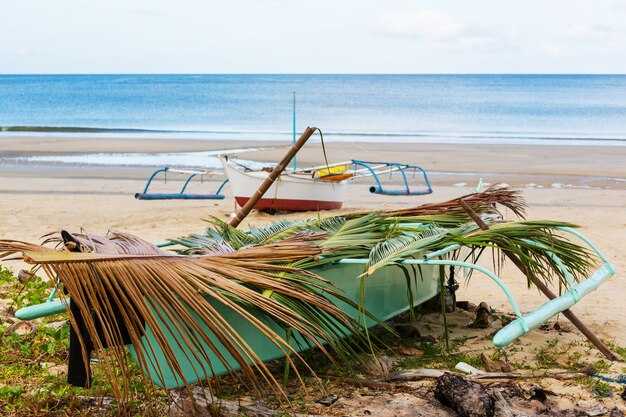
Looking farther, Bongoyo Island offers snorkeling and straightforward access. Boats depart from Slipway and the nearby Mbweni area on weekends; head out early to enjoy shade from palm trees and quiet coves.
At Coco Beach (Oyster Bay), you find a relaxed urban shoreline with palms and several mid-range cafés. Stroll the sand, then choose a cafe for a snack or coffee with a view of the water.
Insight: mornings are quieter and waters clearer, so a first swim feels especially inviting.
Kunduchi Beach runs long with wide sands and blue waters; nearby dwellings and artisans reflect the diversity of some coastal neighborhoods. The area carries a trace of history and past trade links with indian and kenya traders, offering a window into various tribes and cultural blends.
Head to Kigamboni Beach for a longer coast and calmer tides; cross the Kigamboni Bridge by car or bus and explore a simple seaside mood with modest guesthouses in the middle range.
Prepare light clothing, reef-safe sunscreen, water, and cash; bring a hat and water shoes for rocky patches. For island trips, book with a local operator at Slipway; robert can help coordinate a safe boat and confirm tide times. On clear days you may catch a distant mountain silhouette along the horizon.
| Spot | Access | Best Time | What to Do | Notes |
|---|---|---|---|---|
| Mbudya Island | Msasani Slipway; 20–30 min boat | Morning | Calm water for swimming and snorkeling | Bring water and reef-safe sunscreen |
| Bongoyo Island | Slipway from Msasani; short ferry | Weekdays morning | Snorkeling, small beach coves | Arrive early; check weather |
| Coco Beach (Oyster Bay) | Walkable from Msasani/Oyster Bay or taxi | Afternoon | Beach stroll, cafés, sunset views | Popular on weekends; expect crowds |
| Kunduchi Beach | Road access via Kunduchi area | Mid-day | Long sands, quiet swims, crafts nearby | Explore nearby dwellings and artisans |
| Kigamboni Beach | Cross Kigamboni Bridge by car/bus | Evening | Sunset views, relaxed hotels | Mid-range stays available |
Cultural Highlights: Museums, Markets, and Local Guides for Budget Travelers
Begin with a practical plan: visit the National Museum and the Makumbusho Village Museum, then walk to the botanical gardens for a quiet break between these urban stops.
These venues offer a compact structure that explains Tanzania's history and traditional arts. Entry fees are modest, and a combined pass can cover both museums on one day; check the included options at the counter. The display design makes it easy to gauge timeline and context, and you’ll find signage in Swahili and English for all ages.
Makumbusho showcases examples of local architecture and daily life, with a straightforward layout that helps you move between pavilions and performances. These places highlight different tribes and communities, connected to the country’s coastal culture and other countries nearby, offering a variety of insights without long detours.
Markets and shops provide the other side of culture: bustling stalls, a variety of textiles, spices, and culinary delicacies. Kariakoo Market offers a very active shopping experience, while nearby seaside markets present calmer vibes and even lower prices. Be sure to try street snacks; you’ll find fruit skewers, roasted maize, and grilled seafood, all making it easy to stay within budget. If you crave a change of pace, a quick detour to the beaches nearby gives a gentle end to the day.
Local guides provide a budget-friendly option for a short, focused tour. Look for guides near the port or at market entrances who offer 2–3 hour walks that cover galleries, murals, and a handful of food spots. A simple pairing of a museum visit with a guided market stroll makes it possible to maximize your time and keep costs low.
Evening and coastal panoramas
After your day’s walking, head to the coast for a panoramic view of ships and the skyline; these evenings are a fine balance of activity and rest. The location offers easy access to beaches and a chance to slow down before travel to other places in the country, with countryside outskirts providing a peaceful contrast to the bustling port.
- Plan a route that connects one museum, one market, and a short guided walk, keeping travel time under 3 hours.
- Carry small cash for entry fees, snacks, and bargaining at stalls; most shops accept local payments, but not all accept cards.
- Respect local customs: greet vendors politely, sample a small bite first, and compare prices across a few stalls.
- Choose an option to share a guide with fellow travelers to reduce costs while gaining richer context.
3-4 Day Practical Itinerary: A Day-by-Day Plan for Dar es Salaam
Stay in mikocheni for a mid-range base that keeps cost reasonable and puts you close to shops, gardens, and a welcoming park. This plan blends exploring iconic sights with a relaxed pace, colorful markets, and evenings by the water with a friendly vibe.
Day 1-2: Core sights and coastal strolls
Day 1 – Arrive and settle in mikocheni, then stroll to a pristine morning by Coco Beach. After a light swim, grab a bite at a garden cafe and begin exploring the National Museum to understand Tanzania’s history, followed by the Village Museum to see traditional homesteads and live performances. In the afternoon, wander abrahams Street Market, chat with robert at a small stall, and pick up crafts while noting color-rich details of everyday life. End with a sunset walk along the harbor and a welcome dinner at a place that serves Swahili flavors with a hint of coastal spice.
Day 2 – Start with an easy morning in a park nearby, then head to Mwenge Wood Carvers Market for extensive crafts and thoughtful souvenirs. The prices here balance cost with quality, and you’ll spot vivid colors on carved animals and bowls. Return to mikocheni for a mid-afternoon break by a hotel pool or a local cafe, then explore a few shops along the way. If you’re up for it, a short evening ride to the coast provides a chance to watch fishing dhows and enjoy a fun-filled night with locals who welcome visitors with warm smiles.
Day 3-4: Culture trips and island breezes
Day 3 – Take a day trip to Bongoyo Island for pristine waters and snorkel opportunities. A brave start on the boat brings you to clear, blue pools and quiet coves where you can relax and soak in the colors of the sea. Pack light snacks and water; the island is a calm escape from city bustle and a chance to practice basic language phrases with local guides. Return in the late afternoon and roam the Msasani area to browse mid-range shops and cafes, then enjoy an evening meal with a view of the sunset over the water.
Day 4 – Explore Bagamoyo-day-adjacent options or stay closer to town for an extensive cultural loop. If you choose Bagamoyo, you’ll spend the day visiting historic sites, beach stretches, and markets that highlight local life and history. If you stay in Dar es Salaam, begin with a relaxed morning visit to a coastal garden, then head to a local market to observe daily rhythms and barter for keepsakes. Finish with a farewell dinner at a place that serves freshly grilled fish, a last look at the park, and a slow walk along the shoreline to cap off a season of exploring and memories.