
Top Religious Sites in Nepal - Sacred Temples, Monasteries, and Pilgrimage Routes
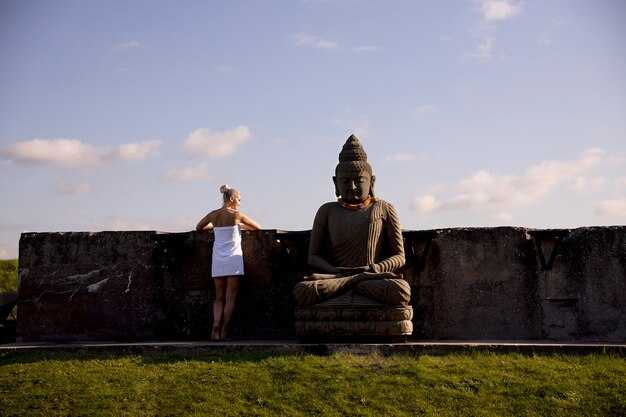
Plan a four-day circuit during October’s Dashain to immerse in Nepal’s temple culture. In Kathmandu, start at the Pashupatinath Temple, where the Bagmati River flows past ancient cremation ghats and bronze spouts. Visitors notice the surrounding rituals, the flame of oil lamps flickering above the crowd during evening ceremonies, and the sense that this city houses a living tradition. Then walk to the Boudhanath Stupa, the world’s largest spherical stupa, where centuries of devotion circle the square with prayer wheels turning in the breeze. From there, study the Swayambhunath complex, perched on a hilltop with views over mountains and city roofs, and take in the calm of the surrounding monasteries. Whether you are Hindu or Buddhist, the Kathmandu Valley offers a compact, high-impact glimpse into the kingdom’s spiritual rhythm that must be on any Nepal itinerary.
Extend the circuit to Lumbini, the birthplace of Siddhartha Gautama, where he was born. Lumbini dates back to the Mauryan era and dates from the 3rd century BCE, with the Maya Devi Temple marking the exact birthplace. The World Peace Pagoda and monastic zones hosted by international communities make this site popular for tours and quiet reflection. Lumbini lies roughly 300 kilometers by road from Kathmandu, and many visitors combine it with a short flight to Pokhara or a day in the terai rivers, depending on time.
In the Kathmandu Valley, monasteries expand the spiritual map. Kopan Monastery near Boudhanath hosts meditation courses for anyone, from curious travelers to seasoned practitioners, often sharing program dates posted in October and spring. Visitors can observe the daily prayers and join short sessions; the compound is housed within a quiet campus while maintaining a traditional atmosphere. Many bhutanese visitors travel here for short stays, and nearby Thrangu Tashi Monastery and Rato Dratsang in Bhaktapur offer additional meditation halls and tours of prayer rooms and study halls.
Beyond Kathmandu, Nepal hosts pilgrimage routes that connect temples across the hills and plains. The Mustang–Muktinath corridor, the Manakamana Temple circuit in Gorkha, and riverside paths along the Gandaki offer long routes for devoted pilgrims and curious hikers alike. For a compact plan, a two- to three-day circuit from Pokhara through Ghorepani to the temple sites along the Bagmati river makes a popular choice. You can hire a guide to span about forty kilometers of trail, with stops at sacred water springs and ceremonial spouts. Remember to check village tempos, meals, and the weather in October when higher altitudes can bring crisp air.
Best Time to Visit Nepal’s Sacred Sites: Weather, Festivals, and Crowds
Plan your visit for late october to early november, when post-monsoon skies are clear, daytime temperatures are comfortable, and dashain energy fills temple precincts. If youre after rich rituals with sensible crowds, this window can offer a favorable balance for worship and exploration.
- Weather window: In Kathmandu Valley and surrounding lowlands, daytime temperatures hover around 20–25°C, with cool evenings in the 8–12°C range. Higher passes stay chilly, so pack warm layers. Rain is rare, humidity drops, and mornings can be misty near ponds and temple complexes.
- Festivals and crowds: dashain dominates the season, drawing nepalese locals and visitors to pashupatinath, boudha, swayambhunath, and janaki temple. purnima nights bring special worship rituals at sacred sites. In janakpur, janaki celebrations attract pilgrims, and some travelers extend their route, reaching varanasi for broader spiritual honors. Weekends and purnima dates frequently see larger lines, so plan inside visits to monasteries or museums early in the day. For anyone seeking quieter windows, aim for the days immediately after dashain peak or mid-to-late november when crowds ease.
- Site experiences: boudha's tibetan-styles stupa offers impressive architecture and calm worship spaces. pashupatinath and other shiva shrines draw a steady flow of worshippers; inside temples, maintain respectful silence and remove shoes before entering. In janakpur, janaki temple complex blends Hindu art with local craft, and ponds around the site provide reflective spots. museums near kathmandu provide exploration of nepalese culture and the honors these sacred places have earned.
- Practical tips: Dress modestly; cover shoulders and knees, carry water, and use sun protection on open temple squares. If youre planning a trek after temple visits, choose routes with less sweating in peak heat; tibetan monasteries along the way reveal different styles. When visiting, ask before entering restricted areas inside monasteries or museum galleries, and seek help from local guides if you need directions or translations.
- Sample itinerary idea: Day 1–2 kathmandu valley (pashupatinath, swayambhunath, boudha), Day 3–4 janakpur (janaki temple and ponds), Day 5–6 optional trek or drive to a sacred pass and a temple stop. This mix offers a balanced taste of temple-worship, museum exploration, and scenic views.
Kathmandu Valley Temples: Practical Access, Timings, and Etiquette
Begin at Swayambhunath at sunrise to catch soft light and a spiritual mood, then descend toward Boudhanath for a compact, popular circuit. The drive from Thamel takes about 20–30 minutes, through ground-level streets lined with newar shops and artistic detailing. Swayambhunath sits on a hill with a large staircase and a pond nearby that reflects the stupa on calm days, offering a serene experience. Boudhanath’s huge stupa ring is surrounded by monasteries and artisan windows where prayer wheels turn with quiet motion–especially lively during fairs and festivals. The Kathmandu Valley temples were constructed across century-long traditions; the ground features a layered layout that harmoniously blends shrines with living neighborhoods. The precincts are named after deities and guardians and reflect the beliefs that guide daily life; these experiences make life richer for visitors. For those who want to extend the drive, Pashupatinath opens early and closes in the late afternoon, and the riverbank surroundings add a tranquil frame to spiritual life of locals and visitors. therefore
Practical Access and Timings
From Thamel, hire a taxi or ride-hailing scooter; a 20–30 minute drive is typical, with prices around 600–1,000 NPR depending on the hour. Most sites open from dawn to early evening; Swayambhunath and Boudhanath stay active later into the evening, while Pashupatinath sees higher activity in the early morning and late afternoon. Plan a 3–4 hour loop to cover Swayambhunath, Kathmandu Durbar Square, and Boudhanath; include a short stop at a pond or courtyard for photos and quiet reflection. Expect lanes around the sites to be narrow and congested; public steps and ground surfaces may be uneven, so wear sturdy footwear. If you want a longer, more immersive visit, Tengboche is beyond the valley and requires a trek; within the valley, you can complete the circuit in a single day or spread it over two half-days.
Etiquette for Respectful Visits
Dress modestly; remove shoes before entering temples; cover shoulders and knees; keep voices low; photography is generally allowed in courtyards but avoid inside sanctums unless permitted–look for briefing signs or ask staff at the entrance. Respect monks, priests, and pilgrims; do not touch offerings; avoid pointing feet toward shrines; queue patiently around prayer wheels. The communities of newar and sherpa frame rituals with strong beliefs and family life; your respectful presence makes life easier for locals and enhances your experiences. During festival seasons, fairs draw crowds; stay to the sides to preserve the flow of ceremonies. The windows of photography vary by site; always check posted rules and respect restricted areas. Briefing provided by site staff helps you align with local practice and show proper respect for the spiritual nature of the place.
Lumbini Essentials: Birthplace Complex Layout, Sacred Gardens, and Nearby Monasteries
Plan your visit to the Birthplace Complex for a focused 90-minute circuit: start at Maya Devi Mandir, move through the Sacred Garden, and march along the ring toward the monastic precincts. This route through mahabuddha's birthplace gives you a clear sense of the narrative and enough time for notes and photos.
Layout and Sacred Gardens
- The Maya Devi Mandir sits at the center, a simple stone temple anchored by a sacred pond and a handful of ancient markers.
- The Sacred Garden follows a mandala-inspired design, with pathways radiating from the core and windows that frame quiet courtyards.
- Stupas mark key points on the route, while carved panels and pavilions provide artistic nepali architecture touches.
- The main gate opens onto a ring of small mandirs and meditation spaces, where panchami rituals and offerings were once common.
- From the core precinct to the outer monasteries, the loop spans about 500 meters, giving a clear sense of scale without crowding.
Nearby Monasteries and Pilgrimage Routes
- Nearby monasteries showcase diverse architectural styles, each reflecting a great monastic lineage and purpose.
- Communities from india and Nepal collaborated on building these sites, so the locations offer a rich blend of spiritual sensibilities and artistic motifs.
- Often, visitors find wooden windows, painted facades, and mandala motifs that reveal a strong nepali influence in daily rituals.
- One can arrange a side trip to halesi cave to extend the pilgrimage network, then return to the core complex by walking or short drives of a few hundred meters.
- Pashupatinath and other major temples provide nearby context for pious travel; linking routes can be organized to suit schedules and transport, enabling a cohesive experience over a day.
Share your route and reflections on linkedin to help others discover these locations and plan their own visits.
Buddhist Monasteries and Stupa Complexes: Boudhanath, Swayambhunath, Kopan
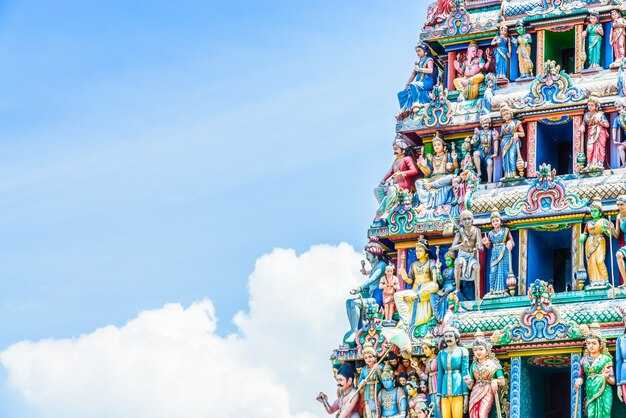
Plan a focused morning at Boudhanath, where the enormous stupa dominates the square and the surroundings hum with prayer wheels and monks in maroon robes – a setting richer than many city shrines. The peethas and associated monasteries encircle the abode of mahabuddha devotion, making the site a soulful gateway into Nepal's Buddhist heritage.
Walk clockwise around the drum as pilgrims chant, and notice the windows of small chapels facing the stupa. The place holds centuries of ritual, with water from ritual baths and nearby streams feeding the Bagmati River that nourishes the neighborhood. Boudhanath is known for its significance in Tibetan Buddhist practice and invites a contemplative tempo that pairs well with an Annapurna-adventure plan.
Swayambhunath sits atop a hill and rewards visitors with sweeping views of Kathmandu. The lanes around the temples are crowded with macaques and pilgrims, and Nagarjuna’s teachings echo in the chants and murals. The stupa and its shrines stand as an abode where soulful devotion meets everyday life in the Himalayan capital.
Kopan Monastery, perched above the city, offers hermit-like spaces for meditation and study. You can arrange meditation sessions, short courses, or a quiet overnight stay, making Kopan a calm counterpoint to Boudhanath and Swayambhunath in a coordinated tour plan. The site is known for linking practice with friendly dialogue in and beyond the Himalayan region, with notes shared by monks and communities on linkedin.
Practical tips: visit early for serenity at Boudhanath, then swing toward Swayambhunath in the late afternoon when the sun sets over the rooftops and the waterways sparkle in the distance. Bring modest clothing, respect holy spaces, and use the windows of temple courtyards to observe rituals without intrusion. If your Nepal plan includes Annapurna, you can arrange a seamless transition to Pokhara or direct flights, enabling a poignant extension of your adventure through the hills and valleys that cradle these sacred abodes.
Pilgrimage Routes Across Nepal: Muktinath Circuit, Sacred Trails, and Trekking Context
Plan a 5–7 day Muktinath Circuit in kartik for clear skies and lively ceremonial rounds; begin in Pokhara, fly to Jomsom, then follow the Kali Gandaki Gorge on a circular trek that includes the holy site and its 108 waters spouts. If you are a traveler who seeks deep respects and real spirituality, this trip fits a single plan with ample time for offering and reflection. Spots along the route let visitors see dry valleys, cliffside settlements, and villages where buildings once stood as part of a kingdom-driven landscape.
The Muktinath temple complex sits around 3,800 meters, where a grand temple and nearby buildings frame sacred spaces for both Hindus and Buddhists. The site is a peethas center, with a ceremonial fire shrine and the 108 spouts that devotees use for cleansing waters. Visitors observe profound respects as monks chant and locals perform offerings; the deep ritual below the open sky touches body and mind. The path near the site, discovered by caravans and pilgrims long ago, draws travelers as a cornerstone in the kingdom’s highland spiritual map.
Muktinath Circuit: practical route and timings
Route practicality: fly Pokhara to Jomsom, then a steady trek of 3–5 days to Muktinath and back, with stops in villages offering tea houses and reliable accommodation. Pace matters: slow ascents protect altitude health, and most treks finish before heavy winter snows. The approach includes near views of spouts and waters, monastery walls, and chorten-lined trails that reveal how the Malla era left a grand, profound imprint.
Sacred Trails and Trekking Context
Beyond Muktinath, sacred trails radiate from Kathmandu to the valley rim, linking monasteries, caves, and hilltop sites that travelers often combine with trekking. Boudhanath stupa anchors the city’s sacred rhythm, while Nagarjuna hill offers monastery clusters with deep meditation spaces. These spots illustrate diverse styles of worship that feel alike in devotion, whether you seek quiet reflection or active exploration. For trekkers, the route mix delivers both religious respects and solid outdoor experience, whether you opt for a day hike from a valley rim or a longer trek through multiple peethas and temples. Kartik intensifies ceremonial activities and offers authentic offerings, making these routes a compelling choice for a reflective trip. What matters most is timing, permit planning, and respecting local guides who unlock these circuits.
Rituals, Dress Codes, and Respectful Practice at Religious Sites
Dress modestly, remove shoes where required, and seek permission before entering inner sanctums. At janakpur and halesi temples, follow the custodian's guidelines with precise care. This approach will fulfill your wish-fulfilling moment, as nepalese worshippers welcome quiet, respectful presence. If you carry water or offerings, hold them with both hands and speak softly to avoid distraction. Vespa travel between sacred sites should be mindful, especially when reaching each shrine, to maintain the peaceful atmosphere. This careful behavior is helpful because it keeps ceremonies steady for worshippers and travelers alike.
What to wear and basic etiquette
Wear modest clothing: shoulders and knees covered; remove hats and shoes when entering sanctums and monasteries; women may cover hair with a scarf, and in newar precincts some men wear a janai thread during ceremonies. In janakpur, a strong sense of tradition guides everyday rituals, and nepalese visitors who observe janai and other ceremonial signs are welcomed. Keep backpacks low, speak softly, and avoid loud noises near priests and pilgrims. If you visit ilam or other temple towns, adapt dress to local norms and avoid bright, flashy outfits near sacred spaces.
Rituals, offerings, and respectful participation
Ask before photographing or recording a ritual; do not touch sacred statues or ritual implements. When offering, present flowers, fruit, or water with both hands, and bow slightly to show gratitude. Youre participation should be gentle and precise, matching the pace of the ceremony, and never overshadow the performers. If you wish to light incense, do so at the designated area and avoid leaving lit sticks unattended. At janakpur, halesi, and other pilgrimage routes, combining personal respect with curiosity creates an excellent, educational experience for traveler who wish to understand unique practices. By holding a peaceful stance, you deepen your heart with every new encounter, and you wont miss the chance to reflect on the purpose of these rites.
Practical Logistics for Pilgrims: Visas, Permits, Transport, and Accommodation
Get a Nepal tourist visa on arrival at Tribhuvan International Airport or apply online before you depart. For most nationalities, 15-day visa costs 30 USD, 30-day visa costs 50 USD, and 90-day visa costs 125 USD. Bring one passport photo and cash in USD for the stamp; the process takes about 15–30 minutes. Indian travelers may enter with a government-issued photo ID; verify the latest rules before travel. Water spouts at certain shrines may be used during rituals, so stay respectful.
No separate permit is required to visit the core religious sites in Kathmandu Valley–Boudha stupa, Swayambhunath, Pashupatinath, and surrounding shrines. If you plan to reach more remote sacred locations beyond the valley, check with local temple authorities about any local permissions. Expect higher crowds around Navami and Sankranti; book accommodations near popular shrines in advance. The mythology surrounding mahabuddha and gautam enriches the sacred locations.
Arrange transport at the airport or your hotel: a private driver or reputable taxi is fastest for sacred site circuits around Kathmandu; domestic flights connect to Pokhara and other spiritual stops for longer routes. Kathmandu to Pokhara by road takes about 6–7 hours; monsoon months can slow highways due to landslides, so allow extra time. If you intend to continue travel into India, carry your passport and any required visas; border crossings operate on fixed schedules. The routes to these mountains and temples offer impressive views that reward careful planning.
For lodging, Thamel offers convenient access to major stupa locations, while the Boudha area provides a calmer stay near the great stupa complex. Budget dorms start around 8–12 USD per night; private rooms typically range 15–40 USD. In Lumbini, Pokhara, and other sacred sites, rates are similar, with variation by season. Festival periods around Navami and Sankranti increase demand, so consider booking at least 2–3 weeks in advance.
| Category | Recommendation | Notes |
|---|---|---|
| Visa & Documentation | Visa on arrival or online e-visa; bring passport photo; keep USD cash for fees | Check evisa.nepal.gov.np or evisa.nepal; Indian citizens may have different rules |
| Permits | No permit needed for core religious sites; verify if you plan to visit remote sacred locations | Local temple authorities provide guidance |
| Transport | Use a private driver or hotel-arranged car for shrine circuits; domestic flights to Pokhara | Monsoon months can delay travel |
| Accommodation | Stay near Boudha or Thamel; dorms from 8–12 USD, private rooms 15–40 USD | Navami and Sankranti periods see higher demand |


