Taiwan Travel Guide - Taipei – Top Sights, Food & Travel Tips

Grab an EasyCard for transit on day one, top up at convenience stores, and carry a few bills for snack purchases and street stalls. This setup keeps you moving and lets you enjoy the city without delays.
The city runs a network of transit systems that connect Taipei Main Station with all neighborhoods: MRT lines in red, blue, and green; buses, and the Maokong gondola. Plan a route that minimizes backtracking, and always tap in and out to verify fares, then venture beyond central avenues for local flavor.
If you are arriving from the mainland, you cant miss the friendly greetings from vendors, and you can spark a quick chat to learn about daily routines. You’ll notice a different rhythm and signage in bilingual form, plus an extra layer of courtesy in shops.
Must-visit sights include Taipei 101 for skyline views, the National Palace Museum for ancient treasures, Longshan Temple for a pulse of local devotion, and Raohe Street Night Market for late-night bites. For a gentle hike with city views, Elephant Mountain delivers sunset silhouettes over the towers; Dihua Street preserves colonial storefronts and cafés perfect for a longer break. An extra stop at a tea house adds a calm break to your tour and helps you recharge.
Food thrives in night markets and street corners: sample a snack like stinky tofu, oyster omelette, braised pork rice, and freshly pressed juice. Bubble tea is everywhere, and you can find vegan or seafood options along with personal choices for family meals. Start your day with soy milk and hot youtiao to fuel your family outings.
Money matters in Taipei: many places accept cards, but small vendors often take cash, so keep a mix of coins and notes. If you are staying several days, a prepaid card is handy for rides, snacks, and coffee. Tipping isn’t expected in most services; in a massage parlor (masseuse) a small gesture is optional but not required. If a service stands out, you can leave a modest tip as a personal thank-you, but you can skip it in most cases.
facebook pages connect taiwans with local guides and fellow travelers. For someone planning a compact itinerary, pin a couple of flexible days and enjoy discoveries beyond the obvious, from a tea-house tour in the hills to a night-market snack crawl that reveals the city’s texture.
From Taipei, you can branch out to nearby locales with easy transit: Jiufen, Pingxi, Beitou, and Tamsui are popular day trips. Build your plan around a balanced mix of courtyard cafés, street bites, and quiet parks, and you will feel the city beyond the crowds.
Navigate Taipei by MRT: Best routes to visit the must‑see sights in one day
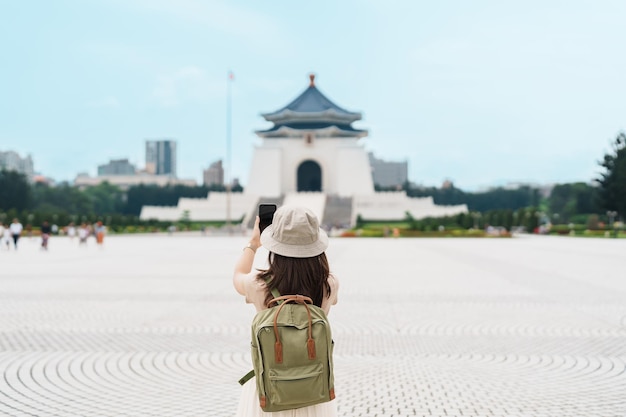
Begin with Route 1 for a compact, all‑in‑one day: Chiang Kai‑shek Memorial Hall, Taipei 101 area, and a Maokong tea break reachable by MRT and a short gondola ride. daytime hours keep the pace comfortable, and EasyCard keeps prices low by avoiding repeated cash payments. Foreigner travelers can plan this trip from wherever they stay, and taxis are a backup if you’re pressed for minutes. For a corporate or casual trip, this loop stays wide enough to feel connected to the culture without rushing the experience.
Route 1: City classics in a compact loop
- Start at Chiang Kai‑shek Memorial Hall. Spend 20–40 minutes admiring the grand architecture and the changing of the guard, then walk to the nearby MRT entrance for the next leg.
- Ride to the Taipei 101 area (about 12–15 minutes by MRT). Price ranges around NT$20–40 per ride with an EasyCard, depending on distance.
- Explore the Taipei 101 district for 30–60 minutes, then take a quick stroll to a cafe or bakery for a light break before the next stop.
- To reach Maokong, take MRT to Taipei Zoo (roughly 25 minutes) and transfer to the Maokong Gondola for a 15–20 minute ride up to Maokong. Gondola prices vary, roughly NT$100–NT$200 one‑way; plan another 40–60 minutes for tea and views at a hilltop teahouse.
- Return to the city center by gondola to Taipei Zoo and MRT back (about 25–40 minutes). If you’re tired, a taxi from Taipei Zoo can speed the last leg (price higher, minutes saved).
- End near a central hub in the Xinyi area, where you can grab a final snack or a drink before heading back to your hotel or the night market streets. This route is flexible for a foreigner or a domestic traveler, and it keeps you close to the country’s rapid transit core without detours.
Route 2: Market vibes and a hill tea break
- Kick off with Shilin Night Market in the morning or late afternoon. Take MRT to Shilin Station, then walk 5–10 minutes to the market. Allocate 60–90 minutes for snacks, shopping, and people‑watching.
- From Shilin, hop to the National Palace Museum area for a cultural contrast (about 20–30 minutes by MRT plus a short transfer). If time is tight, swap in a brief stroll through nearby lanes for street food bites instead.
- Head to a calmer end‑of‑day option by returning toward the city center and heading to a Maokong detour if you crave tea with a skyline view. Take MRT to Taipei Zoo and then Maokong Gondola for a relaxed 40–60 minute tea visit at a teahouse above the city. Price notes: gondola and tea will add to the transit cost, but you’ll gain a wide‑open vantage point year‑round.
- Finish with a late lunch or early dinner in the Xinyi district or back near Taipei Main Station. If you’re already mid‑day, you might skip the museum and go straight to a mall or regional food hall for a quick bill of fare.
Taipei Night Markets: Where to go, what to try, and the best times to visit
Begin at Raohe Street Night Market for a compact, flavor-packed intro to Taiwan's street bites. Arrive around 5:00 PM to beat the rush and savor a hot pepper bun as you read the stall labels along the lanes. Raohe sits in Taipei's Songshan District, nearby Songshan Station, with easy access from the MRT. This section helps you map a smooth start, and booking a short food walk can cover Raohe and a few nearby stalls.
Shilin Night Market offers a wider type of bites and a longer night scene. Start at the main entrance near Jiantan Station and walk along the covered lanes. Try fried chicken cutlet, grilled squid, and stinky tofu, plus dessert options like mango shaved ice. Prices mainly sit around 60–180 TWD per item (about 2–6 USD). Go after 6:30 PM on weekdays to avoid the heaviest crowds; on weekends you’ll want to arrive earlier or stay later to catch the best eats.
For a calmer, compact route, visit Ningxia Night Market, which is largely snack-focused and easy to cover in under an hour. You’ll find coffin bread, bubble tea, and dumplings, plus other regional bites. Costs stay friendly with most items in the 40–120 TWD range (about 1.5–4 USD). This part of town connects well to older lanes and has several parks nearby for a quick break.
Best times to visit: for Raohe and Shilin, aim for weekdays between 5:30 PM and 9:30 PM; weekends push later and longer. If rain threatens, carry a compact umbrella; Raohe’s lanes are mostly covered, which keeps the stroll smooth. Check local government notices for any changes in hours or safety tips–news updates help you plan day by day. If you’re staying in Taipei, this route pairs well with a stroll from Songshan or along the river.
Practical tips: bring cash in small denominations; most stalls prefer it, though a few accept cards. Download offline maps before you go; this helps you read signs and cover a lot of stalls quickly. Booking a night-market tour can give you a curated taste of the best bites and avoid long lines. Try staying in a hotel near Songshan or along the MRT to minimize travel time. Riders zip by on scooters along the lanes, so keep belongings close and step aside when they pass. Taiwan is largely islands, and night markets show that mix of open-air energy and home kitchens. Thanks for reading this section.
Budget Food Map: Affordable dishes and stalls near major transit hubs
Smart picks around Taipei's transit hubs
Start at Taipei Main Station's underground mall and grab a dan bing for about NT$40–60, then a gua bao for NT$60–90 to fuel your morning as you navigate the transit network. If you drive, use the freeway exit and park in the mall garage to stay close to the action.
Prices usually range NT$40–120 per dish. Stalls along the bannan line corridor in the mall and station concourses serve quick bites: dan bing, soy milk, fried rice, noodles, dumplings, and small bowls. You can sample several items in one pass without blowing the budget, and the advantage is you stay within the same transit node. Display boards show today’s specials, and some stalls offer signature twists that are nicer than standard options.
Within the north wing and south wing, you’ll find different clusters of vendors; throughout the entire complex, you can mix tastes in one visit. Always check the display boards; they show today’s specials, and you’ll usually discover options that feel tailored to this transit-heavy area.
Machines in the food court speed up orders: use the touch screens to order and then take a seat in a nearby park-like atrium or courtyard inside the mall. This makes navigating the area simpler and minimizes wait times.
Another solid move: after you grab a bite, join a short local tours or self-guided routes that loop between Taipei Main Station and nearby transfer hubs; knowing the layout helps you navigate the mall and its connected stairways.
For a different flavor, consider a ride to Maokong gondola for tea and light bites at the top, then return to the main hubs; this can be part of a nice day without blowing your budget.
Tips for planning: usually temperatures in Taipei vary by season, so bring a light jacket in cooler months and stay hydrated in summer; prices stay fair year-round, and the entire route offers an advantage for budget travelers.
Return to the hub after meals to catch your next ride; Uber is available if you’re pressed for time, and staying near the north corridor makes navigating easier. If you know where to go, you can take another bite before you head home, and you’ll know the best times to visit to maximize the deal.
To summarize: I recommend two back-to-back budget stops around a major hub; this approach lets you sample a range of dishes, know the dishes you like, and stay flexible for the rest of your Taipei itinerary.
Practical Safety and Money Tips: Transit fares, scams to watch for, and health reminders
Get an EasyCard and keep it topped up; youre set for most transit in Taipei, whether youre traveling alone or in a group. Tap in and out at MRT gates and on buses to pay automatically, avoiding cash fare hassles. Top-up kiosks sit on the main floor of stations, and many convenience stores accept recharges. From arrival to departure, this simple system helps you move with comfort and plan each step through walking segments and sights.
Fare basics and savings: Base fares start around NT$20 and increase with distance; most short rides stay under NT$60. EasyCard or iPASS typically costs less than cash for each ride, and transfers between lines within a short window are straightforward. You’ll hear locals praise the clear signage and predictable pricing, which makes planning your day easier. Top up at machines on the main floor or at many stores, so you can renew value whenever you need it.
Scams to watch for: In crowded zones near kai-shek Memorial Hall and other tourist spots, some strangers offer help with tickets or tours and push overpriced options. Use machines or official desks inside stations for tickets. If you hire a driver, insist on the meter and ask for a receipt; if something seems off, walk away. Rich-sounding pitches or aggressive upsells targeting tourists aren’t worth your time. If you isnt sure, ask hotel staff or information desks for trusted guidance, and stay with what you can verify.
Taxi, tipping, and safety: Official taxis are blue-white with meters; use those or a reputable app. If the meter isn’t running or the fare jumps unexpectedly, request a stop and confirm the reading. Avoid rides from strangers offering shortcuts or "special routes"; these often waste time and may be unsafe. Tipping isn’t expected; you may round up the fare if you wish, but it isn’t required. If you have left luggage, use hotel storage or station lockers and keep valuables secure as you move through the floor-level corridors of stations and streets.
Health, comfort, and planning: Stay hydrated in Taipei’s humidity and wear breathable clothing for long walking days. Choose busy stalls with clean turnover and opt for well-cooked foods to reduce risk; wash hands or use sanitizer before eating. If you feel unwell, seek care at a clinic or hospital–many larger centers offer English-speaking staff. Parking near major attractions is limited, so plan to rely on transit or rideshares. For the last mile to your room, chart a straightforward route through well-lit streets; if you get lost, ask a staff member at a hotel or information desk to guide you back to a main corridor or lobby. Your goal is to travel smoothly, whether you’re a couple, a solo tourist, or part of a western group, and to finish each day with your health and comfort intact.
Cultural Etiquette and Language Basics: Greetings, tipping, and respectful behavior
Greet with Ni hao or Nin hao and a light nod. In Taipei and other cities, keep your voice calm and conversation paced, showing respect for personal space. For elders or officials, use Nin hao and a brief bow. These ways create smooth exchanges with everyone you meet, from taxi drivers to restaurant staff to government clerks.
Language basics: use short, clear Mandarin phrases. Start with Ni hao for hello, xie xie for thank you, bu ke qi for you’re welcome, duibuqi for sorry, and qing wen for may I ask. If staff speak English, simple sentences work best; otherwise, pair words with gestures. When you want a booking at a restaurant or tours, state the time, party size, and dietary needs clearly. The corresponding staff will guide you through options and offers.
Tipping and charge: tipping is not expected in most situations. Many restaurants include a service charge on the bill, usually around 10 percent; check for the charge line. If a charge is present, you do not need to tip extra. If there is no charge, you can round up or leave a small amount for good service. For example, check the bill to verify the charge, and then decide. For hotel cleaners or tour guides, a discreet tip is appreciated but not required.
Tattoos and attire: visible tattoos can attract attention at temples or formal venues, so consider covering them when visiting sacred spaces. Dress modestly; remove hats and keep voices down. When traveling with kids, explain expectations to them and model polite behavior. Women and men should wait their turn and show respect in all contexts.
Etiquette in everyday interactions: hand items to others with both hands, especially business cards and gifts, and avoid pointing with one finger. Use please and thank you, and address people by the right title when possible. If unsure about a rule, ask politely rather than assuming. Booking tools like tripool can help arrange guided experiences that explain local norms; soon you will adapt these ways and show respect to cleaners, staff, and clients.
Thoughts on broader etiquette: be mindful of small details that signal respect, such as keeping noise low on public transport and avoiding loud political discussions in public spaces. The government encourages courteous communication; if you want to learn more, practice basic phrases and observe the mark of courtesy. What works here versa what you might expect in Western settings may differ slightly, so adapt without losing the core respect for others.