



 Slovenčina
  English (UK)
  Русский
  العربية
  日本語
日本語  한국어
한국어  Magyar
  Türkçe
  Español
  Čeština
  Svenska
  Português
  Ελληνικά
  Suomi
Suomi  Nederlands
  Română
  Italiano
  Français
  Polski
  Українська
  Deutsch
  简体中文
简体中文 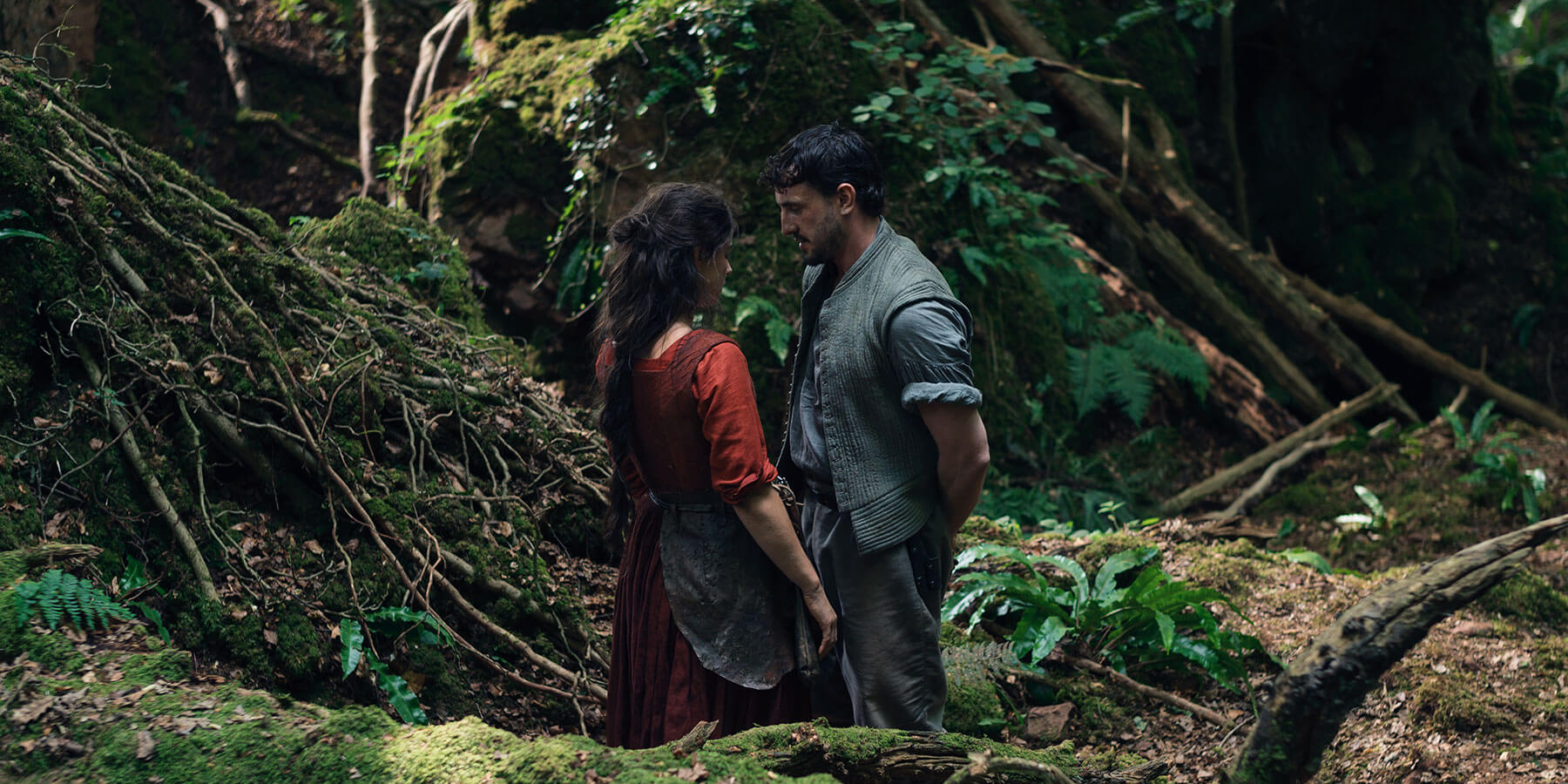 Chloe Zhao’s Hamnet: Visual Storytelling, Family Loss and the Land">

This article examines Chloe Zhao’s film adaptation of Maggie O’Farrell’s novel Hamnet and how the movie translates the book’s intimacy, grief, and sense of place to the screen.
From page to frame: what changes and what remains
The transition from novel to film reshapes emphasis without losing the story’s emotional core. Zhao’s adaptation makes more direct references to William Shakespeare and stages moments that prose implies. Where O’Farrell’s book can linger inside a character’s memory or interior voice, Zhao must show actions, gestures and rhythms — the heartbeat of meter, the counting in candlelight, the small, human rituals of creation.
Key cinematic choices
- Visible composition: Scenes that describe internal processes in the novel are made explicit on screen, such as Shakespeare murmuring lines and tapping out rhythm.
- Chronology: The film reorders some events into a more linear sequence to create clear visual causality.
- Landscape as character: Agnes and the children are embedded in the land; Zhao emphasizes earth, hedgerow and field as a living backdrop.
How grief and the plague are portrayed
The story’s tragedy pivots on the death of Hamnet and the household’s suffering. Both forms refuse to romanticize mortality: the novel offers interior recollection, while the film gives the audience a tangible sequence of loss. The focus remains on the absent presence — the silence after the cries — and how that absence ripples through family and community.
Scenes that linger
- The twin-switching memory, staged in the film so viewers can witness the confusion and tenderness that made the deception possible;
- Mary’s quiet recounting of loss, which in both book and film underlines that high child mortality did not blunt parental love;
- Agnes’s bond with herbs, hawks and soil, illustrating a pre-modern relationship to land and healing.
Novel vs Film — a quick comparison
| Element | Novel | Film |
|---|---|---|
| Narrative voice | Intimate interior perspectives | Visual and performative expression |
| Temporal order | Non-linear, memory-driven | More chronological, immediate |
| References to Shakespeare | Implied and thematic | Explicit staging of composition |
Why the landscape matters
Both works present the countryside as more than background: it acts as a mirror to character. Agnes is part of the land—her remedies and rituals belong to soil and season—while Shakespeare sees the city as the place where his imagination expands. That tension between home and world remains one of the story’s quiet threads.
Practical notes for filmgoers and travellers
To have a mind to see this film on the big screen, consider how travel and transfers can shape your experience. A late screening in an arts cinema or a festival venue can be made more relaxed with a pre-booked transfer, allowing you to arrive on time and leave without worrying about parking or public transport schedules.
Tips for reaching screenings
- Check showtimes and exact location ahead of time to avoid last-minute rush.
- Book a transfer if public transport is limited at night — choose the vehicle type that fits your luggage or group size.
- Confirm driver details and estimated fare so you know how much to expect and can plan your evening budget.
Why this adaptation matters
Zhao’s Hamnet strips myth away and returns Shakespeare’s circle to human scale. The film’s emotional clarity makes grief accessible to a modern audience — a reminder that 1596’s losses echo still. Viewers find themselves moved by the precise, ordinary details: a mother’s herbs, a boy’s playful deception, parents’ shared gestures. These are the things that survive in memory long after the credits roll.
The film’s impact on the wider cultural map is modest rather than seismic, but it resonates with audiences interested in historical intimacy and literary reappraisal. GetTransfer aims to keep pace with cultural life—whether you’re heading into the city for a screening or travelling between festivals, the service offers predictable, transparent options for reaching your destination. For your next trip, consider the convenience and reliability of GetTransfer. Book your Ride GetTransfer.com
Highlights of this topic include the film’s faithful evocation of grief and place, its clear visual rendering of Shakespearean creation, and the way it honors small domestic details. Still, even the best reviews and the most honest feedback can’t truly compare to personal experience. On GetTransfer, you can hire a car with driver from verified providers at reasonable prices. This empowers you to make the most informed decision without unnecessary expenses or disappointments. Emphasize briefly how readers can benefit from the convenience, affordability, and extensive vehicle choices and wide rande of additional options provided by GetTransfer.com, aligning directly with the context and theme of your article. Book your Ride GetTransfer.com
In summary, Chloe Zhao’s film translates Maggie O’Farrell’s novel into a visual meditation on love, loss and landscape, turning interior sorrow into shared cinematic feeling. For travellers and cinema-goers, thinking ahead about transfers—taxi or private car, exact pick-up times, driver details, fare and vehicle choice—can make the difference between a rushed outing and a memorable night out. GetTransfer.com provides transparent, global options to book the best service, see the car and driver details in advance, and choose the right seat and vehicle type for your plans, whether you’re heading to a city cinema, airport, or festival destination; it helps you get where you need to be with clarity on price and time, so you can focus on the story unfolding on screen.
Komentáre