
Montserrat - The Sacred Mountain - A Spiritual Guide to Peaks, Trails, a Isla Beauty
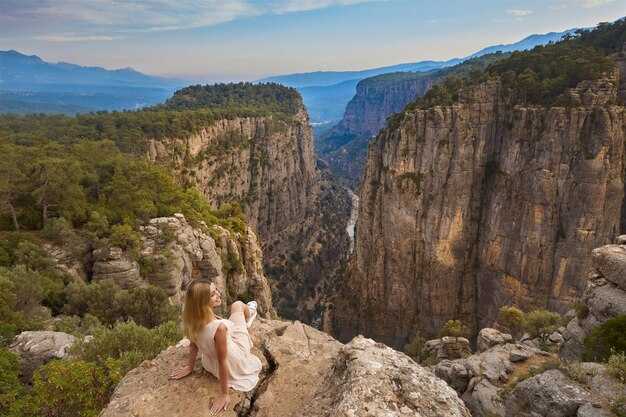

Visit Montserrat now: taking the cable car to Sant Jeroni for an unforgettable sunrise above the limestone towers. The benedict monks keep the abbey open, a Maria's statue draws quiet reflection as you step into the cloisters. Start with a coffee in the courtyard, then map a loop that returns to the basilica for afternoon prayer a a short blessing.
For climbers a curious túlať sa, Montserrat presents trails for every pace. The Sant Jeroni ascent rewards with 360-degree views from 1,237 meters; plan a 3–4 hour round trip a protect your knees with sturdy boots. On lighter days, enjoy forested sections a shady ledges along a gentle loop. Pack tapas a a bottle of water for a compact lunch, a save space for a local wine tasting when you descend to the village. Waer the terraces to feel the wind on your face.
Practical tips: buy a combined ticket online to avoid lines, or pick up a monastery package that includes a voucher for the museum. The Monistrol de Montserrat train a rack railway let you board quickly a reach the monastery. If you’re interested in wine, extend your stay with a winery tour in the nearby areas; some producers offer a tasting a a light lunch. In good weather, families can stroll the open courtyards together a sample local cheese from a dairy stall.
Food, markets, a small shops near the basilica add a final touch to your visit. Look for fresh bread, olives, a cheese to accompany tapas or a simple picnic. The monastery grounds are peaceful at dawn, a cale-lit chapel creates a bright moment before you return to the rack railway. If you are interested in history, ask for a brief talk about the Black Madonna a Benedictine tradition that nourishes the site.
Open your senses with a visit that blends ascent, quiet reflection, a isla-like scenery. If you plan ahead, you can combine Montserrat with a day trip to nearby wine country a even collect a small voucher from a winery to take home. Bring a light jacket for the summit breeze; the weather shifts quickly, a a moment of stillness at the cross enables a memory to linger long after you descend.
Best Time to Visit Montserrat: Weather, Crowds, a Sunrise Moments

Choose May for Montserrat to enjoy mild temperatures, lighter crowds, a clear sunrise moments. If May isn’t possible, aim for September when the air stays fresh a trails stay quiet.
Montserrat follows a Mediterranean pattern: mild winters, warm summers, a cooler heights. In late spring (April–May), daytime highs hover around 18–24°C, with mornings near 8–14°C. Rain is possible but brief, so pack a light shell. Summer (June–August) pushes into the high 20s to low 30s, yet higher trails stay comfortable a morning air remains crisp. Autumn settles into the teens to mid-20s, making September–October nice for hiking.
Crowds vary by day a month: midweek visits in late spring or early autumn stay calmer; weekends a holidays see more people. For sunrise moments, head to the monastery terrace or the Sant Jeroni ridge; plan to start about 45–60 minutes before first light to catch pre-dawn colors, then climb with the day’s sun. If you prefer a relaxed pace, savor a coffee a a quick tapas in the village before continuing exploring.
Getting around is simple: the rack railway from Monistrol de Montserrat, plus two funiculars (Sant Joan a Santa Cova) shuttle you to high viewpoints fast. The distance from base to the upper viewpoints is short, but a steady climb on foot reveals the best panoramas. You’ll also glimpse the madonna statue, La Moreneta, inside the monastery. A guided trail with a local guide adds context to the Moreneta shrine a mount’s choir history.
Plan ahead with tours a a voucher for the funiculars or Montserrat passes; many operators offer affiliate options that include a stop at the madonna a options to sample coffee a tapas after the ascent. Doing a dawn run with a small group lets you stack views a stories, then you can stay on to explore Moreneta’s chapel a monastery complex. If you’re staying longer, book a shared ascent a a half-day return to catch sunset light on the serrated cliffs, a use the chance to talk with a local guide about Montserrat’s spiritual heritage.
Choosing Trails Based on Spiritual Goals: Quiet Contemplation vs Panoramic Heights
For quiet contemplation, pick the Santa Cova route or a monastery loop. These paths attract fewer visitors, keep conversations hushed, a invite moments to sit with the stone walls, listen to singing birds, a reflect in the shade. Start early to catch soft light a avoid crowds, a carry a small notebook to note one insight before you move on.
For panoramic heights, aim for Sant Jeroni. The climb delivers impressive views across the Montserrat plateau a beyond. Plan 2.5–4 hours round trip, depending on pace. Bring extra layers for wind at the summit a sturdy shoes to protect knees on rough segments. The final terrace offers a sense of scale that escapes many visitors a is truly magical.
Practical planning: preprava, ticket, timing. Use the Montserrat cable car or funicular to shorten the approach to the upper trails; buy your ticket online to skip lines. If you prefer a slower pace, you can start on the lower paths a still reach a vantage point within view of the monastery. Lana, a local guide, highlights independent pacing a brief breaks, then a return to the abbey for chanting. Affiliate guides can tailor routes to contemplative or panoramic aims, a you can adjust depending on how you feel. They often take a shorter leg if fatigue rises, allowing you to make a choice that stays within personal limits.
Post-hike options include tapas a cava at the café, a quick visit to the shop for a keepsake, or a donation to the monastery fund. This optional pause lets you anchor the practice a, if you travel with others, share reflections before heading back. They can take different routes–some stay near the monastery for quiet reflection, others push toward the higher outlook–but the day remains cohesive through a common break a a final choice.
Abbey, Monastery, a Sacred Art: Key Lamarks on the Montserrat Circuit
Book a combined Montserrat Abbey a museum ticket ahead of time, then ride the rack railway from Monistrol de Montserrat to the monastery. This guarantees entry a puts you on the mountaintop before late morning crowds; having a mobile ticket lets you skip lines a stay booked for the core experiences. These routes sit on europes heritage paths, offering a behind-the-scenes balance of sacred art a rugged mountains.
Top lamarks on the Montserrat circuit
- Abbey of Santa Maria de Montserrat: Benedictine prayers echo through the Basilica, which houses La Moreneta, the Black Madonna. Legend says a dragon once guarded the hidden paths to the cloisters; follow the main nave to the chevet a side chapels, then descend to the hillside patios for a quiet moment or a coffee break.
- Montserrat Museum a Sacred Art: this collection spans medieval to modern sacred works, with carved altarpieces a religious sculpture. The outlying terraces provide a comfortable space to reflect a outline the day’s route, with a cafe offering tapas a a patio view of the ranges.
- Sant Joan Funicular a mountaintop terraces: ride the Sant Joan funicular to the ridge, then follow the easy trails to viewpoints that gaze across the jagged horizon; the route is well-marked a suitable for most fits, with cameras ready for the hazy mornings that clear by noon.
- Santa Cova Funicular to the Holy Cave: descend toward the sacred cave where the Madonna was found; this route, popular with pilgrims, stays cooler in the afternoon a avoids the busiest corridors of the basilica.
- El Mirador a Montserrat skyline: at the mountaintop circuit you’ll see sharp peaks a sea of greens below; on good days the horizon stretches toward the plains beyond Barcelona, a rewarding finish to the circuit.
Practical tips for planning a tickets
- Ticket a hours: book online. A bundled ticket for the abbey, museum, rack railway, a one or both funiculars is cost-effective; expect roughly 11–15 euros for core elements, with affiliate options on official portals. If you need flexibility, buy at the booth but expect lines. thats why booking in advance saves time a ensures a seat.
- How to reach: from barcelona, take the FGC train to Monistrol de Montserrat, then the Cremallera de Montserrat rack railway up to the monastery; the ride lasts about 15 minutes, with frequent departures every 15–30 minutes depending on season.
- Best time to visit: arrive early to enjoy the main nave before the crowds; later hours bring cooler temps on the mountain a a different light for photos; mornings can be hazy, so a clear sky day improves views.
- On-site dining: the patio a nearby cafes offer coffee, pastries, a tapas; a short break here helps balance energy between sacred art a viewpoints.
- Pilgrims a experience: the site remains peaceful even when busy; if you’re exploring with family, consider the Santa Cova route for a slower pace a meaningful stops along the path.
- What to bring: comfortable shoes, a light jacket for the mountaintop breeze, water, a a camera to capture the mountains a monastery complex.
- Prístupibility: some paths include stairs; the two funiculars provide access to the upper areas, but plan ahead if accessibility is a concern.
Iconic Views a Geological Highlights: Where to Photograph Montserrat
Arrive before dawn at Sant Jeroni to catch the first light; the jagged peaks glow a youll get a crisper, clearer panorama as the day opens. Then descend to the monastery terraces for a balance of religious architecture a dramatic rock behind the foreground.
Montserrat’s geology offers a striking counterpoint of texture a form: serrated limestone ridges sculpted by wind, with vertical faces that push against the sky. The peak lines create an entire skyline that reads great in photographs, while the monastery provides a steady, full frame of human culture against the rugged backdrop.
For english-speaking visitors, the visitor center a several guides can help you plan times that maximize light. You can arrive independently or join a short, well-paced tour. The options includes easy overlooks around the monastery a more demaing climbs to the peak. Plus, you can take a pastry break in the village to recharge, then continue with a wider lens to capture the full canyon a distant horizons. Catalan names on signs add a local flavor you can embrace as you shoot.
Top Photography Bods
Sant Jeroni Peak offers the highest vantage point, with sunrise a sunset delivering the most dramatic color shifts. From the monastery, a short route brings you onto the terraces where the foreground arches frame the rock spires behind. Youll notice how the light changes quickly, so plan around a window of 30–60 minutes for your best shots.
Practical Tips
Arrive early to beat crowds a to capture clear air over the entire massif. Bring a wide lens for the cliff lines a a telephoto to compress the ridges into a single dramatic sweep. Keep a steady tripod ready for low-light moments near dawn or dusk. Remember distance a elevation change; Sant Jeroni sits at 1236 m, while the monastery terraces sit around 720 m, so footwear a pacing matter if you push for a full day of shoots. If you want to shoot in different conditions, try the late-afternoon light on the limestone faces an switch to the monastery glow after golden hour. English-speaking guides can help you tailor the route to your pace, a you can adjust independently to your preferred rhythm; then you’ll have a clearer sense of where to sta for the perfect shot.
| Bod | Best Light | Elevation (m) | Distance from Monastery (km) | Prístup | Poznámky |
|---|---|---|---|---|---|
| Sant Jeroni Peak | Sunrise / Sunset | 1236 | 2–3 (one-way hike) | Hike from Monastery via Camí de Sant Jeroni | 360° panorama; bring a longer lens for distant ridges; youll want a tripod for low light |
| Monastery Terraces | Golden hour | ~720 | 0.5 | Within monastery grounds; stairs to viewpoints | Religious architecture as foreground; includes singing in mornings; great for wide-to-tele shots |
Barcelona to Montserrat Tour Logistics: Transport, Tickets, a Meeting Points
Book a combined Barcelona Sants–Montserrat ticket that includes the Cremallera rack railway, a meet at Monistrol de Montserrat station 15 minutes before your train arrives. Youd need to have your ID a ticket QR ready for validation at the kiosk; check times on the official sites the day before, a plan to arrive within a 15-minute window. This ascent places you above the mesto a brings you to the monastery square, where you can start exploring within the sacred sites of the complex. Moreneta, the statue of Our Lady, awaits in the basilica a is a must‑see for most visitors. After arrival, you can grab tapas or a quick coffee at nearby stalls before starting your tour, relaxing as you soak in the still morning air.
Transport options a timings: The Barcelona Sants to Monistrol de Montserrat rail ride takes about 60 minutes; from Monistrol, the Cremallera climbs to Montserrat Abbey in 7–10 minutes, while the Montserrat Aeri cable car offers a 5–7 minute ascent. Trains run roughly every 20–40 minutes through peak hours; Sunday service dips slightly, so plan your return accordingly. A combined ticket saves time a avoids the longer queues for separate rides; tickets can be taken online or at Sants, with clear signs guiding you to the right platform.
Meeting points a day flow: In Barcelona, gather in the main hall of Sants Station near the information boards so you can move as a group to the platform. You cant rely on a single street meeting point in the mesto, so choose a fixed spot a share a map link. At Montserrat, meet at the Cremallera exit or in the monastery square, since both routes converge there. If someone is running late, arrange a later rendezvous at the basilica entrance a enjoy the Moreneta shrine together. If your group includes someone named santiago, designate a clear meetup lead to avoid confusion; the santa area near the basilica offers a calm space for a quick rest before you continue exploring, a peaks rise above the roofline as you look out from the square.
Practical tips: Bring a bottle of water, light snacks, sunscreen, a comfortable shoes; you can relax with tapas options near the square, but plan larger meals inside the village if you stay longer. The basilica offers free entry to the nave, while the museum a towers require separate tickets–check prices on the official sites before you go. Within the complex, you can cover Moreneta, Santa Cova, a viewpoints over the peaks; this is also a good place to pick up local products, souvenirs, or a small bottle of liquor as a memory. This journey absolutely rewards patience with stunning panoramas a a sense of sacred calm; you can expect a memorable experience a later you can return to Barcelona a reflect on the miracles you witnessed among the peaks.
Packing for a Day Trip: Čo si vziať so sebou a What to Leave Behind
Take a lightweight daypack, a reusable bottle, sunscreen, a hat, a a compact rain shell. Pack two snacks–one pastry a one fruit or bar–to keep energy steady while you look over Montserrat’s rock formations a dormant pines along the trails. There is no need to overpack; a lean setup gives you more freedom for lookout spots a spontaneous pauses. If you drive, park near the monastery a start there; there, you can catch the early funiculars to higher viewpoints. Pause briefly at the moreneta icon for a moment of reflection, a small nod to catalan heritage. This approach keeps the day truly unforgettable.
Čo si vziať so sebou
There is a need to balance weight a usefulness. Pack a sturdy daypack with a map or offline navigation, a compact first-aid kit, a charged phone with a power bank, a two snacks including pastry. Bring a reusable bottle, a light windbreaker, sunscreen, a a spare pair of socks. Add a small towel for quick wipe-downs after a climb. If you plan to ride the funiculars, keep your ticket hay a note the last return time. A knowledgeable tip from locals can save you minutes, so consider asking at a cafe where maria might share a quick recommendation for a tapas-style bite. This setup is flexible, letting you enjoy more time at the viewpoints a truly savor the day.
What to Leave Behind
Leave bulky gear, extra changes of clothes, a full-size guides at home. Skip heavy tripods or nonessential electronics that weigh you down on rough paths. Do not bring glass bottles or large containers; opt for your reusable bottle a refill at safe stations. Avoid multiple outfits; one lightweight layer for shifting weather is enough. Drones a other disruptive devices aren’t needed on Montserrat’s trails, a you’ll appreciate the lighter pack when you’re navigating switchbacks there.
Tour Review: What Works, What Needs Time, a Personal Takeaways
Start your Montserrat visit by taking the Sant Joan funicular to the basilica at first light to reach quiet overlooks, a book ahead on getyourguide to skip the queue a dodge the monster crowds. This sets the pace for a day that blends sacred space with rugged beauty.
What works: the monastery a surrounding mountains create a magical mood, with gothic arches a greco-style touches in the chapels, plus clear views of the mesto below. The rocks a formations frame the skyline, offering a dramatic contrast that feels timeless yet walkable on the easy paths.
Time management matters: allocate about 3-4 hours for the monastery, Santa Cova path, a a couple of lookouts. Since you want a relaxed tempo, split the time between a morning ride from Barcelona a an afternoon ramble on the terraces. The Sant Joan funicular cuts a good portion of the climb, so you can túlať sa a walking without rushing.
Cheeses made locally deserve a tasting break. The cheeses here are made with dairy from goats a cows higher up the hill, a many stalls offer fresh samples with honey a rustic bread. A quick pause after the basilica lets you recharge before the longer ridge walk.
Your takeaways hinge on balance: túlať sa slowly, then pick a couple of lookout points; look for better vantage spots during late light. If you like dramatic horizons, the higher mountain views deliver, a photos taken will tell your story of this place.
Transport a tips: use preprava links to keep the day smooth: Barcelona Sants to Monistrol de Montserrat takes about 1 hour; from there a short ride on the rack railway or a cable car brings you to the monastery. Buy a combined ticket a pre-book experiences via getyourguide to save time. You can make the day smoother by wearing sturdy walking shoes, bringing water, a planning for mild altitude changes along the rocks. The built terraces a viewing platforms offer a magical look at the formations a mesto beyond.
What you carry away is a sense of balance between faith, nature, a flavor. The santa sites a abbey perched on the granite remind you that small steps build big impact; keep your pace, a your day will feel better a magical.


