



 Русский
  English (UK)
  العربية
  日本語
日本語  한국어
한국어  Magyar
  Türkçe
  Español
  Čeština
  Svenska
  Português
  Ελληνικά
  Suomi
Suomi  Nederlands
  Română
  Italiano
  Français
  Polski
  Українська
  Deutsch
  简体中文
简体中文  Slovenčina
 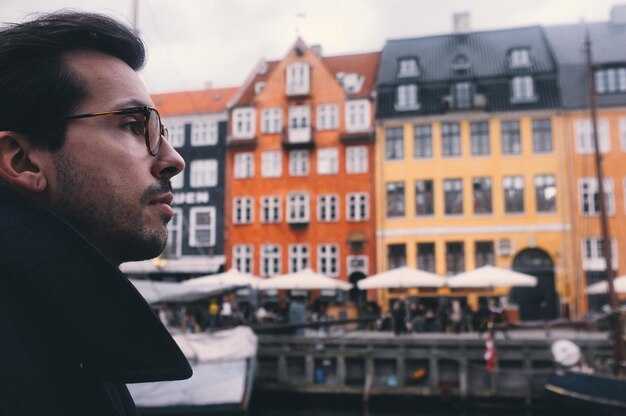 Welcome to Stockholm – Your Ultimate Guide to Sweden’s Capital and Highlights">

Plan two full days in central Stockholm and one day to explore the archipelago. Start from the central station area, then wander toward Gamla Stan for history-rich streets and a taste of european city life.
In Gamla Stan you walk cobbled lanes and feel history at every corner, from the Royal Palace to Stortorget. The area around the old town keeps you close to essential sights and makes transit from the central station quick; these multiple routes link the islands that connect Stockholm’s core to Djurgården, high on your list of first-day options. These streets always reveal history and a sense of compact elegance amid a big city.
On Djurgården you find the Vasa Museum and Skansen, two anchor spots that represent categories of Stockholm life: maritime history and a living open-air experience. The Vasa Museum houses the 17th‑century warship, salvaged in 1961, and remains among the most visited sites in the city; Skansen blends a zoo, Nordic crafts, and historic houses. These experiences create a european vibe in a single island setting with lake views along the promenades, which is popular with families and solo travelers alike. Stockholm blends the feel of cities with serene lake views.
Stockholm’s transit keeps you moving easily from the central transport hub at the station to anchor sights within walking distance. If you stay close to the core, Södermalm offers laid-back cafés, vintage shops, and water views. For runners, the waterfront paths along Norr Mälarstrand provide steady routes; be prepared for breezy weather and carry a map of contacts at your hotel. These recommendations help you focus on what matters in Stockholm’s island-and-lake setup.
To maximize your experience, combine central sights with islands discoveries, and reserve time for Skansen’s open-air stroll and lakefront views. Plan contacts with local guides to tailor routes by interest categories, whether you love history, architecture, or waterfront runs. Stockholm welcomes explorers who love practical planning and rich details, from the station area to quiet corners by the lake and parks.
Airport to City: Fastest and Cheapest Transit Options
Recommendation: Take the Arlanda Express to Stockholm Central for the fastest transfer; the ride is about 18-20 minutes and departures run every 15 minutes. A single adult ticket bought online is around SEK 310-320, with online promos sometimes saving a few tens. From Stockholm Central you’ll reach the central location quickly, and the trip is especially convenient for families and those carrying luggage. The Arlanda Express is accessible, full of seating, and the area around the airport offers plenty of one-stop-shops and a small gallery with rotating art that helps pass the wait. If you already know you’ll be in central Stockholm, this option reduces the care needed for transfers and keeps everything simple. For those new to city transit, the information desk offers short classes and learning leaflets to help you move confidently.
Fastest option
The Arlanda Express is the fastest transit link between the airport and the city; you’ll be at the central area in under 20 minutes, with high-speed comfort and frequent departures. It’s a high-quality service that suits visitors who love time efficiency and want a predictable ride for that year-round use. The value of speed versus cost isn’t equal, so consider a return ticket or a discount package if you plan multiple trips while you’re here.
Cheapest option
For lower costs, opt for the Pendeltåg regional rail from Arlanda C to Stockholm Central; expect a 40-45 minute ride and a price around SEK 106-140 depending on zoning. If you have an SL card, cost drops further, and the ride remains comfortable with accessible spaces for families and extra luggage. Another budget-friendly choice is Flygbussarna’s Express Bus to Cityterminalen, typically 45-60 minutes and priced around SEK 119-149; bookings online can yield savings and the service runs from early morning to late night, making it suitable for late arrivals. These options connect well with the area layout and let you begin your Stockholm exploration with little hassle, whether you’re traveling between terminals, meeting friends, or heading straight to your hotel. Stationen is a handy landmark for navigating to your accommodation, and the route through the area offers plenty of spots to grab a quick coffee or a beer before you dive into city life. Between the routes you’ll find plenty of learning opportunities for new visitors, and those with families can plan around following schedules and keep everything accessible.
One Day Plan: A Practical 24-Hour Stockholm Itinerary
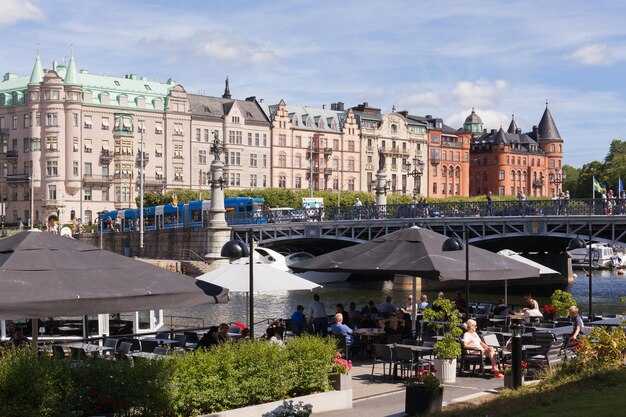
Begin at fotografiska when doors open to make the most of the morning light and the gallery’s exhibitions.
- Morning: fotografiska and a calm start
- Spend about 90 minutes exploring current shows; the space pairs bold images with a light-filled cafe and water views.
- Take photos, sip coffee, and plan your route while the city feels quiet–the station nearby may be empty before commuters arrive.
- Mid-morning: Historic core on the islands
- Walk to Gamla Stan, Stockholm’s historic district spread across several islands connected by bridges.
- See the Royal Palace, Stortorget, and narrow alleys that reveal centuries of changed façades and equal accessibility for pedestrians.
- Midday: Djurgården and key attractions
- Transit to Djurgården by tram or ferry; the island hosts major attractions on a scenic buffer between water and park.
- Visit the Vasa Museum to see the 17th-century warship; if crowds are heavy, skip lines with a timed ticket. Add a quick detour to Grona Lund if weather allows, or stay in the calm museum zone nearby.
- Afternoon: Culture mix and climate-conscious choices
- Return toward the city center and stop for lunch at a trendy, climate-conscious spot in Södermalm; try seasonal seafood or plant-based options.
- Explore a nearby gallery or street art in the area; this adds an additional cultural layer to the day.
- Evening: Views, neighborhoods, and transit ease
- Take a sunset stroll along Monteliusvägen for sweeping city views across the water and the historic center on another island orbit.
- Cap the night with a relaxed dinner in Norrmalm or a riverside restaurant, keeping transit plans simple for a smooth return to Central Station.
- Practical tips for a smooth 24 hours
- Stockholm’s transit network connects multiple islands; use a day pass to keep everything easy and accessible.
- If you fly in, consider airports transfer options early in the day to align with your first stop; a well-planned transit loop saves time and energy.
- Be flexible with a few additional stops; a short ferry ride or a quiet cafe can change the pace and help you discover hidden gems.
- If time is tight, it’s hard to fit every attraction, so prioritize your must-sees and let them guide the pace.
- Closing note
- For visitors, the city’s impact lies in compact design: from historic centers to modern galleries, everything is reachable with simple transit and careful timing.
- Whether you’re new to Stockholm or returning after a trip from dortmund or elsewhere, you’ll find an efficient rhythm that makes the day feel equal in quality for every traveler.
Gamla Stan Walk: Must-See Streets, Palaces, and Squares
Begin at Gamla Stan station and walk toward Stortorget, around which pastel façades glow in the summer sunlight. The first glimpse is the grand Royal Palace framed by narrow lanes, and the whole area feels like a living museum you can explore on foot.
Follow Västerlånggatan and Prästgatan between medieval churches and small shops, and make a stop at a hidden courtyard café. The path threads between old stone steps and friendly locals, revealing other museums, boutiques, and welcoming services along the way.
Turn toward Storkyrkan and cross toward Mynttorget, then walk down to the harbor edge where you can discover the city from nobelberget. The views show the balance of grand palaces and simple, everyday life.
Those who seek a longer stroll can connect this walk with a visit to Skansen on Djurgården, using the ferry or a short tram ride. This isnt a rushed detour; the route keeps you in equal measure between history and the present, with summer breezes and climate-friendly shade.
Summer sunlight lingers along the cobbles, inviting you to seek fresh angles among equal facades and the rhythm of the city, discover everything you can in this walk.
Djurgården Highlights: Vasa Museum, Skansen, and ABBA Museum Tips
Book a combined ticket through official sites for Vasa Museum, Skansen, and ABBA Museum to save time and skip lines. This trio sits on Djurgården, a green, central location in Stockholm, with easy moving between sites by tram or on foot. For a continued, smooth day, start at Vasa in the morning, then walk to Skansen, and finish at ABBA Museum. For other stops, consider a short ferry ride to the water’s edge and back.
Vasa Museum highlights the 17th-century warship Vasa, salvaged in 1961, and its compelling history of ambition and engineering. Plan 60–75 minutes to view the ship, the detailed exhibits, and the surrounding gallery. The location is on the fjord side of Djurgården and offers a lake view and nearby cafés; check the official contacts for current hours and accessibility options.
Skansen blends living history with nature, featuring around 140 historic buildings and a small wildlife park. Expect a 90–120 minute stroll, with guided tours available and interactive demonstrations along the way. The grounds are spacious, with plenty of green spaces, cafes, and restaurants nearby, plus views of the water and surrounding islands. The area around Skansen keeps a trendy balance of traditional crafts and modern eateries. If you want other options after Skansen, nearby Nordic Museum and Gröna Lund provide easy detours.
ABBA Museum delivers an interactive arc from the band’s early days to modern pop, with immersive exhibits and sound experiences. Secure timed slots to minimize waiting, and use the official contacts for accessibility details and group tours if needed.
Getting there is simple from central Stockholm: take tram 7 or a short ferry ride to the Djurgården quay. After your visits, loop back to the city center with plenty of restaurants and green spaces to choose from. If you arrive from finland, a ferry to Stockholm can be combined with a day on Djurgården, and you’ll have time for a relaxed dinner back in the city. This location is ideal for a concise, colourful snapshot of Stockholm’s culture, history, and music, and the following plan keeps your day efficient.
Fika Fundamentals: Best Cafés and What to Order
Start your fika with a kardemumma bulle and a strong coffee at Vete-Katten in the central area to get the vibe right. This historic bakery stays open early and remains welcoming to families, with a warm interior and sunlit corners in summer.
For big, memorable buns, head to Saturnus in the central-south area; the biggest kanelbulle in town draws a steady crowd. Pair it with a creamy latte while you stroll toward the city’s attractions and enjoy the lively mix of society and locals who talk shop about innovation and design.
Pom & Flora on the east edge of the city offers a lighter, modern option with available outdoor seating during long summer days. If you plan a boat ride or a walk along the waterfront, this spot makes a convenient stop to refuel with pastry and juice or a simple coffee. You can always find a quiet corner for families or solo visitors amid the high energy of the area.
Rosendals Trädgård provides a garden setting reachable by a scenic boat trip from the city center. The cafe offers fresh, seasonal pastries and tea, a good break after exploring nearby attractions or before heading back toward the city. Several locals appreciate the slower pace here, where sunlight filters through leaves and conversations about country life feel natural.
What to order and how to enjoy your fika
Order kardemumma bulle or kanelbulle with a robust coffee or latte. If you want something lighter, grab a pastry with a tea or juice; what’s offered changes with the day, so ask what’s new. Plan a small plate if you’re feeling sociable, or a simple pairing for a quicker break while you check contacts or their social pages for hours and weekend openings. The following tip helps: choose a cafe in the central area if you want easy access to the city’s major attractions, then map a route that includes a short harbor stroll or a boat ride between bites. Finland lovers often note how fika carries a distinct vibe in Sweden, a small but meaningful difference in the coffee culture across cities and countries, with Finland occasionally inspiring seasonal ideas. Always check what’s available and be ready to talk with staff about portions, seating, and any kid-friendly options, since many places welcome families and provide quiet corners for relaxed conversations.
Public Transport Mastery: SL Tickets, Passes, and Apps
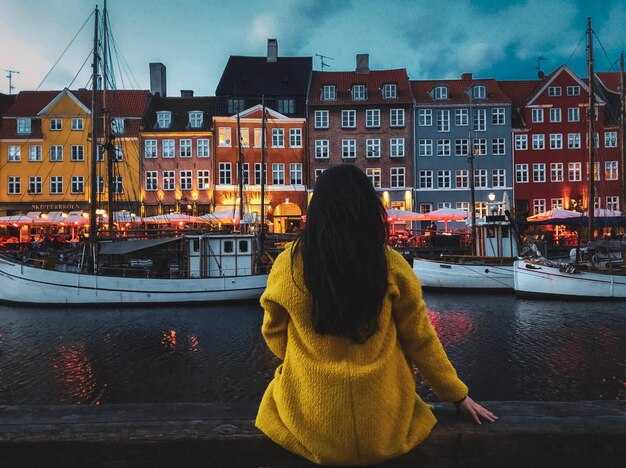
Buy a 24-hour SL ticket in the SL app as soon as you arrive to cover most city explorations. The app shows options for zone A, B, and C, the current price, and generates a QR code you present on buses, trams, or the metro. If you plan a longer stay, compare the 72-hour option or a weekly pass; this option often saves money and keeps you moving without hunting for tickets.
Stockholm’s transport system groups all travel under one badge. The SL app provides a collection of ticket types–from single rides to multi-day passes–valid on buses, trams, metro, and regional trains. If you ask what makes travel simple, it’s the single badge across all modes; this setup will give you predictability. The app explains any disruptions in real time. You can cruise from the heart of the capital to the biggest sights along the water, with convenient stops near a restaurant for lunch or a few drinks at trendy bars along the way. stockholm thrives on this accessibility, and locals arrived with routes that explains service options and avoid dead ends.
For families or groups, the app lets you manage multiple tickets in one session and plan journeys between housing clusters and city centers. For summer days with long evenings, or a march full of sightseeing, prioritizing the 24-hour or 72-hour passes usually yields the best value while keeping your schedule flexible.
Choosing the right ticket for your stay
If you stay in central Stockholm and mainly ride within AB zones, a 24-hour pass fits a day full of sights and meals. If you arrive with a plan to explore across several neighborhoods, the 72-hour pass often reduces cost per ride and covers weekends when transit runs late. The SL app explains service changes in real time, helping you adjust routes without losing momentum.
Practical context and what locals expect
This system has changed how residents move around. decision-makers designed the approach to be straightforward, with a single app and one QR code to scan. Locals arrive at transit hubs knowing they can hop between housing areas and the city center, from grand museums to a wonderful stroll along the water, without delays. stockholm’s neighborhoods, and the option to pay as you go, make the city feel welcoming year round, from march to summer and beyond.
Where to Stay and Eat: Neighborhood Picks for First-Time Visitors
Stay in Södermalm for your first Stockholm visit to experience beauty, cheerful energy, and true local life, with easy transit access to main sights and a vibrant gallery and café scene.
In Södermalm, choose a boutique hotel near Nytorget or Mariatorget to be steps from stylish restaurants, casual bistros, and parks like Tantolunden. The area blends European charm with modern creativity, so you’ll find exhibitions, pop‑up shops, and a continued sense of discovery year after year. For dining, sample share plates at small Nordic restaurants and linger over a coffee in one of the many sunlit cafés along the water, all within walking distance of the biggest transit hubs.
Gamla Stan, Stockholm’s oldest neighborhood, puts you in the heart of the city’s attractions, with narrow lanes, picturesque squares, and access to the Royal Palace and Storkyrkan. This location explains why many first‑timers choose it: you’re a short stroll from the city’s essential landmarks, a true hub for shops and cafés, and well connected to ferries and trains. Dining here ranges from cozy taverns to modern places offering fresh seafood and traditional Swedish plates, all surrounded by historic galleries and a year‑round calendar of events.
Östermalm and Vasastan offer a refined balance of beauty and practicality, with Humlegården near your doorstep and the Östermalm Food Hall a short walk away for fresh produce, seafood, and classic Swedish snacks. These neighborhoods provide elegant stays with easy transit to the rest of the city, along with parks for relaxed strolls and access to cultural attractions, including museums and curated collections that explain Sweden’s artistic heritage. Look for roomy, cheerful suites or stylish apartments that suit longer stays and offer a true sense of local life in the heart of the city.
| Район | Where to Stay (type) | What to Eat (sample ideas) | Transit Tips | Why Visit (highlights) |
|---|---|---|---|---|
| Södermalm | Boutique hotels near Nytorget or Mariatorget; stylish apartments along Hornsgatan | Casual Nordic spots, share plates, waterfront cafés; near Fotografiska exhibitions | Walkable districts; strong bus and tram lines connect to central stations | Creative energy, beautiful views, galleries and events clusters, parks nearby |
| Gamla Stan | Historic‑charm stays within the old town core | Cozy taverns, seafood corners, traditional Swedish dishes | Central Station access; easy ferries and frequent inner‑city routes | Royal Palace, Stortorget, Nobel Museum; compact, walkable, authentic feel |
| Östermalm & Vasastan | Elegant hotels and spacious apartments near Humlegården | Market Hall seafood, upscale cafés, classic Swedish staples | Excellent metro access; quick rides to museums and parks | Shops, parks, and formal galleries; refined vibe with strong transit links |
Комментарии