



 Русский
  English (UK)
  العربية
  日本語
日本語  한국어
한국어  Magyar
  Türkçe
  Español
  Čeština
  Svenska
  Português
  Ελληνικά
  Suomi
Suomi  Nederlands
  Română
  Italiano
  Français
  Polski
  Українська
  Deutsch
  简体中文
简体中文  Slovenčina

Choose a taxi that accepts mobile payments and card access to avoid fumbling with cash or coins. In japanese cities, most taxis use meters with clear destination boards, and you can board from staffed stands at major stations or on busy streets. Look for zones with clear signage, and plan ahead for sakura season when crowds rise and queues form.
Etiquette basics: greet with sumimasen или onegaishimasu on boarding, and please note that никогда block the aisle, keep voices low, and place luggage near the door rather than in front of the passenger seat. Drivers follow a professional code. They know their zones. After arrival, pay at the meter or with a card; the driver can allow card payment if the reader is available. Hours of operation vary, but many taxis in big zones accept contactless payments. If you walk to a stand, wear comfortable shoes.
Base fare starts around 410–430 yen in major cities like Tokyo and Osaka; the meter then adds about 80 yen for every roughly 237 meters. Night surcharges typically rise by around 20% from 22:00 to 05:00. An airport pickup may add a fixed fee depending on the zones you ride in; for instance, some routes from central Tokyo show a 1,000–1,500 yen airport fee. Always check the meter and note the final amount before you ask for change.
To navigate the city means you can rely on the meter, GPS, and driver familiarity. A taxi is a means чтобы достичь zones not covered by rail. You can show your destination on a phone screen or write it in kanji, especially when addressing япония addresses. Most mobile apps pair with a taxi fleet and offer real-time tracking so you know when boarding begins. This категория of service keeps access based in urban districts and connects hotels, stations, and business areas. The network of taxi firms, founded to standardize fares, is associated with major hubs.
Best practice: hail from a marked stand or queue rather than stopping any car that slows. In hours of peak demand, staff at major stands help you find a taxi that matches your means (standard sedan, hybrid, or larger vehicle). In zones near airports or stations, you may see specific signage or a fare board. If you use a mobile app, you can request the exact destination and a vehicle category in advance; this reduces waiting time and increases the chance of a smooth ride. note: always have the address written in the local script and provide landmarks if the driver is not familiar with your area.
In sum, plan around hours, expect meter-based pricing, and use a platform that provides access to payment options. In spring, sakura season can boost demand, so keep a buffer for longer waits in busy zones. If you travel with luggage, choose a larger car in the same категория and board from the curb to speed up the process. Always note the fare on the meter and don’t hesitate to ask for a receipt.
Taxi Etiquette 101: Greeting, Boarding, Luggage, and Seat Selection
Greeting and Booking
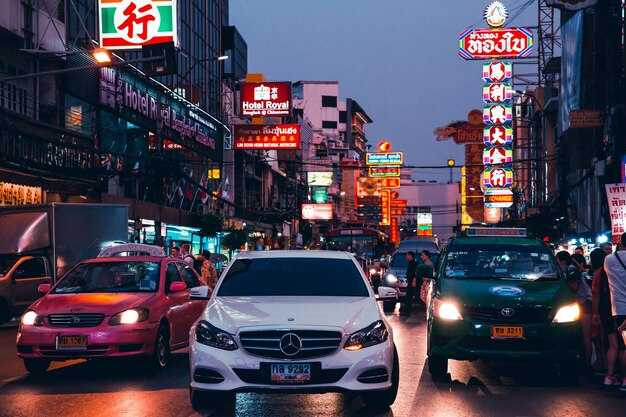
Greet the driver politely and present your destination and booking code or ticket before you sit. This simple action generally provides a smooth start to the ride and signals you’re organized, which helps the driver confirm the route and any stops in advance. If you’re using an app, display the screen clearly and point to the destination to avoid miscommunication. If you’re heading toward a ferry terminal or train stations, mention it so the driver can plan the best approach. In Japan, taxi services have a long history of courtesy; tipping is still uncommon.
Booking in advance via the official app or a station kiosk can be cheaper and saves waiting time; whatever your plans, this practice reduces friction and sets a practical tone for the ride.
Boarding, Luggage, and Seat Choices
When you approach, step from the sidewalk onto the curb and let the driver or the door signal you. Enter, fasten your belt, and keep the interior clear; if doors are automatic, simply wait for them to open and then enter smoothly. Place luggage into the trunk or luggage compartment first, with heavier items in first and lighter items staying within reach, to maintain efficiency during the ride.
In a standard taxi, the back seat is the preferred spot for privacy and safety; if you travel with a partner or group, the front seat can be used only if the driver invites you or space is tight. Keep bags off the front passenger seat unless invited, and avoid blocking the seating area during stops. If you have multiple stops, briefly discuss the route at the start to minimize detours and keep the experience comfortable for everyone involved.
How Taxi Fares Work in Japan: Metering, Airport Surcharges, and Toll Fees
Start your ride with the meter running and ask for a fare estimate to your destination (stationyou, hotel, or sights). This keeps you comfortably confident as you move along busy sidewalks, past river views and store fronts toward gourmet districts or iconic locations.
In Japan, taxi fares are transparent but vary by city and trip type. The following breakdown helps you plan quickly and ride with less stress.
- Metering basics: In Tokyo, the base fare is 410 yen for the first 1.052 km. After that, you pay about 80–90 yen for every 320 meters; waiting time adds roughly 20–30 yen for each 20 seconds when the car moves slowly or is stationary. A nighttime surcharge (often around 20%) can apply from roughly 22:00 to 5:00, depending on the city and company. Watch the meter as you move to see how the fare changes with distance and time.
- Airport surcharges: Narita airport taxis include a fixed surcharge of about 2,000–2,500 yen; Haneda airport taxis add roughly 1,000–1,500 yen. These are added on top of the metered fare and can affect the final ticket total by several thousand yen. If you’re heading to a hotel near the airport, add a cushion for these fixed fees.
- Toll fees: Expressway tolls appear as a separate line item. Short hops in central areas may add 1,000–2,000 yen, while longer routes to airports or remote destinations can push tolls higher, often 2,000–4,500 yen or more depending on the route you take. If you need to avoid tolls, ask the driver for a toll-free option, though it may increase travel time.
- Practical tips: If you hail a taxi from a busy station or along a sidewalk, verify the meter reading and ask for a fare estimate before you depart. Use input on a ride app to check the route and tolls in advance, and consider a backup plan if you’re budgeting for a gourmet night out or a time-sensitive reservation. For corporate or special travel, some accounts use codes like esquire5; confirm any rate or route details with your office or hotel beforehand.
Notes: The exact figures depend on the city, time of day, and traffic. For a reliable forecast, input your destination into a fare calculator before boarding, and consider fixed-route options if you want to minimize tolls or airport surcharges. If you’re traveling with a group or heavy luggage, you can request a larger taxi from the service’s app or desk for extra comfort and easier boarding, especially when heading to elevators or station areas where crowds are common.
Typical Taxi Costs by City: Tokyo, Osaka, Kyoto, and Rural Areas
Ride meters for predictable fares; youd avoid costly surprises, and in Tokyo a 3–4 km trip costs around 1,800–2,400 JPY, with time-based charges during traffic or late hours. This article offers concrete ranges to help you budget without guessing.
Токио: a typical short ride between central districts costs around 1,800–2,400 JPY. The base fare is modest, but time-based charges kick in when traffic slows or after dusk. If you want to compare options, a survey of riders via google-based apps shows most customers stay within this range for 3–4 km trips, with a 20% bump only during late-night hours. In this city, polite etiquette matters; sit in the back seat, greet the driver courteously, and hand over luggage at the entry if needed. sakura season can push demand near stations, nudging fares slightly higher, so be aware during spring.
Осака: expect roughly 1,900–2,600 JPY for a 3–4 km ride. Osaka tends to have a slightly higher starting fare and per-km charge than Tokyo, which translates into a few hundred yen more on typical routes. Time-based charges apply in slow traffic, and a receipt is issued upon arrival. If youd compare apps, you may notice minor variations by route, but the total stays within this range; plan around 15–20 minutes of duration for city-center hops. The etiquette remains friendly and courteous, matching the traditional service standards Japanese people value.
Киото: central trips of 3–4 km usually fall in the 1,800–2,500 JPY band, though tourist corridors near sakura and temple districts can edge toward 3,000 JPY during peak periods. Fares rise with distance and time in motion, and late-night durations add a noticeable premium. Youll often see fixed-entry kiosks at major stations, but most riders rely on meters. This city blends courteous, traditional service with clear point-to-point navigation, making it easy to receive a reliable price estimate before you enter the cab.
Rural Areas: starting fares are often around 430–500 JPY, but longer routes or winding roads push the total. A 3–5 km rural ride typically runs 2,000–3,500 JPY, with time-based charges amplifying long durations or slow traffic. Rentals or private taxi services may offer flat-rate arrangements for towns connected to larger stations, though they arent as common as in urban centers. In smaller towns, you may find kiosks at transit hubs to compare fares, and you should be aware that longer trips can become significantly more expensive if you cap routes or choose slower roads. Nozomi trains aren’t a substitute here; use a local taxi or a train-and-taxi combo to keep costs reasonable while sticking to reliable etiquette and predictable fares.
Paying for Taxis: Cash, Cards, IC Cards, and Receipts
Prefer IC Cards (Suica or Pasmo) for fast, cashless payment on most taxis, and carry some cash as backup. Across tokyos major stations and stands, drivers accept IC cards by tapping on the reader near the window; you’ll see the orange display confirming payment. If you pay with cash, use exact change and be prepared for a brief pause while the fare is tallied or change is prepared. Therefore, keep a small amount of cash on hand for the rare taxi that cannot read a card.
Cash, Cards, and IC Cards: How to Pay
Cash remains universal, but IC Cards are increasingly common. Look for the IC card reader on the dashboard; tap your card to pay the fare and you’ll receive a confirmation on the screen. For credit cards, many taxis carry a contactless reader with logos such as Visa or Mastercard; if you’re not sure, ask before you start. Cities at major stations and hotel stands often display accepted options; signs with an orange accent can signal card acceptance. The fare includes a base amount plus distance and time. IC Card payments use the same fare, but you avoid handling cash. If a taxi cannot read your card, switch to cash as a reliable option. A typical starting fare is around 410 yen, with increases based on distance; plan accordingly. When you arrive at your destination, you can tip only in cash where tipping is allowed, though not common in Japan. In tokyos, you’ll find a mix of partner fleets and independently owned cabs, but the best approach is to confirm payment options at the start. Disabled-accessible taxis are available at many stands; mention accessibility needs when you book or pick up.
Receipts, History, and Tips for a Smooth Ride
Request a receipt at the end of the ride; most taxis print one, and apps may provide a downloaded receipt you can save to your phone. For business travel, this makes expenses straightforward since you can add it to your report or share it with a partner. If you paid with an IC Card, your balance or trip details appear in the card’s history when you check the app or reader; you can download a summary if your app supports it. Keep the receipt to track the fare, route, and time, especially when you travelled through busy stations. Where you board matters: taxi stands at stations are reliable and faster than hailing on busy streets, and the right vehicle for accessibility or luggage needs is usually available. If you require a delivery option or a specialized service, confirm availability with the dispatcher; some fleets offer additions, though it’s not standard. This approach helps you stay confident and makes every ride smoother, and it also helps you stay organized for expenses or future visits, even if you’re new to tokyo’s taxi scene.
Ferries in Japan: When to Take a Ferry Ride, Popular Routes, and Booking Tips
Book ahead for peak routes to secure seats and a stress-free ride. Arrive at the location a little early to pass through turnstiles and reach the boarding door. Use the official application or trusted booking apps to reserve seats, and follow clear location signs at stations to navigate quickly.
Popular Routes
Tsugaru Kaikyō Ferry links Aomori and Hakodate across the Tsugaru Strait; the crossing runs about four hours and operates several times daily, including day and night sailings. Miyajima route from Miyajima-guchi to Itsukushima Island takes roughly 15–20 minutes, perfect for a short visit to Itsukushima Shrine and the village around the harbor. Uno Port to Naoshima crossing in Okayama Prefecture lasts around 40 minutes and lets you combine art installations with a coastal stroll. From Fukuoka, a short hop to Shikanoshima provides a quick coastal break before returning to the city. Vietnamese travelers often plan these hops as part of broader trips, pairing ferries with trains on the mainland to stay flexible and relaxed.
Советы по бронированию
Check hours and seating options in advance; some departures fill up, so plan to arrive at the station early. For a stress-free experience, reserve by application and choose a cabin or deck seating that suits your group. If a sailing shows as occupied, switch to another departure or date. In busy seasons, aim for midweek schedules and off-peak hours, and call ahead if you have special needs or a larger party. At the station, use the doors designated for boarding and keep your order confirmation handy; staff can assist if you get lost or lines are long. For a smoother, location-aware experience, allow a little extra time for transfers between terminals, then move on to the next stop and, if desired, visit nearby sites such as hachimangu temples before continuing your trip. Ordering tickets through the application or at the counter remains the simplest route for most travelers.
Комментарии