



 Русский
  English (UK)
  العربية
  日本語
日本語  한국어
한국어  Magyar
  Türkçe
  Español
  Čeština
  Svenska
  Português
  Ελληνικά
  Suomi
Suomi  Nederlands
  Română
  Italiano
  Français
  Polski
  Українська
  Deutsch
  简体中文
简体中文  Slovenčina
  Japan’s Tourism Industry Transitions Toward Sustainable Growth Amid Rising Visitor Numbers">

Tourism in Japan: A Double-Edged Sword
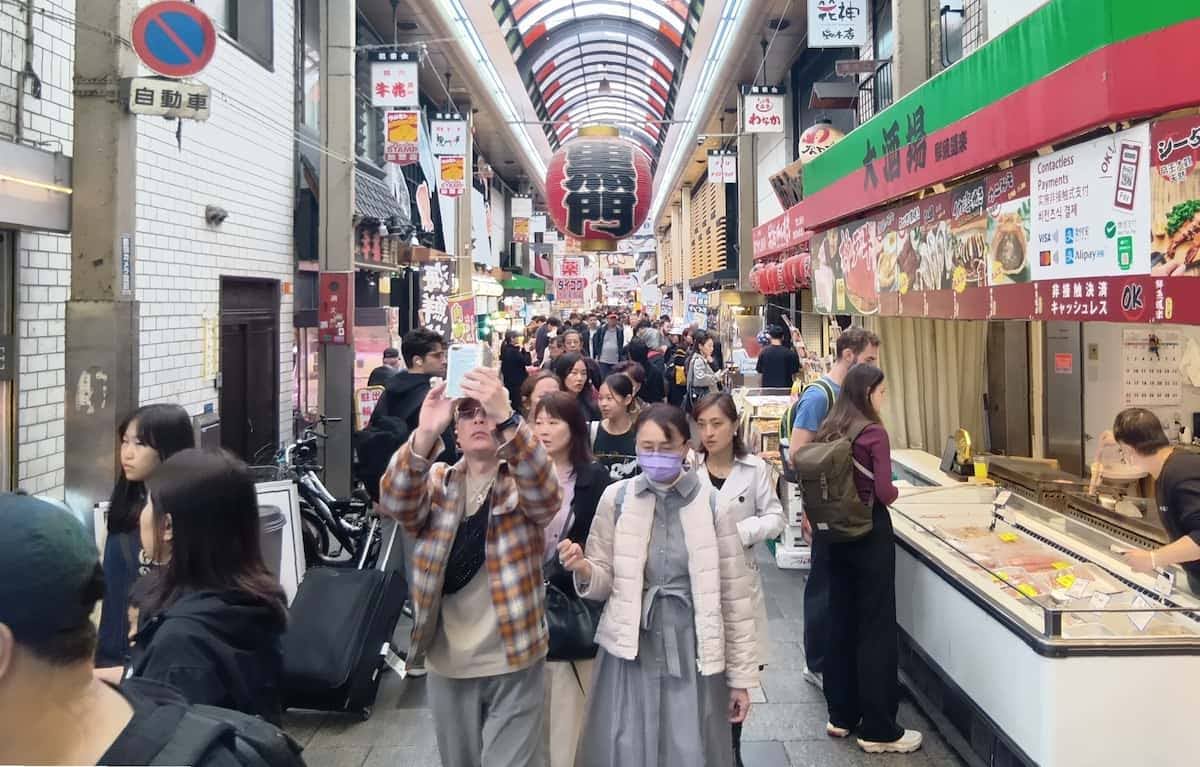
Japan has seen an impressive surge in international visitors, setting new records with over 31 million tourists arriving between January and September of 2025—a 17.7% hike from the previous year. This boom, while economically beneficial, is creating crowded streets, overwhelmed public spaces, and environmental pressures in well-loved destinations like Osaka, Kyoto, and Wakayama Prefecture.
What started as a robust “spending spree” by tourists—primarily purchasing Japanese electronics and luxury goods—has gradually morphed into a trend dominated by more budget-conscious travelers. These low-cost inbound tourists, while contributing to the overall visitor numbers, tend to spend less per capita and sometimes exhibit inconsiderate behaviors that strain local communities.
Changing Visitor Behavior and Spending Patterns
The once high-spending tourist has given way to travelers who are more cautious with their money. Total tourism spending by foreigners hit a record ¥6.9 trillion ($44.2 billion) in the first nine months of 2025; however, average expenditure per visitor has steadily declined since 2022. For example:
| Year & Period | Average Spending per Visitor (¥) | Average Spending per Visitor ($) |
|---|---|---|
| April–June 2025 | 237,000 | 1,518 |
| July–September 2025 | 219,000 | 1,403 |
Luxury goods sales and transport spending have decreased, while a larger portion of the budget now goes towards accommodation fees at new hotels, which can be quite pricey. Interestingly, the rush of tourists to supermarkets to grab discounted meals hints at this shift toward frugality and experience over extravagance.
The Rise of Experiential Travel
Many visitors now prioritize unique experiences instead of purchasing high-end products. For instance, local markets in cities like Osaka continue to attract tourists, but prices for some offerings, such as curry udon with beef cutlet or salmon nigiri, often remain steep compared to supermarket alternatives. This trend points to a growing desire for cultural and culinary immersion, though it simultaneously challenges businesses that had adapted to heavier spending patterns pre-pandemic.
Impact on Local Life and Environment
The swelling tourist crowds are more than just an economic metric; they bear heavily on residents’ daily lives and the urban environment. Overcrowding at key sites, such as the railway crossings near Kyoto’s Fushimi Inari Shrine, frequently causes movement bottlenecks, while popular pilgrimage routes in Wakayama have seen tourist numbers explode to the point where emergency services face accessibility issues.
Challenges with Overtourism
- Strains on infrastructure and public transport
- Disruption of daily activities for locals
- Environmental degradation, including waste and noise pollution
- Risk of cultural commodification and loss of authenticity
Government Moves Toward Sustainable Tourism
Given these pressures, Japanese authorities are considering measures to rebalance tourism growth with long-term sustainability. One such proposal involves tripling the international tourist tax to ¥3,000 ($19). The collected funds would support initiatives aimed at mitigating overtourism and also reduce passport fees for Japanese citizens, signaling a focus on citizens’ interests and sustainable development.
The New Tourism Paradigm: Quality Over Quantity
The government’s aim to reach 60 million visitors by 2030 is accompanied by a crucial pivot: emphasizing качество of tourism over mere volume. Encouraging higher spending per visitor through enriching experiences, sustainable practices, and improved services reflects a growing recognition that unrestrained growth can be detrimental. This approach aligns with global trends favoring sustainable tourism, which carefully balances economic benefits with social and environmental responsibilities.
Why This Matters for Travel Transfers
With Japan’s travel landscape evolving, the role of reliable and tailored transfer services becomes even more important. Efficient, convenient, and eco-conscious transportation options help reduce urban congestion and enhance traveler experience. Platforms like GetTransfer.com offer travelers the ability to choose exact car models, verify driver credentials, and view comprehensive vehicle details ahead of time—making every trip as smooth as possible in busy cityscapes affected by tourism pressures.
How Japan’s Tourism Trends Affect Transfer Planning
- Higher demand for airport and city transfers: More visitors require seamless rides between airports, hotels, and destinations.
- Preference for private, flexible transportation: Experience-seekers often opt for personalized transfers instead of crowded public transport.
- Focus on sustainability: Eco-friendly vehicle options align with Japan’s emphasis on reducing tourist footprint.
Key Takeaways and Future Perspectives
Japan’s booming tourism industry is at a crossroads, moving away from sheer visitor numbers toward a model that prizes sustainable growth and meaningful experiences. Overcrowding, changing spending behavior, and environmental worries have spotlighted the need for smarter tourism policies and infrastructure. Systems prioritizing visitor quality, local community wellbeing, and environmental care are gaining traction across the country.
Platforms like GetTransfer.com perfectly complement such shifts by offering travelers a transparent, convenient way to book transfers with confidence—choosing from a global fleet of verified providers at competitive prices and picking vehicles that best suit their needs and budgets.
Заключительные размышления
While reviews and data offer valuable insights, nothing compares to firsthand experience. On GetTransfer.com, travelers can select private cars and drivers from trusted companies worldwide, ensuring reliable, tailored service without unpleasant surprises or unnecessary costs. The platform’s easy-to-use app and clear fare information make booking transfers to airports, hotels, or other destinations a breeze—helping you get the most from your travels in vibrant cities like Osaka or Kyoto.
Start planning your next adventure with transfer options that combine convenience, affordability, and an extensive vehicle selection. Get the best offers GetTransfer.com.
As Japan adapts its tourism policies toward a sustainable future, these changes remind the global travel community of the importance of balancing growth with responsibility. GetTransfer.com remains committed to keeping pace with these evolving trends, offering travelers worldwide reliable transfer services that respect communities and enhance every journey.
Комментарии