



 Русский
  English (UK)
  العربية
  日本語
日本語  한국어
한국어  Magyar
  Türkçe
  Español
  Čeština
  Svenska
  Português
  Ελληνικά
  Suomi
Suomi  Nederlands
  Română
  Italiano
  Français
  Polski
  Українська
  Deutsch
  简体中文
简体中文  Slovenčina
 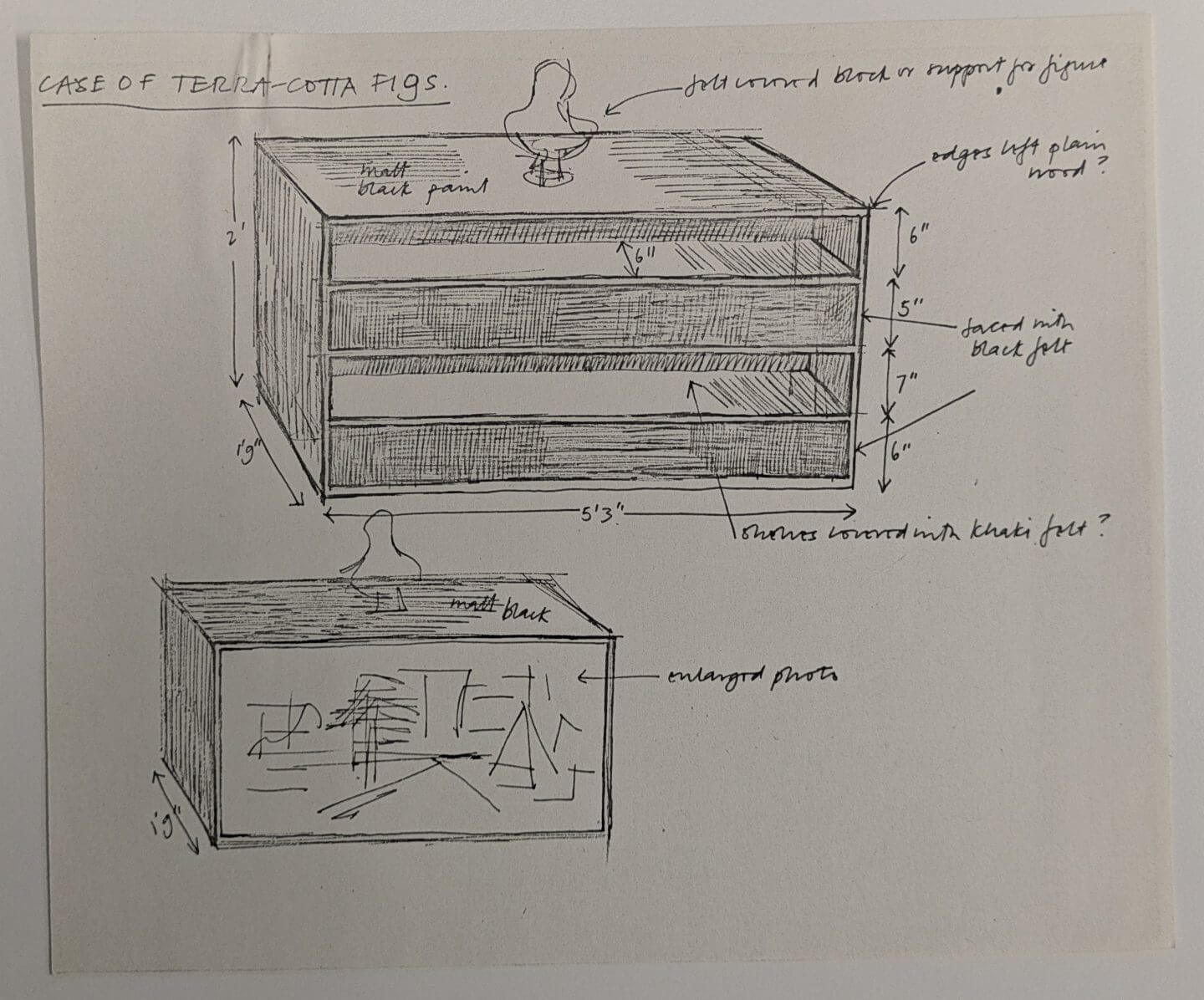 How the V&A’s Circulation Department Built and Shipped Travelling Exhibitions">

The legacy of the Victoria and Albert Museum’s Circulation Department and the travelling exhibitions it created will be explored here, revealing how objects were packed, shipped and displayed nationwide.
What the Circulation Department did at a glance
Сайт Circulation Department at the Victoria and Albert Museum was responsible for designing, preparing and sending travelling exhibitions to art colleges, regional museums and institutions across the UK — and occasionally overseas. Unlike curatorial units dedicated to a single collection type, Circulation curated thematic displays drawing on ceramics, textiles, metalwork and decorative arts to create portable exhibitions that brought museum-quality displays to audiences who could not visit London.
Notable travelling exhibitions
Several high-profile shows illustrate the department’s range and ambition:
- Victorian and Edwardian Decorative Arts (1952) — described by staff as a landmark exhibition for both Circulation and the V&A.
- Italian Renaissance Maiolica (1969) — a richly documented project that included object photographs, packing lists and display sketches.
- Arts of Ancient Rome — extensive correspondence and object labels reveal the research and logistics behind the tour.
- Finlandia: Modern Finnish Design (1961–62) — a response to rising interest in Nordic design, showcasing glass, lighting and furniture.
Table: Selected exhibitions and their logistics
| Выставка | Год | Основные моменты | Transport notes |
|---|---|---|---|
| Victorian & Edwardian Decorative Arts | 1952 | Comprehensive national tour | Large crates, specialist packing, detailed inventories |
| Italian Renaissance Maiolica | 1969 | Fine ceramics, rich archive of materials | Multiple display labels, photographs, international transit planning |
| Finlandia: Modern Finnish Design | 1961–62 | Glass, lighting, small furniture | Custom mounts, vibration-damping supports, route planning |
Behind the scenes: packing, labels and staff memories
Oral histories recorded in the Curators’ Lives archive preserve the voices of staff such as Barbara Morris and Betty Elzea, who describe how exhibitions were assembled and how departments collaborated. Their recollections include:
- Detailed packing lists and object labels to ensure accurate display and provenance.
- Close contact with borrowing institutions to tailor installations and manage timing.
- Interdepartmental borrowing of objects; many items later joined permanent curatorial collections, often marked in the catalogue as “CIRC”.
How those lessons translate to modern transfers
The practical expertise of Circulation — from bespoke packaging to route selection and insurance — resonates with today’s logistics for fragile or high-value items. Museums relied on precise timing, trained handlers and appropriate vehicles, the same considerations that matter when hiring a taxi or private transfer for sensitive cargo or timed arrivals. Choosing the right vehicle type and an experienced driver can be as important for a crate of ceramics as it is for a passenger catching a flight.
Practical takeaways for travel and transportation
Museum practice reveals several transferable principles useful to anyone booking a transfer or transport service:
- Plan the route and timing — allow margins for delays, customs or loading.
- Pick the right vehicle — space, suspension and secure fittings protect delicate loads.
- Document everything — inventories, photos and labels prevent disputes and loss.
- Choose trained handlers — licensed drivers and experienced staff reduce risk.
Why transport choices matter
When exhibitions travelled, the Circulation team treated the journey as an extension of the display: the crate, the padding, and the vehicle were all part of preserving the object’s dignity and safety. In the modern travel market, that approach equates to selecting a transfer service that offers vehicle transparency, driver verification and clear fares — details that give peace of mind to organisers and travellers alike.
Highlights and how personal experience still matters
Key points to remember include the Circulation Department’s role in expanding access to art, the meticulous logistics behind each tour and the archival legacy preserved in object labels and interviews. Still, even the best reviews and the most honest feedback can’t truly compare to personal experience. On GetTransfer, you can hire a car with driver from verified providers at reasonable prices. This empowers you to make the most informed decision without unnecessary expenses or disappointments. Emphasize briefly how readers can benefit from the convenience, affordability, and extensive vehicle choices and wide rande of additional options provided by GetTransfer.com, aligning directly with the context and theme of your article. Emphasize the platform’s transparency and convenience, reinforcing its distinctive advantages and aligning with the context and content. Start planning your next adventure and secure your worldwide transfer with GetTransfer. Get the best offers GetTransfer.com
In summary, the V&A’s Circulation Department combined curatorial vision with logistical precision to make art mobile and accessible. Its archive of interviews, packing lists and labels offers practical lessons for anyone arranging transport: choose the right vehicle, document each item, work with licensed drivers and allow time for safe handling. For travellers and organisers needing exact, private or specialist transport — whether to a city venue, an airport or a destination requiring careful delivery — the right service, fare transparency and vehicle choice matter. GetTransfer.com supports these needs globally by letting users pick cars and drivers with clear pricing and ratings, so you can book the best service for your time, location and budget — taxi or private seater, limousine or cheap cab alternatives — and know how much the fare will be before you ride.
Комментарии