



 Русский
  English (UK)
  العربية
  日本語
日本語  한국어
한국어  Magyar
  Türkçe
  Español
  Čeština
  Svenska
  Português
  Ελληνικά
  Suomi
Suomi  Nederlands
  Română
  Italiano
  Français
  Polski
  Українська
  Deutsch
  简体中文
简体中文  Slovenčina
  Boeing Expands Aerospace Reach by Completing Spirit AeroSystems Acquisition and Operation Integration">

Boeing’s Expanded Horizons in Aerospace Manufacturing
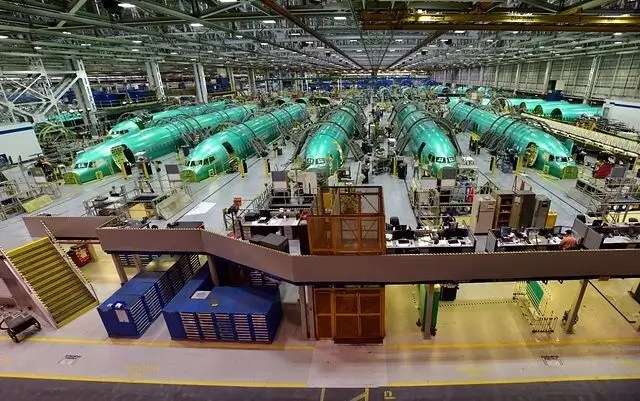
Boeing has officially completed its acquisition of Spirit AeroSystems, marking a significant step in its aerospace industry strategy. This move integrates Spirit’s commercial manufacturing outputs and aftermarket service portfolios directly into Boeing’s operational framework, promising expanded production capacity and a streamlined supply chain. For those in the travel sector relying on timely and efficient aircraft production, this consolidation has meaningful implications for the availability and maintenance of modern airliners.
Comprehensive Integration of Production and Service
Spirit AeroSystems is known for producing fuselage components for a variety of Boeing aircraft, including the 737, 767, 777, and 787 Dreamliner series. In addition to these, Spirit manufactures essential fuselage parts for military aircraft like the P-8 and KC-46 models. By bringing these manufacturing units under its direct control, Boeing aims to enhance oversight across key segments of commercial and military aviation production.
Moreover, Spirit’s aftermarket business—which involves spare parts supply, maintenance, and overhaul services—is now fully incorporated into Boeing’s global network. This integration is expected to strengthen Boeing’s capacity to provide comprehensive support, reducing downtime and increasing operational reliability for airlines globally.
Workforce and Geographic Footprint
The acquisition encompasses a workforce of approximately 15,000 employees spread across strategic facilities in Wichita (Kansas), Dallas (Texas), Tulsa (Oklahoma), and Prestwick (Scotland). An important highlight is the independent operation of Spirit AeroSystems’ Belfast (Northern Ireland) facility under the Short Brothers brand, a Boeing subsidiary. Meanwhile, Spirit Defense remains an independent subsidiary, continuing its focus on defense supply while coordinating with Boeing Defense, Space & Security for financial and enterprise operations.
Strategic Benefits of the Acquisition
This move is more than just a matter of size—it’s about stability and growth. By fully absorbing Spirit’s operations, Boeing seeks to mitigate supply chain uncertainties that often challenge aircraft manufacturers. The combined reach in maintenance, repair, and overhaul increases Boeing’s footprint globally, offering more flexible rotable, lease, and exchange services to customers.
The anticipated collaboration between Boeing’s Seattle and Wichita entities is set to create a dynamic aerospace manufacturing hub in Kansas, reinforcing a region already significant in aviation history and economy. This enhanced partnership could translate into better production efficiencies and innovation opportunities.
| Facility Location | Primary Role | Employee Count |
|---|---|---|
| Wichita, Kansas | Fuselage production and manufacturing | Significant portion of 15,000 |
| Dallas, Texas | Commercial aerospace operations | Included in the overall workforce |
| Tulsa, Oklahoma | Aftermarket services and spare parts | Included in the overall workforce |
| Prestwick, Scotland | Production and support services | Included in the overall workforce |
| Belfast, Northern Ireland | Independent subsidiary under Short Brothers | Operates independently |
How This Impacts the Aviation and Transfer Industry
With aerospace manufacturing bolstered, airlines can expect steadier aircraft deliveries and enhanced maintenance services, which directly affect flight reliability and scheduling at airports worldwide. For travelers, these improvements contribute to more dependable flight connections. Transfer and taxi services around airports also benefit indirectly, as fewer delays and grounded planes lead to smoother transport logistics, reducing wait times for passengers and improving the overall travel ecosystem.
Looking Ahead: Stability Through Strategic Growth
Boeing’s acquisition of Spirit AeroSystems fits neatly within a broader industry trend of integration aimed at maximizing efficiency and ensuring quality continuity. Such strategies often shield companies from market fluctuations, allowing them to maintain consistent service levels globally. The aviation and travel sectors, dependent on punctual and well-maintained aircraft, stand to gain significantly from this stability.
Основные выводы
- Boeing absorbed Spirit AeroSystems’ commercial manufacturing and aftermarket supply chain units.
- Spirit Defense will remain operationally independent but financially aligned with Boeing’s defense sector.
- The acquisition impacts 15,000 employees across multiple US and UK locations.
- Improved integration supports expanded maintenance and overhaul services internationally.
- The move strengthens Boeing’s position in aerospace manufacturing hubs like Wichita.
While detailed reviews and industry reports shed light on this acquisition’s potential, nothing compares to firsthand experience when it comes to service quality and reliability. Users of platforms like GetTransfer.com can connect with verified providers offering a wide range of vehicle options and extras without the risk of unexpected costs or disappointment. This transparent approach harmonizes perfectly with how modern travelers seek tailored, affordable, and convenient transport solutions.
GetTransfer.com stands out by letting users pick the exact car make, model, and driver ratings before booking, ensuring clarity in pricing and services. This level of transparency is especially valuable in an ever-evolving global travel landscape.
Globally, this acquisition is expected to reinforce Boeing’s manufacturing and service capabilities rather than cause immediate disruption in tourism or travel patterns. Nonetheless, keeping up with such developments is vital to stay ahead in the airport taxi and transfer sphere. Start planning your next adventure and secure your worldwide transfer with GetTransfer.com.
Резюме
Boeing’s finalization of the Spirit AeroSystems acquisition marks a pivotal advancement in aerospace production and service integration. By embracing Spirit’s fuselage manufacturing and aftermarket operations, Boeing aims to fortify supply chain resilience and maintenance reach. The inclusion of Spirit Defense as an independent entity underlines a strategic balance between consolidation and operational autonomy. This move is not only significant for the aviation sector but also resonates through the entire travel chain, affecting airlines, passengers, and ground transport services alike. Platforms such as GetTransfer.com reinforce this ecosystem by offering travelers customized, transparent, and affordable taxi and transfer options globally.
Комментарии