
Our Best Madrid Tips - How to Plan the Perfect Trip
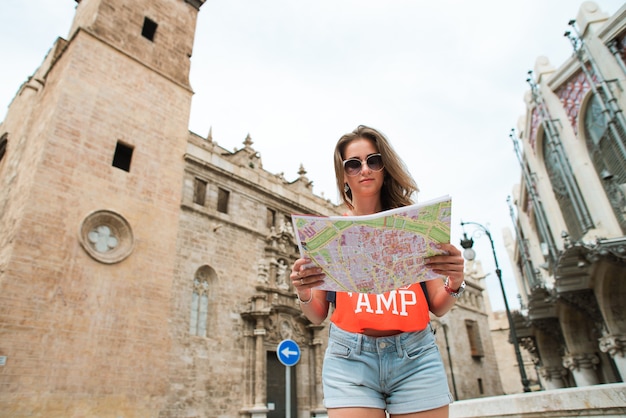

Choose a central base and then structure your days around three anchors: neighborhoods, meals, and easy rest moments. Staying in chueca or the surrounding area cuts long transfers and lets you linger on evenings in lively streets. This approach lets you enjoy your holidays with plenty of time for spontaneous discoveries.
Build your itinerary with a loop that includes major highlights and quiet corners, including a river cruise for variety. In chueca, Malasaña, and Lavapiés you taste traditional tapas, modern bites, and seasonal menus. Pack a small bag with a charger and plan for wifi access; a reliable wifi and network keep you connected to maps and reviews. Carry a guide that highlights existing deals at museums and galleries, and notes the best times to visit without crowds. The day can close with a short cruise on the Manzanares to add a different scene.
Handle transport by having your transit card activated before you arrive or at the airport, then you can ride the metro and buses with ease. If you plan a day trip, book early and look for combo tickets that pair a monument visit with a nearby market. Search for mushroom tapas and traditional spots along your route to keep meals memorable, and use free wifi in public spaces where available to stay on track. Then, compare existing offers from museums and tours to balance your budget and experiences.
Finish with a flexible plan that lets you adjust to the mood and weather. The scene shifts from daytime galleries to evening foyers and rooftop views. Include a mix of deals on tours, a guide to offbeat corners, and time to enjoy a coffee in a quiet square. If you've enjoyed holidays before, you know to pace days, sip coffees, and let the city reveal surprises as you go beautifully.
Choose the Right Month: Madrid weather, crowds, and events by season
May and October are your best bets for a balanced Madrid visit: mild temps, moderate crowds, and lively streets without the summer heat or holiday rush. If you haven't booked yet, pick a long weekend in May or October to test the rhythm and refine your plans for trips.
Spring and fall: the sweet spot
- Weather stays mild (around 20–24°C) with sunny spells, ideal for outdoor dining on roof terraces and strolls along historic streets with tiled façades.
- Crowds stay manageable in museums before lunch; popular neighborhoods like Sol and Malasaña buzz on weekends without the heavy summer crush.
- Holidays and events brighten the calendar: San Isidro in May brings parades and live music; autumn hosts cultural festivals and open-air performances.
- Dining options flourish, with veggie dishes widely available and tapas spots near central squares offering easy pickups before sunset.
- Practical planning: booking ahead for must-see tours; cluster sights to save steps and map routes by railway to day trips around the region.
- Logistics: rent a local card or SIM, keep a spare cell charger, and use pickups for easy transfers from the airport; martin at the hotel desk can help with transit options.
- Disclaimer: hours shift around holidays; always verify opening times and book in advance to avoid lines.
Summer and winter: plan for heat or chill
- Summer tip: start early, seek shade, and reserve seats at popular dining spots; many rooftop venues offer a breeze, but booking ensures a sunset view.
- Winter tip: cooler days (roughly 5–12°C) make indoor museums and markets the best bets; rest days in cozy cafés are a pleasure with veggie options.
- Food scene: Lavapiés and La Latina offer varied choices, including vietnamese stalls for a quick lunch on the go.
- Transport: Madrid’s metro and Cercanías routes keep the city moving; consider a reloadable card and plan weekend trips with a reliable provider for day trips out of town.
- Weekend rhythm: weekends draw crowds to main sights, so aim for early slots and leave room for a relaxed stroll along the sunset-lit riverfront.
- Booking and holidays: spring and autumn weekends can fill fast, while holidays like Christmas bring special markets–book a couple of experiences and leave space for spontaneous wandering.
- martin note: if you need guidance on routes, martin from the concierge can suggest efficient loops and day trips by rail or road; pickups can be arranged via the hotel or a trusted provider.
Draft a Flexible 5- to 7-Day Madrid Itinerary by Pace and Priorities
Base your stay at a vincci hotel in central madrid and keep a flexible plan on your smartphone for each day. Pin two core neighborhoods–chueca for evening strolls and malasaña for daytime exploration–and use a comfortable route that keeps you within easy reach of sol and gran vía, plus other places close by. Save backup options in viator for tours and markets, and keep a separate plan for veggie-friendly meals and coffee stops that fit budget-friendly days.
Choose a pace that matches your priorities: if you love museums, pair two-hour blocks with a 90-minute coffee break; if markets are your beat, reserve mornings for markets like san miguel, san antón, and el rastro on Sundays. This approach keeps plans flexible that adapt to energy levels. For a comfortable rhythm, plan a light morning and a richer afternoon, with a wind-down in chueca or lavapiés for an atmospheric evening.
Day-by-day skeleton: Day 1 begins near sol and plaza mayor, with lunch at a budget-friendly cafe, followed by a stroll through el retiro and a relaxed evening in chueca. Day 2 concentrates on art: prado in the morning, reina sofía in the afternoon, with a veggie lunch and a coffee stop near atocha. Day 3 dives into markets and neighborhoods: morning at san miguel market, a quick wander through lavapiés, and an atmospheric sunset near gran vía. Day 4 offers an optional day trip booked via viator to a nearby town; keep a light plan in case you prefer a slower pace. Day 5 pairs a longer museum morning with a triana vibe tapas night and a comfortable night back at vincci before a final stroll along puerta del sol. Day 6 is a flexible buffer day for shopping, additional markets, or a lazy brunch. Day 7 departure, with a last coffee and a plan for next madrid visit.
Keep currency needs simple: withdraw cash in central neighborhoods to avoid fees, compare prices, and track daily spend to stay budget-friendly. Use mobile maps offline to save data, and note a few places so you can decide next plans that afternoon without pressure.
Before you head out, set a quick rhythm, download offline maps, and stash a small notebook for notes on places you loved. With this setup, madrid reveals new options that fit your pace and priorities.
Flight and Arrival: Find Cheap Fares to Madrid and Plan Airport Transfers
Book flexible fares 6–8 weeks ahead and set price alerts. If you are traveling from mexico, international options with a single stop often hit a sweet spot for price and reliability. MAD flights from major hubs generally land in a broad range; expect about 350–600 USD round trip from the U.S. and 450–800 USD from mexico in off-peak months, with variations by season and airline partners. Add luggage-inclusive options to dodge extra fees. Madrid-Barajas's arrivals halls hint at architecture and historic stones and brick façades that mark the route into town.
On arrival, keep transfers simple. The Metro from Aeropuerto T4 to central Madrid runs about 30–40 minutes with a single interchange near Nuevos Ministerios; a transit card makes payment easy and reduces per-ride cost. Renfe Cercanías offers a smoother rail link to Atocha in roughly 25 minutes. The first walk into the city center sets the mood. Taxis and private transfers deliver door-to-door service in 25–35 minutes when traffic cooperates, with typical fares around 25–35 €. For larger groups or lots of luggage, a pre-booked private transfer can save stress. Madrid's architecture greets you at the terminal and continues along the road into the center, where towers rise over historic stones and decorative façades. If you travel with family or a lot of luggage, you should opt for a private transfer for ease. Keep your cell phone charged for maps and updates.
Vegetarian options abound in Madrid; you can dine well near central markets and plazas. Taste authentic bites near market stalls to fuel days of exploration. In the evening, stroll hotspots and enjoy decor blending modern design with old stone façades, a signal of the city's layered history. Central Madrid allows long walks along broad avenues and narrow lanes, with plenty of cafes and market stalls. Think of a three-part plan: day one explore the heart from Sol to Gran Vía; day two visit museums and royal squares; day three wander through Malasaña and Lavapiés. These days bring new gems and colors. Martin, a local driver, felt a pre-booked plan keeps you in the moment rather than chasing traffic. Then head toward a plaza for a fountain moment. Keep a flexible pace and let the road guide you toward sunset over a plaza fountain.
Where to Stay: Neighborhoods in Madrid for First-Time Visitors
Stay in Centro for your first Madrid trip if youve got a 3-day window: Sol, the Royal Palace, and Gran Vía are within walking reach, near the core sights, with fast metro options for longer hops.
Choose a white-wall hotel or bright apartment in Centro to wake refreshed after long days. Being close to Puerta del Sol or Gran Vía saves many transfers.
Malasaña delivers budget-friendly stays with a lively café culture and street art. Typical prices range from 60-120 EUR per night; 3pm check-in is common, which helps you unpack before a night stroll. youve got a quick ride to Sol by scooters.
La Latina suits tapas lovers and flamenco fans; you can stroll to Plaza de la Paja and San Francisco el Grande, then hop on scooters to a quiet park in Retiro. Lavapiés offers multicultural bars and affordable stays near villapanes and pilatos streets for a budget-friendly base.
Retiro area provides calm mornings and park access; after a flight into Barajas, the ride takes about 25 minutes to a maestranza-adjacent hotel for a quick check-in and an easy morning stroll. Salamanca brings upscale options; prices generally sit around 130-180 EUR per night, so book early to lock in value.
For experiences, getyourguide lists tours near central hubs; opting for guided walks or flamenco shows helps you explore local life. If youve arrived by flight, consider a plan that saves transit time; turn your plan into a compact, 3-day itinerary: you can walk, ride scooters, or take the metro to cover most sights.
| Neighborhood | Best For | Typical Price (EUR) | Transport Tips | Notes |
|---|---|---|---|---|
| Centro / Sol | Walking access to iconic sights | 120-180 | Walkable core; Metro Lines 1-3 | Prime location, higher rates |
| Malasaña | Budget-friendly stays, nightlife | 60-120 | Tribunal/Noviciado stations | Vibrant cafés and street art |
| Lavapiés | Multicultural vibe, value options | 50-110 | Lavapiés stations | Near villapanes, pilatos streets |
| La Latina | Tapas, flamenco ambience | 70-130 | Short rides to Sol; walks to plazas | Historic lanes and lively bars |
| Retiro | Calm mornings, park access | 75-140 | Retiro / Alameda stations | Great for families and walkers |
| Salamanca | Upscale service, shopping | 130-180 | Velázquez / Núñez de Balboa lines | Bright, newer hotels and boutiques |
Food and Drink: Build a Tapas-Focused Route and Must-Try Dishes

Begin at Mercado de San Miguel for a perfect tapas starter, then walk through La Latina to chase vibrant small plates. Pickups at a few stalls let you sample patatas bravas, croquetas de jamón, jamón ibérico, and boquerones without overfilling. Check timetables for late-serving counters and plan a post-dinner stroll near the prado for a digestif. Install a simple note system to track personal favorites and prices; youve got a flexible part of your travelling itinerary, with major options for spanish dining and some luxury bursts within an urban walk. A compact guide helps compare flavors across stops, and some counters sell small plates quickly, so pace yourself. Some menus update automatically, reflecting changes in prices and portions. Incredibly, this part of the trip stays lively and adjustable during your evening wandering, which is ideal for tourists seeking a lively, nuanced food scene.
Route and Stops
Route and Stops: Begin in La Latina on Calle Cava Baja to feel the flagstone pulse, then drift toward Lavapiés for spiced peppers and vermouth, finally glide toward Huertas and end near the prado with a digestif. The route stays compact and walkable, within easy reach of a dozen tapas bars that mix traditional Spanish staples with modern twists. For a smoother rhythm, pre-map two or three must-stop bars and note current prices; most tapas run about 2–4 euros and plates range 6–10 euros. Travelling with friends works nicely here because you can split small plates and keep pickups quick, while the latina energy and lively counters keep the mood upbeat. Some spots even offer a italy nod with an aperitif, and similar small-plate setups across the block, adding a hint of Italian flair without leaving the neighborhood. If your flight back is late, you can stretch this route into a relaxed night.
Must-Try Dishes and Order Tips
Patatas Bravas serve thick, crisp potatoes with a smoky, slightly spicy tomato sauce and a dollop of aioli; order two portions to share across a couple of bars and time them to keep a steady pace. Croquetas de Jamón deliver creamy centers and a crisp shell; expect 2–3 euros per piece. Tortilla Española provides a hearty wedge with onion and potato; plan one slice per person, roughly 4–6 euros per portion. Calamares a la Romana bring a crunchy ring with lemon; three to four pieces per stop at 4–7 euros total. Boquerones en Vinagre offer bright, cold fish with olive oil and lemon; count on 4–6 euros for a small plate. Pimientos de Padrón are worth sampling when you spot them, about 3–5 euros. Pair any round with a vermouth or a light white to maintain balance, especially during the late-evening hours when tourists thicken the lanes.
Move Around Smartly: Madrid Metro, Buses, and Walking Shortcuts
Use a contactless cards and ride the Madrid Metro for fast, budget-friendly moves. The networks connect central hubs like Sol, Gran Vía, and Atocha, letting you live your Madrid days with minimal waits. This isnt about rushing; it's about smart planning. Pack light clothes for summer heat and keep a compact map in your hand for easy lookups.
Metro Mastery
Buy a reusable cards (or a digital option) and tap in at the turnstiles; expect rides around €1.50–€2 per trip, with better value on a multi-trip option. Check timetables in the morning; service runs roughly from 5:30 until 1:30, and late trains appear on weekends. For a smart idea, plan a day around three to four quick hops: Sol to Gran Vía, Gran Vía to Retiro, then a short cross-town move to an art-filled day. The manor district hotels located near these lines offer easy access to the city center. If you want a scenic add-on, a brief cruise along the Manzanares river is possible in summer. Special5 offers exist on getyourguide, so look for combo passes that include trains connections and city sights. Martin, a local guide, confirms this approach saves time and money; it’s a handy way to navigate the networks without losing momentum.
Walking Shortcuts & Buses
Walking between Sol, Plaza Mayor, and the heart of Gran Vía often beats a bus during crowded hours; plan 15–25 minute strolls along terraces with frequent coffee breaks. If you must cover larger gaps, EMT buses fill the gaps and accept the same cards; schedule depends on traffic, with night buses running after midnight to serve crowds. For a practical comparison, walking plus a short bus hop can be faster than a long metro ride in peak hours. If a metropolitan day includes flamenco shows, evenings drop you near plazas with lively terraces and food options that range from meat dishes to vegetarian bites. Look up live routes and timetables, and check getyourguide for guided options that align with your day. Luisa, a boutique owner near Puerta del Sol, shares her favorite routes and quick checks to make the day smoother.
Online Tools and Offline Maps: Best Travel Resources for Madrid Planning
Download offline maps for Madrid before you go. A little setup saves lots of data and helps you navigate the moment you land. This approach made planning smoother and gave you deeper insights into neighborhoods right away.
Last spring, we took a test route across the center using offline maps and city guides, which helped tighten our plans across Lavapiés, Malasaña, and La Latina. Luisa, a local tipster, checks the moment of peak crowds and adjusts routes to keep your day on track. Streets were crowded at midday, so plan accordingly.
Smart online planning tools for Madrid

- Google Maps: build a city plan, save offline areas, check live transit, and share plans with your group for easy checking and tweaks.
- Citymapper: the most reliable Madrid routes across metro, bus, and bikes; use it to compare times, transfers, and delays across days.
- Rome2rio: map flights, trains, and buses between Madrid and nearby spots; compare options and take the best value, especially when flights and trains feel similar.
- Flight searches (Skyscanner, Kayak): check flights into Barajas and align them with your city plans; in-app transactions can simplify booking.
- Some apps sell add-ons that unlock premium offline packs–weigh the value before you buy.
Offline maps and how to use them on the ground
- Maps.me: download Madrid's map and navigate across Sol, Retiro, and the border of Retiro Park without data, great for a little detour after a long flight.
- OsmAnd: customize with bookmarks for neighborhoods like Lavapiés, Chueca, and La Latina; use offline search and a compass for deeper orientation.
- Locus Map: export routes and track progress; store city plans offline and reuse them later when you’re moving into narrow streets.
- Scooters and rooftop routes: plan a day around scooting between neighborhoods, ending at a rooftop bar with a view of the city.
- Authentic cuisine routes: map a little culinary circuit through Lavapiés and La Latina to taste authentic dishes and local snacks.
If you’re coming from italy, these tools help you sync flight times with ground plans and reduce last-minute scrambling. Simply check the moment you land for the easiest route into the city center, then adjust as crowds shift across Sol and Gran Vía. When you’re choosing where to go, narrow your options with distance and walking time, making smarter plans across the day. Really, this setup makes your Madrid trip better and easier to manage. Thanks for reading, and comment with your favorite tool or a tip you’ve tried.


