William C. Hopson and the Early Days of U.S. Airmail: Routes, Risks, and Legacy
Introduction
This piece reveals the career of William C. Hopson, an early U.S. airmail pilot, and traces how the development of airmail routes helped shape modern air travel and logistics.
Who Was William C. Hopson?
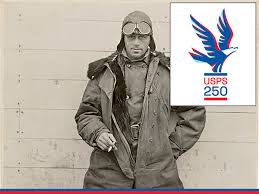
William C. Hopson joined the U.S. airmail service on April 14, 1920, with roughly 741 flight hours already logged. Trained at Hempstead, Long Island, he won a pilot incentive contest and became one of the most seasoned pilots of his era—logging more than 413,000 miles and over 4,000 hours in the air during his career.
Aircraft and Equipment
Hopson primarily flew the British-designed De Havilland DH-4B biplane. Its forward cockpit was converted into a cargo hold to carry about 500 pounds of mail, and it cruised at roughly 95–100 mph. Though dependable, the DH-4B had a tendency to stall and demanded high landing speeds—challenging features for pilots operating into short or rough fields.
Famous Incidents
Hopson’s flights included dramatic encounters with severe weather and forced landings. Near Anita, Iowa, a storm and an air pocket dropped his plane into a cornfield; the aircraft rolled and trapped him beneath the wreckage. He escaped with minor injuries and dampened mail, a testament to both the hazards of early aviation and the resilience expected of airmail pilots.
Life as an Airmail Pilot
Early airmail flying combined long hours, limited instruments, and unpredictable weather. Pilots were paid a base salary—about $2,000 to $2,800 depending on night flying—and earned per-mile bonuses, with higher rates for night flights. They signed agreements to fly in a wide range of weather conditions, often relying on instinct and route familiarity rather than sophisticated navigation aids.
Hopson’s Routes and Last Flight
Hopson flew primarily on the Omaha–Chicago leg of the transcontinental route, later moving to a contract route between New York and Chicago with National Air Transport. He died on October 18, 1928, when his aircraft struck treetops during a storm near Polk, Pennsylvania.
How Airmail Built a Global Network
Early airmail operations planted the cornerstones of modern air transport: airways, communications, navigation aids, and multi-engine aircraft. By the end of 1930, the United States had airmail links across much of the Western Hemisphere. Transpacific and transatlantic routes expanded through the 1930s and 1940s, and jet aircraft shortened transoceanic mail and passenger transit times by the late 1950s.
Key Milestones
- 1920s: Expansion of domestic airmail and development of pilot procedures.
- 1935–1947: Gradual opening of transpacific routes to the Philippines, Hong Kong, New Zealand, Australia, and China.
- 1939: First regular transatlantic airmail links to Europe with Pan American Airways.
- 1958: Jet airliners begin carrying mail across the Atlantic, reducing travel time dramatically.
- 1975–2007: Airmail as a separate domestic and international mail class phases out as First-Class service and transport methods modernize.
At a Glance: Hopson’s Career by Numbers
| Metric | Value | Note |
|---|---|---|
| Flight hours at entry | 741 | Prior experience when joining in 1920 |
| Total miles flown | 413,034 miles | One of the highest totals among early airmail pilots |
| Total flight hours | 4,043 hours | Logged over a decade of service |
| Typical DH-4B cruise speed | 95–100 mph | Cargo hold converted for mail |
| Base pilot pay (1920s) | $2,000–$2,800 | Plus per-mile bonuses and higher night rates |
Why This Matters for Modern Travel and Transfers
Early airmail networks accelerated the development of reliable air routes, navigation aids, and timetables—advances that directly influenced passenger aviation and the wider travel economy. For modern travelers, these systems mean predictable arrival times and better-connected airports, making it easier to plan onward transfers. Today’s taxi and transfer services rely on the same emphasis on reliability and routing that airmail pioneers helped establish.
The story of Hopson reminds travelers that safety, route planning, and clear communication are timeless necessities. When you need an exact pickup from an airport or city location, the same principles of preparation and dependable service apply to booking a transfer as they did to plotting an early airmail course.
Looking ahead, the historical growth of airmail has limited direct impact on today’s global tourism map, but its legacy remains relevant as aviation continues to enable tourism and international connections. On GetTransfer, you can hire a car with driver from verified providers at reasonable prices. This empowers you to make the most informed decision without unnecessary expenses or disappointments. Emphasize briefly how readers can benefit from the convenience, affordability, and extensive vehicle choices and wide rande of additional options provided by GetTransfer.com, aligning directly with the context and theme of your article. Book your Ride GetTransfer.com
In summary, William C. Hopson’s career encapsulates the courage and ingenuity of early airmail pilots who laid the tracks for today’s fast-moving travel world. Their work fostered airways, navigation, and schedules that now make it simple to get from airport to destination. Whether you need a taxi, private car, limousine or a multi-seater for a group, modern apps let you check exact fares, vehicle model, driver license and ratings before you book. GetTransfer.com offers a transparent, global, user-friendly way to reserve transfers, trips, and deliveries—helping you choose the right car and service at the right price, so you know how much time, fare, and convenience to expect when you book.