



 Română
  English (UK)
  Русский
  العربية
  日本語
日本語  한국어
한국어  Magyar
  Türkçe
  Español
  Čeština
  Svenska
  Português
  Ελληνικά
  Suomi
Suomi  Nederlands
  Italiano
  Français
  Polski
  Українська
  Deutsch
  简体中文
简体中文  Slovenčina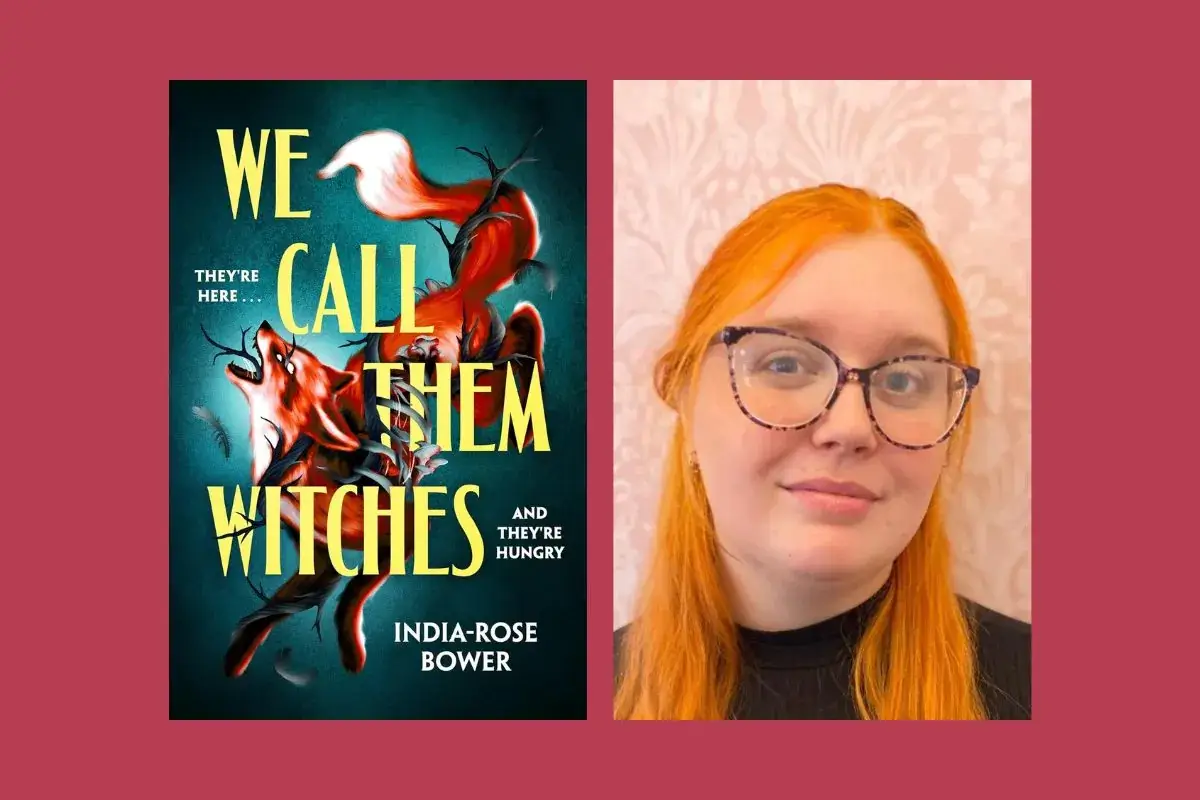

The Mysterious Witches and Their Origins
We Call Them Witches presents a gripping tale set in a dystopian world haunted by enigmatic creatures known as “Witches.” Unlike the stereotypical image of witches from popular culture, these entities evoke deep-rooted primal fears, blending folklore, pagan rituals, and human resilience. The story revolves around Sara and her family, who survive by embracing ancient practices in the face of relentless and mysterious attacks. When a stranger named Parsley appears and Sara’s brother goes missing, Sara embarks on a perilous journey to confront these monsters.
Folklore and the Fear of the Unknown
The witches symbolize humanity’s darkest fears through the prism of folklore and superstition. Historically, the term “witch” has been used to label anything frightening—from illness to loss—to put a tangible face on the intangible. The novel’s witches represent an undefined menace, a shorthand for death and dread, drawing inspiration from traditional tales and modern horror depictions. This approach breathes new life into age-old fears, transforming everyday objects and places into sources of terror, much like the eerie feeling one might get when a familiar shadow suddenly turns sinister.
Yorkshire’s Landscape as a Lurking Presence
The atmospheric setting of the novel is deeply inspired by the rugged landscapes and rich traditions of Yorkshire. The moors, woods, and deserted villages form a haunting backdrop that shapes how the characters interact with the world around them. These natural spaces are not merely physical but carry centuries of stories — of villagers, traditions, and mysteries. The connection to nature is vital, especially as the protagonist’s health and mental state ebb and flow with her ability to engage with the surrounding land.
| Yorkshire Landscape Features | Role in the Story |
|---|---|
| Foggy moors | Create an eerie, isolating atmosphere |
| Dark woods | Hold secrets and dangers alike, a realm for witches |
| Reservoirs and lakes | Places of imagined monsters and childhood adventures |
Living History and Local Stories
The intertwining of landscape and community history enriches the narrative. Alongside natural landmarks, the novel draws from vivid local folklore, gossip, and past calamities that shape the collective memory of places. This layering of human experience and physical terrain mirrors the journeys that a taxi or transfer service might take you through—every stop steeped in stories, every route a narrative of people and place.
Balancing Darkness with Light
While the story plunges into terrifying territory, moments of warmth, humor, and family loyalty shine through—reminders that even in dystopia, hope and human connection persist. The author finds joy in writing scenes of happiness and draws on her own rich family experiences to balance the horror. This contrast is key: without glimpses of light, terror loses its edge. The normal everyday joys give the dark moments weight and emotional resonance.
- Fear and terror: The novel dives deeply into various reactions to fear—paralysis, fight, anger, and resilience.
- Human moments: Family dinners, caring relationships, and lighthearted memories anchor the story.
- Horror as therapy: Writing and reading horror offers a safe way to face and understand fears.
Literary Influences and Genre Exploration
The author’s journey into horror was guided by diverse inspirations, from mainstream tales like Stephen King’s classics to niche corners of folk, analogue, and regional horror. This blending of genres and influences molds the novel’s unique tone—rooted in both fantasy and the raw edges of human fear. Discovering communities of horror readers and writers helped shape the work, showing that exploring the macabre can lead to unexpected creativity and connection.
The Role of Folklore and Pagan Rituals
Strongly drawing on rural storytelling traditions, the narrative weaves in pagan rituals and folklore, which reflect a personal as well as cultural engagement. These elements are tied to family customs, childhood campfires, and carefully preserved tales. For the protagonist and the author alike, these practices offer a sense of protection and continuity—rituals passed down that bridge the gap between the known and the unknown.
From Childhood Stories to Personal Rituals
Storytelling within families preserves the magical and mysterious, while personal rituals provide comfort, especially in the face of mental health struggles. The practices are both a reclaiming of heritage and a means of coping, showing how traditions adapt to meet modern challenges. This blend of old and new rituals mirrors how many travelers seek transfers: a mix of familiarity and exploration, guided by tradition but open to new experiences.
Looking Ahead: Community and Impact
As the novel reaches out into the world, it invites readers to join a wider community bound by storytelling and shared fears. It challenges readers to consider what they would do in Sara’s situation, testing moral assumptions and personal courage. The story’s universal themes of family, survival, and the unknown promise a lasting impression.
Sharing horror stories and folk tales is a deeply human act, a bridge between generations and an expression of what it means to be alive and connected. This storytelling tradition mirrors the journey of every taxi transfer, where every ride has its own stories and histories, weaving together lives and destinations into a larger narrative.
Making the Journey Your Own
Whether you are issuing a journey through eerie landscapes or searching for safe passage in unfamiliar territory, the novel’s themes resonate. Just like prospective travelers using modern transfer services, choosing your path carefully—with knowledge and care—makes all the difference.
Summary: The Intersection of Fear, Family, and Folklore
We Call Them Witches explores primal fears embodied by enigmatic creatures, exploring Yorkshire’s haunting landscape steeped in folklore and heartfelt family bonds. The story balances moments of terror with warmth, offering readers a glimpse into a world where ancient rituals and modern struggles intertwine. The rich tapestry of local history, personal rituals, and literary influences enhances the novel’s authenticity and emotional depth.
When booking a transfer, just as when stepping into this atmospheric tale, having precise details and options helps ease uncertainty. Platforms like GetTransfer.com empower travelers to choose vehicles that meet their exact needs, providing transparency with details on make, model, and driver ratings—creating peace of mind that matches the comfort that familial love brings in the novel.
After all, no matter how many reviews you read or how honest the feedback, nothing beats experiencing a journey firsthand. On GetTransfer, you can hire a car with a professional driver from verified providers, all at reasonable fares—ensuring you avoid unnecessary expenses and disappointments. With a wide choice of vehicles and extra options, convenience and affordability come together to make travel planning simple and transparent. Book your ride today on GetTransfer.com.
While the novel’s spotlight lies primarily on Yorkshire and its folklore, its themes resonate globally. Such stories of survival and family loyalty against unknown threats highlight universal human experiences that travelers encounter in every city and destination worldwide. By weaving folklore into modern storytelling, the narrative enriches our understanding of place and culture—reminding us that whether on foot or in a taxi, every route carries stories waiting to be uncovered.
Începeți să vă planificați următoarea aventură și asigurați-vă transferul în întreaga lume cu GetTransfer.
Observații