



 Română
  English (UK)
  Русский
  العربية
  日本語
日本語  한국어
한국어  Magyar
  Türkçe
  Español
  Čeština
  Svenska
  Português
  Ελληνικά
  Suomi
Suomi  Nederlands
  Italiano
  Français
  Polski
  Українська
  Deutsch
  简体中文
简体中文  Slovenčina

Time Saver: Book a pickup or hotel shuttle to the arrivals curb—this helps you sidestep taxi queues and gate confusion. If you prefer public transit, the metro is the budget-friendly choice, but keep in mind you’ll need a short transfer from the airport area and some extra travel time.
Terminal Layout for Travelers: Terminal 1 and Terminal 2 each have separate check-in zones, but clear signs guide travelers toward security and gates. In both terminals you’ll find large food courts, reliable Wi-Fi, and easy access to baggage claim. The placement of escalators and seating areas helps you move efficiently, and staff can point you to the right airline counter if you need assistance. Your travel route depends on your arrival time.
Baggage and Reservations: Use self-check kiosks to reserve seats or lounge access; there are several great options in both terminals, including quiet zones near the gates. Keep essential items in a small bag next to your carry-on so you’re not searching during security, and take advantage of the large duty-free selection that opens early.
Getting Around After Landing: Rideshares and authorized taxis line up at the curb; many travelers rely on them for predictable pricing. From the Buenavista station, you can catch the metro to reach central Mexico City. The route passes the Zócalo area and other historic districts; plan for traffic, especially during peak hours, whether you’re traveling solo or with family.
Today’s Reality: Many travelers arrive with reservations in hand but still need to locate their vehicles or rideshare pickups. If you’re visiting Mexico City, consider a short stroll along the coastal-inspired cafés near Reforma before your next flight.
MEX Terminal 1: Check‑in, security lanes, and baggage drop
Arrive 3 hours before international flights and 2 hours before domestic ones at MEX Terminal 1. Use self-service kiosks to print boarding passes and bag tags, then head to baggage drop to minimize queuing. This smart and practical approach saves time and keeps you moving through the terminal; knowing what to expect helps you stay calm, and it’s doable even on busy days. This plan offers plenty of comfort for travelers.
Check-in and Bag Tagging
Here are three steps to speed up the process. Self-service kiosks line the central hall on Level 1, beneath the glass roof. If you have a card linked to your airline profile, you can pull up your booking in seconds and print a bag tag. If you need help, counters are staffed, but expect longer lines during busy hours. The advantage of kiosks is speed and flexibility; check-in is faster during off-peak times. After tagging your bag, place it on the conveyor belt and proceed to security.
Security Lanes
The security area is along the main corridor; expect long lines during peak and popular hours. Have your liquids packed in a single clear bag, remove laptops, and keep your passport and boarding pass handy. On busy weekday mornings, queues can be long; at other times, you’ll get through faster. If your airline offers a dedicated or expedited lane, you can use it; otherwise, standard lines apply. The area is lively—a bustling hub of people moving toward the gates. Stay steady and move with purpose. Before security, prep your items to speed things along.
Baggage Drop
After check-in, head to the baggage drop zone near the main hall. Staff will scan your bag tag and route bags onto the conveyors. If you’re traveling carry-on only, you can skip this step. For larger bags, arrive at least 60 minutes before international departures or 45 minutes before domestic flights to ensure your luggage makes it on board. If you’re traveling tomorrow, plan accordingly and allow extra time for possible queues. At the information desk, staff can point you to the correct baggage belt and answer questions. For today’s travelers, this path saves time and helps you reach your gate stress-free—with careful planning and a calm pace. This option is sure to help many travelers.
MEX Terminal 2: Check‑in, security lanes, and baggage drop
Arrive at Terminal 2 at least two hours before domestic departures and three hours before international flights. With your ticket in hand, head to your airline’s designated check-in zone and use the self-service kiosks to print boarding passes and attach luggage tags. From there, you can proceed to the luggage drop and check any bags you don’t want to carry through security. Signs are clearly posted in English and Spanish, and staff are available at every step to assist you. If you’re traveling with others, consider making a quick plan to split up and tackle different lines to save time—especially on Sundays, when crowds tend to grow. Have your information ready to keep queues moving smoothly, and you’ll breeze through this part of your trip with minimal stress.
Check‑in flow
Enter Terminal 2 and choose the counters or kiosks marked for your airline. The best option for speed is to use the self-check-in kiosks—use them if you have a ticket or e-ticket. Have your passport or ID, ticket, and any visas ready. At the counters, present your boarding pass and confirm your seat; if you’re traveling with others, you can coordinate with the agent to check in everyone’s documents in one go, saving you valuable minutes. If you need to keep certain items in your carry-on, be aware of restrictions and dispose of any prohibited items before you reach security to avoid delays. After check-in, in most cases you’ll proceed directly to the luggage drop or the security corridor, depending on where your airline directs you. Flight information and current queue lengths are displayed, so you can estimate how long the process will take.
Security lanes and baggage drop
There are three main security lanes at the Terminal 2 entrance: standard, priority for premium passengers, and a lane optimized for families with children; their frequency adjusts based on passenger volume. At security, present your boarding pass and ID, remove large electronics, and place your carry-ons on the conveyor belt. Use the bins to dispose of any prohibited items, and keep bulky items out of your pockets to speed up the process.
There is a dedicated baggage drop near the security area for checked luggage, and you can see the belt number on the screen before you proceed. If you’re arriving or departing by car, you can use the clearly marked drop-off and pick-up lanes at the curb, which include separate zones for taxis and ride-hailing services. These routes help you avoid unnecessary detours, allowing you to get through the drop-off area in just minutes.
Before moving on, make sure you have all essential documents and any additional information handy to share with staff if needed—this helps reduce back-and-forth and keeps things flowing smoothly. On Sundays, crowds can make lines longer, so try to arrive early and take advantage of faster lanes when available.
Interterminal Transfer: Walking routes and transfer times between T1 and T2
Take the Interterminal Connector as your first option between T1 and T2. This amazing, affordable walking route keeps you inside the airport, so you avoid external transport and extra fees. The path is airport-operated, well marked, and takes about 15 minutes at a comfortable pace—10 to 12 minutes for brisk walkers and up to 20 minutes if you’re traveling with heavy luggage or lots of bags. This route is well known by frequent travelers for its consistency and ease, making it ideal for next-day connections or quick transfers when timing is tight. See the details below to plan your transfer and to explore the two practical routes available along with their conditions.
- Route overview: Start at T1 in the central concourse, follow the Interterminal Transfer signs toward the connector, and walk the flat, covered corridor to T2. The distance is around 1.2 km, with clear floor signs and occasional seating along the way.
- Route options: Route A goes straight via the main Interterminal Connector corridor; Route B adds a short detour through a secondary concourse area to enjoy brighter lighting and additional rest spots. Both routes end in T2’s departures hall.
- Estimated times: About 12–18 minutes at a normal pace; 10–12 minutes if you move briskly; up to 20 minutes with family or lots of luggage (a lot of equipment).
- Practical notes: The walk works well even with big crowds, offers ample shade inside the connector, and is accessible for strollers and wheelchairs. Also, some wayfinding decals include Puebla area references to help with orientation.
What to expect on the interterminal walk
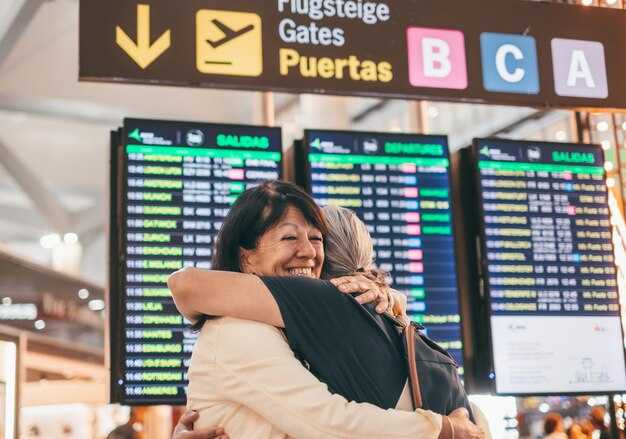
Signs clearly indicate “Interterminal Transfer” and guide you along a single, straight corridor. The atmosphere is well known for its predictable conditions: clean, well-lit, and staffed with helpful personnel if you need assistance. This method reduces transfer times and offers a stress-free experience—ideal for travelers who want to quickly see their options between T1 and T2. If you’re early, you might enjoy a calm journey with little wait; if you’re tight on time, move briskly and check the details on the signs to avoid hesitation. For a closer look at the route, keep an eye on nearby signs and the location markers near the Puebla area displayed on the floor maps.
Practical tips and timings
- No ticket is required for this interterminal transfer; you stay within the airport’s internal transfer zone.
- Remember to allow extra time in your planning (around 5–10 minutes more) if you’re traveling with kids or heavy bags; this helps you stay on schedule and prevents stress during your journey.
- If you need assistance, Frida and Felipe at the information desks are known to help quickly with directions and signage; they can point you toward departures and well-known locations in each terminal.
- During busy periods, be prepared for crowding near peak times; otherwise, the estimated travel time remains stable, and the route stays safe and very convenient for transferring.
Location details: Start at Terminal 1 central concourse, follow the Interterminal Transfer signage, and end in Terminal 2 departures or arrivals depending on your next gate. Conditions such as weather do not affect the covered connector; however, brief open-air segments may influence comfort if you take a short detour for photos. This well-known and widely used option offers an efficient and familiar experience for many travelers; watch for signs for directions and details, and don’t forget to plan for tomorrow or early the next morning depending on your schedule and plans.
Ground Transportation: Getting to the city, rideshares, and taxis
Official taxis and fixed rates
Take an official taxi from the airport’s fixed-rate desk to the city center; it’s the simplest and most predictable option with upfront pricing. At Terminals 1 and 2, follow signs to the Authorized Taxi counters; an agent assigns a driver and prints tickets with the exact fare. The desks—located near baggage claim—display the fare for each zone. Typical fares to the Centro Histórico range from MXN 250–320; to Polanco, MXN 320–420. Rates are zone-based and shown at the desk, not influenced by traffic conditions. You can pay with cash or card where accepted, and keep the ticket until you arrive.
If you’re heading directly to a specific destination, tell the desk your direction and address, and they’ll confirm the best route. For comparing fares across locations, data-destination-countrymexique helps align quotes; you can reserve a ticket or arrange a simple transfer. Your ticket is printed at pickup, and if you like, you can grab a quick dessert at a café on the way.
Rideshares and alternatives
Rideshare apps—maybe Uber, DiDi, Beat—offer curbside pickup at the arrivals area. Open the app, enter your destination (for example, Centro Histórico, Roma, or Condesa), and compare price estimates and ETAs. Typical prices to Centro Histórico range from MXN 180–300; to Polanco, MXN 260–450. Surge pricing may apply during busy times. Thanks to live tracking, you can see the car approaching and won’t worry about getting lost; if needed, you can re-route mid-trip. Always verify the car’s license plate and driver’s name in the app before getting in.
Pentru o opțiune predictibilă, rezervați un transfer privat prin intermediul hotelului dumneavoastră sau al unei agenții cu reputație. Biletele sunt adesea emise în avans și puteți rezerva pentru o oră fixă. Dacă aveți o zi întreagă la dispoziție, puteți ruga șoferul să oprească la câteva restaurante sau obiective interesante pe drum. Lucruri interesante de văzut pe traseu includ o oprire rapidă pentru desert și priveliști ale marilor bulevarde bogate în istorie. Așteptați-vă să plătiți aproximativ 20-60 MXN de persoană pentru o gustare mică, în funcție de distanță.
Poartă o hartă și utilizează câmpul data-destination-countrymexique pentru a compara costurile pe diferite site-uri și a alege cea mai bună opțiune. Dacă intenționezi să vizitezi siturile Maya mai târziu, planifică-ți traseul pentru a minimiza întoarcerea și pentru a-ți menține programul simplu și eficient. Datorită arhitecturii și istoriei impresionante a orașului, vei ajunge pregătit să explorezi.
Alimente și băuturi: Cele mai bune opțiuni și gustări rapide în apropierea terminalului
Ia un bol de burrito de la ghișeul de servire rapidă din Terminalul 1; are un preț bun și este cea mai ieftină opțiune pentru un început rapid și copios al escalei tale. Iată un sfat: ghișeul de lângă Poarta 12 face mai ușor să iei și să pleci, iar personalul te întâmpină cu un zâmbet rapid.
Terminalul 1 păstrează lucrurile simple: boluri cu burrito, tortas, empanadas, produse de patiserie calde și un bar de cafea de încredere sunt toate la îndemână. Lângă atriumul central, veți găsi un rând de ghișee care servesc rapid. Locația este semnalizată clar și puteți plăti cu cardul sau numerar.
Terminalul 2 oferă o viteză similară și are o cafenea, sucuri proaspete, tacos rapizi și boluri pentru o masă ușoară între zboruri. Cu aplicația hărți de pe telefon, poți naviga prin terminale în câteva secunde. Dacă ai nevoie de un meniu tipărit, cere unui membru al personalului; de obicei vorbesc engleză și te pot ajuta să alegi.
Sfaturi privind sincronizarea: Timpul dintre porți îți oferă aproximativ 12-18 minute pentru o gustare, mai mult dacă stai la coadă pentru cafea, produse de patiserie sau o masă la pachet. Durata unei gustări tipice este scurtă, așa că planifică escale lungi dacă vrei să te așezi și să te relaxezi puțin.
Alte indicații: Dacă aduni gustări de panificație pentru avion, verifică mai întâi cele mai ieftine opțiuni - caută zona marcată cu "cel mai ieftin". Dacă ai o escală mai lungă, poți planifica o călătorie viitoare la cenote sau poți rezerva cazare în apropiere, ținând cont de locație pentru acces facil. Pentru o vizită rapidă la opțiunile din afara terminalului, taxiurile sunt disponibile în stațiile desemnate; întreabă la biroul de informații și poți face un plan rapid pentru a-ți maximiza timpul, rămânând în același timp confortabil de aproape de poarta ta.
Facilități și conectivitate: Wi-Fi, încărcare, saloane și toalete
Conectează-te la rețeaua Wi-Fi gratuită MEX în câteva minute de la sosire și autentifică-te cu telefonul tău pentru a începe navigarea; această rețea convenabilă menține călătorii conectați în timp ce se deplasează între porți. Indicatoarele în engleză și spaniolă, cu pictograme clare, te ajută să găsești prize, toalete și saloane lângă zonele de așteptare, iar sistemul funcționează în toate zonele aeroportului. Sesiunea de bază durează șaizeci de minute; oră de oră, te poți reconecta pentru timp suplimentar, dacă este necesar. Această configurare simplă este excelentă pentru o varietate de itinerarii și oferă liniște sufletească datorită conectivității fiabile. Dacă vrei să accelerezi lucrurile, alocă-ți un moment pentru a localiza o stație de încărcare lângă poarta ta și menține-ți dispozitivele alimentate în timp ce aștepți.
Noțiuni de bază despre Wi-Fi și încărcare
Prize de încărcare sunt disponibile în majoritatea zonelor de așteptare; transportați o baterie externă compactă și folosiți cabluri USB-C sau USB-A pentru a vă menține dispozitivele încărcate în timpul unei escale. În zonele premium, veți găsi mai multe prize și uneori încărcare rapidă USB-C lângă mese. Metoda este simplă: conectați, verificați indicatorul de încărcare și reveniți la activitățile dvs. în câteva minute. Semnalizarea folosește fonturi și pictograme clare, făcând conectivitatea convenabilă pentru toți călătorii, cu instrucțiuni în mai multe limbi. Sistemul vă permite să adăugați timp suplimentar online cu doar câteva clicuri dacă aveți nevoie de mai multe minute.
Salone, toalete și navigație
Salile de așteptare oferă confort deosebit și spații mai liniștite; opțiunile de acces includ permise de o zi, abonamente la companiile aeriene sau intrare plătită în sală, așa că asigurați-vă că comparați opțiunile înainte de a merge. Toaletele sunt răspândite în ambele terminale, cu stații de schimbat bebeluși în zonele pentru familii și accesorii fără atingere în zonele cu trafic intens. Pentru indicații, consultați harta aeroportului sau adresați-vă personalului aeroportului; dacă întâlniți un ghid util precum Felipe, acesta vă poate indica cea mai apropiată priză sau toaletă. În timpul orelor de vârf, urmați indicatoarele albastre de serviciu și veți ajunge la poartă cu câteva minute înainte, în timp ce vă bucurați de facilități care vă fac tranzitul mai plăcut.
Sfaturi de navigare: Hărți, semnalizare și birouri de informații la MEX
Ia o hartă de la biroul de informații de lângă stația Benito Juárez la sosire, apoi folosește o copie digitală de pe site-ul web pentru a te orienta rapid.
Hărți și semnalizare la MEX
Folosiți semnalizarea bilingvă care vă îndrumă către sosiri, plecări și transferuri. Hărțile zonei indică locațiile pentru Terminalul 1 și Terminalul 2, cu trei zone pentru a vă ajuta să vă planificați traseul. Cea mai bună practică este să începeți de la biroul de informații, să luați o hartă și apoi să utilizați site-ul web pentru a descărca o copie offline. Dacă zborul dumneavoastră sosește într-o zi de joi sau într-o zi cu modificări de poartă, ecranele se actualizează la fiecare câteva minute. Pentru excursii la Tulum sau alte destinații, hărțile evidențiază cea mai apropiată stație și cel mai bun traseu pentru conexiunile tren sau metrobus. Semnalizarea mexicană folosește adesea zonele codificate prin culori; acordați atenție săgeților clare care indică spre terminalul corect. Păstrați o copie tipărită în buzunar, chiar dacă vă bazați pe site-ul web, astfel încât să aveți o copie de rezervă atunci când nu aveți bagaje sau trebuie să vă deplasați rapid între terminale. Pentru zboruri, urmați indicațiile către locația corectă și citiți săgețile pentru a vă confirma traseul.
Centre de asistență și sfaturi practice
În caz de îndoială, adresează-te unui birou de informații din zona Sosiri sau de lângă securitate. Personalul bilingv de acolo poate imprima o hartă, poate explica structura sau îți poate trimite direcții prin e-mail. Cere o hartă a zonei porții tale; acest lucru facilitează navigarea pe un anumit traseu. Dacă călătorești ușor, fără bagaje, te poți deplasa mai repede prin terminal, dar ține pașaportul și permisele de îmbarcare pregătite—orele și schimbările de poartă se pot modifica rapid. Verifică site-ul web pentru orele actuale de plecare și fii pregătit să schimbi porțile dacă este necesar. Pentru destinații precum Tulum, o revizuire rapidă a trei rute—tren, autobuz sau taxi—te poate economisi adesea timp și bani.
| Resource | Locație | Note |
|---|---|---|
| Hărți | Birouri de informații, Sosiri și zone de securitate | Tipărit și digital; use lutiliser to download offline copies |
| Signage | Semnalizări suspendate și pe pereți în T1 și T2 | Coduri de culori pe zone; urmați săgețile până la amplasament |
| Birouri de asistență | Birouri de informații, Terminalele 1 și 2 | Asistență în engleză/spaniolă; orarele variază, actualizări joi |
| Legături de transport | Zonele stațiilor pentru tren și metrobuz | Alegeți din trei opțiuni pentru a ajunge în oraș; verificați site-ul pentru orare |
| Ghidarea zborurilor | Panouri informative lângă plecări | Caută zboruri; planifică legătura cu următoarea ta călătorie |
Observații