

Lisbon Airport to Cascais in 2025 - Best Transport Options and Tips



Best option: take the Cascais line train from Cais do Sodré after a quick Metro ride from Lisbon Airport. Exiting the airport, ride the Red Line to a transfer point, then catch the CP Cascais service toward Cascais. The door-to-door time is about 40–60 minutes, depending on transfers and luggage. This easy route is one of several routes to Cascais from the airport and includes a view of the Tagus estuary and the Atlantic waves as you approach the cascaiss area.
Other options work well too: a taxi or ride-hailing, or the direct airport shuttle. Timetables change with the day, so check timetables on CP.pt for trains and on the Metro site for the red line. Tickets can be bought at machines at the airport or via a mobile app. The reservation option exists for certain services or group travel, but standard Cascais trains operate with open seating. The cost for the metro to Cais do Sodré is around €1.50–€2.50, and the Cascais train is roughly €5–€7, with day passes offering extra value. On peak days, the cascaiss path can shorten time. There is a short walk required between some transfer points, so pack light.
For a smoother start, consider a luxury transfer: private car or chauffeured van from the airport to your Cascais hotel. It costs more, around €60–€120 depending on vehicle and timing, but eliminates waiting and heavy luggage handling. Some hotels arrange this service or can book a dedicated driver. If you stay near alcântara, you’ll have an easy transfer with a nice view of the river as you leave Lisbon.
In 2025, many travelers pair a day in Sintra with Lisbon visits. A straightforward approach is to ride the Cascais line toward the city, then switch to the Sintra service at Rossio; or go back into Lisbon first and catch the Sintra train from there. Check timetables and consider a reservation for group travel. The coastal stretch between Alcântara and Cascais delivers a memorable view and breeze, with waves visible from the platform or train. If you prefer a shorter plan, stick to one area and save longer trips for a separate day.
Two quick things to know: weekend schedules can tweak times, and luggage has designated spaces on trains. Highlights of the 2025 options include a straightforward transfer, reliable timetables, and the chance to combine coastal walking with the ride. Additional tips: bring a compact card or cash for tickets, and use the app or machines for faster processing. The plan keeps things simple: affordable fares, easy transfers, and clear signage at major hubs.
From Lisbon Airport to Cascais in 2025: Compare Train, Bus, Taxi, and Ride-Share Options
Recommendation: For most passagemerosen arriving on a flight, the CP Cascais line from Cais do Sodré is the fastest, safest, and most cost‑efficient route to Cascais. From Lisbon Airport, you’ll typically connect through the metro to central Lisbon and then ride the Cascais line to the coast. Reserve in advance via the reservation button in the app or ticketing site; this works well for groups and ensures seats are loaded for your passageirosen. This option balances short travel time, reliable frequency, and beautiful coastal scenery.
-
Train (CP Cascais line)
The standard choice for many travelers. Total travel time is typically 40–60 minutes, depending on transfers and terminal time at LIS. Frequency runs every 20–40 minutes in daytime; less crowded departures occur late evening. Costing is usually around €2.50–€4.50 one-way, with discounts if you use a Viva Viagem card or a peak/off-peak fare. The line is well connected to Lisbon’s metro network, making the transfer simple and predictable for everyone. Note the scenic ride along the coast before Cascaiss reaches Cascais–the seas view is worth the ride.
-
Direct Bus and Coastal Bus Options
Direct buses from the airport to Cascais exist but are slower and subject to road conditions. Typical journey times range from 75–105 minutes with traffic; costs hover around €6–€9. Buses can be convenient if you’re traveling light with minimal transfers, but you’ll miss some of the quick connections the train offers. If you pick this route, check the latest schedules and platform side signage for the next departure, and expect some infrequency outside peak hours.
-
Taxi
Taxi from LIS to Cascais stays convenient around the clock. Expect 30–45 minutes in normal traffic and 45–60 minutes during peak times or in heavy congestion. Typical costs range from €60 to €100, depending on time of day and surge pricing. A taxi provides a safe, door‑to‑door option, particularly comfortable for families or travelers with luggage who value speed and privacy. For late arrivals, taxis remain a reliable choice with no need to navigate transfers.
-
Ride‑Share (Uber, Bolt, etc.)
Ride‑share services offer a balance of price and speed. Time to Cascais is usually 30–50 minutes, depending on traffic. Price ranges often run €40–€70, with surge pricing during peak hours. This option is popular for groups or travelers who want a predictable pickup and a single stop from door to door. Use the in‑app reservation to ensure a driver is matched quickly and to share the side details with your group.
-
Private Shuttle and Group Transportation
Private shuttles provide a mid‑point between taxi and train: fixed price, dedicated vehicle, and space for luggage. For groups, this often becomes cost‑effective and reduces the need to coordinate multiple tickets. Typical costs vary by vehicle size but can be competitive with ride‑share for groups, especially when you factor in convenience and a guaranteed pickup time. If you book ahead, you’ll find several cascaiss‑area providers that align with your flight arrival and reservation timeline.
-
Practical Tips for 2025
- From LIS to Cais do Sodré: plan to reach the central hub via the metro; this is a safe, quick transfer side of the journey.
- Group travel: for groups, the reservation button in the app helps secure seats and keeps everyone together.
- Peak season: frequencies rise on trains; you’ll probably find shorter waiting times if you time your arrival to avoid the inferno of peak arrivals.
- Accessibility: many stations offer elevador (elevators) for luggage or mobility needs, making the transfer smoother.
- Weather and scenery: the train route provides a beautiful coastline view after you leave Lisbon proper; this is one of the most scenic passage experiences along the coast.
- Safety: all four options are generally safe; keep an eye on luggage and stay with a booked ride‑share or taxi if you’re unsure about a street pickup.
- Payment and passes: consider a reusable transit card (costing around a small fee) to simplify multiple trips across metro and CP trains.
- Integrated planning: use the routes and schedules provided by official apps to compare frequency, costs, and travel times for your specific arrival time and group size.
Lisbon to Cascais by Train in 2025: Core Route, Stations, and Typical Duration
Recommendation: take the Cais do Sodré to Cascais train for the fastest, most convenient travel between lisbon and cascais in 2025. Tickets are available at the entrance or via the timetable on the CP app; bookings are rarely needed. If you arrive from lisbon airports or from faro, reach lisbon first and then hop the Cascais line.
The core route runs from lisbon’s Cais do Sodré station along the coast to Cascais, with key stops at Oeiras, Paço de Arcos, Carcavelos, Estoril, and São Pedro do Estoril before reaching Cascais. A handful of smaller stops may appear on some services, but these are the principal stations most travelers use. Mosteiro dos Jerónimos is nearby for a quick cultural add-on if you’re combining sightseeing with travel, and the route itself includes a scenic passage along the water that excites first‑time visitors–exciting in its simplicity. If you’re choosing this option, you’ll find it straightforward whether you’re staying near Príncipe or downtown.
Typical duration: the full ride from Cais do Sodré to Cascais takes about 40–50 minutes, making it a short and comfortable choice for a day trip or a relaxed commute. The timetable runs on a steady cadence, roughly every 20 minutes during the day; early mornings and late evenings see fewer trains, but service remains reliable. Because it’s a short trip with predictable timing, you can plan calls or cafe breaks around the passageirosen on board with ease, and you won’t miss much if you need to switch plans at a moment’s notice.
Practical notes: buying tickets is easy at the entrance machines or via the CP office/ app, and bookings are usually unnecessary. For visitantes arriving from faro or other airports, this line is a sensible choice because it avoids long taxis and allows cash or card payments at the entrance. Signs show times in a clear timetable, and you’ll quickly learn where to board by following the entrance flow and platform indicators. If you want a bit of local flavor, you can plan a quick visit to a nearby mosteiro before or after your ride, then return to the coast for a short, enjoyable travel experience. In short, choosing the Lisbon to Cascais train offers a useful, affordable, and well‑scheduled way to travel there.
Cascais to Lisbon by Train in 2025: Return Timetables, Transfer Points, and Boarding Tips
Board the Cascais urban train from Cascais toward Cais do Sodré, the fastest and most economical way to reach central Lisbon. Use a Viva Viagem card or contactless payment; journeys take about 40 minutes. Sit in the front car for quicker exits near baixa and the riverfront, then walk or switch to the metro to reach iconic landmarks.
Return timetables in 2025 follow a regular cadence: daytime service runs roughly every 20 minutes, with peak hours offering slightly more frequent departures and later trains extending into the night. The first Lisbon-bound train from Cascais tends to leave around 05:30 and the last around 00:50. For exact times and prices, check related resources like train-timesprices and urban-trainspdf, and plan your day around the current schedule.
Transfer points and routes: Cascais is a single-line service that ends at Cais do Sodré, a major terminals hub for metro, buses, and trains. From Cais do Sodré, transfer to the Green Line metro toward Baixa-Chiado or Rossio to reach central Lisboa’s most-visited landmarks. If a day trip to Sintra is on the cards, use the Sintra line from Rossio later in the day, and consult sintra-portugalcom for maps and station-by-station insights. Being flexible at these transfer points helps you fit in extra sights like a stroll through palacio-adjacent streets while staying on schedule.
Boarding tips: arrive 10 minutes before departures, and validate your Viva Viagem card at the barriers before boarding. If you’re traveling with a group, consider staggered departures to catch the golden hour views along the coast. When crowded, boarding from the front of the car can ease access at Cais do Sodré and reduce delays when leaving the platform. Keep an eye on front-line displays for any drops in frequency and adjustments to the timetable, and use the link to official maps to verify your transfer points before you travel.
Summer insights, years of experience, and travel tales show how smoothly the Cascais line connects coast to capital. The routine is reliable, yet each ride offers its own little marvel, from sea breeze glimpses to urban-straight routes that bring you to the heart of the city in a matter of minutes. Extra tips: pack light, check the live times before you head out, and map a quick route that links the beachy drops with a central drop at Baixa. This simple plan keeps your travels nimble and your day focused on what you want to see in Lisbon, from ancient palacio façades to modern riverfront vistas.
Tickets and Fares for 2025 on the Lisbon–Cascais Line: Where to Buy and Saving Options
Recommendation: Get a Viva Viagem reloadable card and load the Lisboa–Cascais fare; tap in/out to speed entry and avoid longer queues, keeping the cost predictable as you navigate maps and plan day trips to praia towns along the coast. This choice works well for the navegante seeking comfortable, green transport with a low-stress option near the cristo (cristo) statue and senhora do Monte viewpoints. In abril CP updates schedules; check train-timesprices to compare four main fare options: single ride, 10‑ride, daily cap, and monthly pass; some services may carry a supplement during peak daytime hours. Bookings are useful for group travel or special events, but for standard Lisbon–Cascais journeys you usually buy at the station or online, thus avoiding surprises and making the plan easier to work with.
Where to Buy Tickets in 2025
Purchase points include CP ticket counters and self‑service machines at Cais do Sodré, Estação de Cascais, and other stations along the line; the Viva Viagem card itself is issued free at counters, with a convenient top‑up option when you load the fare. You can also buy and manage tickets online via cp.pt or the CP mobile app, then show the digital pass on your phone or print the booking if needed. For four travelers or families, consider the group option if offered, or simply combine singles with a multi‑ride purchase to maximize savings. Live train-timesprices are published on the CP site and in the app, so you can compare options before you go. If your route includes príncipe or nearby neighborhoods, the online bookings tool helps you stitch multiple legs together with comfortable transfers.
Saving Options and Practical Tips

Choose daytime services when possible to enjoy steadier schedules and calmer cars, and evaluate 10‑trip or monthly passes if you plan repeated trips over several days or a longer stay. If your itinerary includes coastal stops like Estoril and Cascais, you’ll maximize value by sticking to the Viva Viagem system rather than buying paper tickets for each ride, and you’ll avoid unnecessary supplements during off‑peak hours. If you’re planning a broader trip that may extend to Sagres or other Algarve towns, treat those legs as separate journeys since the Lisbon–Cascais line itself doesn’t reach Sagres; use CP for the Lisbon segment and switch to another mode for the remainder. For a well‑rounded day, mix in a walk through medieval Alfama, a visit to the Cristo Rei viewpoint, or a stroll through the green hills of nearby bairros, while keeping the core transport simple with bookings when needed and tips from locals. Stay flexible with a lightweight bag, carry a compact map, and remember that the simplest option–loading a fare on Viva Viagem and tapping–often saves more than you expect over longer trips.
Practical Tips for Airport to Cascais: Luggage, Accessibility, Peak Hours, and Real-Time Updates
Begin with the fastest plan: take a short tram ride through Alfama to sodre, then board the Cascais urban train to Cascais; trains run roughly every 15–30 minutes, and the exact times are published in the urban-trainspdf. This is only a short transfer, so you save time and money.
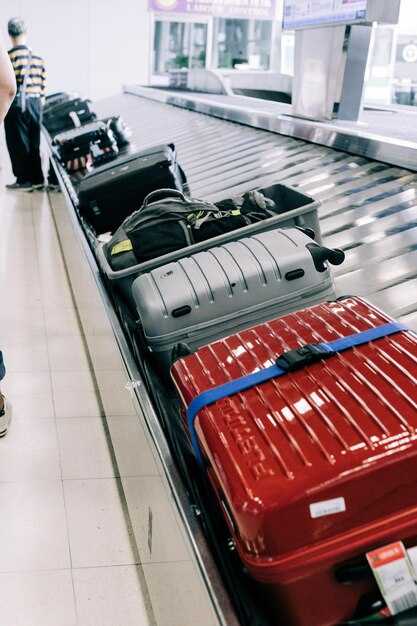
Handle luggage efficiently: use the airport left-luggage desk if you have a long layover; the policy lists storage durations and fees; you can book ahead and then purchase a ticket for onward travel; keep hand luggage compact to ease loading.
Accessibility is straightforward: step-free paths, accessible toilets, ramps, and attentive staff; request assistance in advance to guarantee access onto the platform, especially with hand luggage.
Peak hours: plan to depart before 07:30 or after 20:00; in September, weekend crowds push the morning rush from 07:00 to 09:30 and the evening from 17:00 to 19:30; you can adjust by choosing a mid-day slot.
Real-time updates: rely on the CP app and airport boards for live times; because the timetable can shift with maintenance, enable zapping alerts for platform changes; check urban-trainspdf for exact platform swaps and to confirm speedier routes, especially if you have a tight booking.
Experience tips: the coastal scenery along the Cascais line shines in golden hour; Cascais center offers shopping and a few nightclubs near the marina; for a romantic angle, stroll between Alfama’s medieval, cobbled lanes and the hidden viewpoints; talk to maria at the desk for local tips; if your next leg heads to albufeira, complete the booking and pay with a bank card; carry exact change for small purchases; the walk between stations is short and well-signed, and the overall route between Lisbon and the coast is straightforward.


