
LaGuardia Airport Guide - Essential Sfaturi, Terminals & Getting Around
For a smooth arrival, book a door-to-door transfer before you land to avoid curb delays and miles of walking. On holiday weekends the lines for taxis and rideshares can grow quickly, so securing a ride in advance saves time and reduces stress.
LaGuardia uses four passenger halls, A through D, with clear signs and a central hub that links arrivals to all gates. Navigate without confusion; the historic Terminal A sits separate from the newer halls, while B, C, and D host most flights, shops, and lounges–plan your route as soon as you collect your luggage at baggage claim.
Getting around is straightforward: use the Q70 SBS bus to reach the subway at Roosevelt Avenue/Jackson Heights for Midtown access, or hop the M60 to connect to Manhattan routes. If you prefer a private option, ride-hailing pickup zones are clearly marked outside each terminal and staff can guide you to the closest curb.
Parking comes in garages and lots near the terminal complexes, with short-term and long-term options for all budgets. Expect signage that points you toward the closest garage and allow 15–20 minutes to reach the curb from the lot, depending on terminal density and traffic.
Shop and snack options include a brew for coffee lovers–illy coffee is common in many booths–plus wine selections and a range of skincare and cream products in beauty aisles. For quick bites, diners and café counters line the concourses, especially near gate clusters in buildings near departures.
To move quickly through security, pack liquids in compliant containers and have your ID and boarding pass ready. Use TSA PreCheck if you have it, and monitor your flight status via the airline app for the latest gate changes and boarding times.
Leaving the airport and heading to your hotel or meeting point works best with a door-to-door transfer or a quick taxi ride. If you’re waiting for a ride, stay in the designated zones–traffic on nearby streets can be heavy, so plan a few minutes extra. Going further into the city? Consider alternate routes and allow extra time.
Specific tip: check your terminal map before you arrive and note any hall changes during peak hours. As crowds grow, plan for extra time and leave room for flexibility, especially when moving from one building to another and avoiding last-minute detours; the usta codes on some internal maps can guide staff to the closest pickup.
LaGuardia Airport Guide: Practical Sfaturi, Terminals & Getting Around; LGA Terminal D Merged into Terminal C
Best approach is to start at Terminal C for check-in and boarding; the Terminal D merged into Terminal C, creating a single connected facility. The change, beloved by frequent travelers, merged the formerly separate Terminal D into Terminal C, giving travelers a streamlined experience. Use on-site maps and leafs of publications at the information desk in front of security to plan zones, transfers, and lounges. This layout has been in place for months, with updated directories and clear signage.
Practical Sfaturi
- Arrive 2 hours before domestic flights, 3 hours for international; allow extra minutes for potential lines at the front.
- Check-in: Terminal C counters handle most carriers; IDs are accepted at check-in; you can speed things with self-check kiosks, especially for elites with transfers.
- Drop-off: curbside drop-off at the front; short-term parking nearby; rideshare pickup station is clearly labeled just outside Terminal C front.
- Boarding: monitor gate assignments on displays; boarding groups typically start 30 minutes before departure; have your boarding pass ready.
- Lounges: walkable access to lounges in Terminal C; arrive early to rest, recharge, and enjoy beverages.
- Food: options include pastries and chicken dishes from multiple vendors; grab a quick bite before boarding.
- Publications: review leafs and publications at the information desk for current contents and gate changes; use the address listed on directories for any follow-up.
Terminals & Getting Around
- Walkable layout: Terminal C merged with D forms a single complex; most gates are within a 5–10 minute walk with moving walkways in key zones.
- Levels & signage: expect clear levels for check-in, security, and arrivals; color-coded signs point to gates and lounges.
- Runways & views: many gates offer window views toward runways, great for spotting arrivals and departures.
- Transfers: transfers between carriers and sections occur inside the terminal; use the transfer desks or front assistance if you’re unsure.
- Station access: ground transportation station handles taxis and rideshares; public transportation options connect to city lines; plan your route with official publications on-site.
- Address & front: head to the front of Terminal C for drop-off and rides; the address cues on-site help you orient quickly.
Terminal D Absorbed into Terminal C: What Changes for Check-In and Baggage
Go directly to Terminal C for check-in and bag drop. The old Terminal D area is absorbed into Terminal C, so you’ll find all check-in counters and the c1-c4 bag-drop desks in the same hall. Follow the new signs from the arrivals level; the route is between the main concourse and the satellite sections, with clear, updated directions.
Plan for airline hours and requirements. Hours vary by carrier, so verify your flight window in the app or on the airline’s site. If you require special services, reserve them in advance through the airline app or at the aadvantage counter, which is now integrated into the Terminal C check-in zone for smoother processing.
Bag handling now runs through the Terminal C lanes. After you check in, drop bags at the indicated counters and collect a written baggage tag. If you have oversize or special items, communicate your size and needs at the desk so staff can route you to the appropriate belt, which serves the former D flows as well.
Wayfinding and security flow improved for a tighter experience. Signage directs you from the check-in area to security, with routes that keep you closer to the main gates. Covered walkways and nearby maps reduce wandering, and staff can guide you to the right lanes between the two zones to minimize backtracking during busy periods.
Dining, shopping, and services adjust to the new layout. Terminal C now hosts a wider range of services and diner's options, including burgers and drinks at several outlets. There’s a reliable place for quick bites nearby the gates, and a chain of eateries offers options that accept both reservations when needed and walk-up orders, ensuring you stay fueled during waits.
For travelers connecting from other hubs, the change mirrors broader trends. If you’re arriving from ohare or boston routes, expect a unified check-in and baggage flow under Terminal C now, with the transition completed over months and noted in airport communications. Former layouts are now consolidated, and you’ll find the fields of information on screens and in written guides updated to reflect the new structure and hours of operation.
Arrival Routes: Which Terminal to Use After the D–C Merge
Terminal C is the best choice after the D–C merge. It keeps arrivals streamlined and places you within minutes of baggage claim, with nearby garages and concise parking options for a swift curb pickup.
Follow the D–C merge signs to Terminal C’s arrivals area, then exit toward the ground-transport zone. For rideshares, taxis, and rental cars, use the designated pickup points at the Terminal C curb, which minimizes walking and avoids backtracking.
Publications from LGA outline the fastest routes between terminals and the parking garages, making it easy to plan a pickup without stressful searches. If you need a quick bite, the terminal corridor serves all-natural options, including a shake and smoothies, and a classic diner vibe, with a scoop of ice cream to finish.
Beyond Terminal C, cash payments, island shops, and an emporium-style store are within easy reach for last-minute items. john notes the nearby irving garage for a quick exit and a tidy pickup, while citys publications provide clear walking times and minutes to the curb for your ride.
Check-In Counters, Bag Drop, and Securitate at Terminal C
Arrive at least two hours before your domestic departure and head to the prepaid bag drop near Terminal C’s main entrance to save time. Youll breeze through by following four simple steps, keeping their contents accessible, and presenting your photo ID and boarding pass. If you hold platinum status, look for Sky Priority signs to speed the process. In this city, Terminal C serves as a major Delta hub; parking options are in the adjacent garage, with proximity to the curb and clear drive lanes. Use the free wi-fi to monitor last-minute updates from arrivals or gate changes while you walk.
Free wi-fi is available in the check-in hall, and clear signage helps you move around toward security without backtracking. Once you cross into the security area, you’ll find dedicated lanes when eligible; have liquids in a 3-1-1 bag and remove larger electronics from your bag ahead of time. The layout keeps you close to the news screens, so you can see any delays and adjust your plan while you wait for your boarding group to be called. Your aloft, beechers, and other snack choices are on the way after you clear security, with healthy, all-natural options to power your drive or miles toward your trip, andashe signage helps you stay on track in proximity to the main gates.
Knowing the layout helps your stays before boarding; there are highlights in the security area such as TSA PreCheck lanes and quick handoffs for carry-on contents. Also, you’ll find a mix of quick-service spots and news screens highlighting delays or gate changes, with Beechers beechers as a popular quick bite in the area. Parking lots and the curb area stay close, so the proximity reduces walking around the terminal after you park in the garage.
What to expect in Terminal C
Keep the contents of your carry-on compact and organized to speed inspection; knowing the maximum allowed dimensions helps you stay under limits. If you earned miles or have special status, you’ll notice quicker handoffs at bag-drop and security. Also, you’ll see a variety of healthy, quick bites and all-natural options, with news screens offering real-time updates. Parking options around Terminal C provide easy access, reducing drive time from the curb to the check-in hall, and bee-lines to your gate once you’re through security.
| Pas | Acțiune | Interval de timp | Sfaturi |
|---|---|---|---|
| Check-in | Use prepaid bag drop; present ID and flight details | 2 hours before departure | Organize contents; use wi-fi to verify status |
| Bag drop | Drop luggage and attach tags | 2 hours before; closes ~45 minutes before | Keep valuables with you; ensure weight limits |
| Securitate | Proceed to standard or TSA PreCheck lanes | Line dependent; mornings often busiest | Liquids in clear bag; electronics outside bag |
| Post-security | Head to gate; explore nearby shops | After security until boarding | Recharge devices; grab a snack from beechers; check wi-fi for updates |
Concourse Map: Gates, Transit Options, and Amenities in Terminal C
Begin at the Information Desk in the central hub, grab a written map, and plot a fast, stress-free route to your gate. This map highlights gates, transit options, and amenities so you can move with confidence and save time during busy periods.
Concourse C divides into three urban-inspired neighborhoods. Those blocks feel modern and spacious, with a shack-inspired seating nook for a quick regroup and easy access to restrooms and charging points. The layout keeps traffic moving smoothly, so you stay on track even when crowds surge.
Gates line two main aisles; follow the blue overhead signs to your place, and use real-time displays to confirm distances as you walk. Transit options inside Terminal C include moving walkways, elevators, and escalators, with clear routes to the inter-terminal transfer area if you need to reach another terminal. A quick shuttle loop serves the broader airport cluster when needed, and curbside rideshares remain available outside the terminal for fast pickups. also, a dedicated information kiosk helps with last-minute changes.
The amenities span spacious seating and power outlets at most clusters, fast Wi‑Fi (including atomic speed options), and a curated mix of brand boutiques and shopping. You’ll find sweet coffee spots, grab‑and‑go counters, and a few events and displays that highlight local culture. The shopping area features favorite brands and a king of convenience, plus a bonus lounge for premium travelers. The space feels huge, modern, and stunning, designed to keep stress low as millions of travelers pass through each year.
Practical tips: carry prepaid cards for quick checkout at transit readers and shops; written directions on your phone also work offline. For a smooth trip, identify five quick routes to your gate and pick the one you’re most confident with. The vibe nods to lauderdale-hollywood–bright, casual, and easy to navigate–making Terminal C a favorite stop for urban travelers. If you’re catching events or meetings, plan around five dining options so you can grab a bite without losing momentum.
Food, Shops, and Lounges You Can Access in Terminal C
Begin at the mezzanine hub in Terminal C to access multiple dining options and shops in one stretch. That zone includes Jackson's Market, a neighboring fragrance counter, and seasonal offerings that change with airport operations, so you’ll always find something fresh. From common quick bites to upscale plates, you can dine in or take away, then browse a lineup of stores without backtracking. If you need a quick reset, nearby lounges offer a calm pause before your next flight and help reduce travel stress.
Dine and Takeaway in Terminal C
- Multiple dining concepts provide dine‑in and take‑away options, with seasonal menus and sharable boards featuring king‑sized cheeses and curated pairings.
- Healthy bowls, sandwiches, pizzas, and coffee bars cover quick bites, crafted to busy connection times and long layovers.
- Plan ahead for gate‑to‑gate service: several counters offer takeout that you can grab on the way to your gate, speeding up the opening sequence of your boarding.
Shops, Fragrances, and Publications
- Stores include a fragrance shop and neighboring snack counters; you’ll also find travel accessories, local treats, and cheeses to take home.
- Publications kiosks stock magazines, newspapers, and airport guides, with seasonal promos tied to holidays and travel peaks.
- Common finds include gifts, gadgets, chargers, and quick‑shop essentials aligned with airport operations and security checks.
The sapphire lounge on the mezzanine welcomes members and guests with lounge access, offering comfortable seating, fast Wi‑Fi, and light refreshments. Perks include complimentary beverages and power outlets, designed to ease the pre‑flight routine pursuant to your membership terms. If you don’t have lounge access, check partner programs or day passes; hours can vary with flight operations, and opening hours shift to match peak travel times.
Getting to and from LGA: Taxi, Rideshare, Public Transit, and Parking
Grab a taxi at the curb outside each terminal’s arrivals area for a direct door‑to‑door option. Expect $40–$60 to Midtown Manhattan, plus tolls and a tip; in crowded rush hours you’ll want to budget 60 minutes or more. Taxis offer practical reliability when you’re juggling bags, and they bypass transfers, making the ride ideal for groups or travelers with tight schedules. The pickup is straightforward with clear signage, and you’ll find the queueing area behind the terminal as you step out–the scoop for a smooth start to your trip.
Rideshares provide a flexible alternative with competitive pricing. Use your app to head to the designated rideshare curb outside each terminal; you can reserve a pickup in advance to lock in a specific driver and wait time. Shared rides are offered and can cut the fare when you’re traveling light or returning from a late flight; expect longer waits if demand is high. If you’re chasing perks or elite status, some services offer expedited pickups, though availability varies by time of day. In general, rideshares are convenient for indoor bag drop and reduce road congestion behind the airport perimeter when traffic is heavy around peak hours.
Public transit is the most economical option, with two solid routes. The Q70 SBS LaGuardia Link runs from LGA to the Jackson Heights–Roosevelt Ave area, where you can transfer to the E, F, M, or R lines into Manhattan. The M60 SBS connects LGA to 125th Street in Harlem, with transfers to multiple subway lines along the way. Tickets cost $2.75 with OMNY or MetroCard, and daytime frequencies keep service steady (roughly every 4–8 minutes on the bus routes). Travel times vary, but expect about 50–70 minutes to reach central Manhattan depending on transfers and crowds, with flights to angeles and other destinations covered by the network.
Parking at LGA covers on‑site options and off‑site choices nearby. Terminal garages A, B, C, and D provide short‑term parking with hourly rates typically around $6–$7 and a daily max in the $35–$60 range, depending on terminal and day. If you’re staying longer, consider off‑site lots or park‑and‑ride lots within a short shuttle ride; these often offer lower daily rates and dependable quick shuttles back to the terminals. To maximize convenience, you can reserve a spot online in advance and unlock a guaranteed space, saving time during crowded travel days.
Inside the terminals, you’ll find a robust mix of indoor services: shops, stores, and gift shops with snacks and gifts for travelers making last‑minute purchases. The shopping options include everything from quick essentials to jean and accessories picks, plus mexican snacks and other treats to keep you fueled before a flight. If you’re arriving with luggage or a tight connection, plan ahead for a smooth path from curb to check‑in, and remember there are tours and information desks if you want a quick orientation of the terminal layout or local spots. Whether you’re heading out or returning, these choices fit a range of schedules and road conditions, with perks for those who reserve ahead or opt for shared rides when appropriate.
Bottom line: for speed, taxis and rideshares beat the clock; for value, public transit fits daily budgets; and for flexibility, on‑site parking with advance reservations keeps you in control. There’s a clear path from the road to your gate, with options behind every terminal and a straightforward form of payment accepted across services. If you have a late or early flight, the right option can turn a crowded, stressful moment into an easy, well‑paced arrival or departure–whether your destination is a city across the road or angeles, or a quick hop to a local hotel or tours. Reserve ahead, compare the options, and choose the route that best matches your group, luggage, and schedule.
NYC Transit Connections: Trains, Buses, and Travel Times to Manhattan
Recommendation: From LaGuardia, take the Q70 SBS to Roosevelt Ave–Jackson Heights, then ride the 7 train to Times Square-42 St for Midtown access; door-to-door time is typically 40–60 minutes, which is convenient for a client traveling solo. This route avoids heavy road traffic and provides reliable service on weekdays. Buy a ticket at the bus kiosk or use prepaid OMNY/MetroCard; the value is solid for a single fare, and the MTA website lists current policy and fare details. Terminal B is jetblue’s home, making the curb-to-train path straightforward for travelers with carry-ons. For holiday travel, expect occasional delays; check advisories on the website before you depart. This plan was made with first-time visitors in mind and reviewed by editor reagan for clarity.
Trains and Buses: Routes and Times
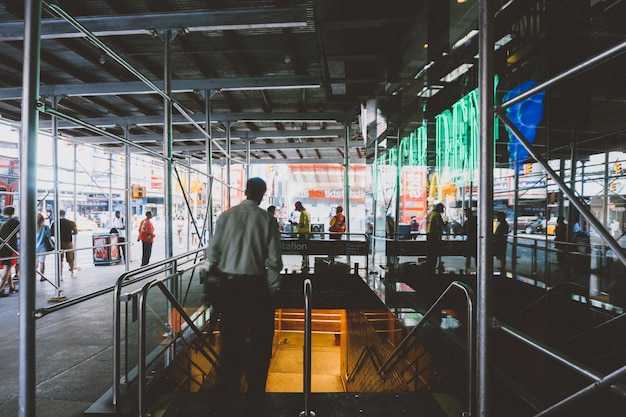
The Q70 SBS runs from LaGuardia to Roosevelt Ave–Jackson Heights (the stop named Roosevelt Ave–Jackson Heights is a major transfer point for accessing the subway), then the 7 train delivers you to Times Square-42 St. Expect 40–60 minutes total door-to-door, depending on bus speed and wait times. For a rail-first option, the M60 SBS travels from LGA to 125th St in Harlem; from there, transfer to the 2/3/4/5 or A/C lines to reach Midtown in roughly 60–75 minutes. Both options are value-friendly for MetroCard holders and avoid the heaviest road congestion. If you’re comparing with kennedy options, Kennedy (JFK) may require a longer combo trip to reach Manhattan, while Reagan National typically isn’t part of NYC airport connections. Construction or holiday detours can affect timing, so always check the MTA website before you depart. This information has been reviewed for accuracy by editor reagan.
Practical Sfaturi for Planning and Saving Time
When you travel, use prepaid fare or keep a ticket handy to speed boarding; holders of MetroCards or OMNY credentials move through gates faster. Mothers traveling with children appreciate the Q70 and M60 SBS curbside stops and wider doors. If you want a quick coffee, look for a brew near the Terminal B arrivals area before you head out. Road conditions near the approach roads can shake schedules during peak hours or in construction zones, so add a buffer on busy days and holidays. For those aiming to reach central Manhattan quickly, the 42 St corridor via the 7 line or a transfer at 125th St to the Harlem lines provides solid options. Check the website for construction notices and service changes; editor reagan also notes when to depart to avoid peak traffic. JetBlue travelers especially benefit from a straightforward path from Terminal B to Midtown, and this plan remains a simple, practical choice for a perfect start to any NYC visit.


