



 Română
  English (UK)
  Русский
  العربية
  日本語
日本語  한국어
한국어  Magyar
  Türkçe
  Español
  Čeština
  Svenska
  Português
  Ελληνικά
  Suomi
Suomi  Nederlands
  Italiano
  Français
  Polski
  Українська
  Deutsch
  简体中文
简体中文  Slovenčina
Best option: drive from San Francisco to Yosemite via CA-120 East for the fastest entry and most reliable timing. This long road trip puts you in control of stops and pace, and you’ll pass miles of trees with dramatic views that define California state parks. From San Francisco, head east on I-580, then switch to CA-120 East toward the park’s entry. Some travelers consider i-80 as an alternative route to reach the valley, but CA-120 delivers the direct entry to Yosemite Valley. Book accommodations and check road conditions ahead of time, since passes can force delays and Tioga Pass closes in winter.
Option 2: Take Amtrak to Merced and ride YARTS to Yosemite Valley. This option lets passengers skip long roads for most of the trip. Board Amtrak California trains from the Bay Area to Merced, typically 3 to 4 hours, then transfer to the Yosemite Area Regional Transportation System to reach the front gate. You can book seats in advance and align arrival with the park locations along the route. The ride offers steady scenery and a chance to rest, so you’ll arrive refreshed without fighting traffic on the main road.
Option 3: Fly to Fresno or Mammoth and drive the rest of the way. A plane saves long road hours; fly into Fresno Yosemite International (FAT) or Mammoth Yosemite Airport (MMH), then rent a car. From the airport, the drive to Yosemite Valley takes about 1.5 to 3 hours depending on traffic and weather. If you route through Bakersfield on CA-99, the final leg features long roads with views of desert to forest. This plan works well for groups who want a quick transfer and who prefer to control the time of day they arrive; you can book a plane ticket and a car ahead of the year’s busy season to secure the best rates. Expect highway views of fields, orchards, and the pine trees along the state routes, with a final stretch through small towns and locations along your chosen road.
Option 4: Mix methods to dodge crowds and keep a flexible arrival time. Start with a morning train to Merced and drive the last leg, or fly to FAT and pick up a car for a later entry. This back-and-forth lets you book ahead and adjust if road closures or passes change, such as Tioga Pass closing in winter. Planning a route that includes CA-140 or i-80 as alternatives gives you options to hit the park locations with the best light. Expect long roads, scenic views, and a few stops in towns down the road for snacks, while you savor the year’s best colors and the towering trees along the state routes.
Train Route: From San Francisco to Yosemite via Amtrak Merced and YARTS
Take Amtrak to Merced, then ride YARTS to Yosemite Valley; it’s the simplest, most reliable entry from San Francisco with minimal transfers.
Board at Emeryville or downtown Oakland on the Amtrak San Joaquin line toward Bakersfield; Merced is the transfer point where you switch to YARTS. The leg from SF to Merced runs roughly 2.5–3.5 hours and covers about 120–150 miles, depending on the exact start location and number of stops along the way.
From Merced, the following YARTS buses head to Yosemite Valley, with multiple departures most days. The ride to the valley takes about 1.5–2 hours, depending on traffic and how many stops the driver makes. Reserve your seats if you travel during winter or holiday weekends to ensure a spot; YARTS times align with Amtrak arrivals, so plan to continue your journey without a long wait.
Winter note: Tioga Pass and most park entries have winter restrictions; consider the Merced-to-Yosemite route as a portal to the park’s entry points that stay open. If snow blocks the main routes, an alternate entry via the Big Oak Flat Road remains good, and the YARTS schedule adapts to highway conditions. If you’re traveling with a group, a reservation helps, and lets everyone coordinate with the following steps on the page.
If Merced is not convenient, you can instead connect via Manteca or downtown Stockton on a different YARTS line that serves the same destination. This longer option adds miles but can be useful when direct Merced arrivals align poorly with your schedule. Check the following locations and times for the day to pick the best fit.
Tickets and reservations: Buy Amtrak tickets to Merced in advance through the official page, and reserve YARTS seats when you book your dates. Most good options show you the entire route and its highlights, and articles on the route often mention how the scenery along the Central Valley and the mountains makes the long ride worthwhile. If you enjoy landscapes, this route presents a good balance of city stops and scenic views.
Drive Route: Renting a Car and the Best Highway from San Francisco
Reserve a mid-size SUV now and pick CA-120 Big Oak Flat Road as the main highway to Yosemite Valley. A reservation ahead of time in the SF Bay Area, including oakland, smooths pickup and grants flexibility for later tweaks. SF to Yosemite via that route typically takes about 4 to 5 hours, with incredible foothill scenery and lakes along the way. If your plans shift, you can adjust later while keeping the same highway option.
For travelers in the jose area, pickup can still be arranged near the SF Bay Area with flexible terms and a solid hotel before the final climb.
Vehicle choice and timing
- Choose a vehicle with good clearance; rental companies in the area offer flexible terms; a reservation months in advance is wise for peak season; aim for a pickup early to beat Bay Area traffic.
- Prioritize a model with cargo space for gear, water, and snacks; ensure roadside assistance options and reliable maps for canyon routes.
- Plan stops to rest and enjoy sights; these breaks help avoid fatigue and keep your feet fresh before the climbs into higher elevations.
Routes and stops
- Option A: SF → CA-120 Big Oak Flat Road entrance → Groveland → Yosemite Valley. This is the fastest highway path, favored by locals for its consistency and scenic overlooks; elevations reach around 7,000 feet, with granite spires and pine forests along the way. Book a hotel in Groveland or El Portal if you prefer a shorter final leg.
- Option B: SF → CA-140 through the Merced area → Yosemite via Arch Rock or Wawona Road. The alternate route suits travelers seeking a calmer drive and more towns along the way; you’ll pass through the gold country foothills and reach the park with generally lighter traffic at many times of the year. Consider a stop in the fresno area for lunch and refueling, then push to the park.
Shuttle and Bus Options: Public Routes, Private Transfers, and Booking Tips
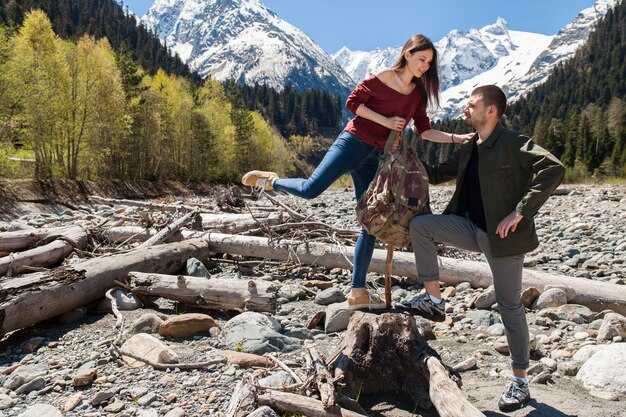
Private transfers from San Francisco to a Yosemite gateway such as El Portal or Mariposa offer flexibility; upon arrival, use public routes to reach the valley. If you fly in, an airport shuttle to a gateway town can simplify connections before hopping on a park shuttle or a YARTS ride.
Public routes provide plenty of value for budget-minded travelers. Yosemite Area Regional Transportation System (YARTS) links Merced, Fresno, and Mammoth Lakes with the park entrances. From San Francisco, plan a transfer to one hub by train or another service, then board YARTS to the park. In winter, Tioga Pass closes above the eastern entrance, so routes use the west side and Lee Vining corridor as applicable. Expect stops at lakes and scenic points along the way, which makes the journey part of the experience rather than a rush between two places.
Private transfers deliver door-to-door service for a group or a couple, with clear time windows and minimal fuss. A single vehicle for a one-way trip tends to run in the ballpark of $150–$250, with higher rates for larger vehicles or peak demand days. For groups, a private shuttle can split cost per person and still preserve a relaxed schedule, perfect for hiking days or a multi-stop itinerary around the area. This option is particularly convenient when you want to arrive directly at your lodging in El Portal, Oakhurst, or the Tioga Road corridor before sunup.
Booking tips help secure a smooth ride. Reserve well in advance for summer and holiday weeks, using the official portal to compare routes, times, and pickup locations. If you need flexibility, keep an open option for a private transfer and a backup public ride in case weather or road status shifts. For winter trips, verify Tioga Pass status and plan a parallel route if the pass is closed. If you want a guided touch, consider a small-tour operator that combines transit with a short-hike itinerary or lake views, adding value to your days in the area. For travelers seeking free or low-cost options, mix a public ride with a rental car for a few days to access more remote trailheads and scenic overlooks.
| Opțiune | Where it runs | Typical pricing | Best for |
|---|---|---|---|
| Public Routes (YARTS) | Merced, Fresno, Mammoth Lakes to park entrances | Per person: roughly $25–$40 one-way; varies by route and season | Budget travel, multiple stops, daylight schedules |
| Transferuri private | Door-to-door SF to gateway towns or park entrances | Vehicle-based: about $150–$250 one-way; group rates available | Highest flexibility, minimal baggage handling, early-morning arrivals |
| Car Rental + Park Shuttles | Drive to gateway, then use park shuttle network inside | Rental plus shuttle passes; total varies by duration | Independence with steady inside access to hiking and viewpoints |
Guided Tours: All-Inclusive Day Trips and Multi-Day Packages
Book an all-inclusive guided day trip from San Francisco that handles pickup, round-trip transport, meals, park entry, and a knowledgeable guide for you. Here is a streamlined option that saves planning time and guarantees you see Yosemite’s granite highlights without juggling maps or ride shares. This plan will save you time and stress.
Most day trips run about 12 hours. You’ll depart from San Francisco early, around 5:30–6:00 am, and travel along interstates toward the Sierra foothills, roughly 195 miles one way. A pro guide keeps the pace steady, stops at Tunnel View to capture the valley’s west-facing granite walls, and leads you along the Merced River to Yosemite Valley. Lunch is included, and you’ll have time to see El Capitan and Bridalveil Fall, with a second stop at a scenic meadow if weather allows. Arrive back in San Francisco late evening, ready for a hot drink in your hotel lobby. This option is ideal for travelers who want only a taste of Yosemite.
Winter departures adapt to snowy conditions. twisty mountain roads demand warm layers and patience, but guides tailor routes to road status and openings. In colder months you might swap a valley overlook for winter icefalls, and Mirror Lake may be iced over, offering reflections of granite giants. theres comfort with heated coaches, hot drinks, and a planned lunch to keep you energized as you switch between sightseeing and rest.
Multi-day packages expand the Yosemite experience. A 2-day option adds an overnight in a nearby town such as Mariposa or Oakhurst, with guided hikes, a visit to a lake view point, and time to explore a west-edge meadow. A 3-day itinerary may include a day trip to a scenic lake area, plus an optional trip to nearby parks or a camp-style sunset in a managed lodge. Packages are priced with lodging, meals, and park passes, and many operators publish a single code like pp15 to simplify checkout.
Choose a package with pickup from a central SF hotel and a schedule that continues with a return to your hotel or city center. If you prefer a shorter option, pick half-day tours with a quick overlook and shorter road time. For July trips, expect more people and longer entry lines, so book early. Prepare by packing layers, a camera, water, and a small snack. If you want to continue your Yosemite experience, consider a multi-day option that pairs a valley visit with a scenic lake stop or a guided hike into granite canyons.
Prices for day trips typically range from $180 to $260 per person, depending on inclusions such as meals, hotel pickup, and curbside drop-off. Multi-day packages start around $499 per person for a two-day itinerary with lodging, and can go higher for premium lodging or guided hikes. Look for options that include park passes, open time windows, and a guarantee to adjust for weather or road closures in winter, with the operator ready to help you adjust if a stop is skipped. The convenience of a single operator means you won’t juggle multiple reservations, and you’ll save miles of planning. Live your Yosemite moment with a well-organized plan.
If you want to mix a Yosemite view with a chance to sample small-town life, select a west-of Sacramento package that includes a stop in a mountain town, a stop at a lake, and a visit to a saloon in town, plus an open morning to begin your adventure. You’ll get to arrive into the park loaded with photos and stories, and you’ll leave with memories of seeing granite giants in sunset light. The team can help you pick a plan that suits your pace, whether you’re aiming for a calm half-day or a packed multi-day escape, with a July-ready itinerary and a few local bonuses.
Lista de verificare pentru planificare: Orar, Bilete, Bagaje și Sfaturi pentru Intrarea în Parc
Cumpără-ți permisul de parcuri Yosemite online cu două săptămâni înainte și descarcă versiunea mobilă; acest lucru oferă cea mai rapidă intrare și uneori o reducere. Dacă ajungi de la aeroport sau plănuiești călătorii către rutele sudice și zona Tahoe, această pregătire economisește timp și reduce stresul. Ce date vii te ajută să fii pe drumul cel bun și să nu ratezi opriri cheie în interiorul parcului.
Timetables and Tickets
Verificați orele oficiale de funcționare ale parcului în fiecare zi și starea drumului Tioga înainte de a pleca. În iulie, majoritatea porților rămân deschise de la răsărit până la apus, dar condițiile meteorologice sau restricțiile de incendiu pot reduce orele în zonele înalte. Consultați actualizările de mai jos pentru cele mai recente informații și planificați să ajungeți cu cel puțin 30 de minute înainte de prima oprire. Biletele acoperă mai multe zile, așa că dacă stați mai mult timp, puteți alege fie un bilet pe o singură zi, fie o opțiune pe mai multe zile care se potrivește călătoriilor dvs.
Pentru transport, yarts oferă opriri de autobuz din centrul orașului și din midpines către punctele de belvedere cheie; folosește-l pentru a reduce condusul în zilele aglomerate. Dacă conduceți singur, planificați-vă traseul pentru a ajunge chiar înainte de opririle populare, cum ar fi priveliștile de granit și fețele de stâncă. Ofertele de la parteneri oficiali pot include coduri de reducere; verificați ce se aplică călătoriilor dvs. și dacă un traseu sudic este mai bun pentru programul dvs. Dacă veniți din partea lacului Tahoe, aliniați-vă planul cu intervalele de dimineață pentru a evita aglomerația.
Bagaje, opriri și sfaturi pentru intrarea în parc
Împachetează un rucsac compact de o zi cu 2–3 litri de apă, gustări, protecție solară, o pălărie și o jachetă ușoară de ploaie. Pentru șederi mai lungi, ține straturi suplimentare în mașină, într-o geantă rezistentă la intemperii; nu supraîncărca rucsacul cu echipament greu. Locurile de parcare sunt limitate în sezonul de vârf, în special în Yosemite Valley; ajungi devreme pentru a prinde un loc. Înainte de a intra, ai permisul pe telefon sau tipărit; acest lucru menține intrarea rapidă și evită întârzierile în zilele aglomerate. Locuri de parcare gratuite sunt disponibile la unele stații de transfer, dar tot vei dori să planifici ținând cont de perioadele aglomerate.
Dacă plănuiți mai multe zile, structurați rutele pentru a include tioga și opriri la puncte de belvedere din granit sau de-a lungul albiei râurilor, unde poate fi observată pește. Dacă acest lucru se potrivește planului dvs., continuați cu un program mai lung sau mai scurt. Dacă stați mai mult, zilele pot fi împărțite între trasee ușoare, de familie, și rute mai lungi din stâncă, cu o drumeție mai lungă într-o zi separată în midpines sau mai aproape de poarta de sud. Utilizarea yarts sau cazarea lângă centrul orașului vă poate ajuta să minimizați timpul de condus și să maximizați timpul petrecut admirând peisajul.
Observații